

City guide · Wien
Vienna
Imperial capital of the Habsburgs and city of music: palaces, a cathedral and old cafés
Vienna was the residence of the Habsburg emperors and capital of the Austrian Empire: Schönbrunn, the Hofburg and the opera house on the Ringstrasse speak of imperial splendour, St Stephen's Cathedral stands at the heart of the old town, and everyday life happens in old coffee houses where one coffee buys you an afternoon.
History
How the city came to be
In the 1st century the Romans built the fort of Vindobona on the Danube, begun around AD 97. In 976 the Babenberg family was granted the eastern march, and in 1155 Duke Henry II moved his residence to Vienna. In 1365 Rudolf IV founded the University of Vienna, the oldest university in the German-speaking world. Ottoman armies besieged the city twice, in 1529 and 1683, and both times Vienna held. It was the residence of the Habsburg emperors from 1611 to 1740 and from 1745 to 1806; in 1804 it became capital of the Austrian Empire, and the Congress of Vienna met here in 1814–1815. In the second half of the 19th century the city walls and the open ground before them were turned into the Ringstrasse. After the Second World War Vienna was divided into four occupation zones until the Austrian State Treaty came into force in 1955.
- c. 97The Romans began building the fort of Vindobona
- 1155The Babenberg family moved their residence to Vienna
- 1365Rudolf IV founded the University of Vienna
- 1683Battle of Vienna: the second Ottoman siege failed
- 1804Became capital of the Austrian Empire
- 1814–1815The Congress of Vienna was held
- 1955The Austrian State Treaty came into force, ending four-power occupation
Stories
Stories of the city
The empress's wedding present
History · Schönbrunn Palace
Schönbrunn was the Habsburgs' main summer palace. Maria Theresa rebuilt and enlarged the estate, which she had received on her marriage, into its present form in the 1740s and 1750s; she also ordered the Gloriette on the heights of the garden, to glorify Habsburg power. After the empire's fall in 1918 the palace passed to the Republic of Austria and was preserved as a museum, and it was inscribed as a World Heritage Site in 1996.
One layer of jam or two
History · Sachertorte
The Sachertorte was created by the pastry chef Franz Sacher in the mid-19th century. In the 20th century, Vienna's Hotel Sacher and the confectioner Demel went to court over ownership of the cake and its trademark, and argued over how many layers of sponge the original had: Hotel Sacher insists on two, Demel on one. To this day their cakes carry round and triangular chocolate seals respectively.
Coffee beans left behind by the Ottomans
Legend · Viennese coffee houses
During the Ottoman siege of Vienna in 1683, Kulczycki dressed in Turkish clothes and crossed the enemy camp singing Ottoman songs to contact the relief army, and was hailed by the citizens as a hero. Legend says he used coffee beans left behind by the retreating Ottoman army to open Vienna's first coffee house. More recent research, however, suggests that Vienna's first coffee house was opened in 1685 by the Armenian Johannes Diodato.
People
People connected with Vienna
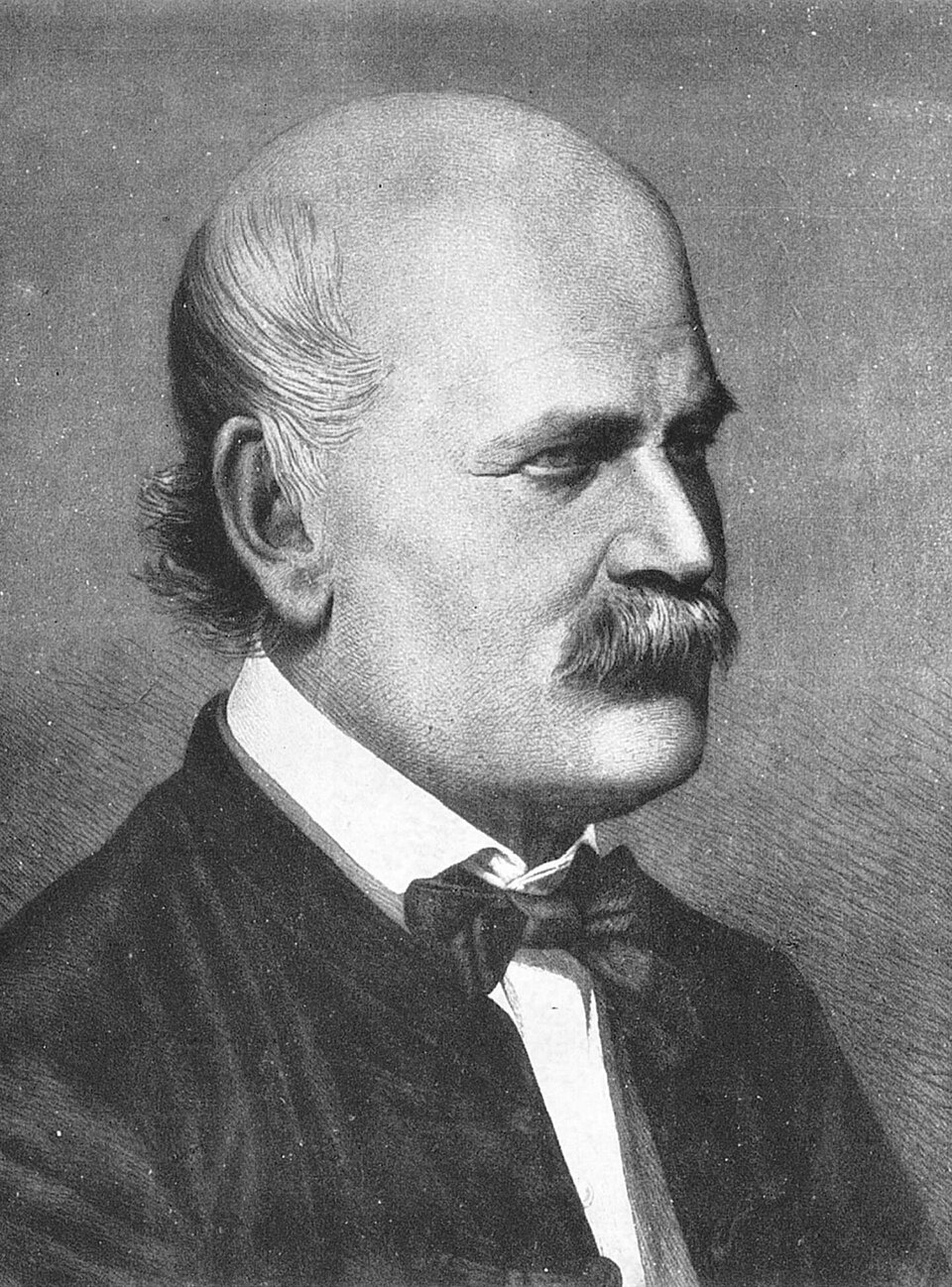
1818–1865
Ignaz Philipp Semmelweis / Semmelweis Ignác Fülöp
19th-century Hungarian physician and pioneer of antiseptic disinfection, hailed as the "saviour of mothers" (1818–1865).

18th century · 1717–1780
Maria Theresa
Habsburg monarch
1 related places

1756–1791
Wolfgang Amadeus Mozart
18th-century Austrian composer, representative of the Viennese Classical school (1756–1791).


Local life
Food and local daily life
Schönbrunn Palace
Must-try
- Wiener schnitzel
- Beef soup with liver dumplings / pancake strips
- Goulash
Wiener Schnitzel (veal), beef soup with liver dumplings / pancake strips, beef goulash, Sachertorte, apple strudel + Viennese coffee (Melange)
| Where to eat | The palace café, restaurants in Hietzing next to the palace; in the city, cafés such as Demel / Café Central (photo stops) and the Naschmarkt |
|---|---|
| Dining etiquette | Ordering one coffee in a café and sitting for ages reading the papers is part of the culture; squeeze lemon on your schnitzel — it's not usually served with ketchup; round up the bill as a tip |
| Typical price per person | EUR 22–40 ≈ CNY 183–332 |
| Tips | For Wiener Schnitzel look for the veal version — the pork version is called 'Schnitzel Wiener Art'; check concert-and-dinner packages before eating at the palace. |
Prices are typical rates as of October 2026, not exact quotes; CNY equivalents are approximate where exchange rates fluctuate.

Kobako · CC BY-SA 2.5


Before you go
Rules to know in Vienna
Austria: be ready to show your passport
Do
- Carry your passport
Don’t
- Assuming your driving licence counts as ID
The law requires you to be able to show your passport at all times; Austria does not accept a UK driving licence as official ID.
Verified Oct 19, 2026Source: GOV.UK: Austria travel advice
Austria: buy a vignette before using the motorway
Do
- Stick the motorway vignette on the inside of the windscreen
Don’t
- Driving on motorways and expressways without a vignette
You will be fined.
Verified Oct 19, 2026Source: GOV.UK: Austria travel advice