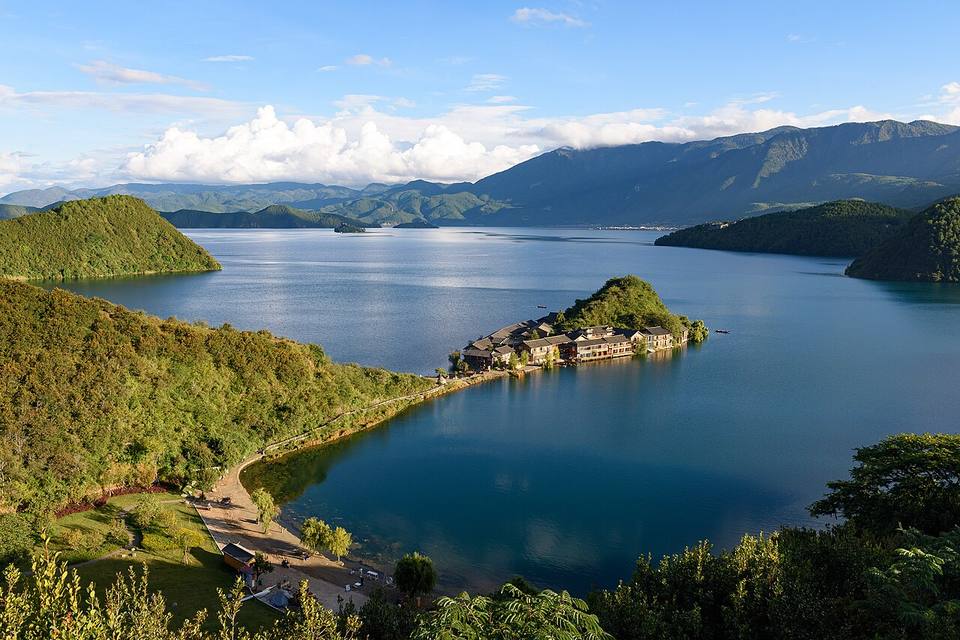
Lugu Lake

Regional deep dives

Sichuan

Around Chengdu, water engineering, Daoist traditions and panda conservation lead toward the mountain cultures of Leshan and Emei. Plan visits by actual location.

N509FZ · CC BY-SA 4.0
GoTerraVoya · 2026

Sichuan

01

Getting Around

  • Intercity: Chengdu East is the hub, with high-speed rail in about 1–1.5 hours to Chongqing, about 3–4 hours to Xi'an, and about 1 hour to Leshan (subject to official announcements). Chengdu has two international airports: Tianfu, about 50 km from downtown with Metro Line 18 in about 40–50 minutes, and Shuangliu, about 16 km away served by Metro Line 10. Always check the airport code TFU/CTU before booking transport.
  • In cities: Chengdu Metro has many lines covering Chunxi Road, Kuanzhai Alley and the Panda Base direction; single rides are typically 2–10 yuan. The urban area is flat, with convenient shared bikes and ride-hailing; western Sichuan requires chartered cars or tourist coaches.
  • Rural and highland areas: Jiuzhaigou and Huanglong are mostly reached by flying to Jiuzhaigou Huanglong Airport, then transferring; the road takes about 8 hours. Daocheng Yading Airport is high; Kangding and the western Sichuan plateau are best reached by chartered car or tour, and the G318 Sichuan–Tibet Highway should be driven by an experienced driver without fatigue driving (subject to official announcements).
  • Tickets and payment: Rail tickets are real-name via 12306; metro and buses accept transit cards and mobile QR. Prices and fines are given only as magnitudes and are subject to official announcements.
02

Etiquette & Taboos

  • Red Line: At heritage and ecological sites such as Dujiangyan, Mount Qingcheng, Leshan Giant Buddha and Jiuzhaigou, do not carve, climb or touch relics, leave walkways, or feed wildlife. In Tibetan-area monasteries, follow on-site rules and do not photograph in no-photography zones.
  • Taboo: Two pitfalls outsiders most often hit: (1) treating Chengdu "mildly spicy" as ordinary mild spice, or exercising strenuously or drinking alcohol on the first day on the western Sichuan plateau, risking discomfort; (2) making loud noise or using flash photography at the Panda Base, or photographing in Tibetan-area homes without permission. Also, order Sichuan food as needed and do not show off with spice tolerance; accept offered wine or tea only as you wish and do not pressure others (unverified: customs vary locally, follow the host).
  • Good Manners: Talk quietly in teahouses and sit according to on-site seating practice (follow on-site guidance). Queue for scenic areas and let passengers alight before boarding the metro. On highland itineraries, ascend slowly, drink water, and seek care promptly if unwell.

Source leads are being checked individually; confirm travel details with local official notices.

Places to explore

Sichuan

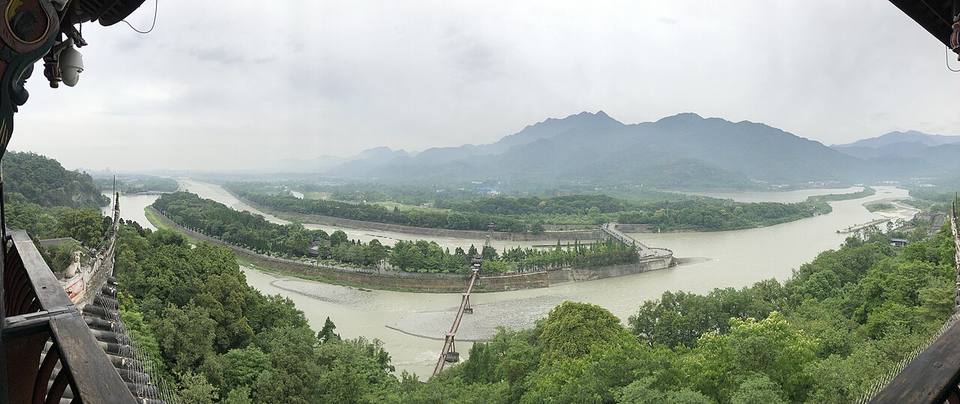
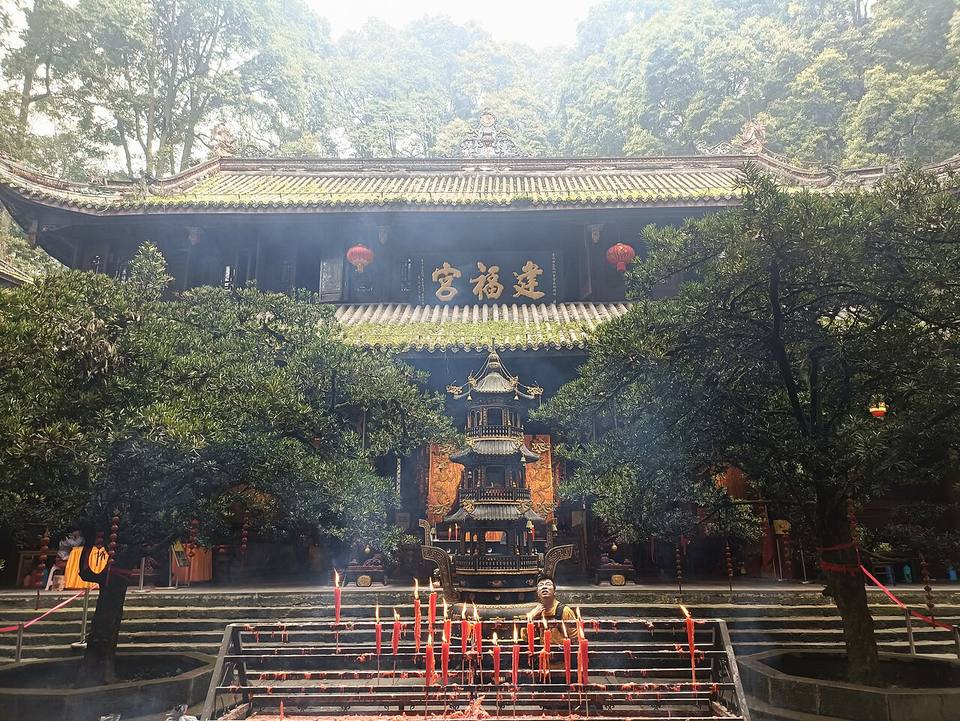
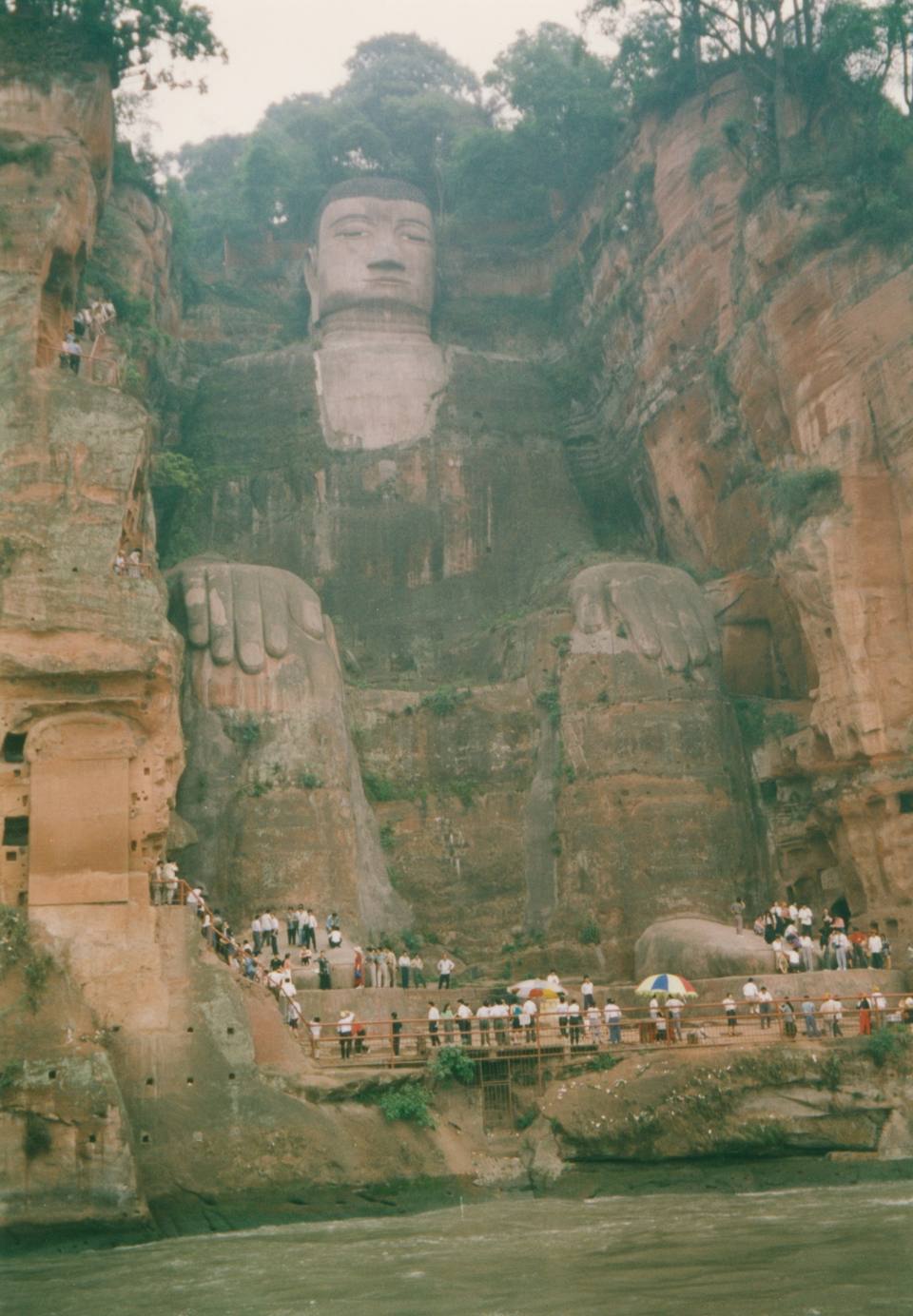
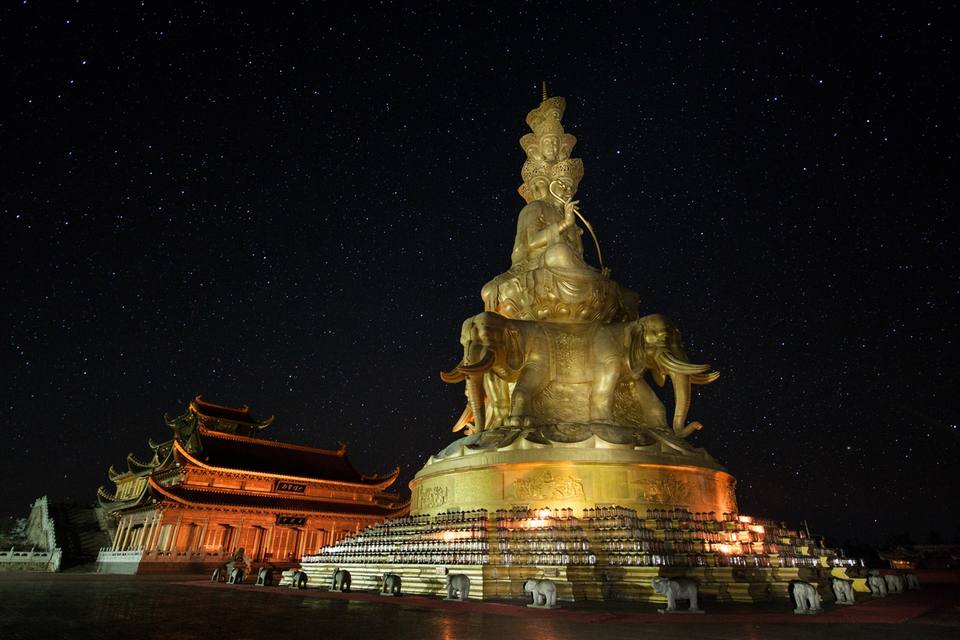
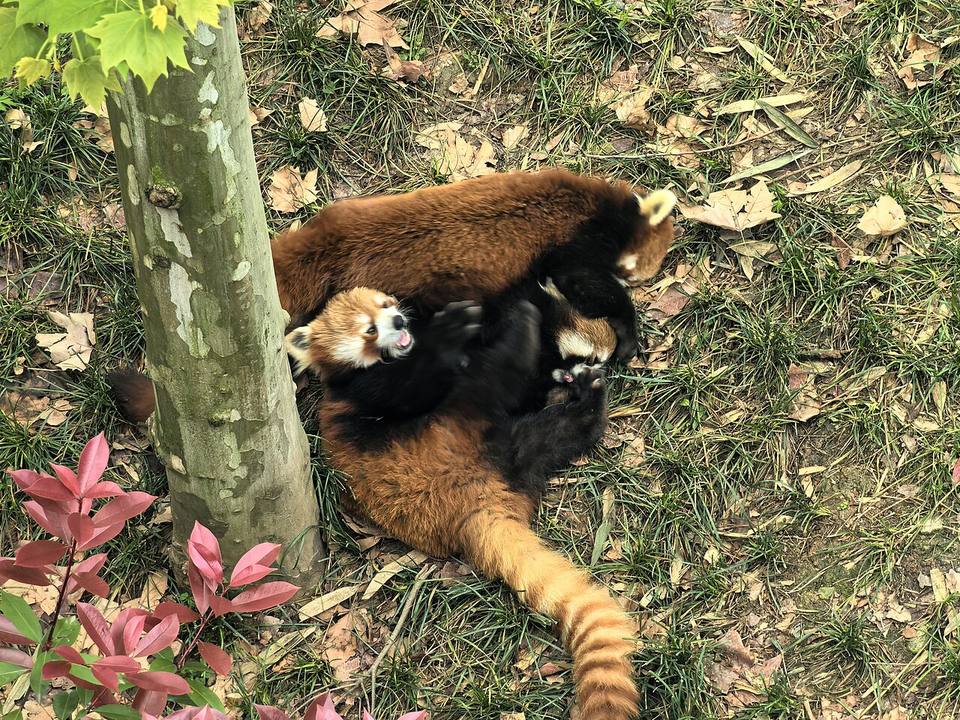
Lugu LakeThe border of Ninglang County, Lijiang, Yunnan Province and Yanyuan County, Sichuan ProvinceLugu LakeMount Gemu, the goddess mountain, guards a pool of highland blue while Mosuo pig-trough boats row through the blooms of the water plants — beyond the walking-marriage culture, remember first that this is a living community of matrilineal culture.Chengdu Research Base of Giant Panda BreedingChenghua District, Chengdu, Sichuan ProvinceChengdu Research Base of Giant Panda BreedingOne of the world's most important institutions for captive giant panda breeding — in the early morning the young pandas roll on the lawns and eat bamboo; seeing pandas means arriving early, and that is Chengdu's lesson number one.DujiangyanDujiangyan City, Chengdu, Sichuan ProvinceDujiangyanThe dam-free diversion project cut by Li Bing and his son in 256 BC has run for over 2,280 years and still irrigates the Chengdu Plain — the Fish Mouth divides the water, the Flying Sand Weir discharges the sand and the Bottle-Neck Channel limits the flow: one system explains the highest wisdom of Chinese water control.Mount QingchengDujiangyan City, Chengdu, Sichuan ProvinceMount Qingcheng"Qingcheng, most secluded under heaven": in the Eastern Han, Zhang Daoling made his hut here and spread the Way of the Heavenly Masters; mountains of green hide the Taoist temples in cloud and mist — one of the birthplaces of Chinese Taoism, quiet to nothing but birdsong and water.Leshan Giant BuddhaShizhong District, Leshan, Sichuan ProvinceLeshan Giant BuddhaA 71-metre seated Maitreya carved into the cliff where three rivers converge, its instep broad enough for a hundred people to stand on — the Tang monk Haitong used one Buddha to hold down a thousand years of waters.Mount EmeiEmeishan City, Leshan, Sichuan ProvinceMount EmeiThe 48-metre golden statue of Samantabhadra with ten faces in four directions stands on the Golden Summit above a 3,079-metre sea of clouds, with sunrise, Buddha's halo and the sacred lamps — three wonders on one mountain: the Samantabhadra sanctuary gives a Buddhist famous mountain its full pageantry.