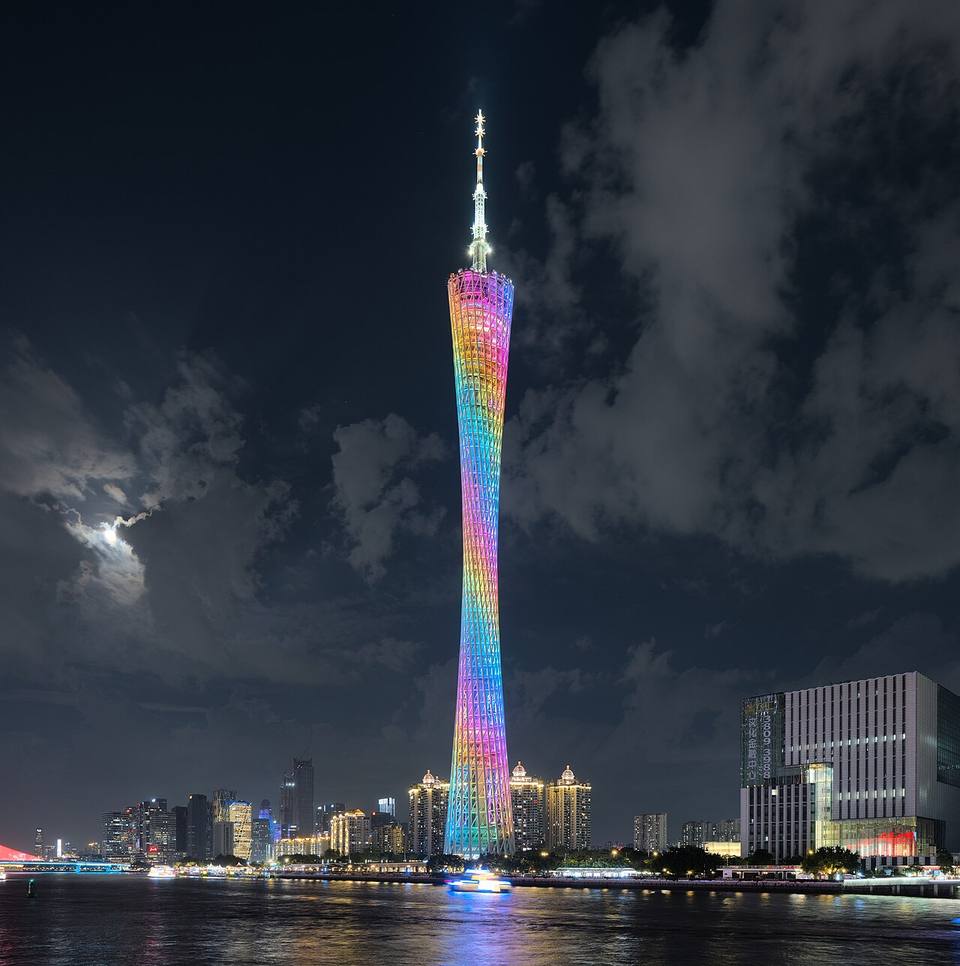
Canton Tower

Regional deep dives

Guangdong

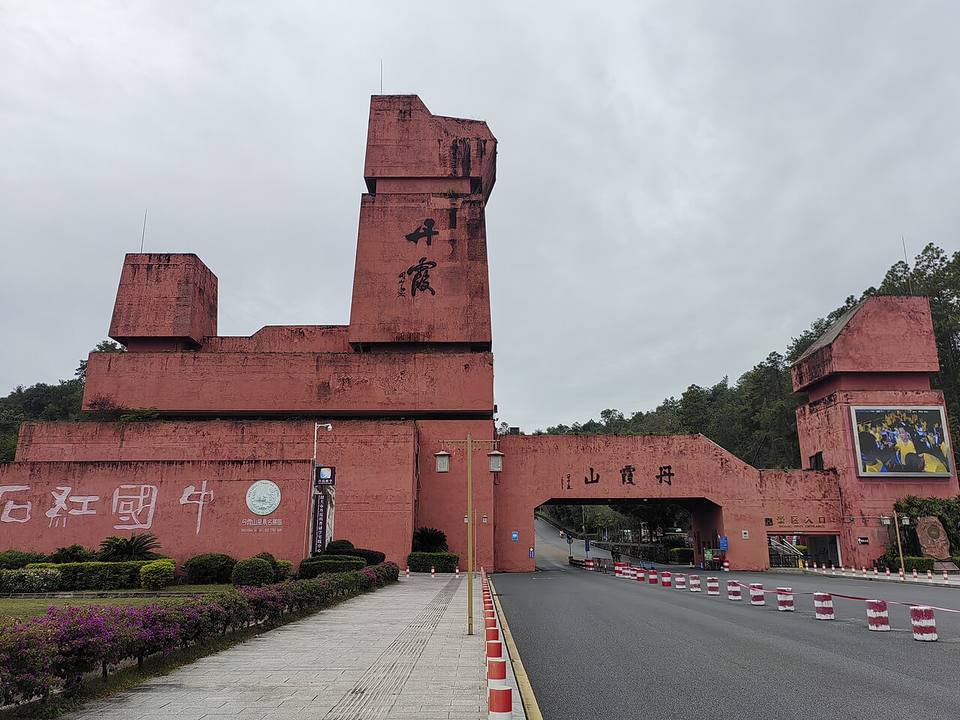
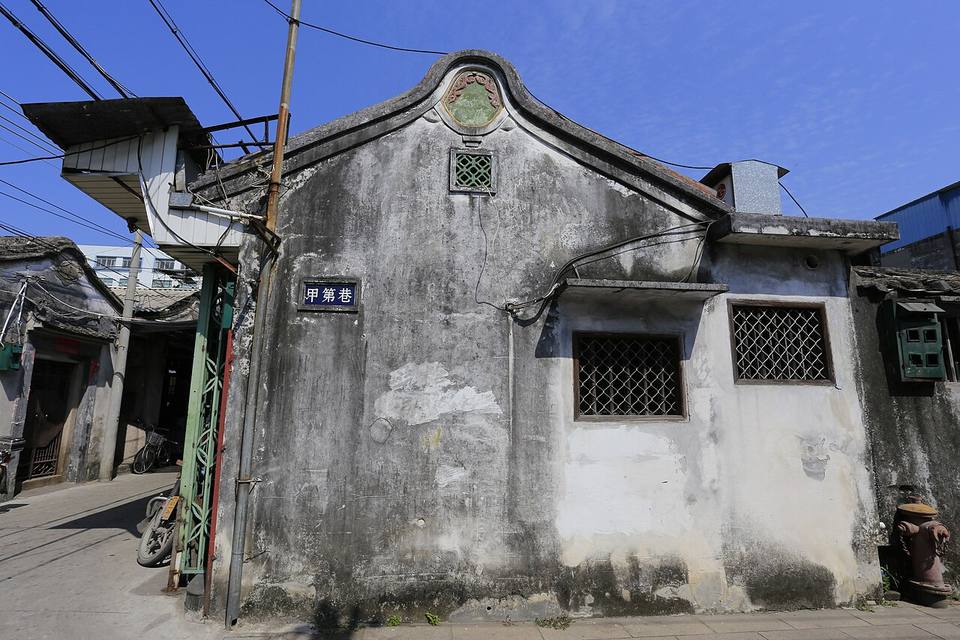
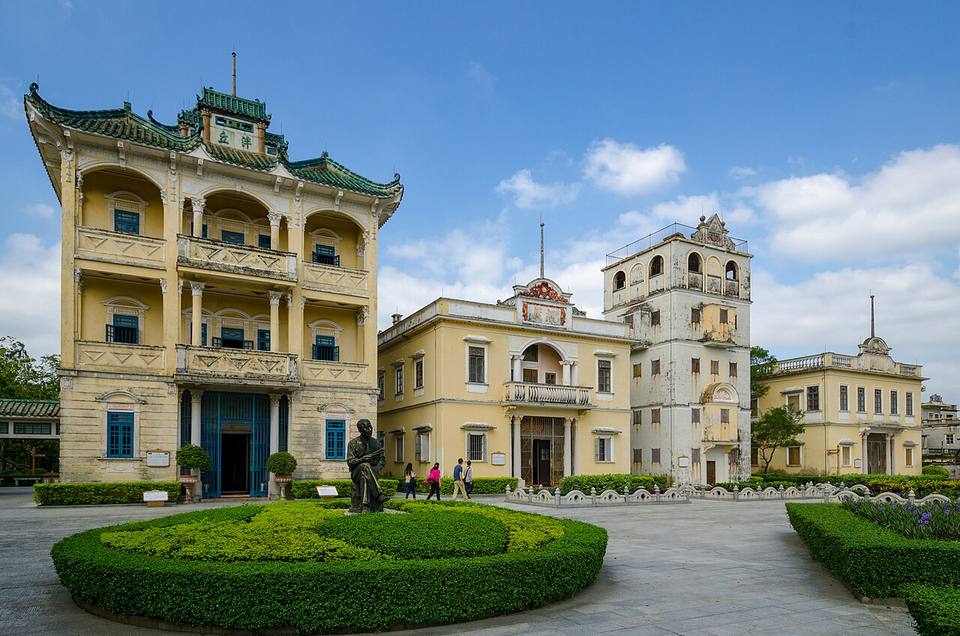
From Guangzhou’s skyline to Kaiping’s overseas Chinese heritage, Chaozhou’s old town and Mount Danxia, discover Guangdong’s layered local history.

Daniel Lu (User:dllu) · CC BY-SA 4.0
GoTerraVoya · 2026

Guangdong

01

Getting Around

  • Intercity: Guangzhou South to Shenzhen North by high-speed rail takes about half an hour at fastest; Guangzhou, Shenzhen, Foshan, Dongguan, Zhuhai and Zhongshan are linked by high-speed rail and Guangdong intercity rail. Guangzhou Baiyun, Shenzhen Bao'an and Zhuhai Jinwan airports serve the province; after the Shenzhen–Zhongshan Link opened, cross-city buses and driving became more convenient, though holidays congest easily (subject to official announcements).
  • In cities: Metro networks are dense in Guangzhou, Shenzhen, Foshan and Dongguan; Guangzhou Metro serves the Baiyun Airport direction and Shenzhen Metro serves the Bao'an Airport direction. Buses, ride-hailing and shared bikes are well developed; first-time intercity riders often need real-name registration (subject to official announcements).
  • Rural and island areas: Eastern and northern Guangdong, including Chaoshan and Meizhou, are usually reached by high-speed rail to a nearby city, then coach. Nan'ao Island, Shangchuan and Xiachuan islands are reached mainly by bridge coaches or ferries; ferries may be suspended in typhoon season (subject to official announcements).
  • Tickets and payment: Rail tickets are real-name via 12306; metro and bus fares are typically a few yuan, accepting Lingnan Pass, transit cards and mobile QR. Prices and fines are given only as magnitudes and are subject to official announcements.
02

Etiquette & Taboos

  • Red Line: In ancestral halls, temples and clan sites, follow on-site rules and do not photograph in no-photography zones. Open flames, carving and climbing are prohibited in historic arcade and village buildings. Do not swim during typhoon warnings or in no-swimming seaside zones.
  • Taboo: Two pitfalls outsiders most often hit: (1) making loud noise or occupying seats without ordering in a teahouse or morning-tea restaurant, or treating yum cha as merely drinking tea rather than a meal and social occasion; (2) joking with Cantonese homophones at others' expense, or commenting presumptuously on clans and ancestral homes in Chaoshan and Hakka areas. Also, order dim sum as needed and avoid waste; do not block paths for prolonged photography in front of others' ancestral halls.
  • Good Manners: When drinking tea, pour for others and avoid pointing a teapot spout at people (unverified: details vary locally, follow on-site custom). On the metro, let passengers alight first. When asking directions, show the destination name in Chinese; if Cantonese pronunciation is uncertain, rely on written characters.

Source leads are being checked individually; confirm travel details with local official notices.