Getting Around
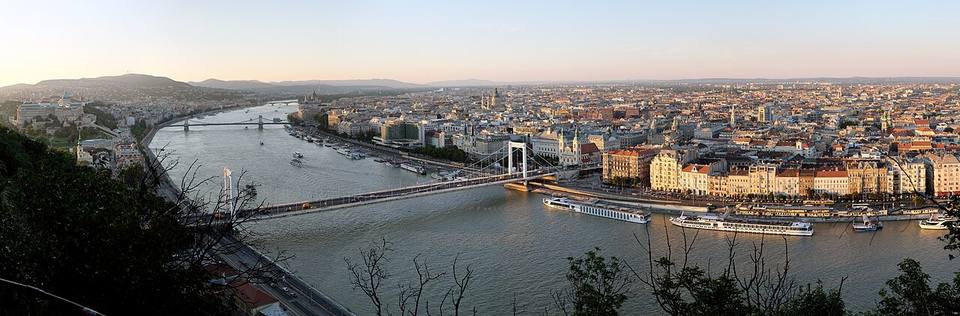
Intercity travel is mainly by MÁV national rail and Volánbusz long-distance buses, linking Budapest with Vienna and Lake Balaton; Danube cruise boats are sightseeing routes, not commuter transport. In Budapest, there are 4 metro lines (M1 is one of Europe's oldest metro lines), plus trams (route 2 along the Danube, routes 4/6 running overnight), buses and HÉV suburban rail (the city section uses the same ticket system); the Buda Castle Hill funicular requires a separate ticket not covered by passes. Rural areas — Lake Balaton, the Tokaj wine region and the Hortobágy steppe — are reached by train plus bus or car, with infrequent services. Tickets: the BKK integrated system, sold via the BudapestGO App, metro ticket machines and customer centres. Paper single tickets must be validated at the start of the journey (orange validators at metro entrances, on-board validators on buses and trams); app tickets are validated by scanning QR codes. Day tickets and passes need validating once at first use, as officially published by BKK. The 100E airport express requires a separate ticket and is not covered by day tickets or passes. Inspectors check frequently; fines are on the order of tens of thousands of forints, as officially published by BKK. Pass holders must carry the photo ID registered at purchase (a passport suffices); a mismatched ID number is also fined.