West Lake and the city of Hangzhou

Regional deep dives

Zhejiang

Hangzhou’s temples and hills, Shaoxing’s old town and Zhoushan’s island traditions reveal different threads of Zhejiang’s cultural history.

Y Chen · CC BY-SA 4.0
GoTerraVoya · 2026

Zhejiang

01

Getting Around

  • Intercity: Hangzhou East is the core hub, with high-speed rail in about 1 hour to Shanghai, about 50 minutes to Ningbo, and about 1.5–2.5 hours to Wenzhou (subject to official announcements). Most major Zhejiang cities have high-speed stations; Hangzhou, Ningbo, Wenzhou and Shaoxing have metros. Zhoushan is an island city, reached by cross-sea bridge coach, ferry, or flights to Putuoshan Airport; on Putuo Island, buses and shuttle services predominate.
  • In cities: Hangzhou Metro covers West Lake, Wulin Square and East Station; Ningbo and Wenzhou metros cover their main urban areas. Buses, metros and ride-hailing widely accept mobile QR and transit cards. A shared-bike loop around West Lake is about 15 km — use non-motor-vehicle lanes and do not ride against traffic.
  • Rural and water towns: Wuzhen, Xitang and Nanxun are usually reached by high-speed rail from Hangzhou, Shanghai or Suzhou to a nearby station, then bus or taxi. Mountain and tea-garden roads are narrow; do not risk driving into mountains in rain or the plum-rain season (subject to official announcements).
  • Tickets and payment: Rail tickets are real-name via 12306; metro and bus fares are distance- or section-based, typically a few yuan. Taxis and ride-hailing charge by meter or platform price; prices and fines are given only as magnitudes and are subject to official announcements.
02

Etiquette & Taboos

  • Red Line: In temples and Taoist shrines, follow on-site rules; do not photograph in no-photography areas. On Buddhist Mount Putuo, do not make noise or enter monks' living quarters without permission. Open flames and smoking are prohibited in historic timber buildings in water towns.
  • Taboo: Two pitfalls outsiders most often hit: (1) riding a shared bike against traffic or in motor-vehicle lanes around West Lake, which is dangerous and may be penalised; (2) talking loudly on the phone or entering a main hall in shorts and a vest at temples such as Lingyin (follow on-site dress guidance). When tasting Longjing and other famous teas, you need not buy; you may politely taste tea offered by a merchant and politely decline. Do not block residents' doorways in old towns for prolonged photography.
  • Good Manners: Queue for boats and let passengers alight before boarding the metro. Showing a destination name in Chinese characters helps when asking directions or ordering. For meals, follow local practice on splitting the bill or hosting, without competing over payment in a way that disturbs others.

Source leads are being checked individually; confirm travel details with local official notices.

Places to explore

Zhejiang

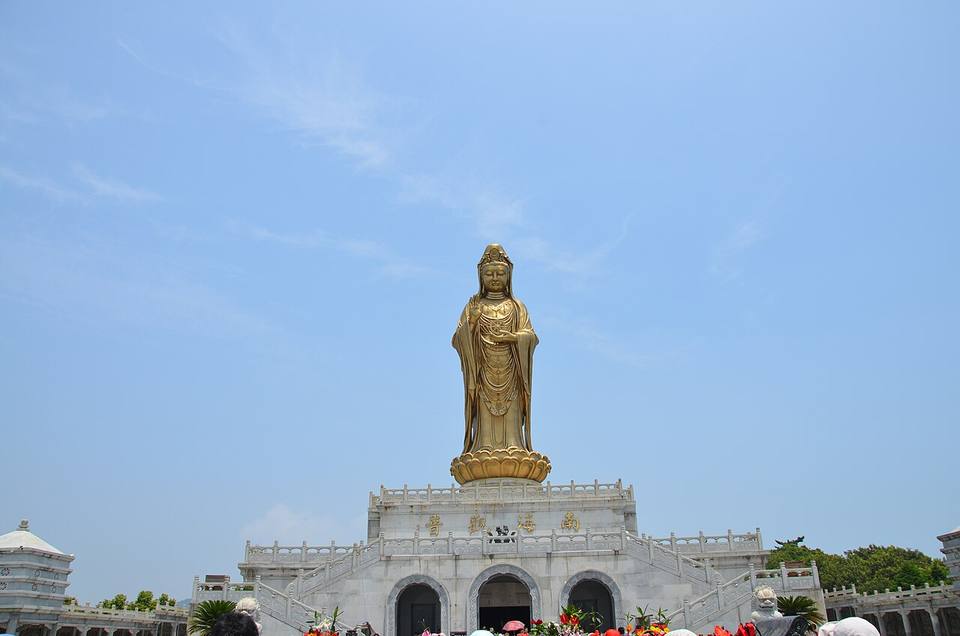
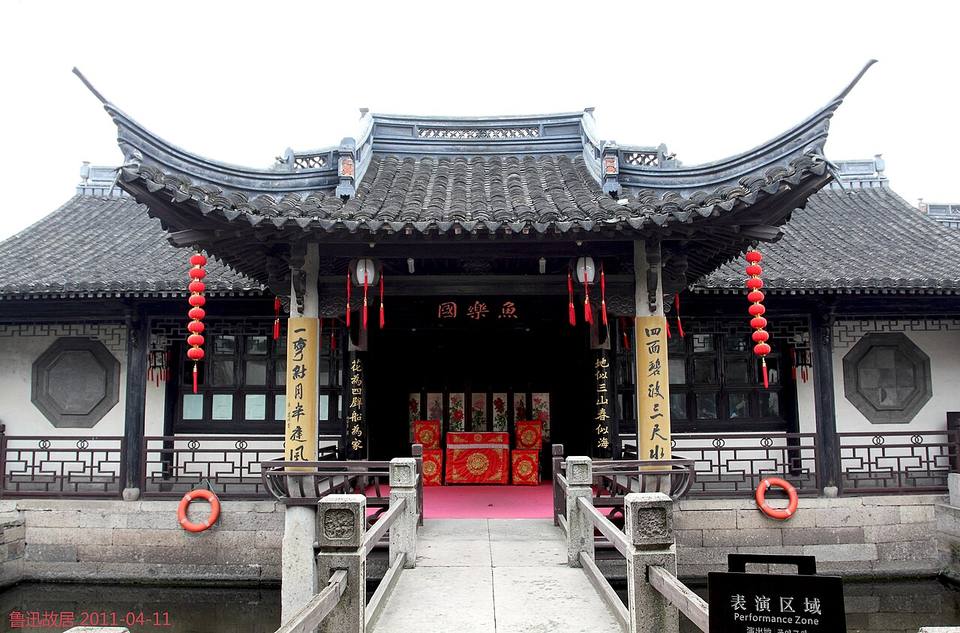
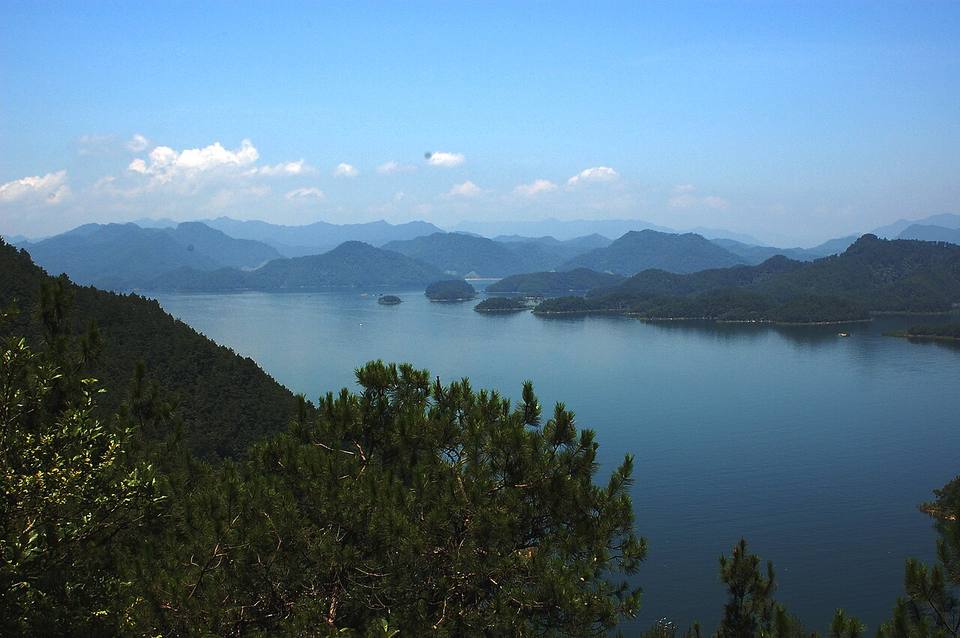
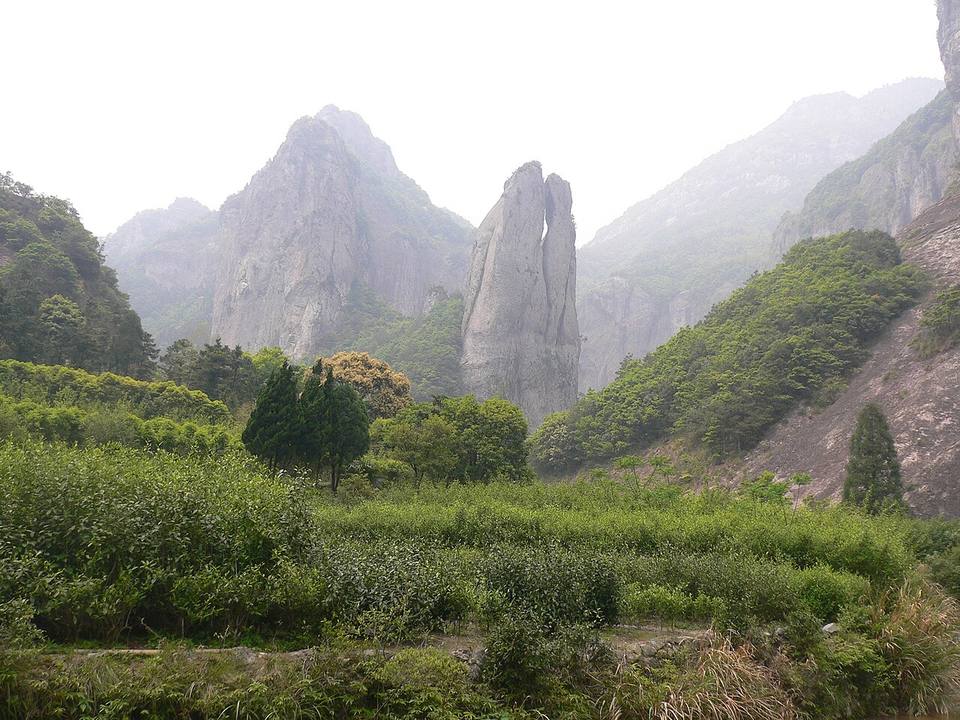
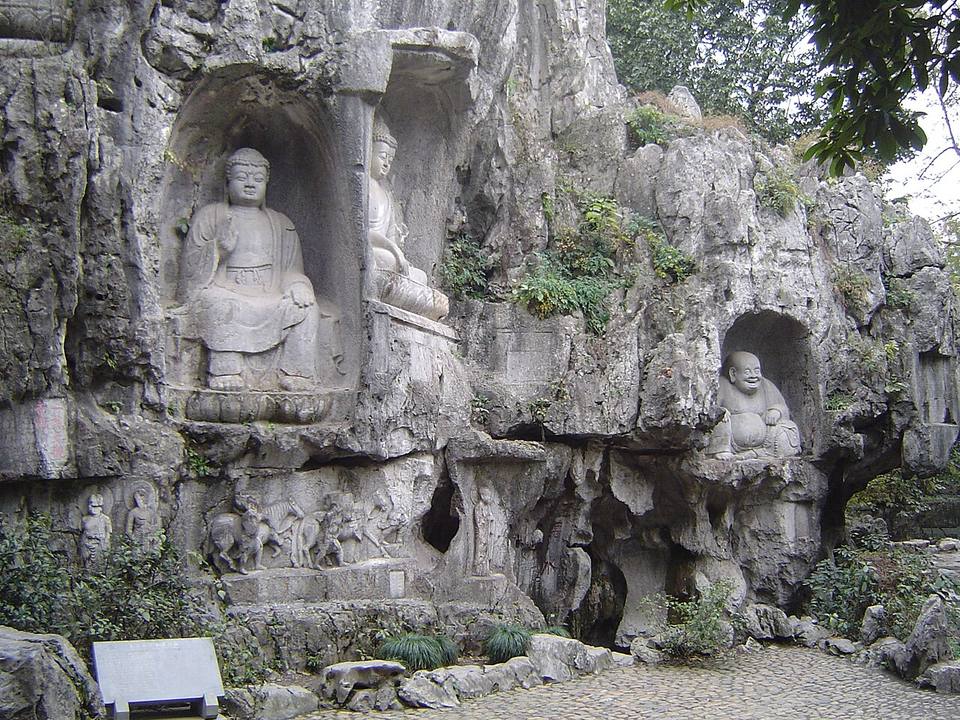
Lingyin TempleXihu District, Hangzhou, Zhejiang ProvinceLingyin TempleA great Chan (Zen) monastery of Jiangnan founded in the Eastern Jin; before you even pass the mountain gate, the grotto carvings on Feilai Peak — cut from the Five Dynasties to the Ming — let you read half a history of stone sculpture.Mount PutuoPutuo District, Zhoushan, Zhejiang ProvinceMount PutuoThe Guanyin sanctuary, a Buddhist kingdom on the sea: the 33-metre standing statue of the South Sea Guanyin guards the East China Sea, while the incense of the island's three great temples meets the briny freshness of a fishing-village island in a single mountain.Shaoxing Old Town (Lu Xun's Hometown & Yellow Rice Wine Culture)Yuecheng District, Shaoxing, Zhejiang ProvinceShaoxing Old Town (Lu Xun's Hometown & Yellow Rice Wine Culture)A museum-city without walls: the Three-Flavor Study and the Xianheng Tavern of Lu Xun's writings still stand where they always stood, and the aroma of yellow rice wine has been brewing from the days of Goujian, King of Yue, down to today.Qiandao Lake (Thousand Island Lake)Chun'an County, Hangzhou, Zhejiang ProvinceQiandao Lake (Thousand Island Lake)1,078 islands float on clear green water of high visibility — yet this "lake" is China's first large reservoir, impounded by the Xin'an River Dam in 1959, and two thousand-year-old towns still lie beneath it.Mount YandangYueqing City / Yongjia County, Wenzhou, Zhejiang ProvinceMount YandangSee the peaks by day, and at night they turn into beasts and figures — Yandang's signature is the "shape-shifting night view," where the same rock can tell three stories under the moon.