
City guide · Rīga
Riga
From the old-town riverbank to Art Nouveau architecture and the Central Market
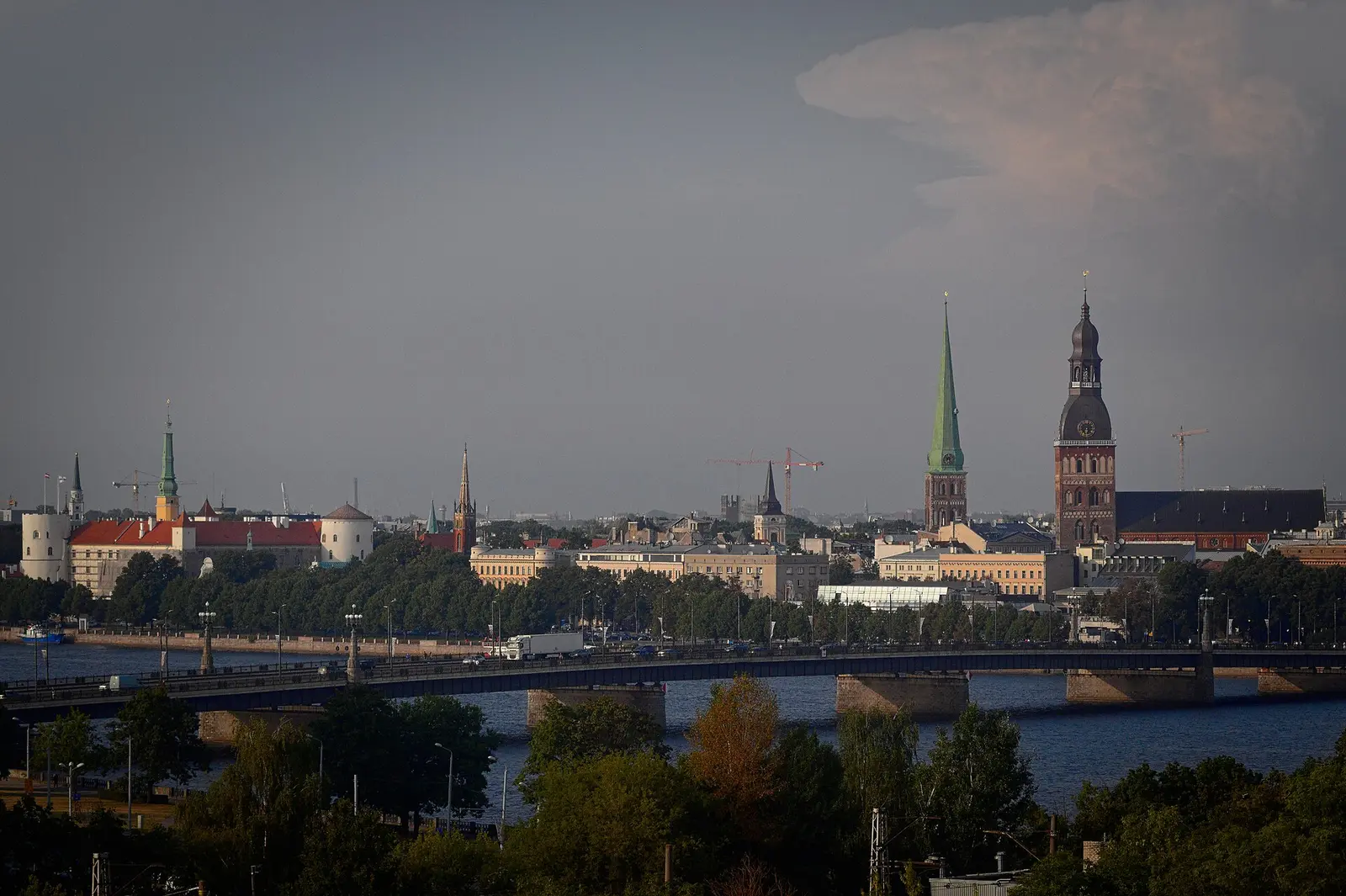
Riga Old Town already has its own entry; it is best to take in its outline from the bank of the Daugava, then walk to the squares, churches and old trading streets. Beyond the old town, the Art Nouveau district and the Central Market show sides of city life from the late 19th to the 20th century and today respectively. The market is a working shopping place, so respect the traders and residents when you visit. You can split your time in the city into half a day in the old town, half a day in the Art Nouveau district, and a stretch at the market and riverside; these areas are not a single World Heritage building, and one representative facade shouldn't be described as the whole district.
History
How the city came to be
Riga lies near where the Daugava flows out to the sea. Latvia's tourism organisation dates the founding of the city to 1201; it gained town rights in 1225 and joined the Hanseatic League in 1282. River-port trade from the 13th to the 15th century brought wealth, and churches, merchants' buildings and the street network formed the framework of the old town; fires and wars meant that many early buildings were rebuilt or lost. The city later came under different regimes, while the port remained an important node of regional exchange. Industrial expansion and new districts outside the city in the 19th century brought wooden suburbs, boulevards and Art Nouveau buildings into the cityscape. The World Heritage Committee placed particular value on its preserved medieval centre, 19th-century wooden architecture and abundant Art Nouveau buildings. Independence, war, occupation and restored independence in the 20th century continued to change Riga's society. In 1997 the Historic Centre of Riga was inscribed as World Heritage. Walking today from the riverbank to the old town, the architecture districts and the market, you can see how the city's stages relate in space, without attributing every facade to the same century.
- 1201Latvia's tourism organisation records that Riga was founded in this year.
- 1225Gained town rights.
- 1282Joined the Hanseatic League.
- 19th centuryIndustrial development and new districts changed the cityscape around the old town.
- Late 19th to early 20th centuryArt Nouveau buildings appeared in large numbers.
- 1918Latvia declared independence.
- 1991Latvia restored its independence.
- 1997The Historic Centre of Riga was inscribed as World Heritage.
Stories
Stories of the city
Traces of a Hanseatic city
History · Historic Centre of Riga
Riga was founded in 1201 and was an important Hanseatic city from the 13th to the 15th century. Most houses from that era were lost to fire or war and few survive, so many of the old buildings in today's Old Town have been rebuilt or restored.
A city of Art Nouveau
History · Historic Centre of Riga
From the late 19th to the early 20th century, Riga expanded rapidly and Art Nouveau apartment buildings went up in large numbers, making it the city with the highest concentration of Art Nouveau architecture in Europe. When UNESCO inscribed it, it described the quality and quantity of this architecture as unparalleled in the world.
How do you like this place?