
Historic Centre of Naples
Centro Storico di Napoli · Historic Centre, Naples, Italy
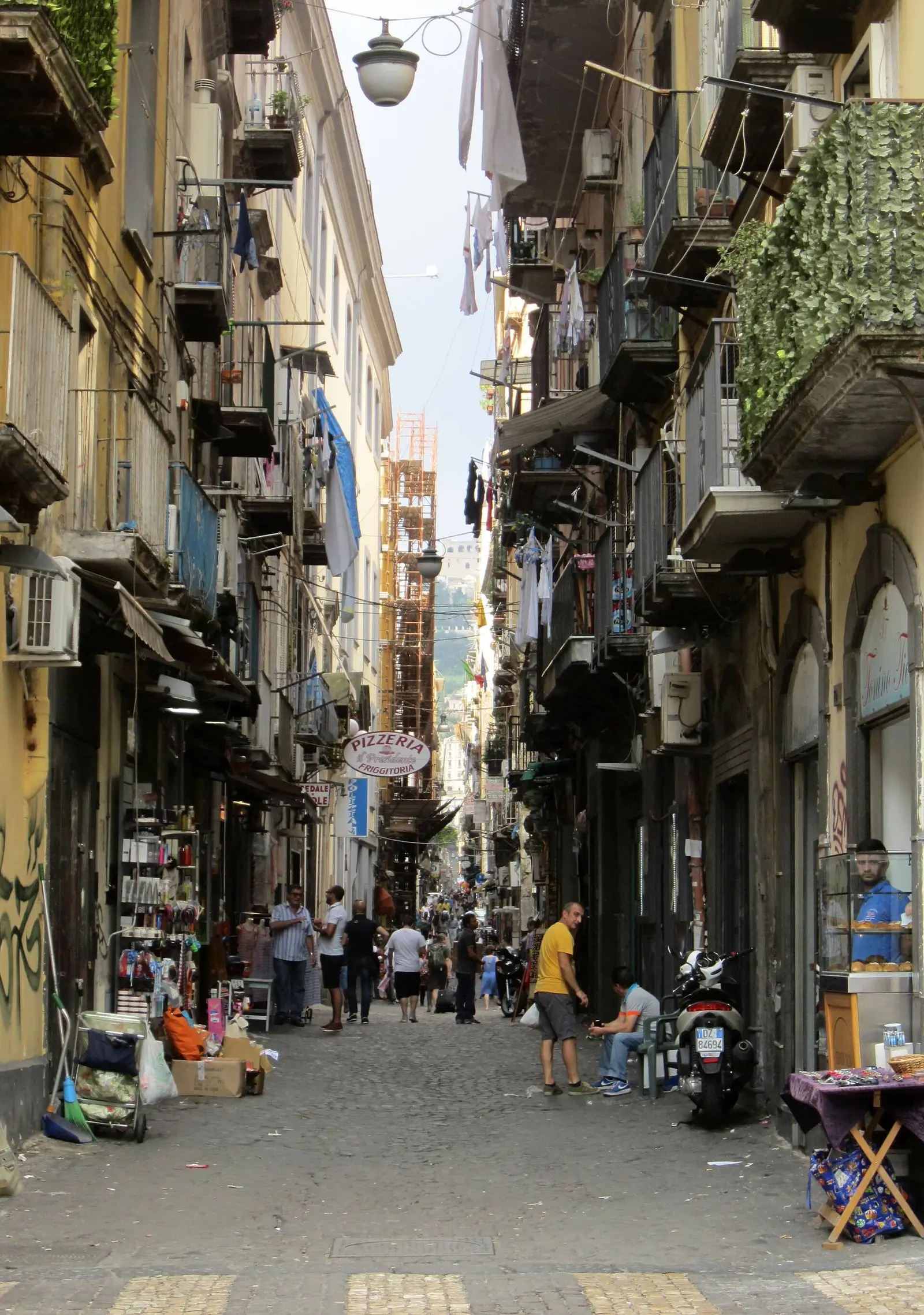
Follow a Greek street grid that is still in use and read the layered history of a port city across antiquity, the Middle Ages and the modern era.
Know before you go
- Do not assume the whole World Heritage area has a single entrance or one combined ticket
- do not block narrow streets or photograph residents at close range without asking, and do not treat Pompeii as part of the old town.
This article is Not yet verified. Please check official announcements for prices, opening hours and dates.
Culture
Culture & customs
Background
The Historic Centre of Naples was inscribed as a UNESCO World Heritage Site in 1995. Its significance lies not in a single church or square but in the ancient street layout that is still in use, the continuous fabric of buildings and the everyday social life. The Italian Ministry of Culture's heritage description notes that the grid plan of Greek Neapolis can still be traced today, and that the medieval, Aragonese, Spanish and Bourbon periods each added further layers of architecture on top of it. The site spans several neighbourhoods, so a "walkable reading route" is only a visitor itinerary, and a single map pin cannot stand for the boundary of the whole World Heritage Site. It is also different from Pompeii: Pompeii is an archaeological site outside the city, while the Historic Centre of Naples is a living urban district.
Local customs
- Spend your walking time on the streets, squares and building façades, then choose open churches or museums according to your interests. People still live and run businesses in the old town, so make way in narrow streets and do not linger photographing at house doors
- in churches where services are held, local worship and photography rules come first.
Religion & beliefs
- The historic centre contains churches and other Christian sites, but the old town as a whole is not a single managed religious site. When you enter an individual church, follow its dress, silence and worship rules
- when simply walking the streets, ordinary public-space etiquette applies.
Etiquette & taboos
Etiquette & taboos
Rules that apply here
Italy: Cover shoulders and knees in churches – the Vatican turns away those who do not
Do
- Cover your shoulders and knees, whether you are a man or a woman
- Take off your hat before going in
- Carry a scarf or cardigan and put it on before entering
- Switch your phone to silent and keep quiet
- Smaller churches vary: follow the notices and staff
Don’t
- Don't wear sleeveless or low-cut tops, shorts above the knee or miniskirts
- Don't walk around or take photos during Mass
The Vatican Museums, Sistine Chapel and St Peter's Basilica admit only appropriately dressed visitors and check at the door, so you can be stopped even after queuing; other major cathedrals often check too.
Verified Oct 19, 2026Source: Official site: Vatican Museums – Useful advice
Rome's Spanish Steps: no sitting, eating or drinking
Do
- Walk up the steps and keep moving after your photo
Don’t
- Sitting, resting, eating or drinking on the steps
Banned by Rome's urban police regulations since 2019; media report fines of €250, rising to €400 for dirtying or damaging the steps.
Verified Oct 19, 2026Source: ANSA: Rome bans sitting on the Spanish Steps (2019)
Don’t DON'T
- Do not assume the whole World Heritage area has a single entrance or one combined ticket
- do not block narrow streets or photograph residents at close range without asking, and do not treat Pompeii as part of the old town.
Locals appreciate DO
- Walk slowly along one clear route, noticing the scale of the streets and buildings from different periods
- respect the entrances of homes and shops
- check on-site signs before entering religious buildings.
Plan your visit
Practical info
Travel tips
- Allow 2–3 hours to walk one stretch of the main streets
- if you plan to visit churches, underground sites or several museums, set aside half a day or more. You can walk into the old town from near the National Archaeological Museum
- choose your end point first, then plan the route. The metro reaches the edges, but the core is best explored on foot. Each church and underground site has its own opening hours, booking and admission rules, so check each official website before you go. The map pin uses the heritage reference centre point published by UNESCO / the Italian Ministry of Culture and is for orientation only
- it does not mark the boundary or an entrance of the 1,021-hectare site.
How do you like this place?
More nearby
Also in Italy
Nearby sights
Colosseum
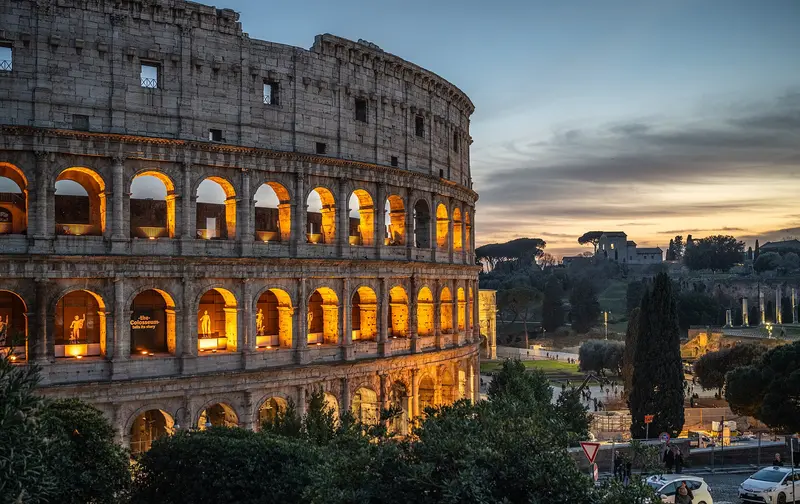
The heart of the empire, where gladiators' cries still seem to echo among the arches
Naples National Archaeological Museum
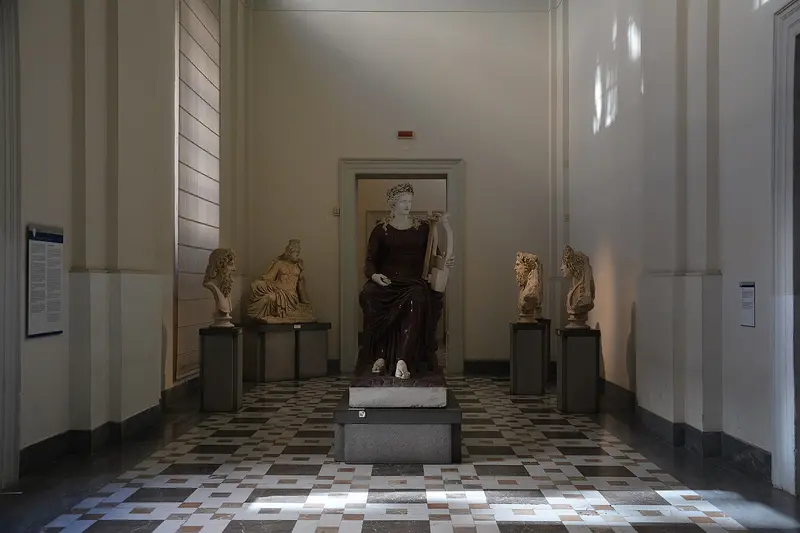
See the ruined city at Pompeii first, then come back to the museum to see how frescoes, mosaics and everyday objects tell the story of life ther…
Pinacoteca di Brera, Milan
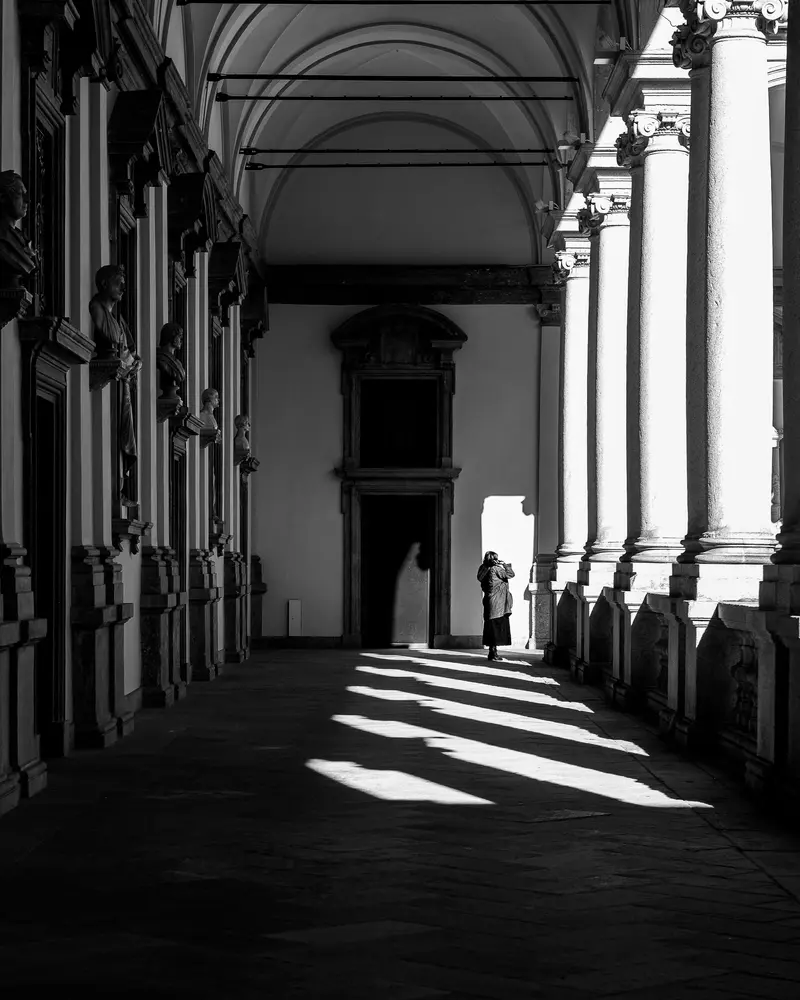
Read Italian painting in the former home of Milan's art academy, and discover how this public gallery grew out of teaching.
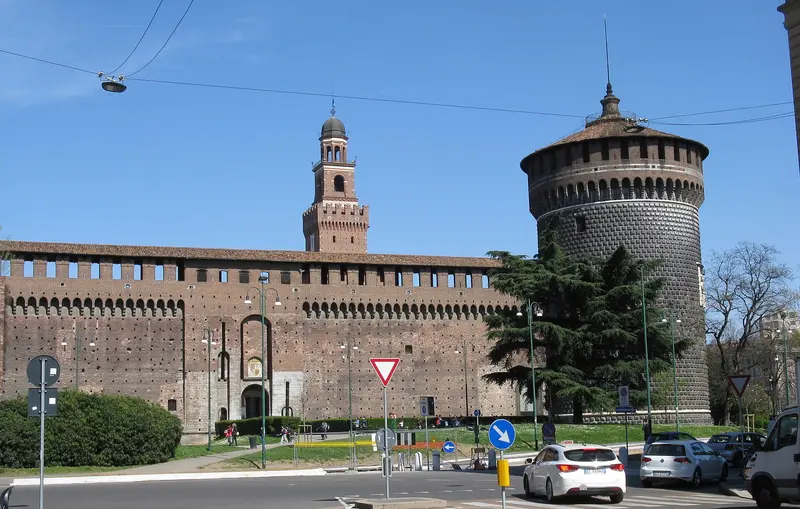
Sforza Castle, Milan
Walk from the seat of power of the Duchy of Milan into today's civic museums, and see how a castle's role kept changing.
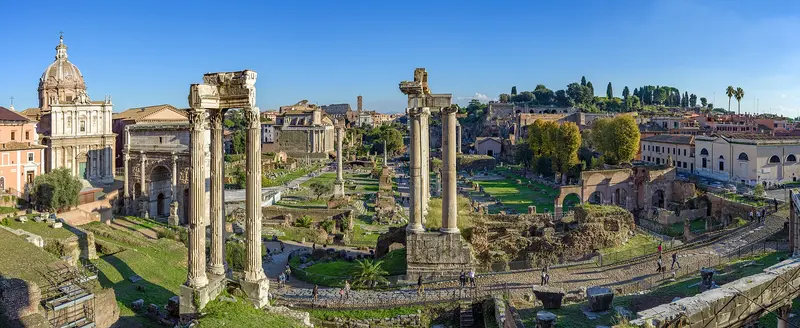
Roman Forum
The ruins of the centre of ancient Rome's political, judicial and religious life, where the Senate House, triumphal arches, temple platforms and…
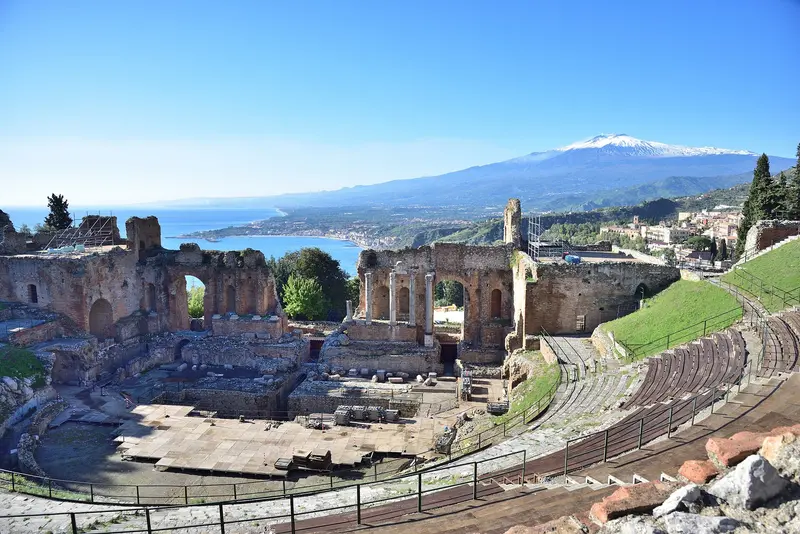
Taormina
The Greek Theatre, facing the sea with Mount Etna behind it, is one of Sicily's most photogenic ancient sites; Corso Umberto runs through Piazza…
Local legends
 Roman ForumRomulus and the ForumAccording to Rome's founding legend, the city was founded by the twins Romulus and Remus, who we…
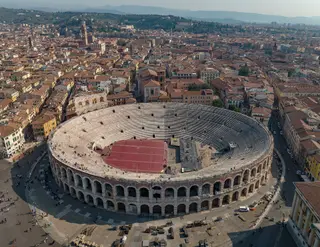 VeronaRomeo and JulietRomeo Montague and Juliet Capulet are fictional characters from Shakespeare's play, and the feud…
 Val d'OrciaGhino di Tacco, the brigand-heroRadicofani was home to the medieval brigand-hero Ghino di Tacco, and local tales tell of him rob…
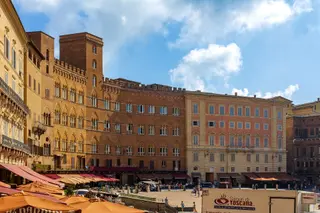 SienaFounded by the sons of RemusAccording to local legend, Siena was founded by Senius and Aschius, the two sons of Remus. The s…
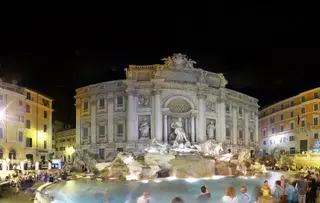 Trevi FountainStories of Trevi FountainFirst, to be clear: the coin story below is legend and custom, not history. Legend has it that w…
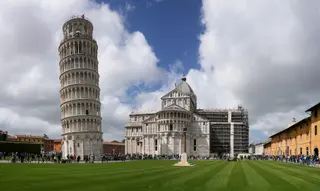 Leaning Tower of PisaStories of Leaning Tower of PisaTo be clear at the outset: Galileo dropping iron balls from the Leaning Tower is most likely leg…