

City guide · 旭川 Asahikawa
Asahikawa
Hokkaido's second city: a northern gateway settled by soldier-farmers, home to a famous zoo, sake and powder snow
Asahikawa is the second-largest city in Hokkaido and the gateway to the Daisetsuzan mountains, Sounkyo Gorge, and Furano. The city has more than 130 rivers and more than 740 bridges; its crafts, sake, and zoo are all well known, and winter is the season of powder snow and the snow festival. Also worth a visit in the city is Asahi Bridge, a steel bridge completed in 1932 and the symbol of Asahikawa; Heiwa-dori Shopping Park, running north from Asahikawa Station, is Japan's first permanent pedestrian street, lined with sculptures and small shops; and at the Otokoyama Sake Brewery Museum you can learn about sake brewing and taste the sake.
History
How the city came to be
Asahikawa is a northern Hokkaido hub built by soldier-settlers: Asahikawa Village was established in 1890 and tondenhei soldier-settlers soon arrived to open up the land, the city was established in 1922, Asahi Bridge was completed in 1932 and became the city's symbol, Heiwa-dori Shopping Park opened in 1972 as Japan's first permanent pedestrian street, and the city joined the UNESCO Creative Cities Network as a City of Design in 2019.
- 1890Asahikawa Village is established, and tondenhei soldier-settlers soon arrive to open up the land
- 1902In January a temperature of −41 °C is recorded, the lowest ever measured in Japan
- 1922The city is established on August 1
- 1932Asahi Bridge is completed and becomes the city's symbol
- 1972Heiwa-dori Shopping Park opens as Japan's first permanent pedestrian street
- 2000The city becomes a core city on April 1
- 2019On October 31 the city joins the UNESCO Creative Cities Network as a City of Design
Before you go
Rules to know in Asahikawa
There is no tipping in Japan
Do
- Say thank you with 'arigatō gozaimashita'
Don’t
- Pressing loose change on staff
Japan is a no-tipping country and bills usually include service; if you press a tip on staff, some will politely refuse.
Verified Oct 19, 2026Source: JNTO: Japanese table manners
Take off your shoes when you see a genkan (entrance step)
Do
- Take off your shoes at the entrance of homes, some restaurants, temples and hot-spring facilities
- If unsure, look for a shoe rack or slippers at the entrance
Don’t
- Stepping onto tatami or indoor wooden floors in shoes
It is seen as very rude.
Verified Oct 19, 2026Source: JNTO: Japanese etiquette
No phone calls on trains and the shinkansen; queue to board
Do
- Put your phone on silent; on the shinkansen, take calls in the area between carriages
- Queue at the marked spots on either side of the train door, and let people off before you get on
- Give priority seats to older people, pregnant women and passengers with limited mobility
Don’t
- Talking on the phone or playing sound aloud in the train
Not illegal, but you will get looks and a reminder from the conductor.
Verified Oct 19, 2026Source: JNTO: Japanese etiquette
Trips beyond the city
These places can be explored from this city but lie outside it. See each place for transport and visiting guidance.

Furano
Lavender fields and the Patchwork Road: a purple dream of northern summer

Blue Pond, Biei
Cobalt-blue water and dead trees: a dreamscape chosen as a Mac wallpaper

Mount Asahidake
Hokkaido's highest peak, an active volcano 2,290.9 metres high, with steaming fumaroles and Sugatami Pond below the summit mirroring the surroun…
Regional deep dives
Read deeper into each place
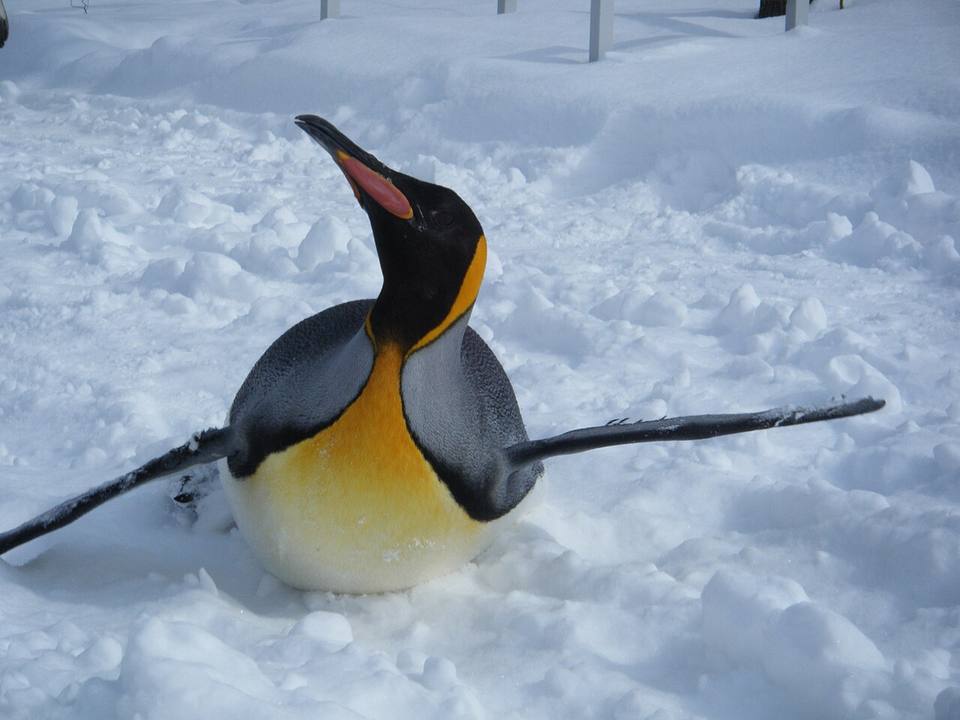
Hokkaido · Zoo / Family science education
Asahiyama Zoo
Japan's northernmost zoo, famous for "behavioral exhibits" — the animals act according to their nature, and people are just quiet observers.
Explore the local guide ↗Source leads: Asahiyama Zoo official site, Asahikawa City official tourism information, JNTO Asahikawa introduction.
Image source · 欅 (Keyaki) · CC BY-SA 3.0
Source leads are being checked individually; confirm travel details with local official notices.