
City guide · 北海 Beihai
Beihai
From the old treaty-port street to Silver Beach and Qiaogang: get to know the Beibu Gulf and Weizhou Island
Beihai lies on the coast of the Beibu Gulf, where an old treaty-port district, beaches, Qiaogang, home to returned overseas Chinese, and volcanic Weizhou Island make up different themes. Beihai Old Street is the place to read the history of the modern port, and Weizhou Island suits island landscapes; Silver Beach and Qiaogang are in the south of the city and can be visited on the same day, while Weizhou Island needs extra time for the ferry and an overnight stay. Other places worth visiting in the city: Beihai's modern historic buildings and the Hepu Han Dynasty Culture Museum. The latter is in Hepu County, far from the city, and needs a separate route.
History
How the city came to be
Beihai's development is tied to its coast, its port and the earlier history of the Hepu area. After the 1876 Chefoo Convention, Beihai was forced to open as a treaty port, and modern customs, consulates, trade and Western-style buildings shaped the cityscape around the Old Street. In the late 20th century Beihai became one of China's open coastal cities, and tourism, the port and services continued to change it. In 1979 a fishing commune was set up around today's Qiaogang Town to resettle overseas Chinese returning from Vietnam; the memories of the returnees, the fishing life and the Southeast Asian food here cannot be reduced to a commercial food street. The coastline of Silver Beach, the modern buildings of Beihai Old Street and the volcanic landscape of Weizhou Island tell stories of nature, the port and island history respectively. Weizhou Island is within Beihai's administrative area but lies across the sea, reached by boat from the passenger port, and sailings depend on sea conditions. When you visit, put the Old Street and Qiaogang on a city day, give Weizhou Island at least one day of its own, and respect the coastal ecology and the daily life of Qiaogang's residents.
- 1876After the Chefoo Convention, Beihai opened as a treaty port.
- Late 19th centuryCustoms, trading houses and other port facilities gradually appeared.
- First half of the 20th centuryModern districts such as Zhuhai Road continued to develop.
- 1979A fishing commune was set up around Qiaogang to resettle overseas Chinese returning from Vietnam.
- 1984Beihai was listed as an open coastal city.
- 1987Changes to Qiaogang Town's name led to its present name.
- 21st centurySilver Beach, the Old Street, Weizhou Island and Qiaogang became the main threads of culture and tourism.
- 2020sBeihai continues to develop coastal tourism and to protect its islands and historic districts.
Stories
Stories of the city
Pearls return to Hepu
History · Beihai Old Street
In the Eastern Han dynasty, Hepu Commandery grew no grain and traded its coastal pearls with neighbouring Jiaozhi for food. Earlier officials over-harvested the pearl oysters until the beds were exhausted; when Meng Chang became governor of Hepu he introduced sensible harvesting, and within a year the pearls had recovered. The episode is recorded in the Book of the Later Han and became the idiom "pearls return to Hepu," meaning something lost has been regained.
Must see
Places you shouldn’t miss
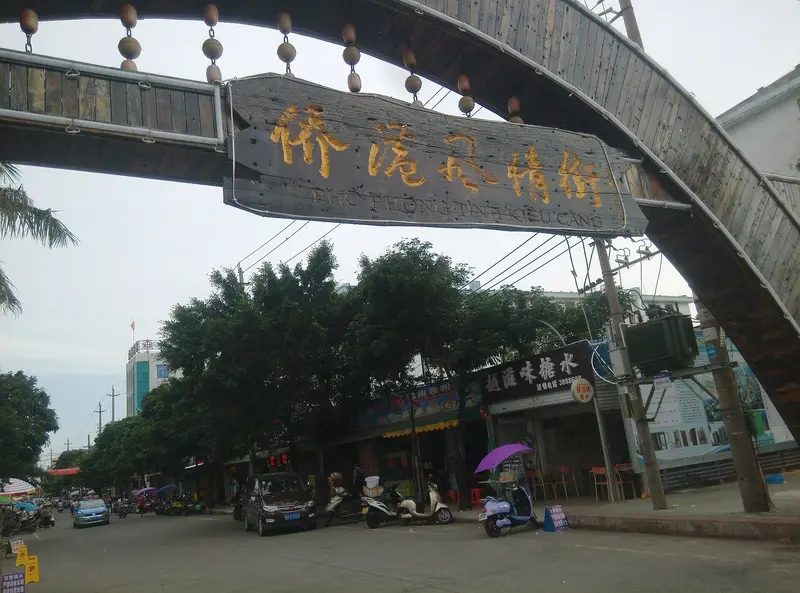
Qiaogang Street
Start from the returned overseas Chinese community and its fishing history, then get to know Qiaogang's food street today.
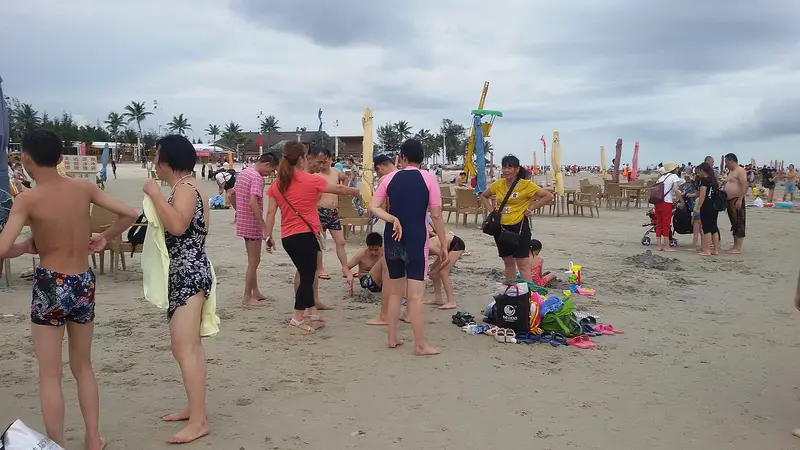
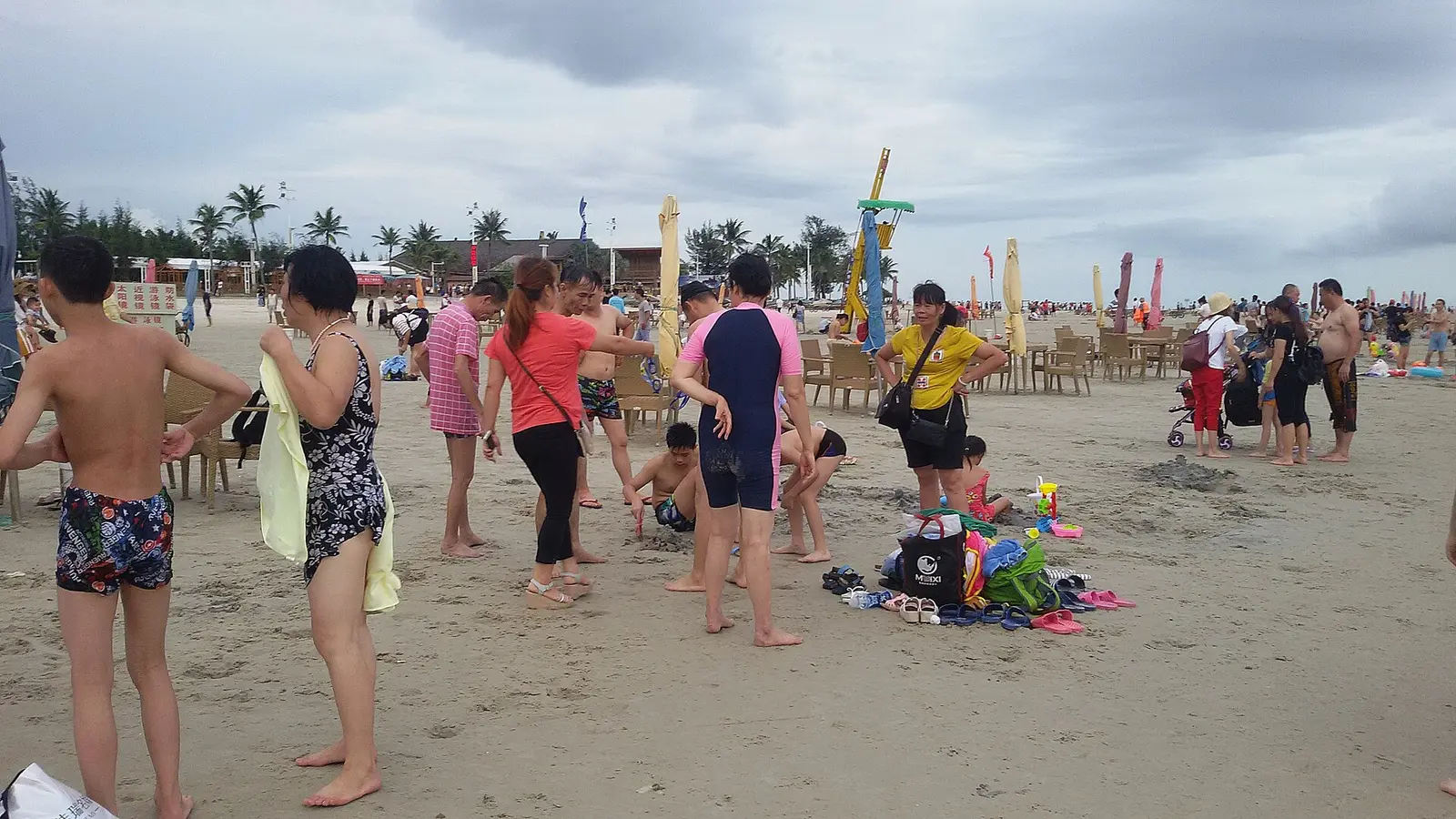
Beihai Silver Beach
Look out to sea from a beach on the Beibu Gulf, and learn the limits of beach opening and sea safety.

Beihai Old Street
An arcade-lined old street centred on Zhuhai Road, about 1.4 kilometres long, where Sino-Western arcade facades run on and on past former consul…
Before you go
Rules to know in Beihai
China: At Qingming tomb-sweeping, no burning paper or open flames in wooded areas
Do
- Check whether the cemetery requires a reservation before you go
- Stay quiet while laying flowers, bowing and observing silence
- Consider flowers, tree planting or online memorials instead of burning paper
- Dress soberly for tomb-sweeping
- Take offering wrappers and rubbish with you when you leave
Don’t
- Don't burn paper, incense or candles, or set off firecrackers, in woods or grassland
- Don't talk loudly or joke around in the cemetery
- Don't block cemetery paths for long to take photos
During fire-prevention periods, burning paper, incense and candles is strictly banned in forest and grassland fire zones, and anyone who starts a wildfire may be held legally liable. Whether and where a cemetery allows burning is set by its own rules on site.
Verified Oct 19, 2026Source: Xinhua: Two departments deploy safety measures for the Qingming holiday
China: Go through security before the metro, and park shared bikes in marked zones
Do
- Cooperate with the security check at the entrance and put bags through the scanner
- On the platform, wait beside the doors and let passengers off first
- Register with your real name in the app before riding a shared bike
- Park in a marked bay or an app-designated spot, and make sure the lock clicks shut
- If the brakes or lock don't work, switch bikes and report it in the app
Don’t
- Don't linger in the doorway or force your way through closing doors
- Don't leave bikes in traffic lanes, fire lanes or on tactile paving
- Don't let children under 12 ride shared bikes
If you refuse the security check you will not be let into the station. Badly parked bikes are removed, and riders may face action under local rules and the operator's terms.
Verified Oct 19, 2026Source: People's Daily Online: Beijing issues standards for shared bike technology, services, parking
China: No smoking anywhere on high-speed trains, and no phone calls in quiet carriages
Do
- Sit in the carriage and seat shown on your ticket
- Put large luggage in the racks at the carriage ends or overhead
- Use headphones for videos and music
- In a quiet carriage, step outside to make or take calls
- Before getting off, check around your seat and take your rubbish and belongings
Don’t
- Don't smoke anywhere on the train, including toilets and vestibules
- Don't take someone else's seat
- Don't choose a quiet carriage when travelling with babies or toddlers (12306 advises against it)
Smoking on a bullet train can set off smoke alarms and slow or even stop the train. Smokers are fined by the police and, according to reports, may also be barred from buying bullet-train tickets; official rules prevail. If someone breaks the quiet-carriage rules, tell the train staff.
Verified Oct 19, 2026Source: Travel China Guide: Smoking on Chinese trains
China: Stay on open sections of the Great Wall and never carve the bricks
Do
- Walk only on open sections and marked routes
- On steep stretches, stop and steady yourself before taking photos, and watch your step
- Wear non-slip shoes, carry enough water, and turn back if you are tired
- Carry your rubbish down or put it in a bin
- Check opening arrangements before you go; official announcements prevail
Don’t
- Don't carve, write on or prise loose the bricks
- Don't climb over fences or onto closed, crumbling walls and watchtowers
- Don't run or push on steep sections
Carving the Great Wall counts as damaging a cultural relic: one visitor who carved his name at Badaling was given administrative detention and a fine by the police and was blacklisted by the scenic area. Closed sections are not maintained and can be dangerous.
Verified Oct 19, 2026Source: China News Service: Man detained for five days and fined 200 yuan for carving on the Badaling Great Wall
China: book popular sights in advance, under your real name, through official channels
Do
- Check the booking rules on the site's official website, mini program or account before you go
- Enter every companion's ID details in advance and pick an entry time slot
- Children, seniors and others with free or reduced tickets also book as required and show ID
- Book early for holidays and summer; popular dates often fill quickly
Don’t
- Don't trust third parties offering to grab tickets or sell 'insider' tickets
- Don't assume a free ticket means no booking is needed
- Don't count on buying tickets at the gate on peak days
Once a popular date is fully booked, you may be turned away. China's Ministry of Culture and Tourism requires sites to keep in-person ticket windows and to accommodate seniors and others, but on-site quotas are limited; booking windows, release times and visitor caps are subject to official announcements.
Verified Oct 19, 2026Source: China Daily: Ministry of Culture and Tourism requires all scenic areas to keep ticket windows
China: set up mobile payment before you go; hotels and tickets are booked under your passport
Do
- Link a foreign bank card to Alipay or WeChat Pay before departure
- Carry some cash in yuan for small stalls, remote areas or payment glitches
- Expect real-name checks at hotels, for train tickets and popular sights; use your passport
- Make sure the name and number on bookings match your passport exactly
- If a station gate cannot read your passport, use the staffed lane
Don’t
- Don't wait until you arrive to set up payment; verification can take time
- Don't assume cash alone or a bank card alone will work everywhere
- Don't book with details that differ from your passport
Without a working payment method, or with mismatched ID details, you may be unable to check in, buy tickets or enter sights. Payment limits, fees and platform rules are subject to official announcements.
Verified Oct 19, 2026Source: Gov.cn: Payment services for foreign visitors to China
Show 19 more rules
China: Queue, don't smoke where banned, and never carve on heritage sites
Do
- Wait your turn in line, and follow staff directions when it's crowded
- On buses and the metro, let passengers off first and offer seats to those in need
- Book popular sights and museums in advance, under your real name, through official channels
- Sort your rubbish into the right bins
- Use serving chopsticks and spoons, and order only what you can eat
Don’t
- Don't cut in line or walk side by side blocking the way
- Don't smoke where it is banned; many cities ban smoking in indoor public places and on public transport
- Don't carve or write on historic buildings or ancient trees, or climb on or touch relics
- Don't use flash or tripods in exhibition halls
- Don't talk loudly or play music out loud in public places
Staff will stop you from queue-jumping, smoking where banned or marking relics, and smoking in no-smoking areas or damaging relics can also lead to fines under the law. Fine amounts, booking methods and opening hours are as officially announced.
Verified Oct 19, 2026Source: Palace Museum official site: Visit
China: People live in ancient towns, so don't walk into courtyards or block the lanes
Do
- Keep to open routes and paved paths
- Ask before photographing residents or life inside their courtyards
- When taking photos in narrow lanes or on bridges, let pedestrians and residents pass first
- Watch children closely and keep them away from unfenced water
Don’t
- Don't push open a closed courtyard gate and walk in
- Don't stand in groups blocking lane entrances, bridges or shop doors
- Don't smoke or use open flames among densely packed wooden buildings
Many ancient towns are still lived in: Pingyao's old city is home to more than 20,000 people, and walking into courtyards or blocking lanes disrupts their lives. Old quarters are full of wooden buildings where fire spreads fast; in 2014 a fire destroyed most of Dukezong old town in Shangri-La.
Verified Oct 19, 2026Source: Chinese Wikipedia: 平遥古城
China: At a Taoist temple, don't disturb rituals and offer incense the temple's way
Do
- Dress neatly; no vests, shorts or slippers in the halls
- Use the temple's own incense and light it at the designated burner
- Go through hall doorways at one side, not down the middle
- If you don't know the rites, watch quietly and follow staff directions
Don’t
- Don't walk through, take photos or make calls during a ritual or chanting
- Don't blow out the flame on lit incense; fan it out with your hand
- Don't burn incense or paper anywhere other than the designated burners
Taoist temples are places of practice for priests and worship for believers. Interrupting a ritual or showing disrespect to the deities offends those present, and staff will step in. Customs vary slightly between temples, so follow the signs on site.
Verified Oct 19, 2026Source: Visit Beijing: How to visit a Chinese temple
China: In a Yi home, never step over the hearth or on the guozhuang stone
Do
- Walk around the hearth rather than across it
- When your host offers liquor, take at least a sip to show appreciation
- If you don't drink, say so quietly in advance
- Enter bedrooms and other private rooms only with your host's permission
Don’t
- Don't step over the hearth or on the guozhuang stone behind it
- Don't bring horse, mule, dog, cat or monkey meat, which many Yi do not eat
- According to travel guides, avoid praising a child as pretty or chubby
- Don't refuse or mock a toast loudly in front of others
In many Yi homes the hearth is the centre of the household, and stepping over or on it is taken as an affront. Liquor is central to Yi hospitality, as the saying goes: "The Han honour guests with tea, the Yi with liquor." Decline gently.
Verified Oct 19, 2026Source: Visit Our China: Tips for travelling in ethnic minority areas
China: As a guest in a Uyghur home, step over the threshold and treat naan with care
Do
- Step over the threshold, and take off your shoes and use slippers as your host indicates
- When the host brings water for washing hands before the meal, join in and dry your hands with the towel
- Accept tea and anything handed to you with both hands
- When an elder leads the prayer after the meal, stay seated and quiet
- For a gift, choose fruit, pastries or halal food
Don’t
- Don't shake the water off your hands after washing
- Don't place naan upside down or throw it in the bin
- Don't pick through food on the shared plate
- Don't put food you have already taken back on the shared plate
Most Uyghurs are Muslim, and naan is especially valued in daily life. Handling naan carelessly, or moving about and talking during the prayer after the meal, is seen as disrespect to your host and their faith.
Verified Oct 19, 2026Source: Far West China: Uyghur customs for hosting and being hosted
China: As a guest in a Mongolian herder's home, never step on the threshold and respect the hearth
Do
- Traditionally, call out at the door and wait for the host to come and greet you
- Accept milk tea and liquor with both hands or your right hand, sleeves down
- When the host offers liquor, at least touch it to your lips; if you can't drink, explain politely
- When you receive a hada scarf, lean forward slightly to show thanks
Don’t
- Don't step on the threshold when entering or leaving
- Don't warm your feet or dry your shoes and socks on the stove
- Don't sit next to the Buddhist shrine
- Don't touch children's heads
In traditional Mongolian belief, stepping on the threshold or drying shoes and socks over the hearth shows disrespect to the host's family, and it can embarrass a host who has welcomed you warmly.
Verified Oct 19, 2026Source: Visit Beijing: Mongolian hospitality etiquette
China: When visiting a Tibetan home, don't step on the threshold or touch anyone's head, and leave a little butter tea
Do
- Take the tea with both hands when your host holds it out with both hands
- You needn't finish your butter tea; your host will refill it, and leave a little when you go
- When offered barley wine, you may flick a drop into the air three times with your ring finger, then drink in three sips as it is refilled
- When your host presents a khata, bow slightly to receive it and thank them with palms together
- Add "la" after a person's name as a polite form of address
Don’t
- Don't step on the threshold when you enter
- Don't touch anyone's head, including children's
- When sitting cross-legged, don't point your soles at people or the altar
- Don't spit or clap your hands behind someone's back
In many Tibetan homes, stepping on the threshold, touching someone's head or pointing your soles at people is clearly offensive, and ignoring tea and drinking customs can confuse your hosts. If you don't drink, just touch the cup to your lips.
Verified Oct 19, 2026Source: Xinhua (via CPPCC News): How Tibetan families host guests
China: Take off your shoes in Dai homes and temples, and never pat a novice monk's head
Do
- Take off your shoes before entering a Dai bamboo house or temple
- Walk softly indoors and follow your host's lead
- Smile when you are splashed during the Water-Splashing Festival; it is a blessing
- If your host ties a blessing thread on your wrist, accept it gladly
Don’t
- Don't touch a novice monk's head or touch Buddha images
- Don't step over the hearth or touch it with your feet
- Don't go into the host's inner rooms uninvited
- Don't enter a village that is closed for a village-spirit ceremony
In many Dai villages, touching a novice monk's head is seen as offensive, and the hearth and inner rooms carry traditional taboos; breaking them will be firmly corrected by your hosts. Customs differ between villages, so heed your host's reminders.
Verified Oct 19, 2026Source: Wikipedia: Water-Splashing Festival (Chinese)
China: In Dong villages, respect the drum tower and the Sa altar, and ask before entering when a rope knot hangs at the gate
Do
- If wine blocks the way into the village, take at least a sip before passing
- At the drum tower, greet the elders sitting there first
- At rites honoring Sa, follow the village elders or your host
- At a get-together banquet, respond to toasts and don't leave before it ends
- If a rope knot hangs on the village gate, get villagers' approval before entering
Don’t
- Don't be loud in the drum tower or beat its drum on your own
- Don't spit or litter on wind-and-rain bridges
- Don't enter the Sa altar (Sama shrine) without permission
- Don't casually touch other people's silver jewelry or clothing
The drum tower is the village's public gathering place, and the Sa altar honors Sama, the ancestral goddess the Dong revere; disrespectful behavior will be stopped by villagers and makes hosts feel you lack manners. Customs differ between villages, so follow your host.
Verified Oct 19, 2026Source: China Today: Back in Time: Visit to a Dong Village
China: Dress modestly at mosques, bring no pork products, and don't eat in public during Ramadan
Do
- Cover your shoulders and knees; women should wear a headscarf where required
- Where shoes must come off, leave them in the designated place
- Watch prayers quietly, and avoid the Friday midday congregational prayer if you can
- Respect halal dietary rules when eating with Muslims, and don't press them to drink
Don’t
- Many mosques close the main prayer hall to non-Muslims; don't enter without permission
- Don't take photos or talk loudly during prayers
- Don't bring pork or pork products into a mosque or halal restaurant
- Don't bring your own alcohol to a halal table
- During Ramadan, don't eat, drink or smoke in front of people who are fasting in daytime
Islam forbids pork and alcohol, so bringing pork products into a mosque or halal restaurant deeply offends believers and may get you asked to leave. Prayer times and open areas differ from mosque to mosque; follow the notices on site.
Verified Oct 19, 2026Source: Wikipedia: Great Mosque of Xi'an
China: Walk clockwise at Tibetan Buddhist monasteries and don't touch images or ritual objects
Do
- Walk clockwise around stupas, monasteries and prayer wheels
- Check before visiting a Bon monastery: Bon tradition circles counterclockwise
- Remove hats and sunglasses in halls; cover your arms and legs
- Ask before taking photos and watch for no-photo signs in halls
- Keep your voice low and make way for prostrating pilgrims
Don’t
- Don't touch Buddha images, scriptures or ritual objects
- Don't strike ritual bells or drums, or step over ritual objects and incense burners
- Don't point at Buddha images
- Don't smoke in the monastery
- Don't point your camera straight at pilgrims' faces
Circling the wrong way, touching sacred objects or taking photos without permission will be stopped by monks or staff and offends pilgrims. Some monasteries ban photos in the halls or charge for them; follow the rules on site.
Verified Oct 19, 2026Source: China Tibet Online: Tibetan Taboos
China: Move quietly in temples, never touch Buddha images, and check the signs before taking photos
Do
- Wear clothes that cover your shoulders and knees; remove hats and sunglasses in the halls
- Walk slowly and quietly, and give worshippers room
- Check the signs before taking photos; ask staff if unsure
- Use the incense the temple provides and burn it at the designated burner
- If you'd rather not take part in a ritual, simply watch quietly
Don’t
- Don't touch or climb on Buddha images or altars
- Don't point at Buddha images
- Don't step on hall thresholds or block worshippers' way
- Don't bring your own incense or carry lit incense into a hall
Noise, photos or touching images inside the halls will be stopped by staff and offend worshippers. Many temples ban photography inside the halls, and incense and visiting rules differ from temple to temple; follow the notices on site and official announcements.
Verified Oct 19, 2026Source: Beijing Daily: Yonghe Temple notice for Spring Festival visitors
China: When paying New Year visits, don't open red envelopes in front of the giver or compare amounts
Do
- Arrange a time before visiting, avoiding mealtimes and late evenings
- On arrival, greet the elders first with New Year wishes
- Children should take red envelopes with both hands and say thank you
- Check local rules before setting off fireworks; many big cities ban them in urban areas
Don’t
- Don't open and count a red envelope in front of the giver
- Don't compare or ask about the amount in a red envelope
- Don't open with talk of income or pressure people about marriage or children
New Year money carries elders' wishes for the younger generation's health and safety, so opening it on the spot or comparing amounts embarrasses everyone. Setting off fireworks in a no-fireworks zone is punishable under local rules.
Verified Oct 19, 2026Source: Touch Shanghai: The origins of New Year money and red envelopes
China: At business banquets, exchange cards with both hands and sit where the host directs
Do
- Offer and accept business cards with both hands, and read a card before putting it away
- Address people by surname plus title, such as "Wang Zong" (President Wang) or "Li Jingli" (Manager Li)
- Let the most senior person on your side lead and greet first
- Wait for the host to seat you; the host decides where the guest of honour sits
- The host who issued the invitation usually pays, so guests needn't fight over the bill
Don’t
- Don't write on someone's card or stuff it straight into a pocket or wallet
- Don't address people by their given names
- Don't press for terms that haven't been agreed during the meal
Getting cards, forms of address or seating wrong won't be penalised, but it can embarrass the host and the guest of honour. In Chinese business, a banquet is itself an important courtesy.
Verified Oct 19, 2026Source: Touch Shanghai: Remembering Chinese etiquette for doing business
China: At night markets, queue properly, have payment ready and keep walkways clear
Do
- Check which way the queue runs at each stall and wait your turn
- Decide what to order and have your payment ready before you reach the front
- Confirm the price and portion size before paying
- Ask before taking close-up photos of vendors or customers
- Order one portion to try first, and take away what you can't finish
Don’t
- Don't cut in line or have friends save places for you
- Don't linger right in front of a stall or in the middle of a narrow aisle
- Don't drop skewers, soup or food containers on the ground
Queue-jumpers and people blocking the way will be told off by vendors and others waiting, and littering spoils it for everyone. QR-code payment is common, but stalls differ in what they accept, so have a backup payment method.
Verified Oct 19, 2026Source: Jiangmi Travel: Visiting a Chinese morning market, a first-time traveler guide
China: In an ethnic Korean home, put elders first in everything
Do
- Greet the elders respectfully as soon as you enter
- Walk behind elders, and step aside to let them pass
- Place the best dishes in front of elders and wait for them to start eating first
- Use both hands to pour for, hand things to, or receive things from elders
Don’t
- Don't smoke in front of elders
- Don't sit down or start eating before the elders do
Ethnic Korean families value respect for elders highly, so starting to eat first or smoking in front of elders is seen as rude. Urban families vary in how strictly they keep these customs, so follow your host's lead.
Verified Oct 19, 2026Source: Facts and Details: Ethnic Korean Chinese life and culture
China: Avoid giving clocks, umbrellas or pears, and wrap gifts in festive colors such as red
Do
- Wrap gifts in festive colors such as red and gold
- Avoid sets of four; six and eight are popular numbers
- Give and receive gifts with both hands
- If the recipient declines at first, insist a little; this is often politeness
Don’t
- Don't give clocks or watches, especially to elders: "giving a clock" sounds like "attending a deathbed"
- Don't give umbrellas or pears to couples: they sound like "separate" and "part"
- Don't give shoes, and avoid white or black wrapping
- Don't give white chrysanthemums, which are mostly used at funerals
- Don't press the recipient to open the gift in front of you
Taboos based on sound-alike words and colors are still taken seriously by older people and on formal occasions, and the wrong gift causes embarrassment; younger people and everyday settings are more relaxed.
Verified Oct 19, 2026Source: Visit Beijing: Taboos in gift-giving
China: At banquets, let your host seat you and keep your glass slightly lower than your elders' when toasting
Do
- Wait for your host or the eldest to seat you; the seat of honor is usually in the center, backing onto the wall
- Start eating only after your host or the elders have picked up their chopsticks
- Toast elders and the guest of honor first, and keep your glass slightly lower when clinking
- If you'd rather not drink, toast with tea or a soft drink and say so
- When someone pours you tea, you can tap the table lightly to say thanks
Don’t
- Don't stick your chopsticks upright in a bowl of rice
- Don't tap your bowl with your chopsticks
- Don't point at people with chopsticks or rummage through shared dishes
- Don't talk with your mouth full or be loud at the table
These are customary courtesies; you usually won't be scolded for missing them, but hosts and elders will find it impolite. Chopsticks stuck upright resemble incense offered to the dead, and tapping a bowl evokes begging.
Verified Oct 19, 2026Source: Wikipedia: Chinese table manners (Chinese)
China: In Miao villages, a symbolic sip of the gate-blocking wine is enough; toast the elders first
Do
- When offered gate-blocking wine, take the cup and touch it to your lips; hosts generally understand
- At the table, toast the elders first; stand to accept a toast and say thanks
- When the host divides chicken and other dishes, accept what you are given
- Make way for elders, offer them seats and greet them first
Don’t
- Even if you don't drink, don't push the cup away
- Don't help yourself to the portions the host has set aside for elders or guests of honor
- Don't call Miao people "Miaozi"; this old term is derogatory
In many Miao villages the gate-blocking wine is a formal welcome, and refusing it bluntly makes hosts feel you have rejected their hospitality; using the wrong name offends them. Customs vary between villages, so follow your host's lead.
Verified Oct 19, 2026Source: Huaihua Municipal Government: Etiquette of the Miao ethnic group
Regional deep dives
Read deeper into each place

Haicheng District, Beihai, Guangxi Zhuang Autonomous Region · Island / Volcano
Weizhou Island
China's youngest volcanic island: the Crocodile Mountain crater, sea-eroded cliffs and a French Gothic Catholic church on one island, with a fishing village's slow island life hidden among banana groves.
Explore the local guide ↗Source leads: Weizhou Island tourism zone official site; Beihai Municipal Bureau of Culture and Tourism; geopark volcanic materials.
Image source · Icefox06 · CC BY-SA 3.0
Source leads are being checked individually; confirm travel details with local official notices.
How do you like this place?
More cities in Guangxi

桂林 Guilin
Guilin
The river a green silk ribbon, the mountains like jade hairpins — the Li River landscape sings together with a thousand-year prefectural city

南宁 Nanning
Nanning
3 places
Get to know Guangxi's capital along the Yong River, and understand Guangxi through mountain forests and two different museums
Sources
- National Archives Administration: Beihai as a port and its opening in 1984
- Overseas Chinese Affairs Office of the State Council: resettlement and fishing history of Qiaogang
- People's Daily: changes to Qiaogang Town's name
- National Ethnic Affairs Commission: returnee memories and food in Qiaogang
- Guangxi Department of Culture and Tourism: separate-day routes for central Beihai and Weizhou Island