
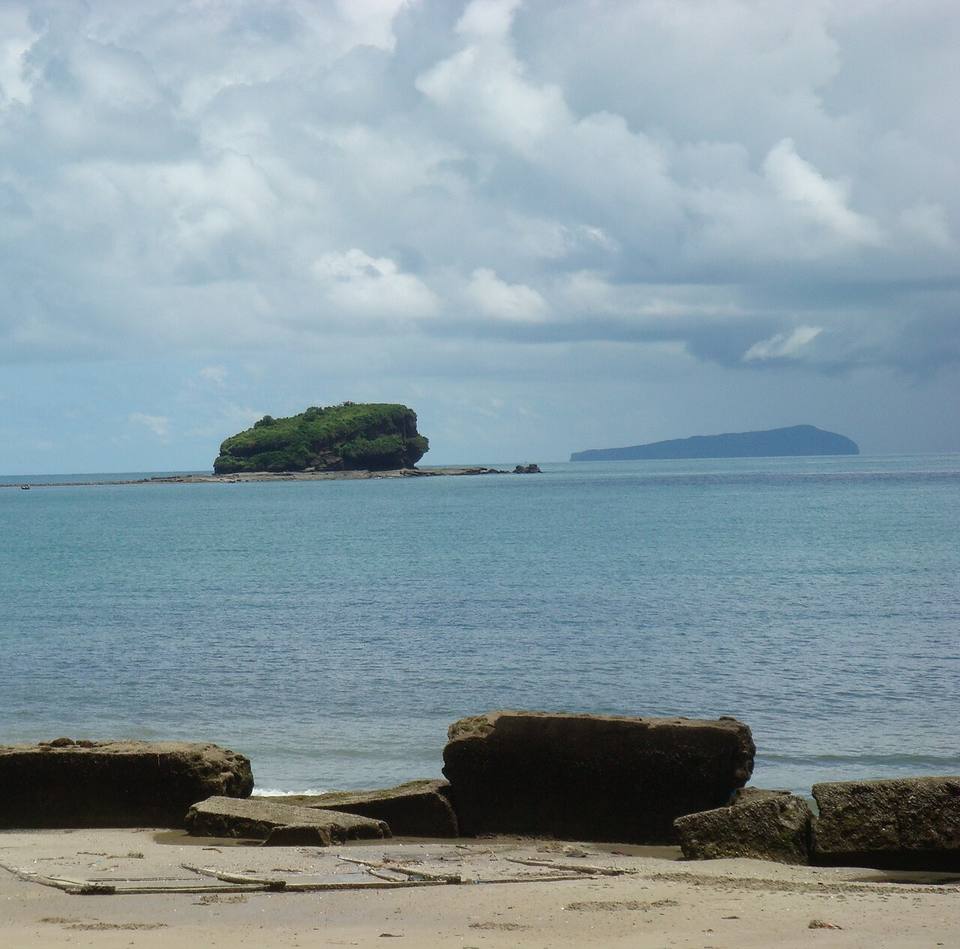
Haicheng District, Beihai, Guangxi Zhuang Autonomous Region · Island / Volcano
Weizhou Island
China's youngest volcanic island: the Crocodile Mountain crater, sea-eroded cliffs and a French Gothic Catholic church on one island, with a fishing village's slow island life hidden among banana groves.
Location
Haicheng District, Beihai, Guangxi Zhuang Autonomous Region
Stories and legends
The island's name, tales of the encircling "wei" waters, and sea-goddess legends of Mazu and Lady Xian have been attached to it — the legendary layer.
History and context
Weizhou Island was formed by multiple volcanic eruptions from tens of thousands of years ago to recent times (geologists call it one of China's youngest volcanic islands); Crocodile Mountain scenic area concentrates the crater remains and marine-erosion landforms. The Shengtang Catholic Church is a Gothic church built by French missionaries in the 19th century (built of coral stone). Boarding the island runs on ferry tickets + an island-entry ticket (the boat from Beihai International Passenger Port takes about 1–1.5 hours, per the Weizhou Island tourism zone's officials), and the island promotes new-energy transport and ecological controls.
Local life
Weizhou's temperament is a "tug of war between internet-famous and fishing village": the sunset spots at Dishui Danping are packed with people, while the seafood market on Nanwan Street remains the islanders' domain. Islanders run bananas, fishing and inns as three trades together, and old fishermen's awe of the typhoon season and mastery of the tides are the hardcore side of island life. Only after the dawn crowds at Wucai Beach scatter does the island show its true face.
Customs
Beachcombing (gathering shellfish and digging snails at low tide) is a universal activity, run by the tide tables; the Catholic church still holds services (visitors should keep quiet and avoid service times).
Beliefs
The Catholic church is both a historical and a functioning religious site, coexisting with sea-god beliefs such as Mazu; island fishing-village culture dominates overall.
Local etiquette
The volcanic reefs are wet, slippery and sharp — wear reef shoes for beachcombing and never go deep into the reef zone as the tide rises; confirm seafood weighing first (market preparation with clear pricing is the recent norm — keep your receipts); during the island's closed fishing season most seafood is shipped in from other islands, so ask about origin when ordering.
Visiting notes
Best from April to November (avoid the typhoon peak and sailing-suspension risk — check sea conditions before travelling); reserve ferry tickets in advance through official channels, and those prone to seasickness should choose a large boat and a mid-ship upper cabin; when renting an island e-bike, inspect the vehicle and agree the price first; stay around Nanwan / Shiluokou for sunsets and food.
What to eat nearby
Seafood (mantis shrimp / scallops / oysters, at market price); banana pork (local pigs fed on the island's bananas, a local flavour); Weizhou yellow cattle (dishes of a local breed); sugar-water desserts and seafood noodles; volcanic goat (a locally promoted speciality — use compliant restaurants)
Nanwan seafood market and its preparation street, the dining belt at Shiluokou beach
Buying seafood at the market + paying a restaurant to prepare it is the island's proper way — agree the preparation fee first; the raw-marinated seafood calls for caution from weak stomachs
A seafood meal 100–200 yuan (for reference only)
The island-entry ticket covers the main sights (per the official ticket system); when typhoon warnings suspend sailings, prices of island supplies rise — keep cash and medicines in reserve.
Source leads: Weizhou Island tourism zone official site; Beihai Municipal Bureau of Culture and Tourism; geopark volcanic materials.
Image source · Icefox06 · CC BY-SA 3.0