
City guide · Köln
Cologne
From Roman remains to the cathedral, then modern art along the Rhine
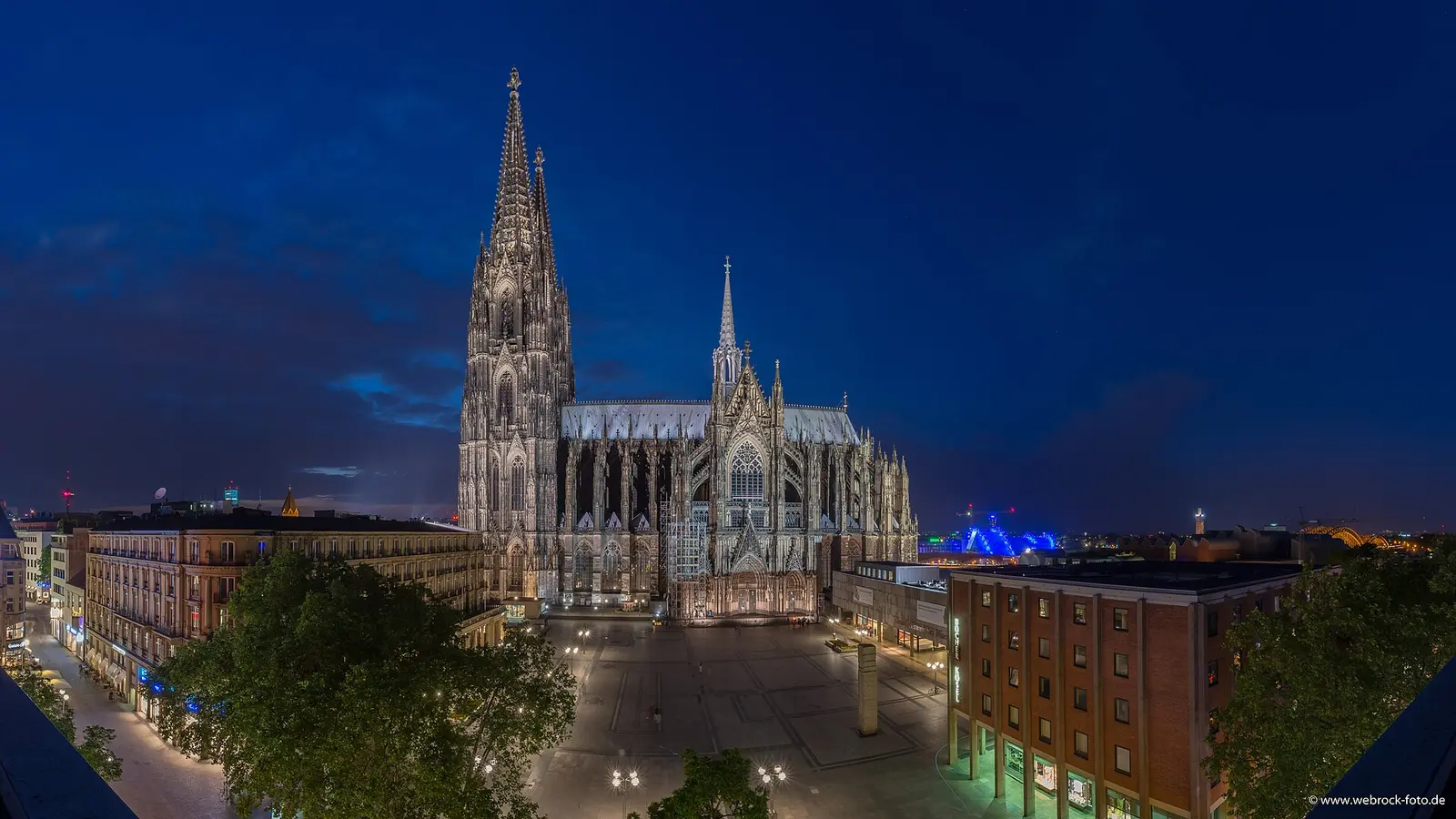
Cologne's old town hugs the Rhine, and the Central Station, Cologne Cathedral and the Museum Ludwig are not far apart, making it easy to get to know the city's different eras on foot. The cathedral and the Carnival already have their own pages; if you want to trace Roman Cologne, note that the original building of the Romano-Germanic Museum is under renovation, so check the current temporary venue and opening information first. In the city you can link the cathedral, the Museum Ludwig and the Rhine riverbank, and explore the Roman remains and Carnival culture as your interests take you. Religious services, exhibitions and the Carnival are scheduled differently every year, so check each before you set out.
History
How the city came to be
The core of Cologne stands on the site of the ancient Roman colony Colonia Claudia Ara Agrippinensium, from which the city's name also comes. Traffic on the Rhine long made it an important hub for trade and religious life. Medieval walls, churches and trade networks shaped the old town; the cathedral, begun in 1248, was completed in 1880 after long interruptions and resumed construction, and it still dominates the skyline today. It was inscribed as a World Heritage Site in 1996. The Second World War severely damaged central Cologne, and post-war reconstruction and archaeological work brought many Roman remains back into the city's view. The Museum Ludwig, founded in 1976, made modern and contemporary art an important part of the city's culture. Today, walking from the Central Station to the cathedral, the old town and the Rhine riverbank, you can see Roman foundations, medieval religious architecture, post-war public spaces and modern museums layered within a very short distance; the folk culture of the Carnival offers another thread for understanding the city.
- Roman periodThe core of Cologne's old town formed on the site of the ancient Roman colony.
- 1248Construction of Cologne Cathedral began.
- 1880The cathedral was completed after several phases of construction.
- After the Second World WarThe city was rebuilt, and research on Roman remains underground continued.
- 1976The Museum Ludwig was founded.
- 1996Cologne Cathedral was inscribed as a World Heritage Site.
- 2026Ticketing for visits inside the cathedral changed; confirm the on-site rules before you set out.
Stories
Stories of the city
The carnival hero of 1823
History · Cologne Carnival
In 1823 Cologne founded a Carnival Celebration Committee to bring order to the unruly popular carnival. The committee created a carnival hero to reign over the festivities and had him lead a parade through the city on Rose Monday. This hero later became the Prince, who with the Peasant and the Maiden forms the trio presiding over each season, and the Rose Monday parade has been the high point of Cologne Carnival ever since.
Stories of Cologne Cathedral
History · Cologne Cathedral
Cologne Cathedral's fate was rewritten by a box of bones. In 1164 the Holy Roman Emperor Frederick I "Barbarossa" took Milan and presented the legendary relics of the "Three Kings of the East" (Caspar, Melchior and Balthasar, the wise men who adored the newborn Jesus) as spoils of war to the Archbishop of Cologne. Pilgrims promptly poured in from all over Europe, and little old Cologne Cathedral could not hold the crowds — hence the breathtaking ambition of the new cathedral's blueprint: the architects, working to the highest standard of French Gothic, would build the three kings a "shrine-building of stone", in which the golden shrine holding the kings' relics — made over decades by goldsmiths including Nicholas of Verdun — is a pinnacle of medieval gold- and silverwork, still enshrined behind the main altar today. But construction stalled in the 16th century, and the stall lasted nearly three hundred years: half a south tower topped by a medieval wooden crane became the skyline Cologne's generations knew best. The turn came with the Romantic era: the intellectuals of Goethe's generation exalted the Gothic as the symbol of the "German spirit", the medieval original drawings were rediscovered in archives in Paris and Darmstadt, in 1842 the King of Prussia personally presided over the ceremony to resume work, and in 1880 the cathedral was finally topped out to the drawings of 642 years before — the twin towers of 1880 were a parchment drawing from 1248, honoured six centuries late.
History of Cologne Cathedral
History · Cologne Cathedral
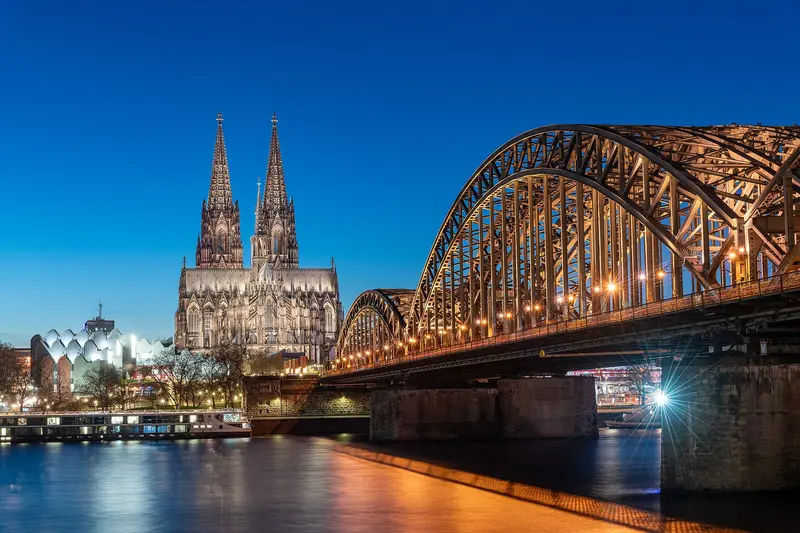
Cologne Cathedral stands on the bank of the Rhine beside the central station and is one of Germany's most-visited landmarks. In 1164 Emperor Barbarossa presented the "Three Kings" relics he had obtained in Milan to the Archbishop of Cologne, drawing pilgrims from all over Europe until the old cathedral could no longer cope; in 1248 the new cathedral was founded on the model of Amiens Cathedral in France, aspiring to become "the greatest Gothic church of the north". Work came and went: after 1560 the Reformation, finances and shifting tastes stalled it for nearly three centuries, the south tower hanging in mid-air for over 300 years and the great medieval crane becoming a landmark of the city skyline. Amid the 19th-century tide of Romanticism and nationalism, work resumed in 1842 to the recovered medieval drawings, and the cathedral was finally completed in 1880, its twin towers 157 m high — then the tallest building in the world. It then survived the bombing of the Second World War (the main body miraculously standing), post-war restoration and decades of replacing weathered stone. Since the 1970s its Treasury has displayed the Shrine of the Three Kings and other medieval goldsmith art. It was inscribed as World Heritage in 1996; the tower houses the 23-tonne St Peter's Bell (Decke Pitter), one of the largest swingable church bells in the world.
Must see
Places you shouldn’t miss
Local life
Food and local daily life
Cologne Cathedral
Must-try
- Kölsch beer
Kölsch beer (the legally protected local pale beer of its appellation, served in a 0.2-litre Stange glass), Himmel un Ääd ("Heaven and Earth", mashed potato with apple purée, blood sausage and fried onions), Rhineland sauerbraten (Rheinischer Sauerbraten, with red cabbage and potato dumplings), Halver Hahn (a rye roll with cheese — the name means "half a chicken" but it is actually bread and cheese, a classic misnomer dish)
| Where to eat | the old-town beer halls on the cathedral's south side are a step away (Früh, Brauhaus Sion and others); the Rhine-side old town (Altstadt) is a whole district of restaurants and beer gardens; to avoid tourist prices, cross the railway bridge to Deutz or try the local places in the Belgian Quarter (Belgisches Viertel) |
|---|---|
| Dining etiquette | Cologne beer culture has its own rules: order a Kölsch (0.2-litre slender glass) in an old-town beer hall and the waiter will keep refilling it unasked, marking a tally on your beer mat; when you've had enough, lay the mat over the glass to signal no more refills — never apply another city's beer etiquette to Cologne; restaurant tips are customarily about 5%–10% |
| Typical price per person | about €16–30 per person (about RMB 125–230, typical rates); a main course plus two beers in an old-town beer hall is about €20–28 |
| Tips | the old town's century-old beer halls (Früh am Dom sits right beside the cathedral) are both a meal and a cultural experience, and their lunch sets are the best value; in the Christmas season the snack stalls on the square market (grilled sausages, Reibekuchen potato fritters with apple sauce) deserve a meal of their own |
Prices are typical rates as of October 2026, not exact quotes; CNY equivalents are approximate where exchange rates fluctuate.
Before you go
Rules to know in Cologne
Germany: Keep quiet on Sundays and at night
Do
- Do noisy chores such as vacuuming, spin cycles and drilling on weekday daytimes
- At night (usually 10 pm to 6 or 7 am), keep sound low enough that neighbours can't hear it with the door shut
- When you move in, read the house rules (Hausordnung) posted in the building
- If you hold a party, tell your neighbours in advance and turn it down by 10 pm
Don’t
- Don't use power tools such as drills or lawnmowers on Sundays and public holidays
- Don't throw bottles into public glass bins on Sundays or at night (check the sign on the bin)
- Don't make noise during the midday quiet period (often 1 to 3 pm) where it applies
Quiet hours are set by state law, local bylaws and house rules rather than a single national law. Repeated disturbances can lead to complaints from neighbours, action by the public order office or police, and fines; amounts are as officially published.
Verified Oct 19, 2026Source: Germany Focus Guide: German Ruhezeit and Sunday etiquette
Germany: Pedestrians, stay out of cycle lanes
Do
- Before crossing or stopping for photos, check whether you are on the pavement or a cycle lane
- When cycling, keep right and overtake on the left
- On shared paths, give way to pedestrians and slow down
- Children under 8 must cycle on the pavement; those aged 8 to 10 may choose
Don’t
- Don't stand or walk in cycle lanes (a blue round sign with a bicycle marks a dedicated lane)
- Don't cycle on the pavement unless a sign allows it
Cycle lanes are part of the road: stepping into one can bring a fine and, more importantly, a collision with a fast-moving cyclist. Cycling on the pavement without permission is also fined; amounts are as officially published.
Verified Oct 19, 2026Source: Live in Germany: Cycling in Germany
Germany: Dress modestly in churches and remove your hat
Do
- Dress respectfully; formal wear isn't needed, but avoid revealing outfits
- Take off your hat, silence your phone and keep your voice low inside
- Carry a light scarf or jacket to cover your shoulders when needed
- Where a church posts its own rules at the door or online, follow them
Don’t
- Don't wear revealing clothes such as bikini tops or very short sports shorts
- Don't give loud commentary or take photos during a service
German churches are generally more relaxed about dress than those in southern Europe, and visitors in shorts are a common sight in Munich and Cologne. However, staff at places such as Berlin Cathedral may refuse entry to visitors in overly revealing clothing.
Verified Oct 19, 2026Source: Pieter on Tour: Church etiquette in Europe's sacred spaces
Germany: Greet with a handshake and use Herr or Frau with the surname
Do
- Greet new people with a firm handshake and eye contact
- Say Guten Tag in formal settings; Hallo is fine among friends
- Address people as Herr or Frau plus their surname
- Switch to first names only when the other person suggests it
- In Bavaria you can reply with Grüß Gott; in the north, Moin is common
Don’t
- Don't hug or kiss on the cheek at a first meeting
- Don't use first names before a relationship has been established
Getting it wrong is rarely a big deal, but being too casual at a first meeting can seem rude. Guten Tag is the safest choice in formal settings.
Verified Oct 19, 2026Source: Fly Homes: How to greet in Germany
Germany: Tell the server the total including tip; don't leave it on the table
Do
- When paying, tell the server the total you want to pay, tip included
- For example, on a €24.80 bill, say "28"
- Around 5%–10% is usual; for small bills, just round up
- By card, choose a tip on the terminal, or pay the bill by card and tip in cash
Don’t
- Don't leave the tip on the table
- Don't feel bound by the terminal's preset percentages
- Don't add 15%–20% as you might in the US
A tip is a voluntary thank-you: no one will reproach you for not tipping, and you can skip it for poor service. German restaurants generally don't add a separate service charge, and prices usually include tax.
Verified Oct 19, 2026Source: German to Go: In cafés and restaurants
How do you like this place?
More cities in Germany
München
Munich
3 places
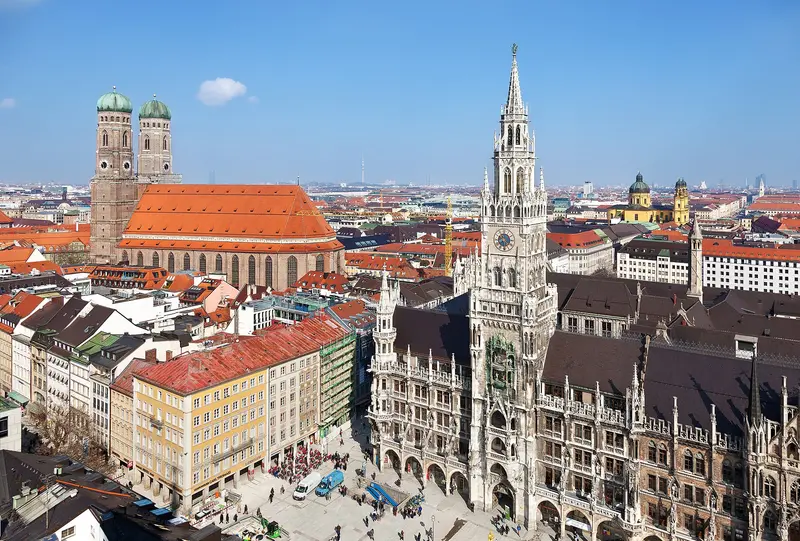
A royal capital grown from a 'place of monks': Marienplatz, Nymphenburg Palace and Oktoberfest
Berlin
Berlin
3 places
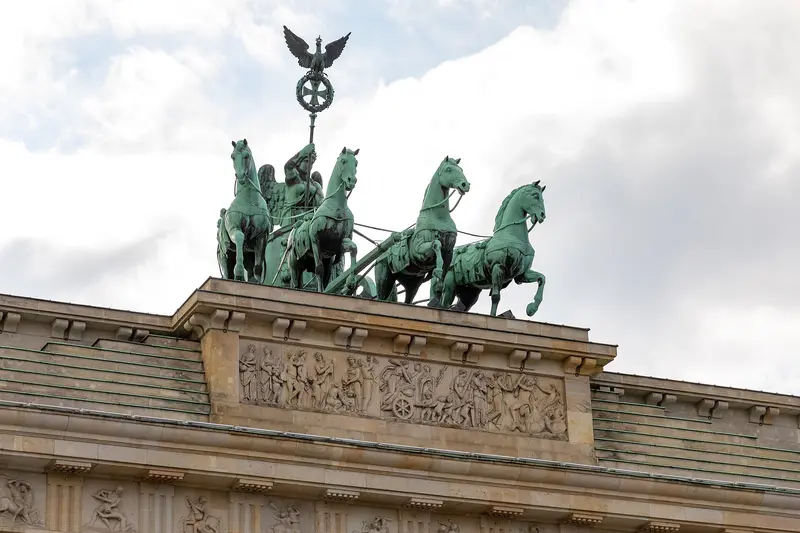
The scar and the rebirth of a wall — European history converges on Unter den Linden
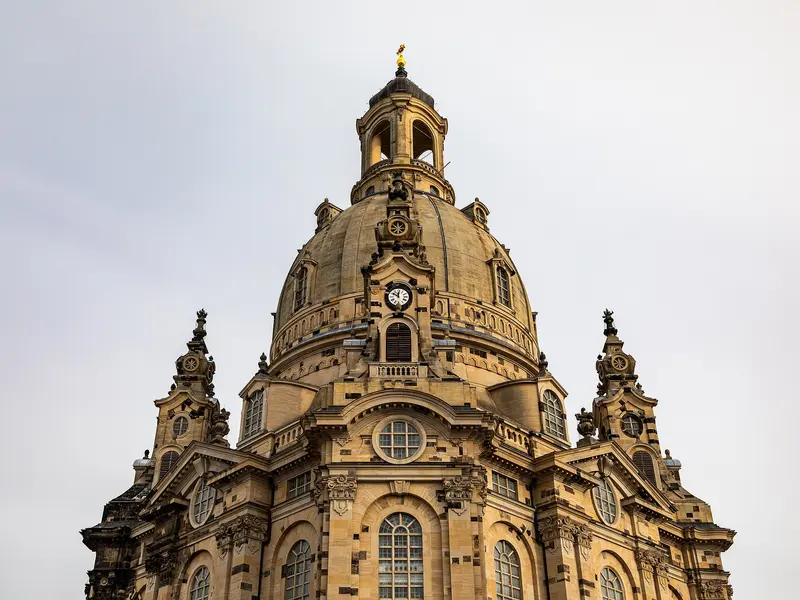
Dresden
Dresden
1 places
A Baroque city on the Elbe: the Frauenkirche, the Zwinger and the Green Vault
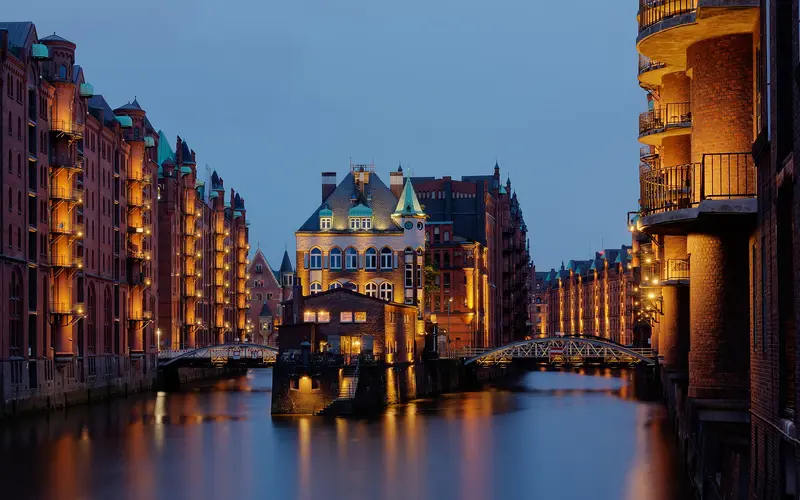
Hamburg
Hamburg
1 places
Along the Elbe past the port, the Speicherstadt and new cultural landmarks
Sources
- City of Cologne: The Roman foundations of the old town
- UNESCO: Construction history of Cologne Cathedral
- Museum Ludwig: Museum history and artistic profile
- Cologne Tourism: Cathedral ticketing for 2026 and priority for services
- Cologne Tourism: Renovation of the Romano-Germanic Museum's original building and its temporary venue
- Museum Ludwig: Location and visitor information