

City guide · Dubrovnik
Dubrovnik
A stone city on the Adriatic: the walls, the Stradun and the Republic of Ragusa
Dubrovnik is a stone city on the eastern shore of the Adriatic: city walls ring streets paved with limestone, and between the orange-red roofs and the blue sea stand the palaces, monasteries, and pharmacy left by the Republic of Ragusa. You can walk the walls, the Old Town, and Lokrum Island in two days, then leave half a day for Cavtat or the Elaphiti Islands to see the sea. Also worth visiting in the city: the Rector's Palace, St. Blaise Church, the Franciscan Monastery and Old Pharmacy, the Large Fountain (Onofrio's Fountain), the Cathedral, the Jesuit Church and St. Ignatius Stairs, the Dominican Monastery, Pile Gate, Ploče Gate, Fort Lovrijenac, Fort St. John, the Ethnographic Museum and the Old Town harbor.
History
How the city came to be
Dubrovnik traces its origins to around the 7th century, when, according to legend, exiles from Greece and Roman refugees built a city on the present site, under the old name Ragusa. In 1272 a statute was issued, and the city formed a system of self-government. After the Treaty of Zadar in 1358, Ragusa freed itself from Venetian rule and became an independent republic, staying neutral between the Ottoman Empire and Venice while developing maritime trade. The 15th to 16th centuries were the golden age of the republic, and most of the walls, palaces, and public buildings date from this period; the Republic of Ragusa is known in history for abolishing the slave trade relatively early (in 1416). The great earthquake of 1667 badly damaged the city, which was then rebuilt in Baroque style, and much of the Old Town's appearance today comes from that rebuilding. After Napoleon's army occupied the city in 1806–1808, the republic ended in 1808. In 1979, Dubrovnik's Old Town was inscribed on the World Heritage List; during the war of 1991–1992 the Old Town was shelled, and after the war it was restored as before.
- Around the 7th centuryThe Ragusa settlement forms (legend and early records coexist; the exact year is uncertain).
- 1272The city statute is issued, establishing self-government.
- 1358After the Treaty of Zadar, Ragusa ends Venetian rule.
- 15th–16th centuriesThe golden age of the republic, with maritime trade and city building at their peak.
- 1416The republic issues a decree banning the slave trade.
- 1667A great earthquake badly damages the city, which is then rebuilt.
- 1808The Republic of Ragusa ends.
- 1979The Old Town is inscribed on the World Heritage List.
- 1991–1992The Old Town is damaged in war and restored afterward.
Regional deep dives
Read deeper into each place
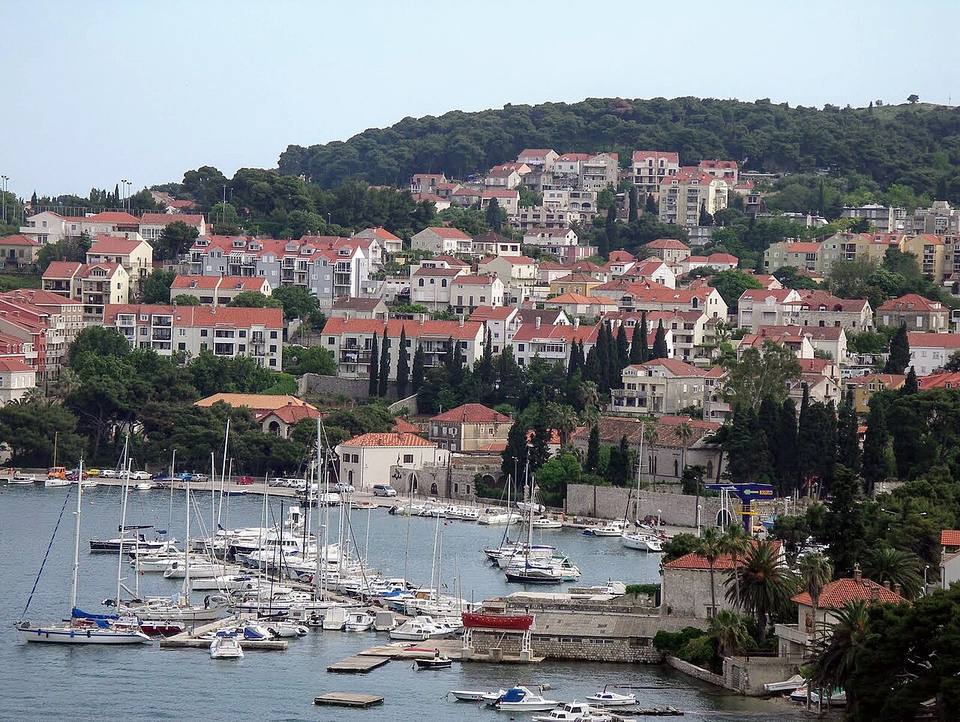
Central & Eastern Europe · Old city / seaside
Dubrovnik Old Town
Two kilometres of city walls ring a marble old town, and Stradun gleams bright enough to see your face in — the "Pearl of the Adriatic" played King's Landing in Game of Thrones, and off-screen it is still the real home of Croatians.
Explore the local guide ↗Source leads: Dubrovnik city tourism / the walls' managing body; UNESCO, Old City of Dubrovnik (1979).
Image source · René Cortin · CC BY-SA 4.0
Source leads are being checked individually; confirm travel details with local official notices.