
Central & Eastern Europe · Old city / seaside
Dubrovnik Old Town
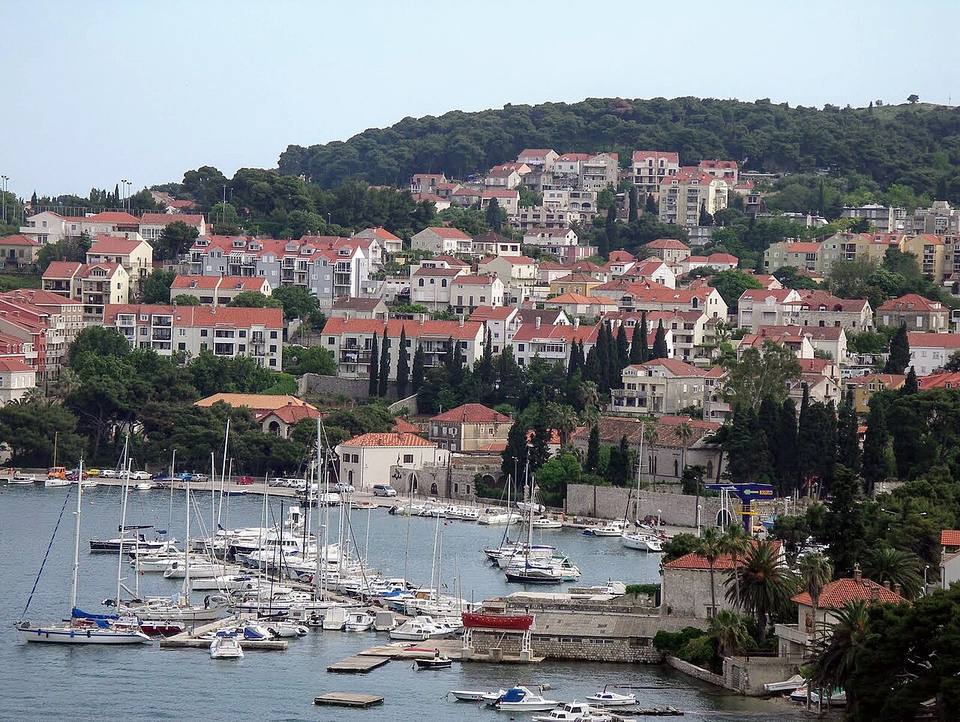
Two kilometres of city walls ring a marble old town, and Stradun gleams bright enough to see your face in — the "Pearl of the Adriatic" played King's Landing in Game of Thrones, and off-screen it is still the real home of Croatians.
Location
Dubrovnik-Neretva County, Croatia
Stories and legends
The city's origins and the narrative of the Ragusan exiles who founded it mix documented history with tradition.
History and context
Dubrovnik's predecessor, the Republic of Ragusa (1358–1808), was a maritime trading republic that flew Libertas (freedom) as its banner and motto; the old town was listed as World Heritage in 1979; in the siege of 1991–92 it was damaged and later restored to heritage standards (the old and new roof tiles can still be told apart today); the walls run about 1,940 metres in total, including the Minčeta Tower and other fortresses, under a ticket system (often sold jointly with Lovrijenac Fortress — follow the city); Croatia joined the euro area and the Schengen area in 2023.
Local life
The old town's character is a "tug-of-war between postcard and real life": the resident population keeps moving out to the new town, but the early morning still belongs to the locals — the market (the morning market on Gundulić Square), Mass, and coffee (Croatian coffee culture is intense; one cup can last half a day). The walls at sunset, and the full view from Mount Srđ (412 m) reached by cable car, are the dusk ritual that visitors and citizens share.
Customs
The Dubrovnik Summer Festival (usually July–August, as officially announced) fills the old town with open-air performances; swimming off the rocks outside the walls (along the Buža bar stretch) is a local summer custom.
Beliefs
The Franciscan and Dominican monasteries and the cathedral form the Catholic core; in the Ragusa era, merchants of many faiths coexisted (the synagogue is widely said to be among the oldest in Europe still in use).
Local etiquette
Walking in the old town in swimwear is forbidden (municipal ordinance, with fines); do not sit on monument steps to eat and drink; the walls offer no shade — in summer bring plenty of water and a hat; drones are strictly controlled over the old town.
Visiting notes
Best from May to June and from September to October (avoiding the cruise-ship peak and the heat); walk the walls at first opening or two hours before sunset; the Dubrovnik Pass is best value when it includes the walls (following the official pass policy); on cruise days, check the port calendar to dodge the peak.
What to eat nearby
Black risotto (Crni rižot, rice blackened with cuttlefish ink); octopus baked under the bell (Hobotnica ispod peke — must be ordered in advance); oysters (from Ston, with the Pelješac peninsula as a side trip); prawns buzara-style (Buzara); Croatian wines (the red Dingač)
Small restaurants in the old-town lanes, the local strip outside the Ploče Gate, and the Lapad district
Dishes baked under the peka bell must be ordered several hours ahead (slow roasting); seafood is priced by the kilogram — confirm before ordering
A sit-down meal €25–45 (approx. RMB 195–351, for reference only)
Dining inside the old town carries an obvious premium — five minutes' walk beyond the gates the prices fall back; keep your walls ticket safe (it is checked at the midway exits).
Source leads: Dubrovnik city tourism / the walls' managing body; UNESCO, Old City of Dubrovnik (1979).
Image source · René Cortin · CC BY-SA 4.0