
City guide · Granada
Granada
From the palace city to the Albaicín, walk Granada's hills and lanes
We suggest staying 2–3 days. Set aside the first day for the Alhambra and the Generalife alone, and spend the second on the Albaicín, the viewpoints and the churches of the lower town, rather than squeezing the palace city into an hour. The Sierra Nevada is an out-of-town route, not a city sight. Other places in the city worth a visit: the Albaicín, Granada Cathedral and the Royal Chapel, and Sacromonte.
History
How the city came to be
Granada's historic space consists of two neighbouring hills and the lower town between them. The Alhambra was both a fortification and the palace city of the Nasrid dynasty; the Generalife gardens to the east were originally the rulers' country retreat. Facing it across the river, the Albaicín preserves streets and courtyard houses from the Islamic period along with later Andalusian layers, and should not be treated as part of the Alhambra complex. In 1492 Granada was taken by the Catholic Monarchs, and the city's political and religious order changed with it; the cathedral and the Royal Chapel in the lower town belong to the history that followed. UNESCO first inscribed the Alhambra and the Generalife in 1984 and extended the listing to the Albaicín in 1994. As you visit, keep in mind the original sites, later alterations and present-day management boundaries; above all, do not confuse the palace city's booking and entry times with the walking distances between the hills.
- Middle AgesGranada develops into an important city of Islamic al-Andalus.
- 13th–14th centuriesThe Nasrid dynasty builds the Alhambra and the Generalife.
- 1492The Catholic Monarchs take Granada.
- 16th centuryChristian buildings continue to rise in the lower town.
- 1984The Alhambra and the Generalife are inscribed as a World Heritage Site.
- 1994The listing is extended to the Albaicín.
Stories
Stories of the city
Stories of Alhambra
Legend · Alhambra
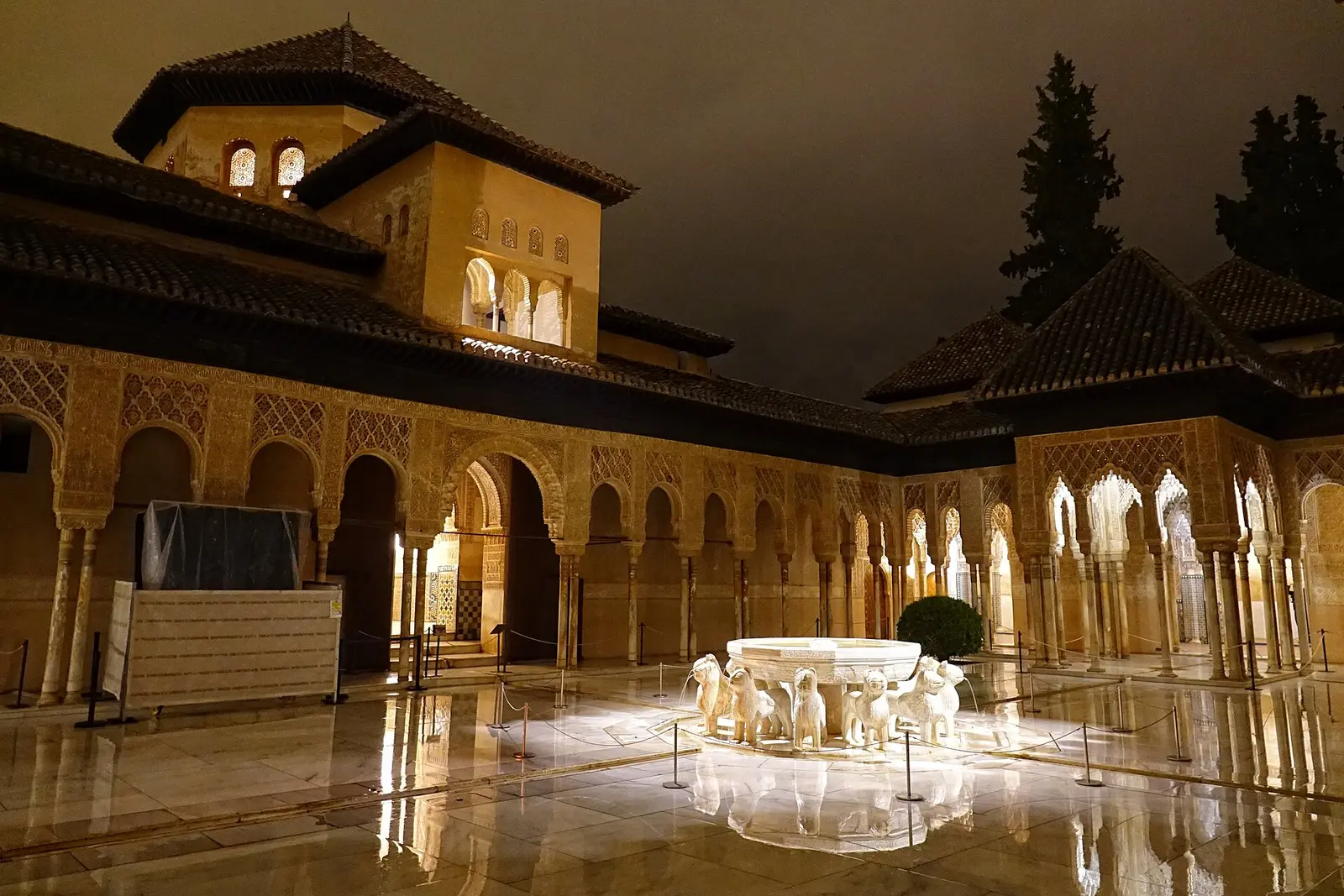
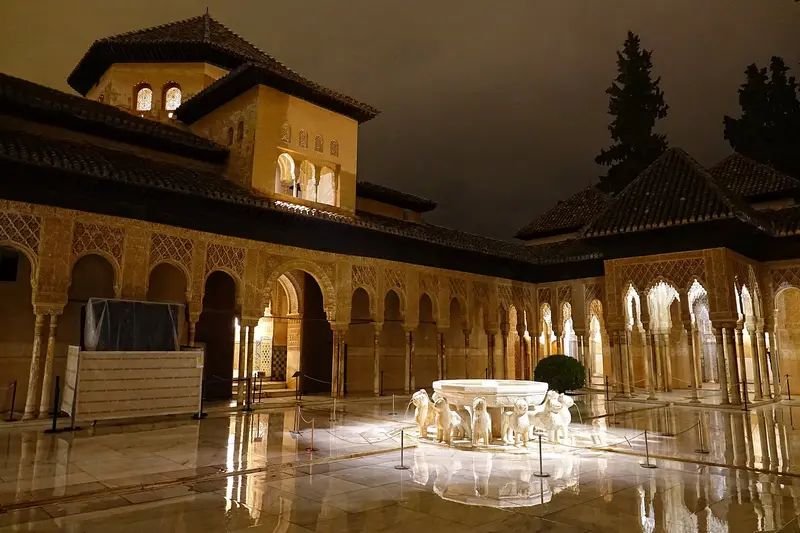
In Granada's oral tradition, the Alhambra's most moving story belongs to its last master. On 2 January 1492, Muhammad XII (known to the Spanish as Boabdil, "the little king"), the last sultan of the Nasrid dynasty, handed over the keys of the city gates and rode away from the palace-city his family had run for 250 years. Reaching a pass outside the city, he looked back one last time at the red palace and could not hold back his tears — whereupon his mother Aixa, riding beside him, coldly spoke the line remembered for five hundred years: "Weep like a woman for what you could not defend like a man." That pass is still called the Moor's Sigh (Puerto del Suspiro del Moro). Washington Irving, who lived in the palace for some months before writing Tales of the Alhambra, added another layer of legend: the twelve stone lions around the fountain in the Court of the Lions, the tale goes, were so ingeniously mechanised that water spouted from the lions' mouths to tell the hours; and buried treasure of the last sultan lies hidden beneath the palace, findable only by whoever can read the inscriptions on the walls. These tales mix truth and invention, but one thing is real: the Arabic inscription repeated thousands of times on the palace walls, "There is no victor but God" — the courtier-poets of Ibrahim's age wrote the whole palace as a geometric poem offered to God. Step into the Court of the Myrtles and the long pool doubles the palace into two, one real and one reflected — the whole secret of Nasrid aesthetics.
History of Alhambra
History · Alhambra
"Alhambra" derives from the Arabic al-Ḥamrāʾ, "the red (fortress)", named for its ochre-red rammed-earth walls. The earliest military fortress on the hill was built in the 9th century; in the 13th–15th centuries the Nasrid dynasty (the Emirate of Granada, the last Muslim polity on the Iberian Peninsula) built the palace-city here: the Nasrid Palaces complex (including the famous Court of the Lions and Court of the Myrtles), the Alcazaba fortress, the Generalife summer palace and the hill water-channel system formed a complete court city. In 1492 the last sultan, Boabdil, surrendered Granada to the Catholic Monarchs and the Alhambra became a Spanish royal residence; in the 16th century Charles V built a Renaissance palace here, creating the rare co-presence of Islamic and Renaissance architecture on one site. In the 19th century the American writer Washington Irving's Tales of the Alhambra made it world-famous. It was inscribed as World Heritage in 1984 (extended to the Albaicín quarter in 1994). It is now administered by the Andalusian government's Patronato de la Alhambra y Generalife, with strict daily visitor caps and named ticketing every year.
Must see
Places you shouldn’t miss
Local life
Food and local daily life
Alhambra
Must-try
- Granada's free tapas
Granada's free tapas (tapa, given free with a drink, each bar giving a different dish), avant-garde potato tortilla and oil-preserved dishes, Andalusian cold soups (Salmorejo/Gazpacho), Sacromonte gypsy potatoes (Patatas a lo pobre) and pionono (a traditional local sweet originating in Santa Fe), Granada pomegranates and Sierra ham (Jamón de Trevélez)
| Where to eat | there are a few restaurants at the foot of the palace hill and in the Albaicín (high prices, fine views); for real tapas, go back down to the old town: Calle Navas, around the Cathedral and the Realejo district are dense with bars; inside the palace grounds there is only a simple café and vending machines |
|---|---|
| Dining etiquette | Granada keeps the "free tapa with a drink" tradition (tapa gratuita) — a drink comes with a small dish, so don't order a whole table of tapas and wait for them to arrive; dinner starts very late (things get going after 21:00), so if you're hungry in the afternoon, stand a round at a bar first; restaurant bills don't include a tip — if satisfied, leave 5%–10% in small change |
| Typical price per person | about €15–30 per person (about RMB 115–230, typical rates); a round of a drink plus a free tapa at a bar is about €3–4, making this one of the cheapest cities in Spain to eat in |
| Tips | use the free-tapa tradition: string together three or four bars in a night and the drinks plus given dishes make a meal — Calle Navas in the old town is the locals' recognised tapas street; pionono's home town of Santa Fe is about a 20-minute drive away, and century-old sweet shops in the city sell it too |
Prices are typical rates as of October 2026, not exact quotes; CNY equivalents are approximate where exchange rates fluctuate.
Before you go
Rules to know in Granada
Spain: Cover your shoulders and knees and take off your hat in churches
Do
- Wear a top that covers your shoulders and trousers or a skirt below the knee
- Take off your hat once you are inside
- Carry a light shawl or cardigan to cover up on hot days
- Keep quiet during Mass or prayers and watch from the back
- Rules vary by church: follow the signs at the door and the staff
Don’t
- Don't wear sleeveless tops, shorts above the knee, miniskirts or swimwear
- Don't go in barefoot
- Don't walk around the nave or talk loudly during Mass
The Sagrada Família enforces its dress code at the entrance for visitors of all ages, so you may be turned away if you do not comply; even where you get in, revealing clothes offend worshippers.
Verified Oct 19, 2026Source: Official site: Sagrada Família FAQ
Spain: No photos in the Prado galleries; no flash or selfie sticks at the Sagrada Família
Do
- Check the photo rules posted at each site before taking pictures
- Put your phone and camera away in the Prado's galleries
- At the Sagrada Família, personal photos are fine without flash
- Stop taking photos during Mass and other services
- Apply to the venue in advance for any commercial shoot
Don’t
- Don't use tripods or selfie sticks
- Don't fly a drone in or around the Sagrada Família
- Don't rely on old guides saying photos are allowed
- Don't cross barriers or touch exhibits for a shot
Staff will stop you on the spot; the Prado bans photos mainly to stop crowds forming with their backs to the masterpieces, and flash can also harm artworks and stained glass.
Verified Oct 19, 2026Source: Official site: Prado Museum visitor regulations
Spain: Ask "¿Quién es el último?" to join the queue at a counter
Do
- If people are not in a line, ask "¿Quién es el último?" (Who is last?)
- Remember who is ahead of you – you are next once they are served
- When someone arrives after you and asks, answer "Yo" (me)
- Where there is a ticket machine, take a number and watch the screen
- Keep your voice down on public transport and in residential streets
Don’t
- Don't push straight to the counter
- Don't assume there is no queue just because people are scattered
- Don't make loud calls or play music aloud on trains and buses
Jumping ahead of others clearly annoys locals and you will often be told so to your face; the "who is last?" system is common at market stalls, bakeries, pharmacies and similar counters.
Verified Oct 19, 2026Source: Travelers United: Waiting your turn the Spanish way
Spain: Greet people as you enter, and expect two cheek kisses among friends
Do
- Say "Buenos días" or "Buenas tardes" when entering a shop or lift
- Say "Adiós" or "Hasta luego" as you leave
- Shake hands with eye contact and a smile when meeting someone new or formally
- For cheek kisses (dos besos), follow the other person's lead
- Use "Señor" or "Señora" in formal settings
Don’t
- Don't walk up to the counter without a greeting
- Don't initiate cheek kisses with someone you have just met
- Don't keep checking your phone while someone is talking to you
Skipping the greeting carries no penalty, but in Spain it comes across as cold and impolite; a greeting first usually earns you warmer service.
Verified Oct 19, 2026Source: Cultural Atlas: Spanish Culture – Greetings
Spain: Eat on local time – lunch after 2 pm, dinner after 9 pm
Do
- Lunch is the main meal, roughly between 2 and 4 pm
- Dinner rarely starts before 9 pm and can be later at weekends
- Between meals, expect mostly cold tapas at bars
- Order a few tapas or sharing portions (raciones) for the table
- Check the opening hours posted at each place
Don’t
- Don't expect a hot dinner at 6 pm
- Don't hurry the kitchen or rush to leave
If you turn up at your usual mealtimes you may find the kitchen closed or only cold dishes on offer; there is no penalty, but you will miss the hot food.
Verified Oct 19, 2026Source: Cultural Atlas: Spanish Culture – Etiquette
Spain: Tipping is optional – round up in cash if you are pleased
Do
- If you are happy with the service, round up the bill or leave some coins
- Leave the tip in cash on the table or hand it to the waiter
- Catch the waiter's eye and ask for the bill when you are ready
- Say clearly that you need change if you do
- Ask the waiter first if you want to pay separately
Don’t
- Don't wait for the bill to arrive on its own
- Don't add a tip if service is already on the bill
- Don't assume a tip added by card reaches the waiter
Spaniards generally do not tip at table-service restaurants, so not tipping is not rude; waiters usually do not bring the bill unasked so as not to rush you, and simply waiting will only cost you time.
Verified Oct 19, 2026Source: Cultural Atlas: Spanish Culture – Etiquette
How do you like this place?
More cities in Spain
Barcelona
Barcelona
3 places
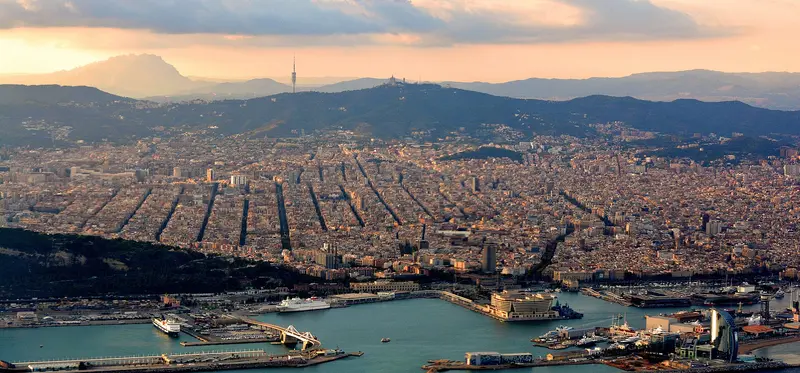
Gaudí's city: Roman walls, the Gothic Quarter and Catalan Modernisme
Madrid
Madrid
1 places
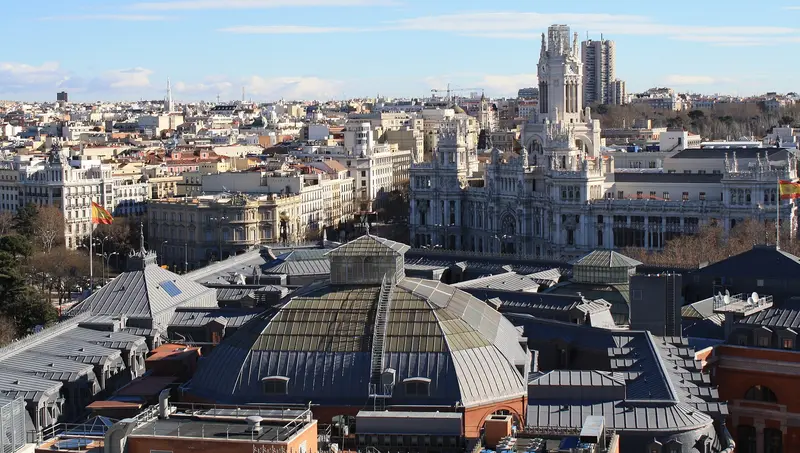
A capital built by the crown: the museums of the Paseo del Prado, the Plaza Mayor and late nights in the old town
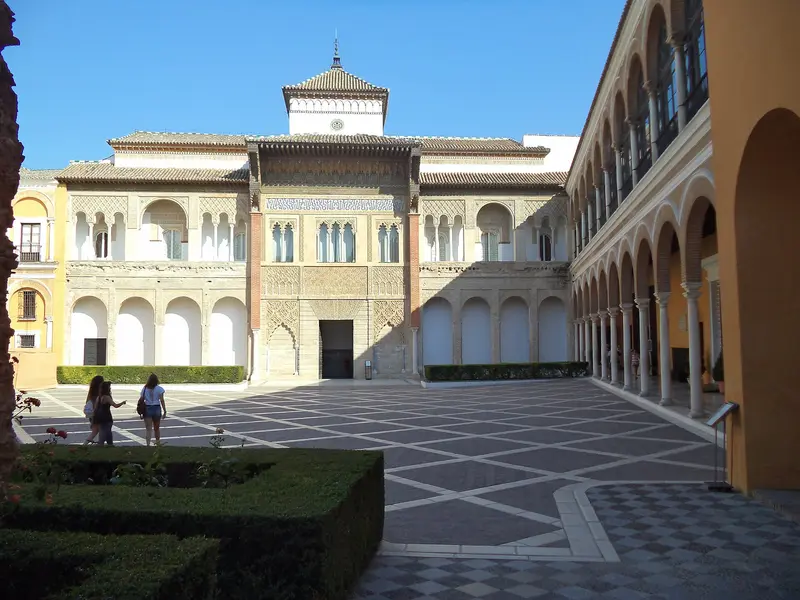
Sevilla
Seville
2 places
Along the royal palace, the cathedral and the riverbank, understand Seville's many layers of history