
City guide · Milan
Milan
From Roman capital to Renaissance art, walk Milan's old town to understand the modern capital of design
Milan's identity goes beyond fashion and design. Piazza del Duomo is the walking hub, while Sforza Castle and Brera reveal the Middle Ages, the Renaissance and great art collections; The Last Supper is preserved in the refectory of Santa Maria delle Grazie and must be planned separately under the site's booking rules. Other places in the city worth a visit: the Galleria Vittorio Emanuele II, Teatro alla Scala and the lanes of the old town.
History
How the city came to be
The Italian National Tourist Board traces Milan's earliest settlement to the Insubres around the sixth century BC. Between AD 286 and 402 Roman Mediolanum was a political centre of the Western Roman Empire, which secured its lasting role as a hub of transport and administration. In the Middle Ages Milan developed into a free commune, and later the Visconti and Sforza families built their courts and defences here; the castle is an important entry point to this chapter of the city's history. In the fifteenth century the cathedral was still under lengthy construction, work began on the convent of Santa Maria delle Grazie, and Leonardo da Vinci painted The Last Supper in its refectory in 1495–1497. After the Second World War Milan grew rapidly through industrial, financial and cultural reconstruction; today the cathedral, the castle and the design districts sit side by side, and a walking route is the best way to understand the city's layers old and new.
- c. 590 BCThe Insubres establish an early settlement.
- AD 286–402Milan is an important capital of the Western Roman Empire.
- Middle AgesMilan develops into a free commune.
- 14th–15th centuriesThe Visconti and Sforza eras shape the castle and the city's courts.
- 1463Construction of the Santa Maria delle Grazie complex begins.
- 1495–1497Leonardo da Vinci paints The Last Supper.
- Post-warMilan becomes a centre of Italy's industrial and cultural revival.
Stories
Stories of the city
A painting that survived repeated damage
History · The Last Supper in Milan
By 1517 the painting had begun to flake; in 1652 a doorway was cut through the lower part of the by then barely recognizable image. In 1796 French troops used the refectory as an armory and stable. On 15 August 1943 Allied bombing struck the refectory, but sandbags placed beforehand kept bomb splinters from hitting the painting.
A restoration of more than twenty years
History · The Last Supper in Milan
From 1978 to 1999 the restorer Pinin Brambilla Barcilon led a major restoration project. On 28 May 1999 the painting was shown to the public again. Since then, to protect it, visits must be booked and each visit lasts only 15 minutes.
Must see
Places you shouldn’t miss
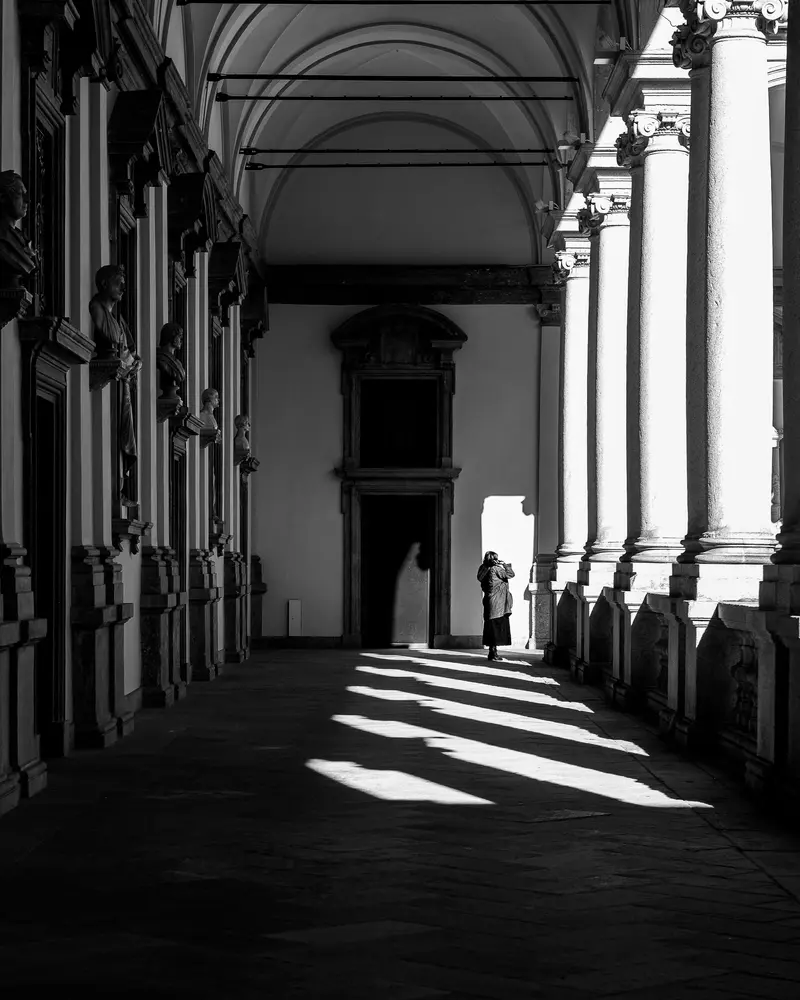
Pinacoteca di Brera, Milan
Read Italian painting in the former home of Milan's art academy, and discover how this public gallery grew out of teaching.
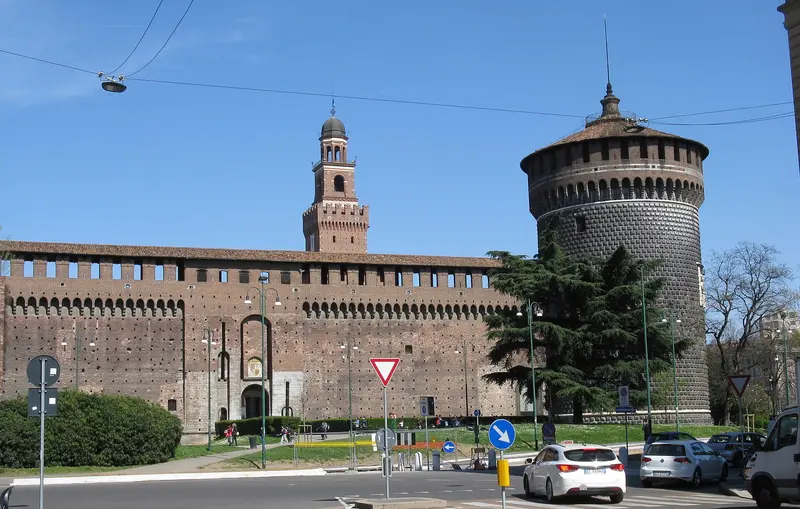
Sforza Castle, Milan
Walk from the seat of power of the Duchy of Milan into today's civic museums, and see how a castle's role kept changing.
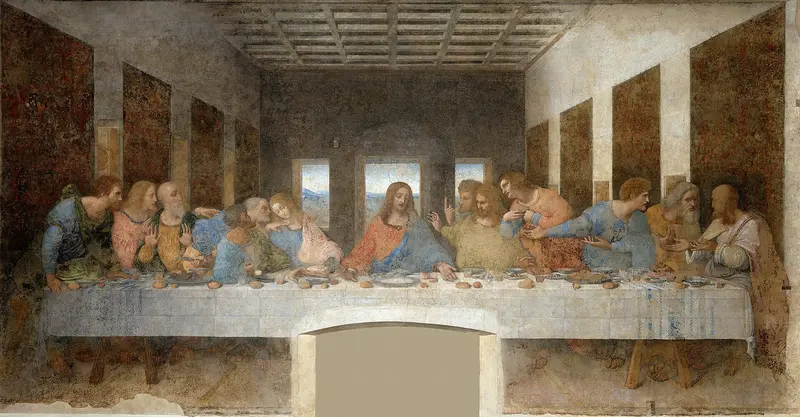
The Last Supper in Milan
Leonardo's masterpiece, painted around 1495–1498 on the north wall of the refectory at Santa Maria delle Grazie, captures the moment after Jesus…
Before you go
Rules to know in Milan
Italy: Cover shoulders and knees in churches – the Vatican turns away those who do not
Do
- Cover your shoulders and knees, whether you are a man or a woman
- Take off your hat before going in
- Carry a scarf or cardigan and put it on before entering
- Switch your phone to silent and keep quiet
- Smaller churches vary: follow the notices and staff
Don’t
- Don't wear sleeveless or low-cut tops, shorts above the knee or miniskirts
- Don't walk around or take photos during Mass
The Vatican Museums, Sistine Chapel and St Peter's Basilica admit only appropriately dressed visitors and check at the door, so you can be stopped even after queuing; other major cathedrals often check too.
Verified Oct 19, 2026Source: Official site: Vatican Museums – Useful advice
Rome's Spanish Steps: no sitting, eating or drinking
Do
- Walk up the steps and keep moving after your photo
Don’t
- Sitting, resting, eating or drinking on the steps
Banned by Rome's urban police regulations since 2019; media report fines of €250, rising to €400 for dirtying or damaging the steps.
Verified Oct 19, 2026Source: ANSA: Rome bans sitting on the Spanish Steps (2019)
Italy: No photos in the Sistine Chapel, and no flash elsewhere
Do
- Put your phone away and keep absolute silence in the Sistine Chapel
- Elsewhere, take personal photos only without flash
- Watch for no-photo signs at temporary exhibitions and loaned works
- Leave large backpacks and umbrellas in the free cloakroom
- Apply for permission for commercial or publishing use
Don’t
- Don't sneak photos or videos in the Sistine Chapel
- Don't use selfie sticks, tripods or stands
- Don't touch exhibits or block the way
The Vatican Museums ban photos and video with any electronic device in the Sistine Chapel, and guards can make you delete them on the spot; flash damages pigments and disturbs others.
Verified Oct 19, 2026Source: Official site: Vatican Museums – Useful advice
Italy: Dress neatly in town and keep swimwear for the beach
Do
- Wear clean, well-fitting smart-casual clothes in town
- Wear comfortable flat shoes for cobbled streets
- Put on a cover-up or change before leaving the beach
- Dress a little smarter for dinner and aperitivo
- Carry a scarf or cardigan in case you visit a church
Don’t
- Don't walk around town or enter shops in swimwear or bare-chested
- Don't go to restaurants in scruffy or worn-out clothes
Italians value a neat appearance (bella figura), and scruffy clothes come across as disrespectful; some seaside towns also have bylaws against wearing swimwear in town, with possible fines – check local notices.
Verified Oct 19, 2026Source: Cultural Atlas: Italian Culture – Etiquette
Italy: Shake hands and say "Buongiorno" at first; let others start the cheek kiss
Do
- Shake hands with eye contact and a smile when you first meet
- Say "Buongiorno" by day and "Buonasera" in the evening
- Use "Signore" or "Signora" with the surname until invited to use first names
- Cheek kisses among friends are usually one on each side – follow their lead
- Touch cheeks lightly and kiss the air
Don’t
- Don't say "Ciao" to people you have just met
- Don't start a cheek kiss with someone you have just met
- Don't imitate hand gestures you do not understand
Being too casual or going in first for a kiss carries no penalty but can make people uncomfortable; in the south, men often kiss only family members, so following the other person's lead is safest.
Verified Oct 19, 2026Source: Cultural Atlas: Italian Culture – Greetings
Italy: Drink coffee standing at the bar, and order cappuccino only in the morning
Do
- Drink standing at the counter (al banco) like locals – it is cheaper
- Check prices before sitting down: table service (al tavolo) costs more
- Watch whether locals pay first or order first
- Order a "caffè latte" if you want a latte
- After a meal, order an espresso or a caffè macchiato
Don’t
- Don't order just a "latte" – you will get a glass of milk
- Don't order a cappuccino after lunch or dinner
- Don't pay the bar price and then carry your coffee to a table
You will rarely be refused a cappuccino in the afternoon, but you will be marked as a tourist; Italians usually drink it in the morning and have espresso after meals, believing it aids digestion without milk.
Verified Oct 19, 2026Source: Wikipedia: Cappuccino
Show 1 more rules
Italy: Understand "coperto" and "servizio" on the bill – tipping is up to you
Do
- Check each charge on the bill before paying
- "Coperto" is a per-person cover charge, not a tip
- If "servizio" (service) is listed, no extra tip is needed
- If you are pleased, round up or leave a few euros in cash
- Ask for the bill with "Il conto, per favore"
- To tip by card, tell the waiter the total before they key it in
Don’t
- Don't treat the coperto as the tip and refuse to pay it
- Don't snap your fingers or shout for the waiter
- Don't feel you must leave a large percentage
A coperto shown on the menu is a charge you owe; tipping itself is optional, and an oversized tip looks out of place. Practices vary by region and restaurant, so go by the menu and bill.
Verified Oct 19, 2026Source: Wikipedia: Coperto (Italian)
Regional deep dives
Read deeper into each place
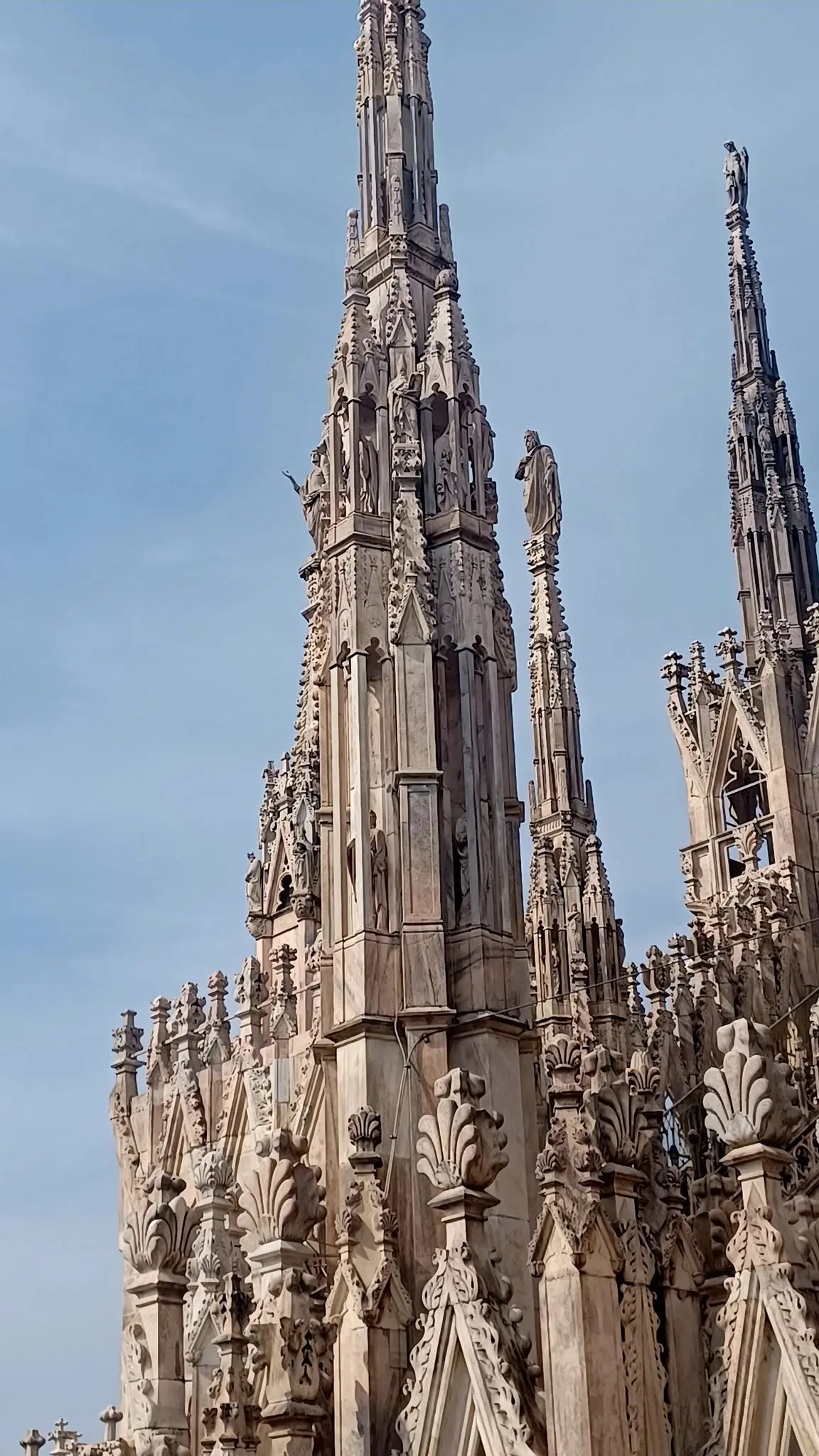
Italy · Church architecture / city landmark
Milan Cathedral
One of the largest churches in the world, held up by 135 spires and 2,245 statues; on its roof terrace you can walk through a forest of stone almost within reach of the golden Madonnina's sky.
Explore the local guide ↗Source leads: Milan Cathedral (official site of the Veneranda Fabbrica del Duomo); Milan city tourism materials.
Image source · Sarah Samoraj · CC BY 4.0
Source leads are being checked individually; confirm travel details with local official notices.
How do you like this place?
More cities in Italy
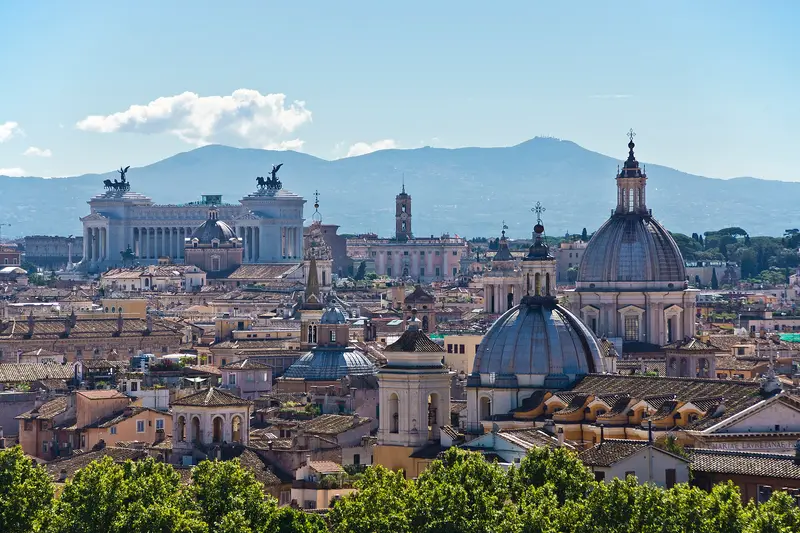
Roma
Rome
5 places
The 'Eternal City': the Colosseum, the Pantheon and the Vatican, a state within a city
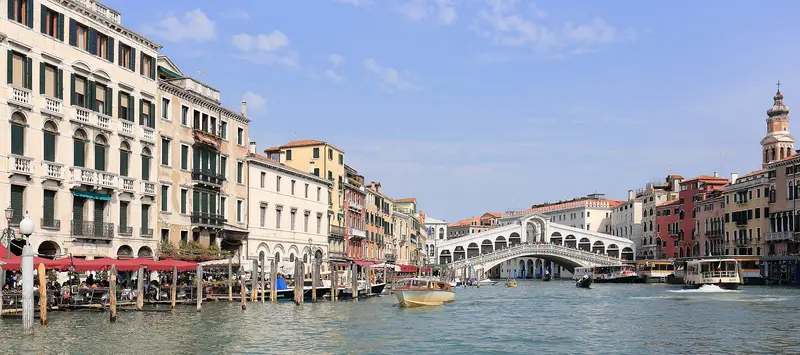
Venezia
Venice
3 places
A maritime republic built on a lagoon: St Mark's, the Doge's Palace and Carnival
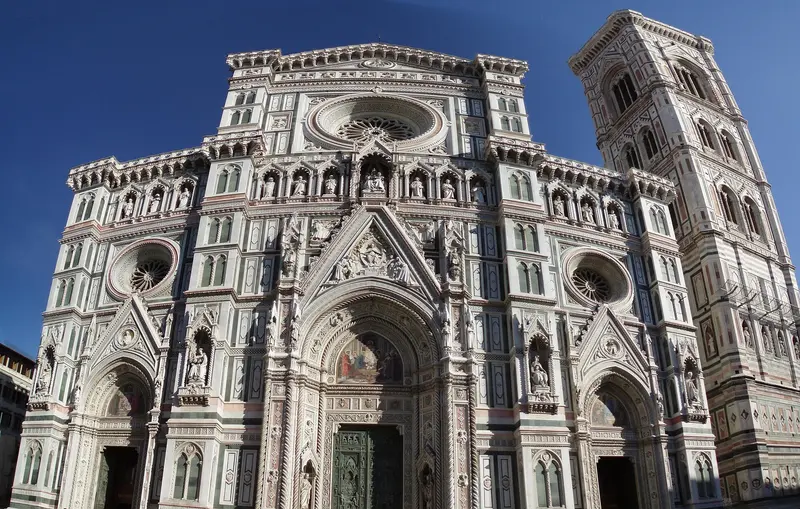
Firenze
Florence
2 places
Cradle of the Renaissance: the Duomo, the Ponte Vecchio and the Medici city of art
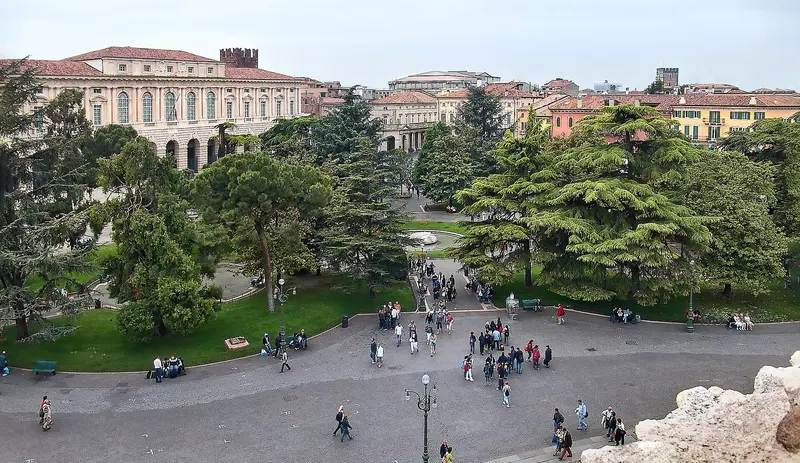
Verona
Verona
1 places
An old city in a bend of the Adige: the Roman Arena, the opera festival and Juliet's balcony
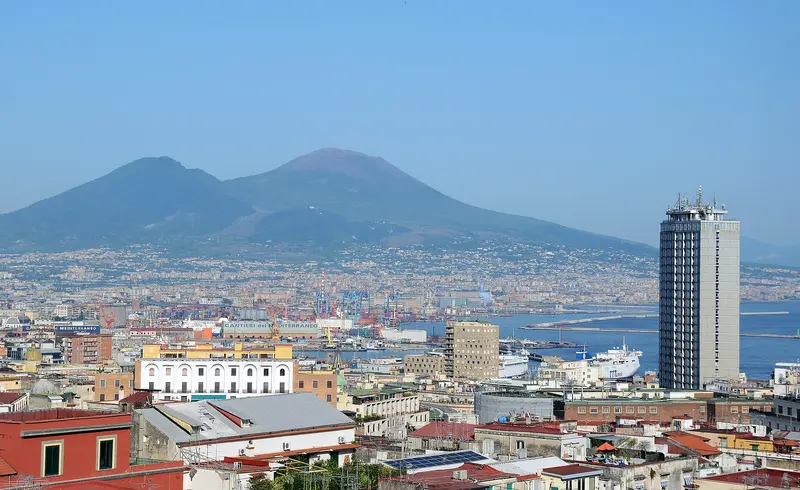
Napoli
Naples
2 places
From the Greek street grid to the Bourbon kingdom, read Mediterranean urban history on the Bay of Naples