
City guide · Tallinn
Tallinn
Reading Baltic trade history along the walls, the harbour and Kadriorg
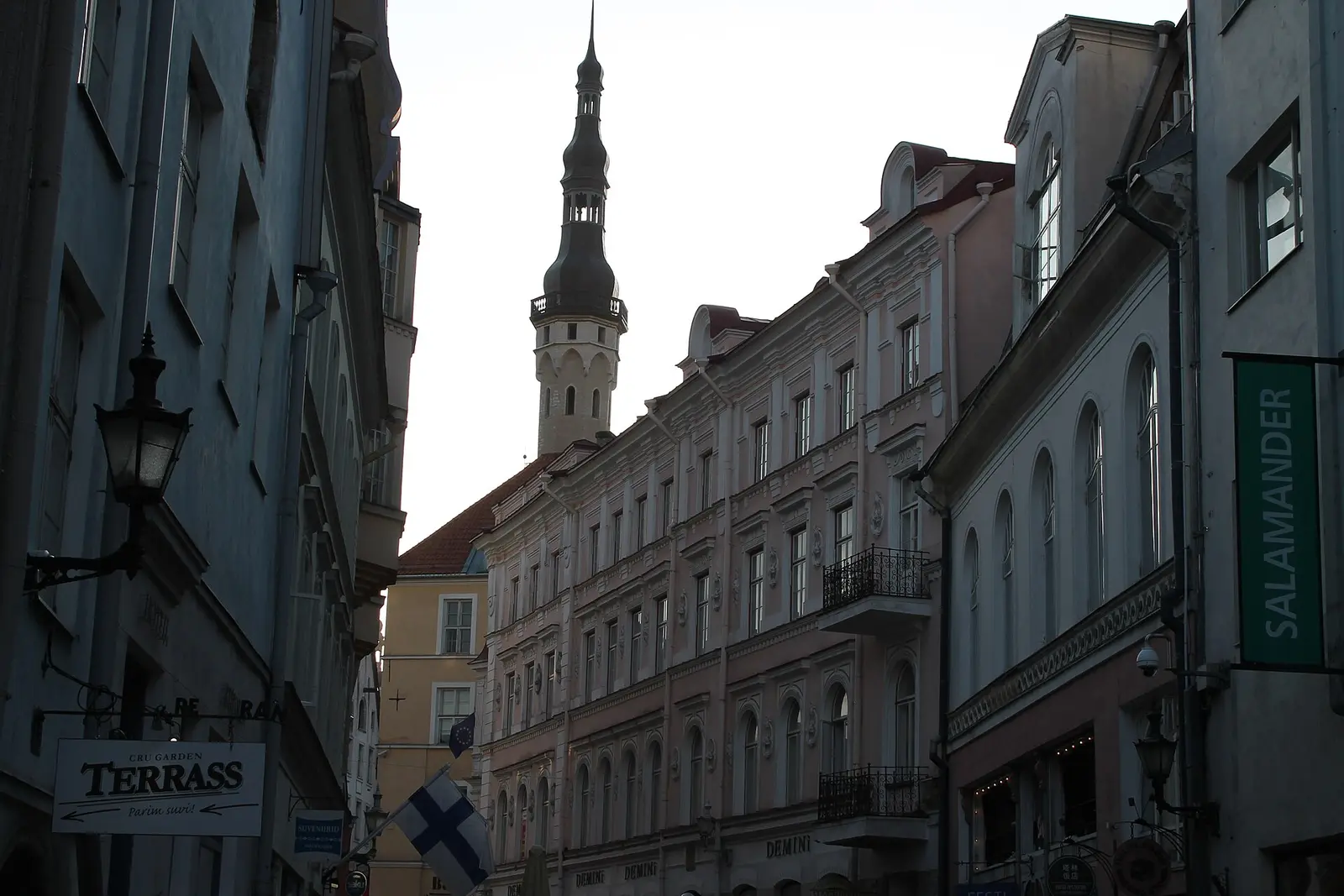
Tallinn Old Town preserves medieval streets where the upper and lower towns meet, city walls and merchants' buildings, and already has its own attraction page. Beyond the old town you can visit Kadriorg for its Baroque palace and park, or the Maritime Museum in the old seaplane hangars to learn about Estonia's maritime history. The three places have different themes and suit visiting in two stretches. If you arrive by boat from Helsinki, you can do the harbour and the old town on the same day; allow separate time for the palace, the park and the maritime exhibits. In winter the days are short and the seafront is windy, so shorten outdoor walks.
History
How the city came to be
Tallinn stands on the southern shore of the Gulf of Finland, where the Toompea hill and the low-lying harbour formed the city's early spatial framework. Tallinn City's official materials take 1219 as the starting point of the documentary record, when Danish power arrived here; in 1248 it received town rights under Lübeck law. From the 13th to the 16th century, harbour trade made it an important node in the Hanseatic network. The seat of power in the upper town and the merchants' quarter in the lower town sit side by side, and church spires, walls and house facades preserve the layers of this northern European trading city. Later changes of regime brought new administrative and defensive buildings; in the early 18th century Peter the Great built Kadriorg Palace and its gardens east of the city. Independence, occupation and renewed independence in the 20th century also changed city life. Tallinn Old Town was inscribed as World Heritage in 1997; its value lies in its intact street layout and ensembles of buildings, not in every building keeping the original appearance of one era. Today Tallinn combines a harbour, a historic core and new cultural spaces outside the old town, and when you visit you can compare the background against which each was formed.
- 1219Tallinn City's official materials take this year as the point of the early documentary record.
- 1248Received town rights under Lübeck law.
- 13th to 16th centuryHarbour trade made Tallinn part of the Hanseatic trading network.
- Early 18th centuryConstruction of Kadriorg Palace and park began.
- 1918Estonia declared independence.
- 1991Estonia restored its independence.
- 1997Tallinn Old Town was inscribed as World Heritage.
Stories
Stories of the city
A northern outpost of the Hanseatic League
History · Tallinn Old Town
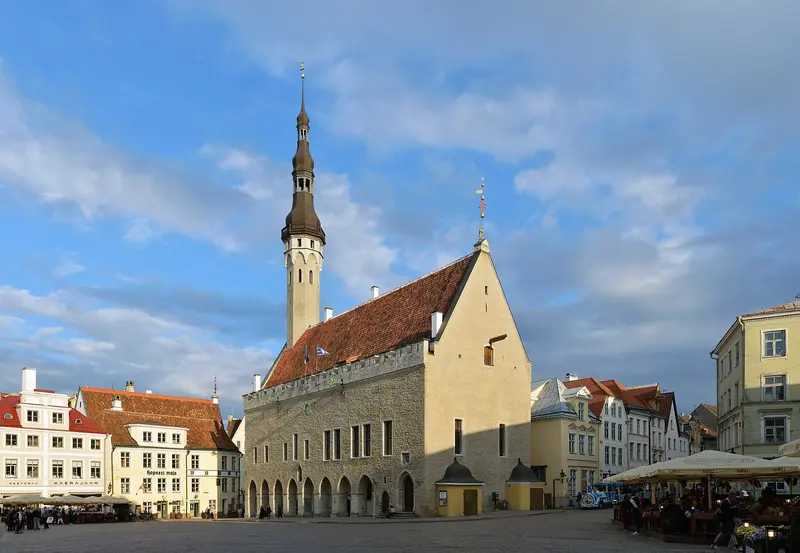
From the 13th to the 16th century, Tallinn was an important Hanseatic trading centre and one of the League's most remote outposts. The merchants' wealth was turned into churches, the Town Hall and merchants' houses, and most of the city walls built in the 13th century still stand today.
The air raid of March 1944
History · Tallinn Old Town
During the German occupation of 1941–1944, the Old Town was hit by several Soviet air raids. The raid of March 1944 was the worst: over a thousand incendiary bombs fell on the city, hundreds of people were killed, more than 20,000 lost their homes, and about 10% of the Old Town's buildings were destroyed. The damaged quarters were gradually restored after the war.
How do you like this place?