City guide · Warszawa
Warsaw
From the rebuilt Old Town to the Royal Castle and the Uprising Museum, understand Warsaw's destruction and revival
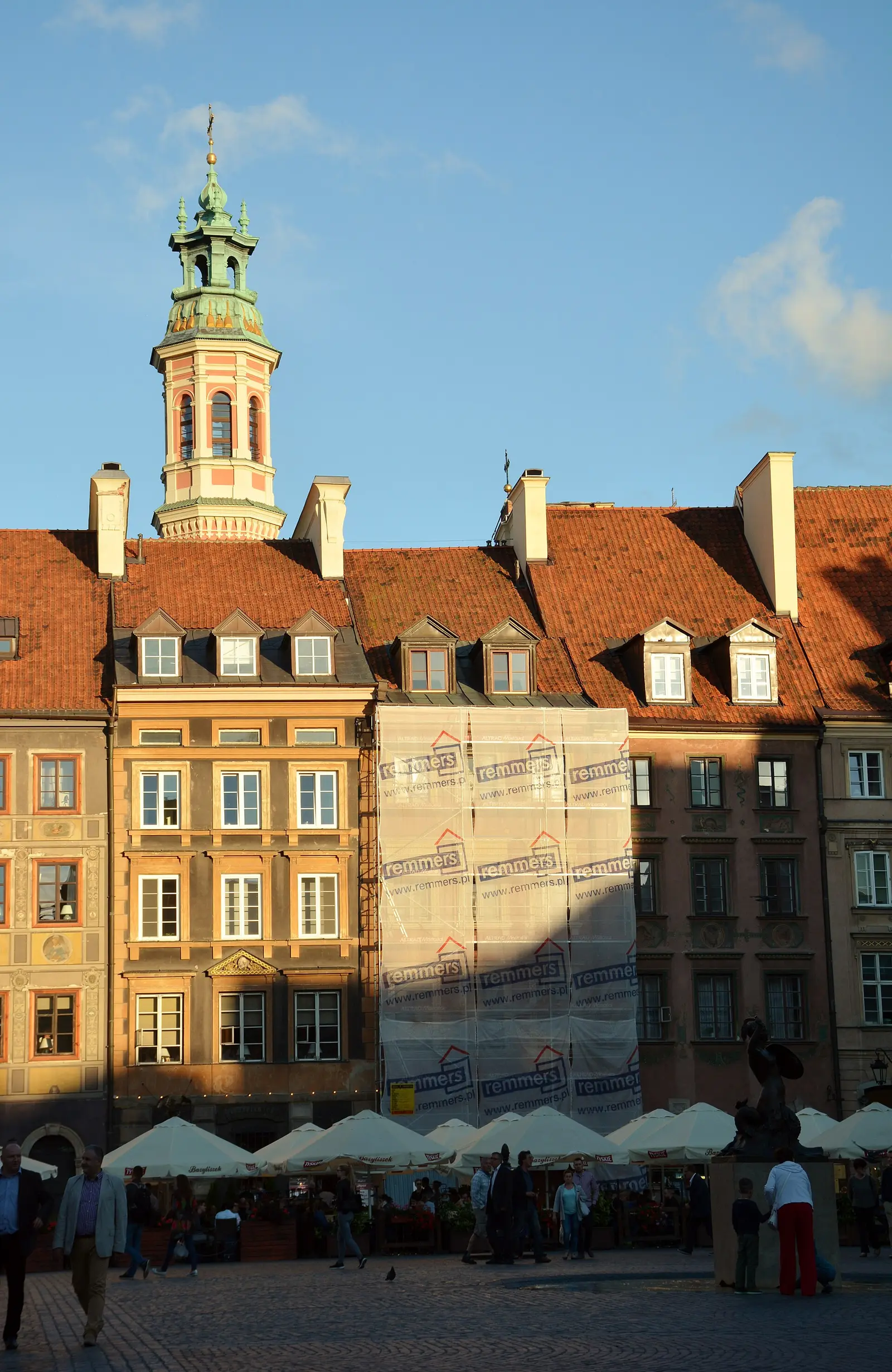
Warsaw's Old Town is not a medieval district untouched by war: it was severely damaged in the Second World War and rebuilt after the war based on archives, images and surviving fragments. Placing the Old Town, the Royal Castle and the Uprising Museum on one narrative line connects urban space with 20th-century history, while Łazienki Park shows another chapter of royal life. Also worth visiting in the city: the Royal Castle in Warsaw, Łazienki Park and the Warsaw Rising Museum. If you are continuing to Kraków, arrange transport and length of stay separately for the intercity trip.
History
How the city came to be
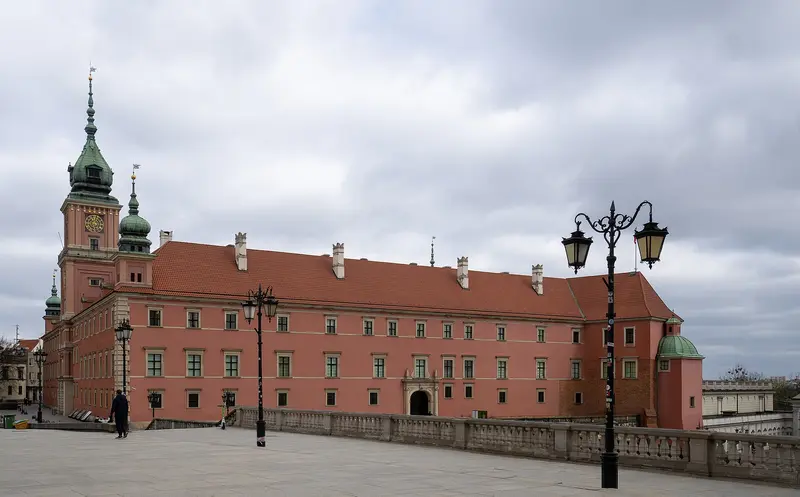
The street network of Warsaw's Old Town took shape in the Middle Ages, and the Royal Castle and the squares around it later became important venues for Polish monarchs and public political life. At the end of the 18th century the Constitution of 3 May 1791 was adopted in Warsaw, linking the castle and the city's history with the history of the nation's institutions. When Germany invaded Poland in 1939, the Royal Castle was set on fire and damaged; during the Warsaw Uprising in 1944, German forces destroyed the castle further, and more than 80 per cent of the buildings in the historic centre were destroyed. After the war, residents, conservators and many others rebuilt the old town using old archives, images and surviving building materials, with the main works lasting from 1945 into the 1950s; the Royal Castle was rebuilt at a later stage and opened to the public in 1984. In 1980 the Historic Centre of Warsaw was inscribed as a World Heritage Site, and its value lies precisely in this large-scale reconstruction itself, not in any claim that the buildings are unrestored originals. Today Warsaw is best explored by treating the Old Town and the Royal Castle as sites of reconstruction history, then visiting the Uprising Museum to understand why the city was reduced to ruins in 1944.
- Middle AgesThe streets and defensive layout of Warsaw's Old Town gradually took shape.
- 1791The Constitution of 3 May was adopted in Warsaw.
- 1939Germany invaded Poland, and the Royal Castle in Warsaw was damaged by fire.
- 1944During the Warsaw Uprising, the Royal Castle and the historic centre were severely damaged.
- 1945–1951The Warsaw Reconstruction Office drew up and carried out the main reconstruction plans for the old town.
- 1980The Historic Centre of Warsaw was inscribed as a World Heritage Site.
- 1984The rebuilt Royal Castle opened to the public.
Stories
Stories of the city
The mermaid who guards Warsaw
Legend · Warsaw Old Town
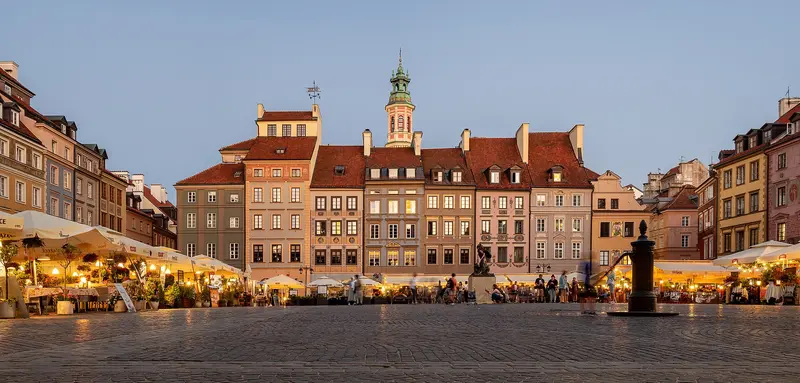
Legend says a mermaid stopped to rest on a riverbank near the Old Town, tangling the fishermen's nets and setting their catch free. The fishermen planned to trap her but were won over by her singing. Later a rich merchant captured her and the fishermen set her free; ever since, armed with sword and shield, she has protected the city.
Rising from the ruins
History · Warsaw Old Town
The post-war rebuilding of the Old Town is regarded as the world's first attempt to resurrect an entire historic city core, and the Old Town officially reopened on 22 July 1953. Some of the artistic licence in Bellotto's paintings was carried over into the rebuilt buildings you see today.
Must see
Places you shouldn’t miss
How do you like this place?