
Western Europe Supplement · Castle / historic capital
Edinburgh Castle
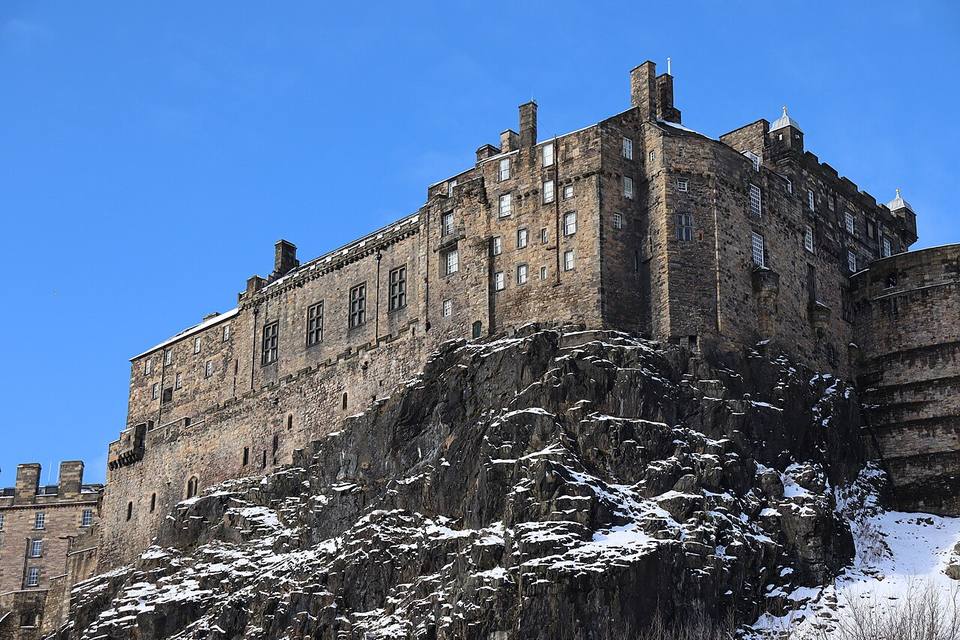
A thousand-year fortress on the plug of an extinct volcano, with the Crown and the Stone of Destiny inside it, and the Royal Mile sliding downhill from the castle gate all the way to the Palace of Holyroodhouse.
Location
Edinburgh, Scotland, United Kingdom
Stories and legends
King Arthur's association with Edinburgh (the name of Arthur's Seat) belongs to the layer of legend.
History and context
The castle rock has seen human activity since the Iron Age, and the royal castle's history runs from David I in the 12th century; St Margaret's Chapel is the oldest building in the city (early 12th century); the Honours of Scotland (the crown jewels, made in the 15th–16th centuries) and the Stone of Destiny are kept here (the Stone was returned to Scotland from London in 1996; for the arrangement to exhibit it at the new Perth Museum from 2024, follow the latest official information and check before travelling); the One O'Clock Gun has been fired daily in a tradition continued since 1861 (with exceptions such as Sundays, as announced by the castle); entry is by reserved ticket (operated by Historic Scotland).
Local life
Edinburgh's character is a tale of two cities: the Old Town's medieval tall stone tenements (the "lands") face the New Town's Georgian terraces across the valley, and together they are a World Heritage site. The castle is the anchor of the city — during the August Fringe (the world's largest performing-arts festival, usually held in August, as officially announced), the Royal Mile turns into an open-air theatre, and the Military Tattoo takes the castle esplanade as its backdrop.
Customs
The One O'Clock Gun is a daily ceremony; the Fringe and the Tattoo are the twin peaks of August, and accommodation must be booked months ahead.
Beliefs
St Margaret's Chapel is a historic chapel (of Catholic origin); the whole centres on royal and military heritage.
Local etiquette
Castle security bars large items of luggage (there is no settled storage nearby — leave them at the station first); no photography in the Crown exhibition rooms; do not stand directly in front of the muzzle when the gun is fired; Scottish weather changes in a moment, and the castle rock is a funnel for the wind — windproof clothing is essential.
Visiting notes
Best in spring and autumn and during the August festivals (when atmosphere and prices peak together); book a timed-entry ticket in advance on the official website; visit in this order: the Crown and the Stone of Destiny first, then the individual museums, against the flow of the crowd; give the Palace of Holyroodhouse and Arthur's Seat a separate day.
What to eat nearby
Haggis (a pudding of sheep's offal — Scotland's national dish; order it knowingly, as it contains offal); whisky (single malts, in distillery experience shops); Scottish salmon; meat pies and oatcakes; shortbread
The pub belt along the Royal Mile, and the old pubs of the Grassmarket
Haggis with mashed potato and mashed swede (neeps and tatties) is the formal pairing; a drop of water to release the aroma is the Scottish way of tasting whisky — do not add ice to a precious vintage (a matter of personal freedom; simply know the custom)
A sit-down meal £20–35 (approx. RMB 184–322, for reference only)
The castle ticket includes the timed talks in the small museums — collect the day's programme first; walk back down the Royal Mile to save your legs.
Source leads: Edinburgh Castle (Historic Environment Scotland, official); UNESCO, Old and New Towns of Edinburgh (1995).
Image source · Mike Shaw · CC BY-SA 4.0