
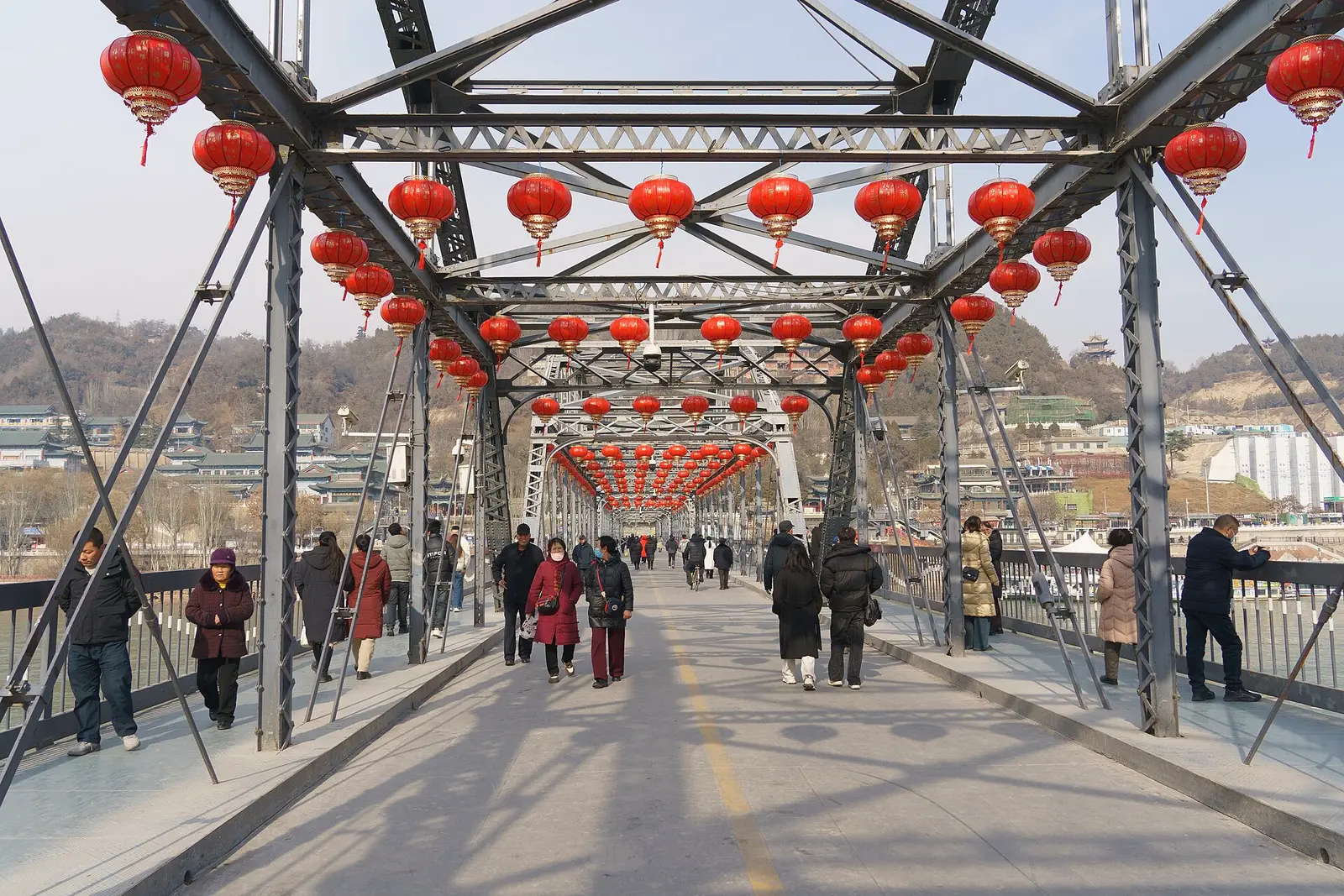
Zhongshan Bridge and the Yellow River Scenic Belt
兰州中山桥 · Chengguan District, Lanzhou, Gansu, China
Walk from a modern iron bridge to the public spaces on both banks and see how the Yellow River has shaped Lanzhou.
Know before you go
- Do not climb over railings, approach water's edges that are not open, or enter warning zones when the water is high or the wind strong. Do not place the whole Yellow River Scenic Belt at a single point in the middle of the bridge, and do not set up equipment on the bridge for long and obstruct traffic
- the bridge has been maintained, so not every component today should be called an original from 1909.
This article is Not yet verified. Please check official announcements for prices, opening hours and dates.
Culture
Culture & customs
Background
Zhongshan Bridge was originally the Lanzhou Yellow River Iron Bridge; construction began in 1908, it opened to traffic on completion in 1909, and it was renamed in 1928. It connects the south and north banks of the Yellow River, and from the north end you can continue to Baita Mountain; the Yellow River Scenic Belt is a much longer riverside public space and should not be equated with the bridge itself.
Local customs
- Please follow the bridge deck and the open riverside promenades, and when you stop on the bridge for photos, leave a way through for pedestrians. Along the river, pay attention to water levels, wind and on-site warnings
- if you meet maintenance, crowd control or temporary restrictions, follow staff directions for detours. The riverbank is an everyday leisure space for residents, so it is best to ask for consent before photographing other people up close.
Religion & beliefs
- Zhongshan Bridge is a modern transport structure and the Yellow River Scenic Belt is a public riverbank
- neither has a common religious visiting ritual. If you enter a temple, mosque or other religious site along the way, follow that site's own requirements on dress, photography and worship space
- do not regard the bridge and every building along it as the same kind of place.
Etiquette & taboos
Etiquette & taboos
Rules that apply here
China: At Qingming tomb-sweeping, no burning paper or open flames in wooded areas
Do
- Check whether the cemetery requires a reservation before you go
- Stay quiet while laying flowers, bowing and observing silence
- Consider flowers, tree planting or online memorials instead of burning paper
- Dress soberly for tomb-sweeping
- Take offering wrappers and rubbish with you when you leave
Don’t
- Don't burn paper, incense or candles, or set off firecrackers, in woods or grassland
- Don't talk loudly or joke around in the cemetery
- Don't block cemetery paths for long to take photos
During fire-prevention periods, burning paper, incense and candles is strictly banned in forest and grassland fire zones, and anyone who starts a wildfire may be held legally liable. Whether and where a cemetery allows burning is set by its own rules on site.
Verified Oct 19, 2026Source: Xinhua: Two departments deploy safety measures for the Qingming holiday
China: Go through security before the metro, and park shared bikes in marked zones
Do
- Cooperate with the security check at the entrance and put bags through the scanner
- On the platform, wait beside the doors and let passengers off first
- Register with your real name in the app before riding a shared bike
- Park in a marked bay or an app-designated spot, and make sure the lock clicks shut
- If the brakes or lock don't work, switch bikes and report it in the app
Don’t
- Don't linger in the doorway or force your way through closing doors
- Don't leave bikes in traffic lanes, fire lanes or on tactile paving
- Don't let children under 12 ride shared bikes
If you refuse the security check you will not be let into the station. Badly parked bikes are removed, and riders may face action under local rules and the operator's terms.
Verified Oct 19, 2026Source: People's Daily Online: Beijing issues standards for shared bike technology, services, parking
China: No smoking anywhere on high-speed trains, and no phone calls in quiet carriages
Do
- Sit in the carriage and seat shown on your ticket
- Put large luggage in the racks at the carriage ends or overhead
- Use headphones for videos and music
- In a quiet carriage, step outside to make or take calls
- Before getting off, check around your seat and take your rubbish and belongings
Don’t
- Don't smoke anywhere on the train, including toilets and vestibules
- Don't take someone else's seat
- Don't choose a quiet carriage when travelling with babies or toddlers (12306 advises against it)
Smoking on a bullet train can set off smoke alarms and slow or even stop the train. Smokers are fined by the police and, according to reports, may also be barred from buying bullet-train tickets; official rules prevail. If someone breaks the quiet-carriage rules, tell the train staff.
Verified Oct 19, 2026Source: Travel China Guide: Smoking on Chinese trains
China: Stay on open sections of the Great Wall and never carve the bricks
Do
- Walk only on open sections and marked routes
- On steep stretches, stop and steady yourself before taking photos, and watch your step
- Wear non-slip shoes, carry enough water, and turn back if you are tired
- Carry your rubbish down or put it in a bin
- Check opening arrangements before you go; official announcements prevail
Don’t
- Don't carve, write on or prise loose the bricks
- Don't climb over fences or onto closed, crumbling walls and watchtowers
- Don't run or push on steep sections
Carving the Great Wall counts as damaging a cultural relic: one visitor who carved his name at Badaling was given administrative detention and a fine by the police and was blacklisted by the scenic area. Closed sections are not maintained and can be dangerous.
Verified Oct 19, 2026Source: China News Service: Man detained for five days and fined 200 yuan for carving on the Badaling Great Wall
China: book popular sights in advance, under your real name, through official channels
Do
- Check the booking rules on the site's official website, mini program or account before you go
- Enter every companion's ID details in advance and pick an entry time slot
- Children, seniors and others with free or reduced tickets also book as required and show ID
- Book early for holidays and summer; popular dates often fill quickly
Don’t
- Don't trust third parties offering to grab tickets or sell 'insider' tickets
- Don't assume a free ticket means no booking is needed
- Don't count on buying tickets at the gate on peak days
Once a popular date is fully booked, you may be turned away. China's Ministry of Culture and Tourism requires sites to keep in-person ticket windows and to accommodate seniors and others, but on-site quotas are limited; booking windows, release times and visitor caps are subject to official announcements.
Verified Oct 19, 2026Source: China Daily: Ministry of Culture and Tourism requires all scenic areas to keep ticket windows
China: set up mobile payment before you go; hotels and tickets are booked under your passport
Do
- Link a foreign bank card to Alipay or WeChat Pay before departure
- Carry some cash in yuan for small stalls, remote areas or payment glitches
- Expect real-name checks at hotels, for train tickets and popular sights; use your passport
- Make sure the name and number on bookings match your passport exactly
- If a station gate cannot read your passport, use the staffed lane
Don’t
- Don't wait until you arrive to set up payment; verification can take time
- Don't assume cash alone or a bank card alone will work everywhere
- Don't book with details that differ from your passport
Without a working payment method, or with mismatched ID details, you may be unable to check in, buy tickets or enter sights. Payment limits, fees and platform rules are subject to official announcements.
Verified Oct 19, 2026Source: Gov.cn: Payment services for foreign visitors to China
China: Queue, don't smoke where banned, and never carve on heritage sites
Do
- Wait your turn in line, and follow staff directions when it's crowded
- On buses and the metro, let passengers off first and offer seats to those in need
- Book popular sights and museums in advance, under your real name, through official channels
- Sort your rubbish into the right bins
- Use serving chopsticks and spoons, and order only what you can eat
Don’t
- Don't cut in line or walk side by side blocking the way
- Don't smoke where it is banned; many cities ban smoking in indoor public places and on public transport
- Don't carve or write on historic buildings or ancient trees, or climb on or touch relics
- Don't use flash or tripods in exhibition halls
- Don't talk loudly or play music out loud in public places
Staff will stop you from queue-jumping, smoking where banned or marking relics, and smoking in no-smoking areas or damaging relics can also lead to fines under the law. Fine amounts, booking methods and opening hours are as officially announced.
Verified Oct 19, 2026Source: Palace Museum official site: Visit
Don’t DON'T
- Do not climb over railings, approach water's edges that are not open, or enter warning zones when the water is high or the wind strong. Do not place the whole Yellow River Scenic Belt at a single point in the middle of the bridge, and do not set up equipment on the bridge for long and obstruct traffic
- the bridge has been maintained, so not every component today should be called an original from 1909.
Locals appreciate DO
- First observe the bridge and the river from the south end, then cross and look north at how Baita Mountain and Jincheng Pass relate to each other
- when reading the bridge's name and construction date, distinguish the original name "Yellow River Iron Bridge" from the later "Zhongshan Bridge". If you have time, choose a stretch of the open riverside promenade to stroll and understand from different angles how the Yellow River runs through the city.
Plan your visit
Practical info
Travel tips
- To see just Zhongshan Bridge and the nearby stretches of both banks, allow about 1–2 hours
- if you continue across the bridge to climb Baita Mountain and visit Jincheng Pass and the Lanzhou Stele Forest, plan half a day. The bridge spans the Yellow River in Chengguan District
- take public transport from the city centre to near the south end and walk from there
- from Lanzhou West Station or the Gansu Provincial Museum, allow an extra buffer of about 30–60 minutes. Crossing the bridge, the riverside promenades and the hillside entrances may change due to maintenance, water conditions or events, so check local tourism and on-site notices before you go. It is best to walk the bridge at dusk and climb Baita Mountain at another time with plenty of daylight
- if you also plan to visit the provincial museum that day, shorten your riverside walk. If you plan to see the night views, confirm your return transport first, and do not go near the riverside railings where the light is poor.
How do you like this place?
More nearby
Also in Gansu
Nearby sights
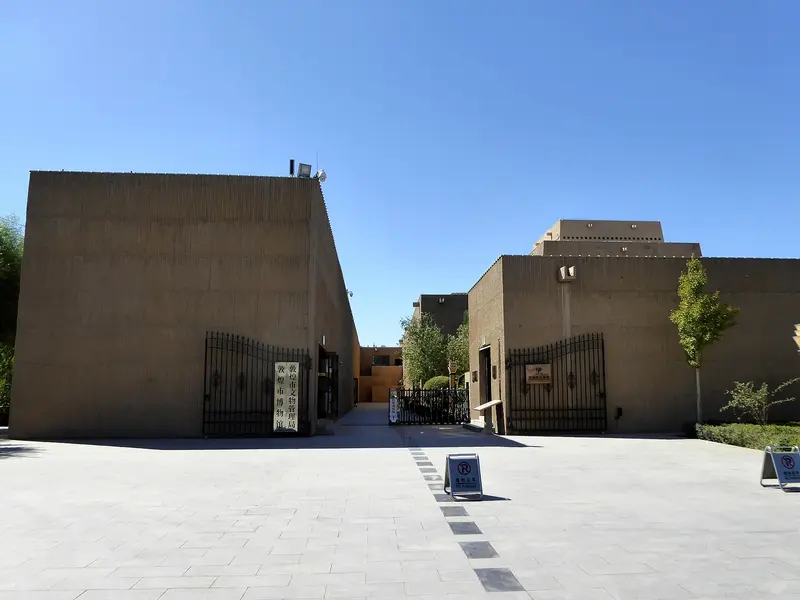
Dunhuang Museum
In the castle-like city museum, use Han bamboo slips, silk and pottery to understand "a metropolis where Chinese and western peoples met".
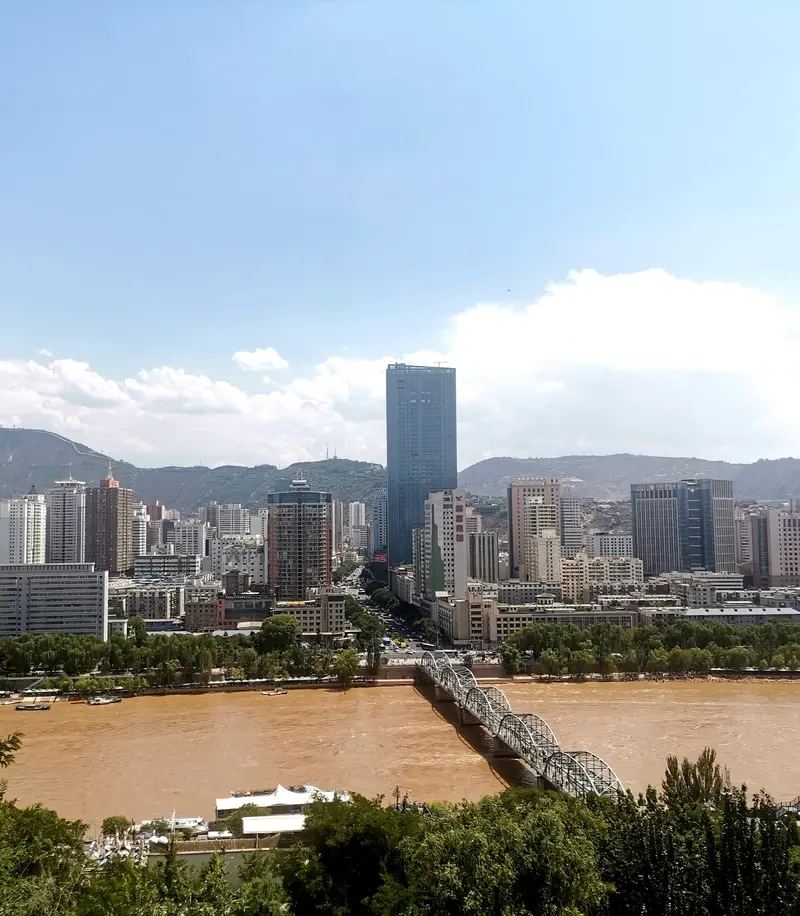
Baita Mountain Park
Climb Baita Mountain on the north bank of the Yellow River and look down on the iron bridge and the valley city.
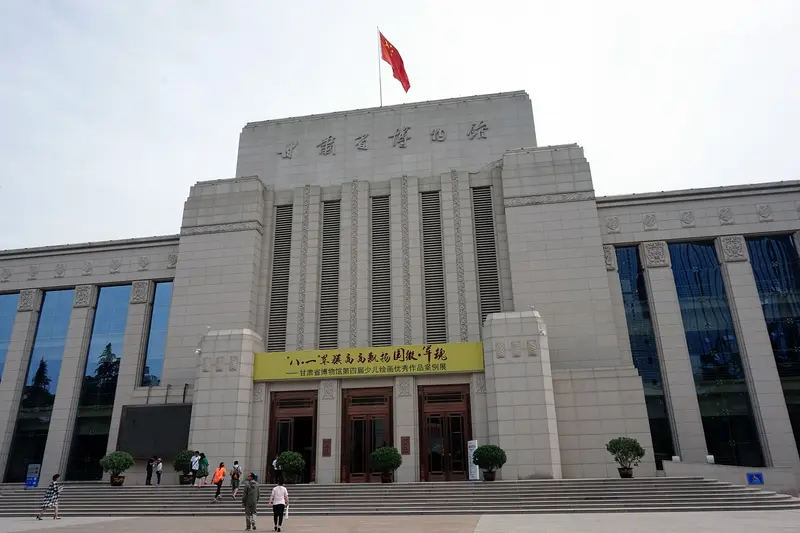
Gansu Provincial Museum
Learn about Gansu's many layers of history through painted pottery, bamboo and wooden slips, and Silk Road artefacts.
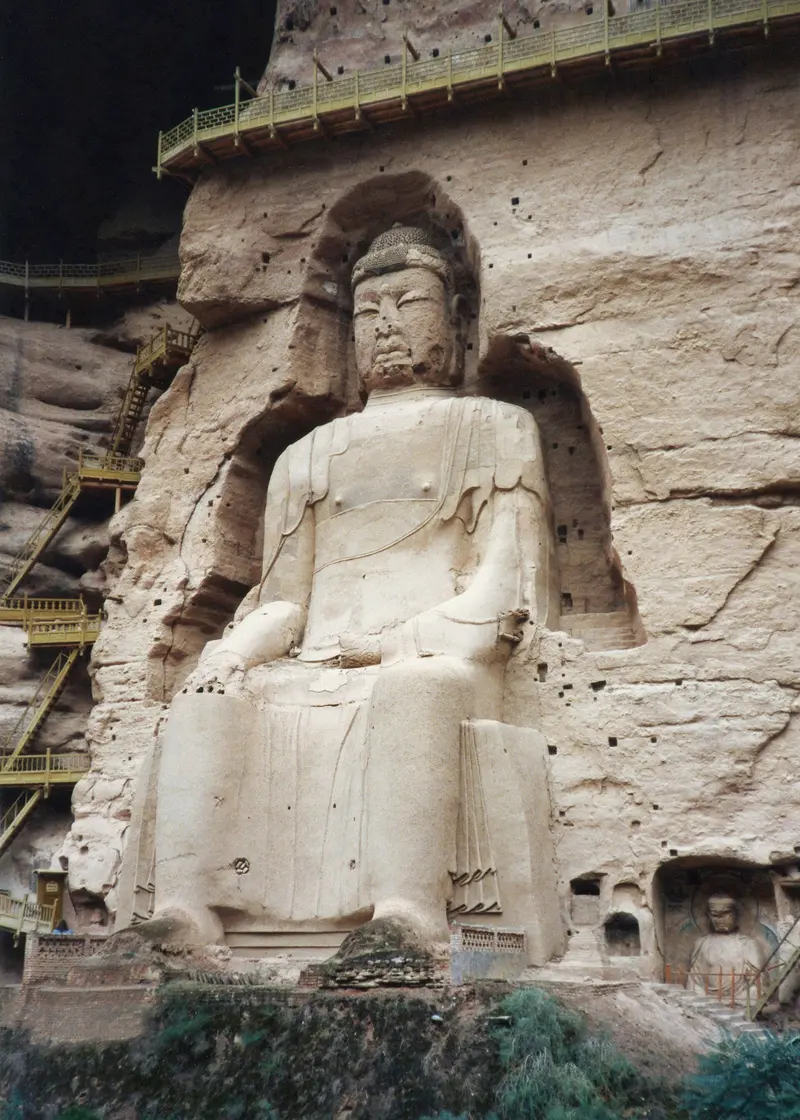
Bingling Temple Grottoes
A thousand-year-old complex of grottoes on the cliffs of a Yellow River gorge, with 183 caves and niches, 694 stone statues and 82 clay sculptur…
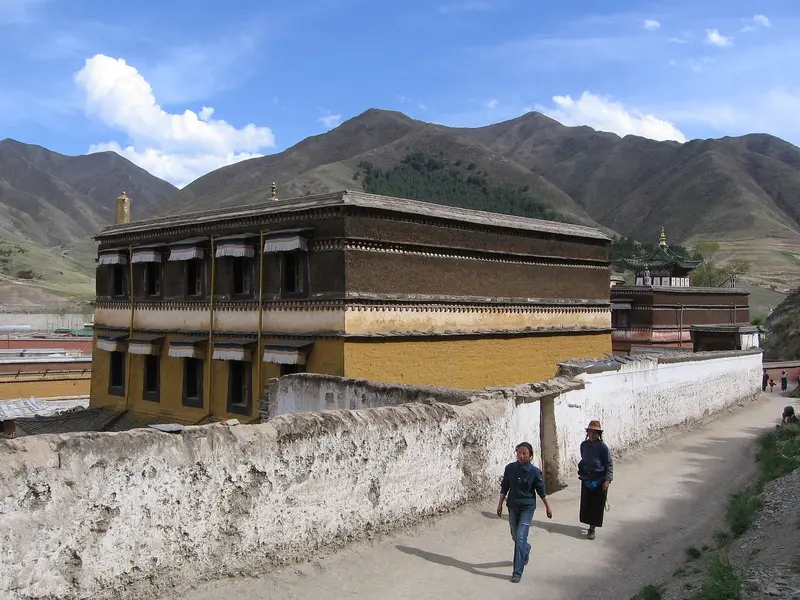
Labrang Monastery
One of the six great monasteries of the Gelug school of Tibetan Buddhism, its white-walled, golden-roofed buildings spreading along the Daxia Ri…
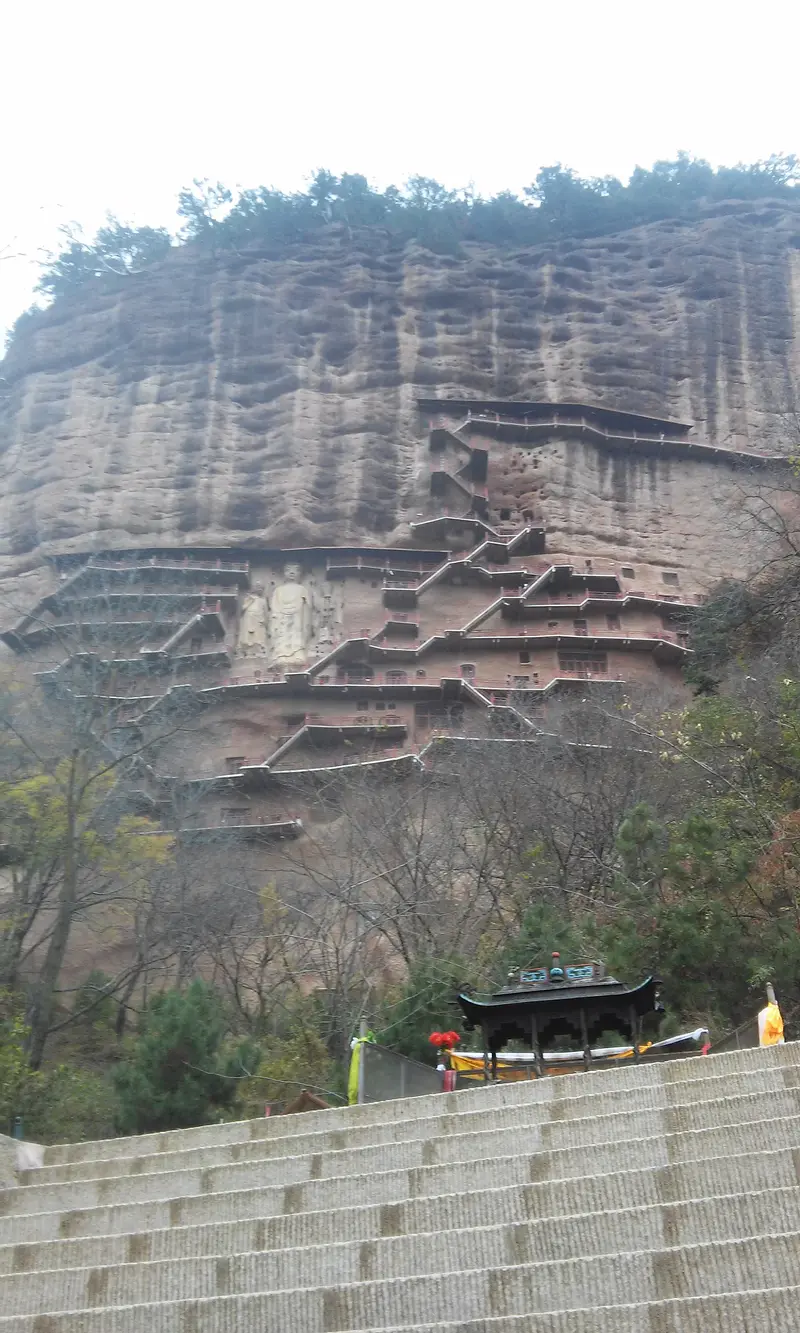
Maijishan Grottoes
A complex of caves cut into the cliffs of an isolated peak of purplish-red sandstone, with 194 surviving caves, more than 7200 sculptures and ov…
Local legends
 Zhangye DanxiaA palette knocked over by heavenLocal people often say that Zhangye Danxia is a palette knocked over by heaven, its many-coloure…
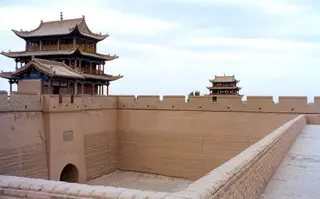 Jiayuguan PassThe extra brickLegend says that before Jiayuguan was built, the official in charge asked the designer to estima…
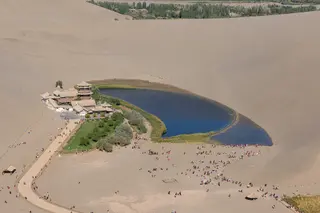 Mingsha Mountain and Crescent SpringThe three treasures of Crescent Spring and why it never driesAbout the Crescent Spring, Dunhuang folklore tells of three treasures (a folk legend): iron-back…