Shuni-e at Todai-ji (Omizutori)
東大寺修二会(お水取り) · Nigatsu-do, Todai-ji, Nara, Nara Prefecture
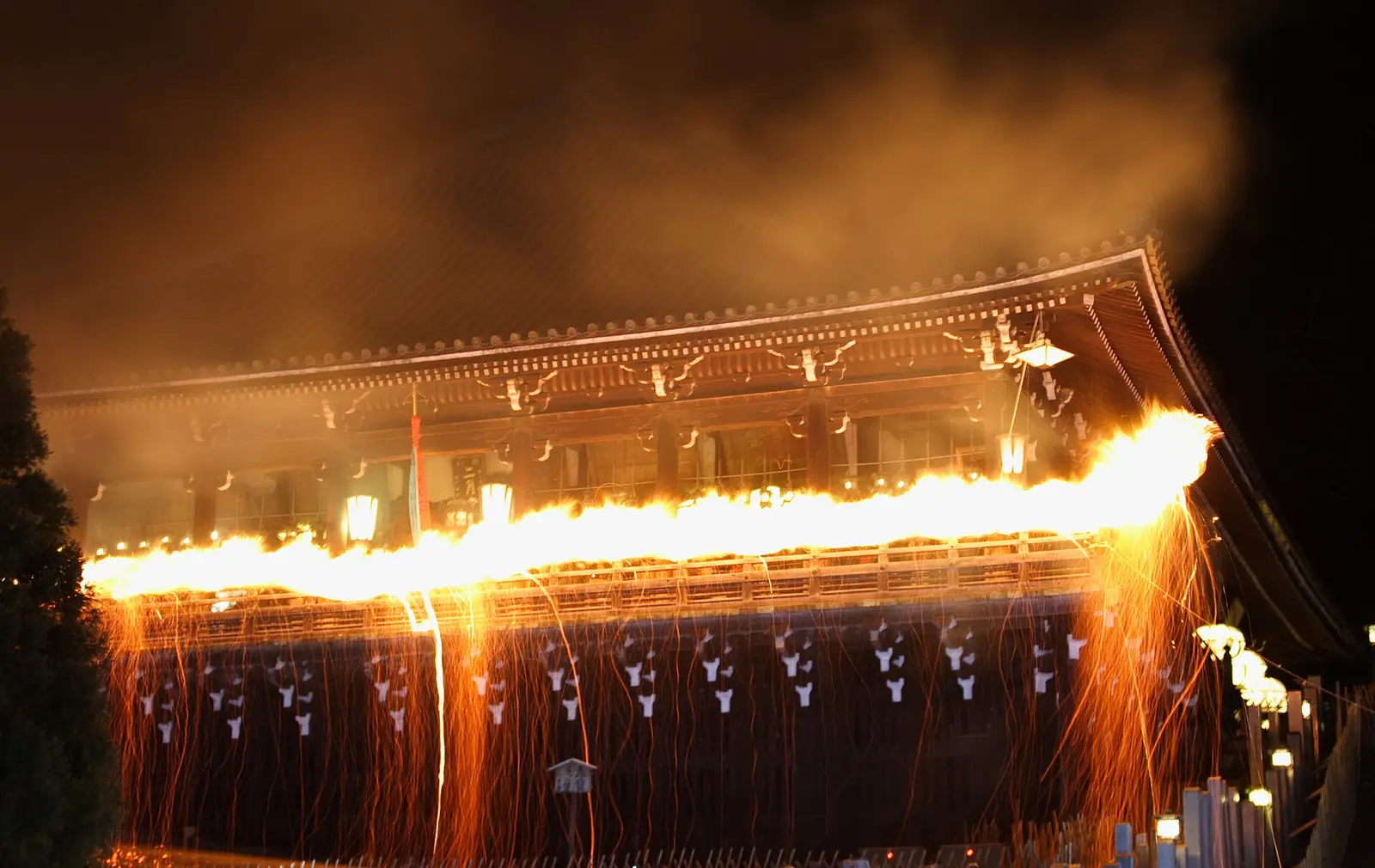
A Buddhist rite begun in 752: on nights in the first half of March, huge torches shower sparks from the balcony of Todai-ji's Nigatsu-do hall.
Know before you go
- Making noise during the rite
- using flash or blocking the paths
Culture
Culture & customs
Background
Shuni-e was founded in 752 (Tenpyo Shoho 4) by the monk Jitchu, a senior disciple of Roben, Todai-ji's founding abbot. At its core is the Juichimen Keka, a rite in which monks repent before the Eleven-faced Kannon. The main rite is held at Nigatsu-do from March 1 to 14 each year and concludes on March 15. Every night during the rite great torches are lit to light the way for the monks going up to the hall; swung along the Nigatsu-do balcony, they shower sparks that are believed to ward off evil, and this part is known as Otaimatsu. Late on the night of March 12 (around 1:30 a.m. on the 13th), monks draw water from the Wakasa Well below Nigatsu-do as an offering to Kannon, which gives the rite its popular name, Omizutori (water drawing).
Local customs
- Watch the Otaimatsu torches from below Nigatsu-do
- learn the story of the Juichimen Keka and the water drawing
Etiquette & taboos
Etiquette & taboos
Rules that apply here
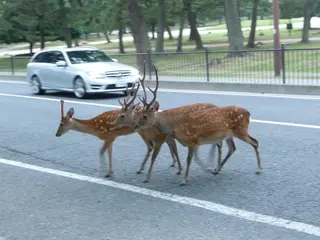
Nara: feed the deer only shika senbei, nothing else
Do
- Feed only the deer crackers (shika senbei) sold in the park
- Show your open hands when you have run out
- Keep plastic bags, paper bags, maps, and bags out of reach
- Take your rubbish with you; there are few bins in the park
- Stay beside children when they approach the deer
Don’t
- Do not feed bread, snacks, drinks, or your own food
- Do not tease deer by holding crackers out of reach
- Do not chase, corner, or ride the deer
- Do not approach or touch fawns; does guard them in spring and stags are edgy in autumn
- Do not bring dogs near the deer
Nara's deer are a national natural monument, and feeding them anything other than deer crackers is prohibited in the park. Human food and swallowed plastic make them ill, and startled or impatient deer may butt you or tug at your clothes.
Verified Oct 19, 2026Source: GLTJP: Interacting with the Nara Deer
Don’t DON'T
- Making noise during the rite
- using flash or blocking the paths
Locals appreciate DO
- Arrive early and wait below Nigatsu-do
- stay quiet and respect the religious rite in progress
- wear warm clothing
Plan your visit
Practical info
| 2027 dates | March 1 – 14, 2027 |
|---|
Travel tips
The main rite is held from March 1 to 14 every year and concludes on March 15. Nigatsu-do is within the Todai-ji grounds. Large crowds come to see the Otaimatsu, so arrive early and follow staff directions. Exact times are as announced by Todai-ji.
2027 schedule
- The main rite runs from March 1 to 14, 2027
- water is drawn from the Wakasa Well late on March 12 (early on the 13th), and the rite concludes on March 15.
Festival Calendar
Other festivals in Mar
- Mar4Over for this year
Moomba Festival, Melbourne
Australia's largest free community festival: carnival rides along the Yarra, the Moomba Parade, and the Birdman Rally, w…
- Mar8Over for this year
Nyepi in Bali
Balinese Hindu New Year: the whole island turns off its lights and falls silent for a day — even the airport shuts.
- Mar13Over for this year
St Patrick's Day in Ireland
Every 17 March Dublin turns green: a national parade of more than 3000 participants winds through the city, landmarks ar…
- Mar15Over for this year
Falles of Valencia
Every mid-March, hundreds of giant fallas figures rise in Valencia's neighbourhoods; after days of firecrackers, firewor…
- Mar21Over for this year
Navruz in Samarkand
The new year festival around the March 21 equinox: in Samarkand's parks, people cook sumalak in huge cauldrons, dance, w…
- Mar22Over for this year
Holi in Delhi
The spring festival of colours: a Holika bonfire on the eve, then a day of throwing coloured powder and water at everyon…
How do you like this place?
More nearby
Also in Nara
Nearby sights
Nara Park
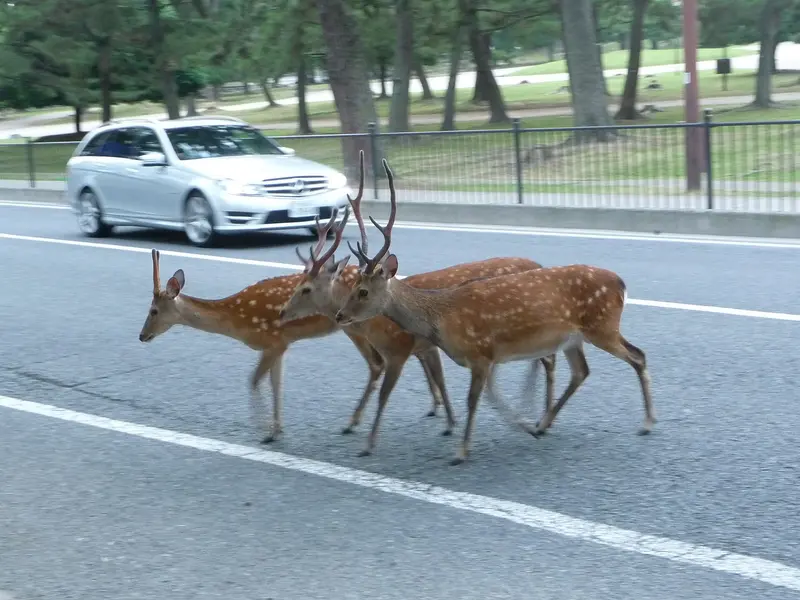
An ancient capital where 1,200 sacred deer roam: the thousand-year Heijō-kyō guarded by deer and the Great Buddha
Kasuga Taisha
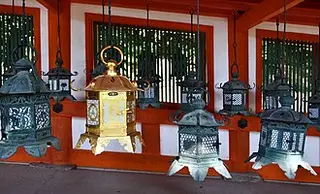
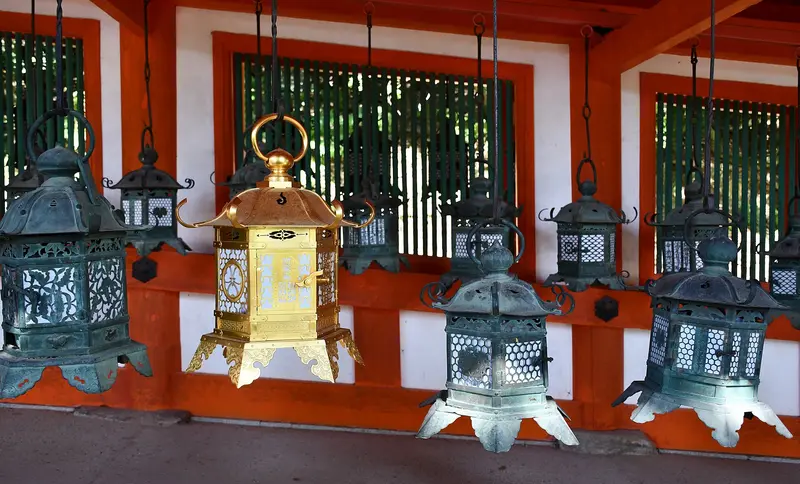
Vermilion Kasuga-style sanctuaries set against the Kasugayama Primeval Forest, approaches lined with stone lanterns, and more than three thousan…
Tōdai-ji
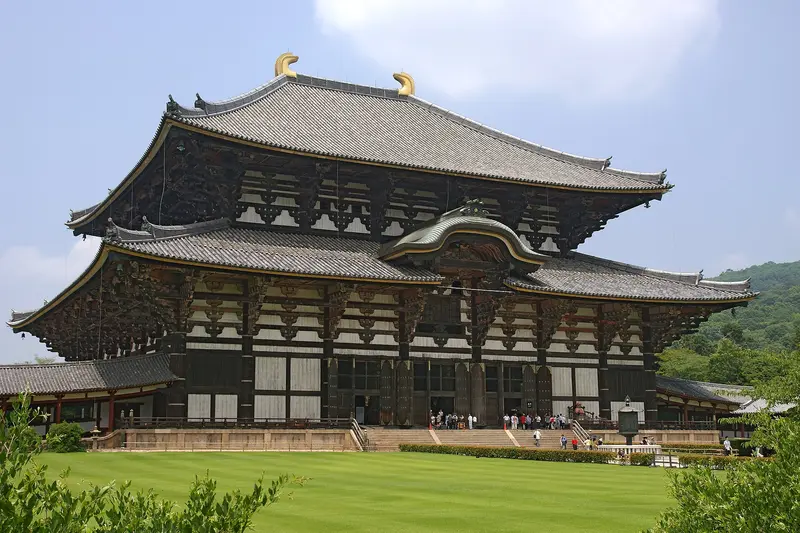
The Great Buddha that Emperor Shōmu poured a nation's resources into: the world's largest bronze Vairocana, seated in a vast wooden hall.