
City guide · Helsinki / Helsingfors
Helsinki
From Senate Square to Suomenlinna: how Helsinki became a capital on the sea
We suggest staying 2–3 days. Senate Square and the cathedral, the Design District, the Ateneum Art Museum, Oodi Central Library and Suomenlinna make up the city route; Suomenlinna lies in Helsinki's own island district and is reached by ferry, so it is not an out-of-town day trip. Other places in the city worth a visit: Temppeliaukio Church, the Design District, the Ateneum Art Museum and Oodi Central Library.
History
How the city came to be
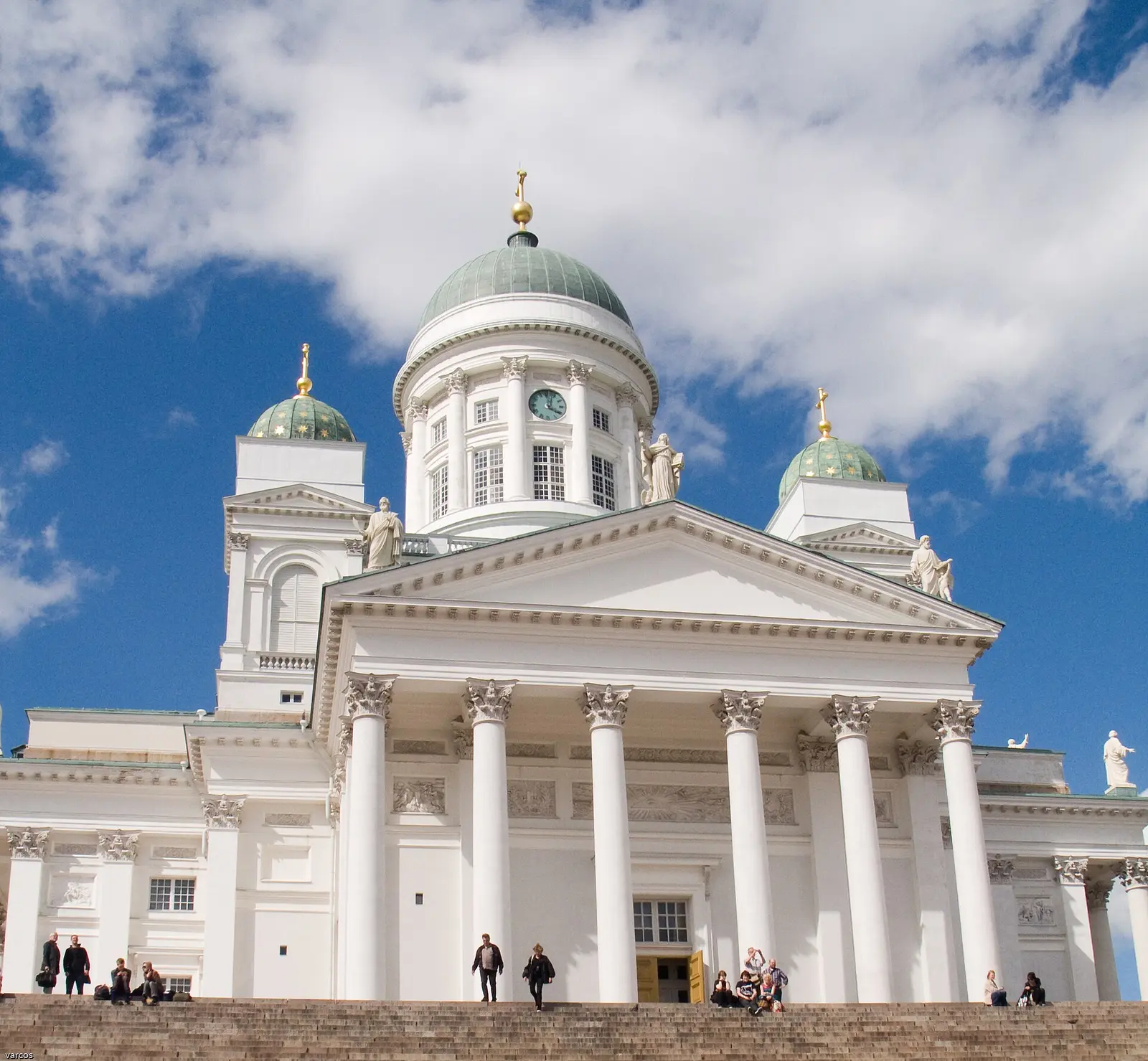
Helsinki was founded in 1550 by the Swedish king Gustav Vasa at the mouth of the Vantaa River, and in 1640 the city centre moved to its present peninsula. Work on the sea fortress began in 1748, a sign of how deeply Baltic defence shaped the city. In 1809 Finland passed to the Russian Empire, and in 1812 Helsinki became the capital of the Grand Duchy of Finland; neoclassical public buildings and Senate Square created the core image you see today. The present cathedral was completed in 1852, and after Finland's independence in 1917 Helsinki remained the national capital. Twentieth-century expansion, the 1952 Olympic Games and the building of public transport added a modern layer. As you explore, you can place Market Square, the sea fortress and contemporary public spaces such as Oodi on a single timeline to understand how Helsinki grew from a harbour settlement into an open Baltic capital.
- 1550The Swedish crown founds Helsinki.
- 1640The city centre moves to its present site.
- 1748Construction of the Suomenlinna sea fortress begins.
- 1809Finland passes to the Russian Empire.
- 1812Helsinki becomes capital of the Grand Duchy of Finland.
- 1852The cathedral is completed.
- 1917Finland becomes independent.
- 1952Helsinki hosts the Summer Olympic Games.
Stories
Stories of the city
A project spanning over two decades
History · Helsinki Cathedral
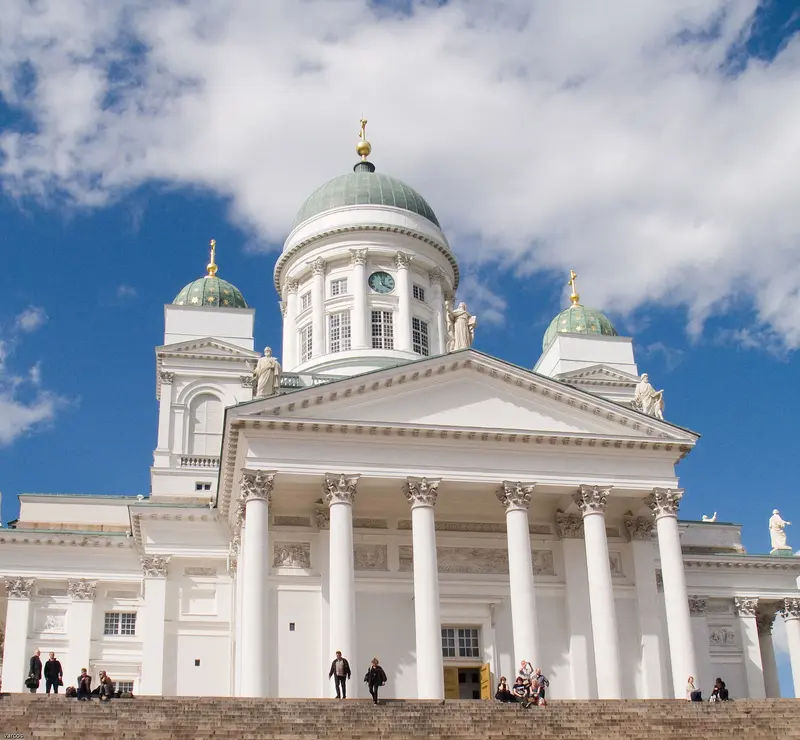
Construction began in 1830, and the church was officially inaugurated on 15 February 1852. The designer, Engel, did not live to see it finished; Lohrmann took over the work and added four small domes modelled on examples in St Petersburg.
Twelve apostles on the roof
History · Helsinki Cathedral
In 1849 Lohrmann installed larger-than-life zinc statues of the Twelve Apostles along the roofline. Visible from far across the square, they are a key feature of the building's appearance.
A change of name
History · Helsinki Cathedral
The church was first called St Nicholas' Church in honour of Emperor Nicholas I, a name it kept until Finland's independence in 1917. When the Diocese of Helsinki was established in 1959, it received its present name, Helsinki Cathedral.
Regional deep dives
Read deeper into each place
The Nordics · Sea fortress / World Heritage
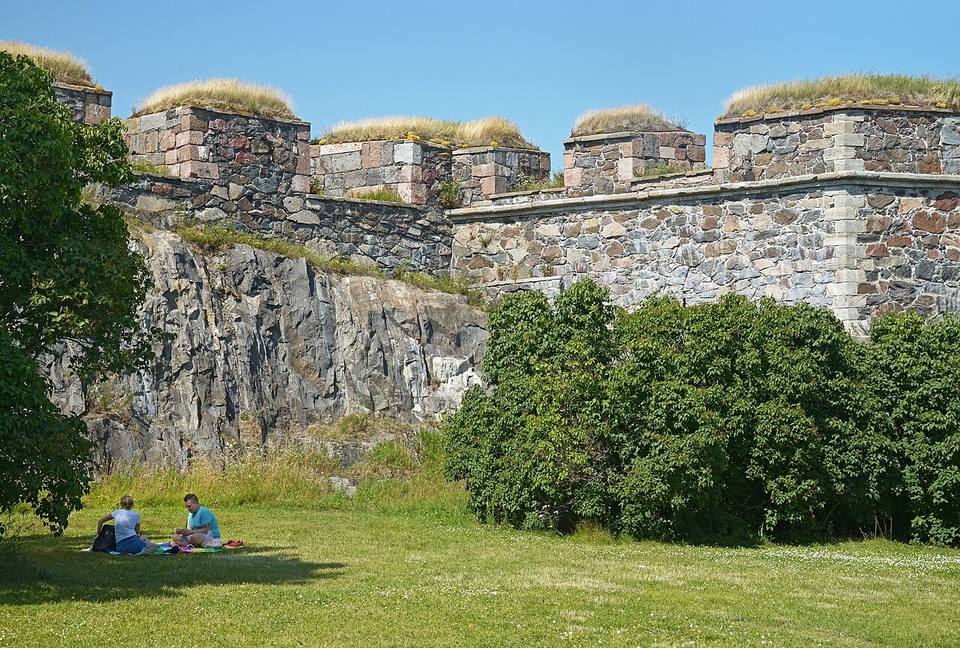
Suomenlinna (Helsinki)
An 18th-century sea fortress built across six islands, with about 800 residents living and commuting to work inside a World Heritage site — Helsinki's summer lawns and winter snowfields alike lie beneath the fortress walls.
Explore the local guide ↗Source leads: The Suomenlinna governing body (official); UNESCO, Suomenlinna (1991).
Image source · Ввласенко · CC BY-SA 3.0
Source leads are being checked individually; confirm travel details with local official notices.
How do you like this place?