City guide · Luzern
Lucerne
From the old town at the river mouth to the wooden bridge and city walls, read Lucerne's history of trade and confederation
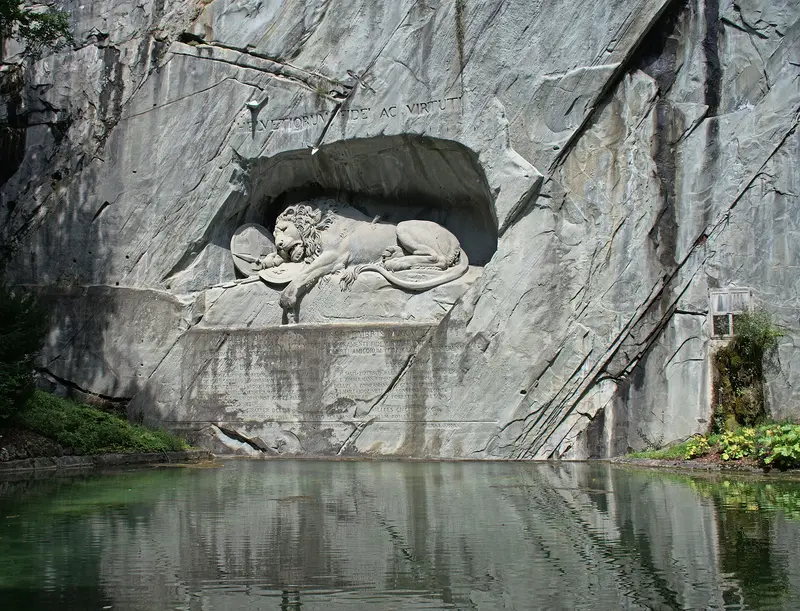
We suggest staying 1–2 days. The old town, the Chapel Bridge, the Lion Monument and the Musegg Wall form the main walking route; set aside another half day for the Swiss Museum of Transport. Mount Pilatus, Mount Rigi and Mount Titlis are all out-of-town routes and must not be described as sights within Lucerne. Other places in the city worth a visit: the Musegg Wall.
History
How the city came to be
Lucerne stands where the Reuss flows out of Lake Lucerne. City records note that a monastery existed here by the eighth century and that the name Luciaria appears in a document of 840; a charter of 1178 concerning parish rights of St Peter's Chapel marks an important step in the town's formation. In the thirteenth century the development of the Gotthard route made it a transhipment point for goods between north and south. In 1291 the town passed under Habsburg control, and in 1332 it formed an alliance with Uri, Schwyz and Nidwalden; after the Battle of Sempach in 1386 it broke further away from Austrian rule. Medieval walls, bridges and squares record this growth in trade and politics. The Chapel Bridge was badly damaged by fire in 1993 and its main section was rebuilt and reopened in 1994; today it is both a historic monument and an example of post-disaster restoration. When you explore, distinguish the river-mouth town itself from the mountain and lake excursions that start here.
- 8th centuryThe Monastery of St Leodegar is founded.
- 840Luciaria first appears in a document.
- 1178An important documentary record of the town's formation.
- c. 1220Traffic over the Gotthard boosts the transhipment trade.
- 1291The Habsburgs acquire rights over the town.
- 1332Lucerne allies with the three forest cantons.
- c. 1350Construction of the second ring of walls begins.
- 1386Austrian control ends after the Battle of Sempach.
- 1993Fire breaks out on the Chapel Bridge.
- 1994The rebuilt section of the bridge reopens.
Must see
Places you shouldn’t miss

Regional deep dives
Read deeper into each place
Western Europe Supplement · Old bridge / lake city
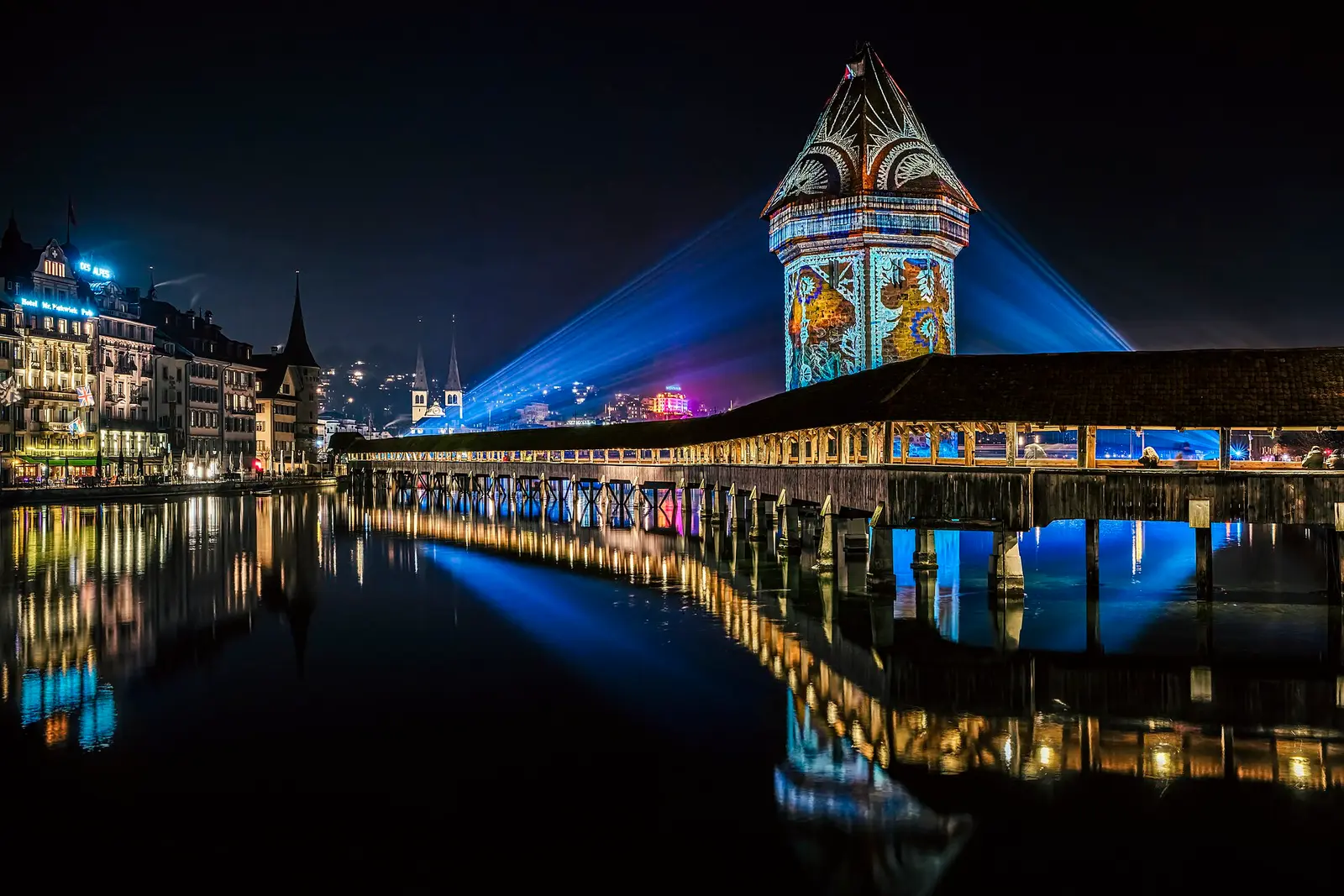
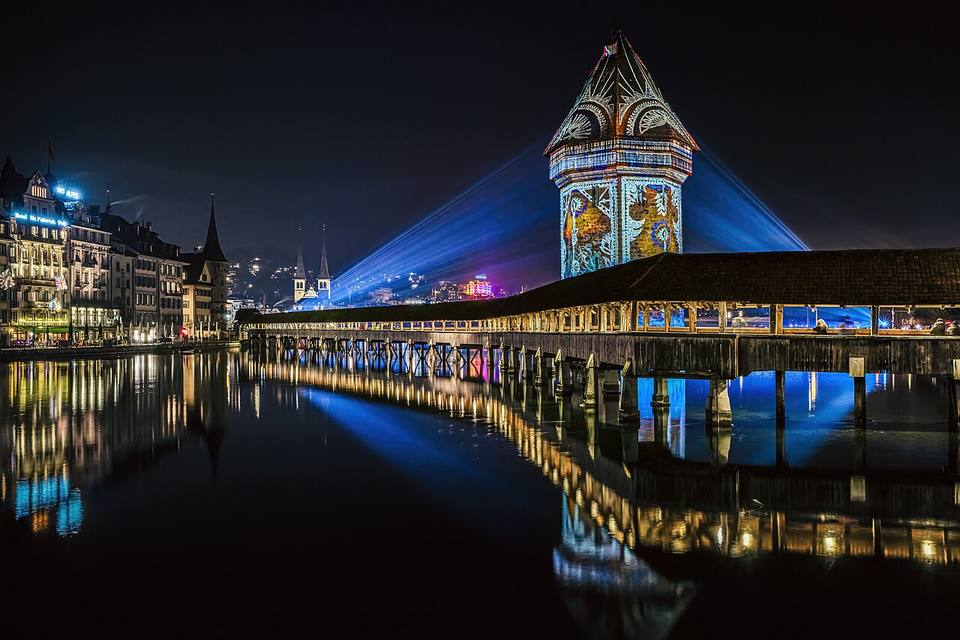
The Chapel Bridge, Lucerne
One of Europe's oldest covered timber bridges, built in 1333, with a hundred-odd triangular paintings ranged inside its roof and the octagonal Water Tower standing in the middle of the Reuss — after the fire of 1993, the people of Lucerne joined it back together exactly as it was.
Explore the local guide ↗Source leads: Lucerne city tourism (official); materials on the Chapel Bridge and the Lucerne old town.
Image source · Roy Egloff · CC BY-SA 4.0
Source leads are being checked individually; confirm travel details with local official notices.
How do you like this place?