
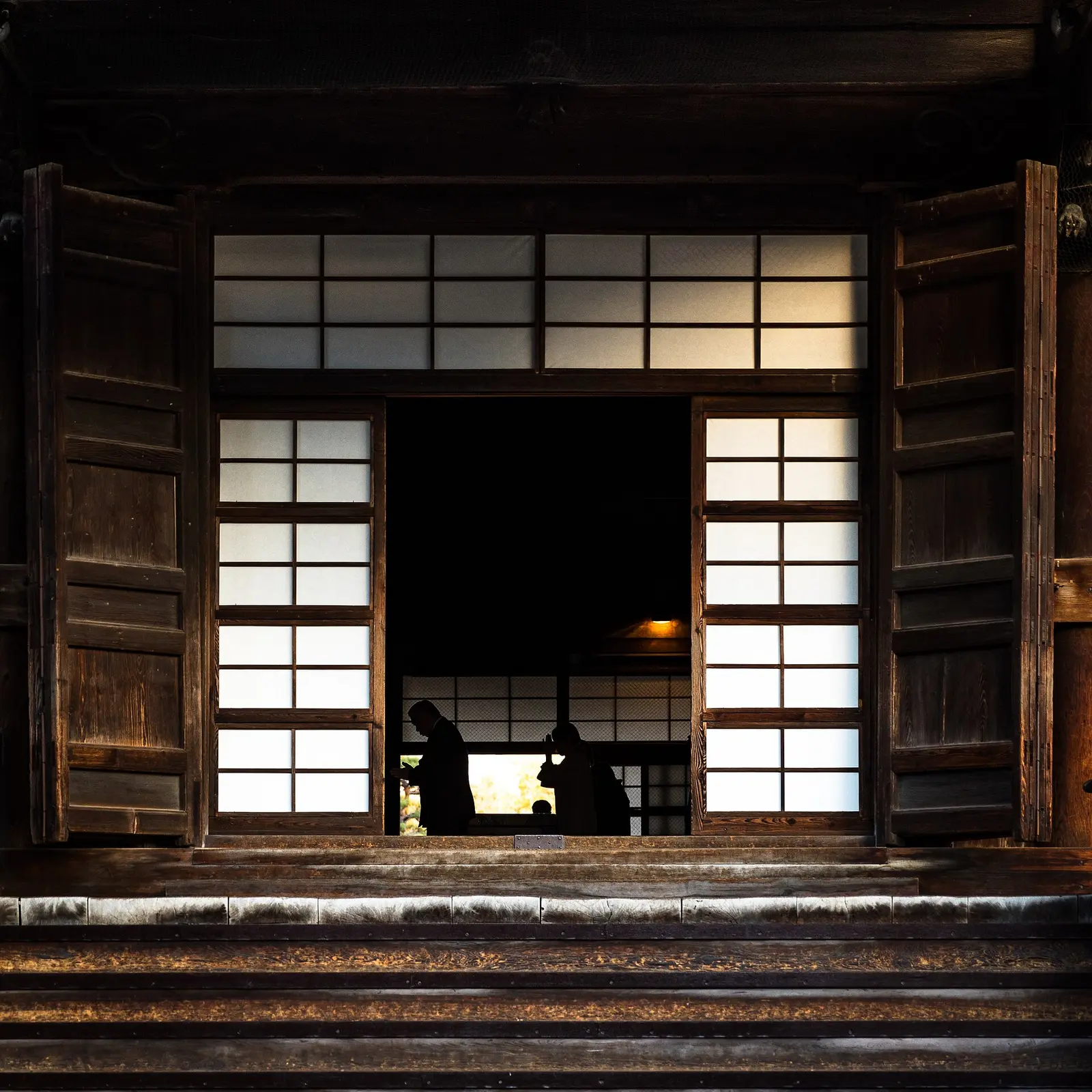
City guide · 長野
Nagano
Along the temple-front streets of Zenkō-ji toward a Sengoku battlefield and mountain worship
Nagano City is centred on the temple town in front of Zenkōji, and within the city there are also the Kawanakajima battlefield, the Matsushiro castle town and the Togakushi mountains. When visiting the Kawanakajima battlefield, it is best to distinguish historical fact, later war chronicles and statues; the famous single combat between Shingen and Kenshin is not confirmed by any direct historical source. Togakushi Shrine is in the mountains northwest of the city centre and the Matsushiro Castle ruins are southeast of it, so they do not combine well with Zenkōji into a single walking route; Kamikōchi belongs to Matsumoto City and Jigokudani Monkey Park is in Yamanouchi Town, so neither is within Nagano City.
History
How the city came to be
The Nagano Basin was shaped by rivers such as the Chikuma and Sai, and its mountains and valleys formed distinct settlement and worship areas. Nagano City's historic landscape materials link the city's core to the growth of the temple town in front of Zenkō-ji; pilgrims, merchants and temple lodgings long made the approach an important street. In the 16th century the Takeda and Uesugi clans fought repeatedly over northern Shinano, and the fourth Battle of Kawanakajima in 1561 is the most widely recorded; today's historic park and statues carry commemoration and romance, and not every detail can be taken as direct historical evidence. In the Edo period the Matsushiro domain and the Matsushiro road spurred another castle town and transport network, while Togakushi kept its tradition of mountain worship. Nagano became a city in 1897, and modern railways and administrative development gradually connected formerly scattered areas. The 1998 Winter Olympics left the city with sports facilities and expanded Nagano's role as a regional transport hub. Today Nagano links a temple town, Sengoku sites, a castle town and the mountains, so plan your trip by area according to actual distances.
- Medieval to early modern periodThe temple town in front of Zenkō-ji gradually developed into a regional religious and commercial centre.
- 1561The fourth Battle of Kawanakajima took place in what is now Nagano City.
- Edo periodThe Matsushiro domain's castle town and roads developed further.
- 1897Nagano became a city.
- 1998Nagano hosted the Winter Olympics.
- 2017Hachimanpara Historic Park was renamed Kawanakajima Battlefield Historic Park.
Stories
Stories of the city
The Principal Image and Honda Yoshimitsu
Legend · Zenkō-ji
Temple tradition says this Amida image, after causing a dispute between clans, was thrown into the Horie canal in Naniwa (present-day Osaka). Honda Yoshimitsu of Shinano carried it back to his home province to worship it, first enshrining it around present-day Iida City. The temple was later named after him: Zenkō-ji.
The Plaque with Five Hidden Doves
Legend · Zenkō-ji
The "Zenkō-ji" plaque on the upper floor of the Sanmon gate was written by the imperial prince-abbot Rinnōji-no-miya Kōchō, and five doves are said to be hidden in its three characters, which is why it is called the "Dove Character Plaque"; some also say the character 善 looks like the face of an ox. The plaque now hanging is the second one, made during the Heisei Great Restoration, and the original is kept in the temple's archive museum.
The Sanmon Reopens to Visitors
History · Zenkō-ji
The Sanmon gate was built in 1750, in the mid-Edo period, and is a national Important Cultural Property. The Heisei Great Restoration of 2002–2007 returned its roof to the original tochibuki wooden shingles. After the restoration, visits to the upper floor, suspended for about 40 years, resumed in 2008.
Must see
Places you shouldn’t miss
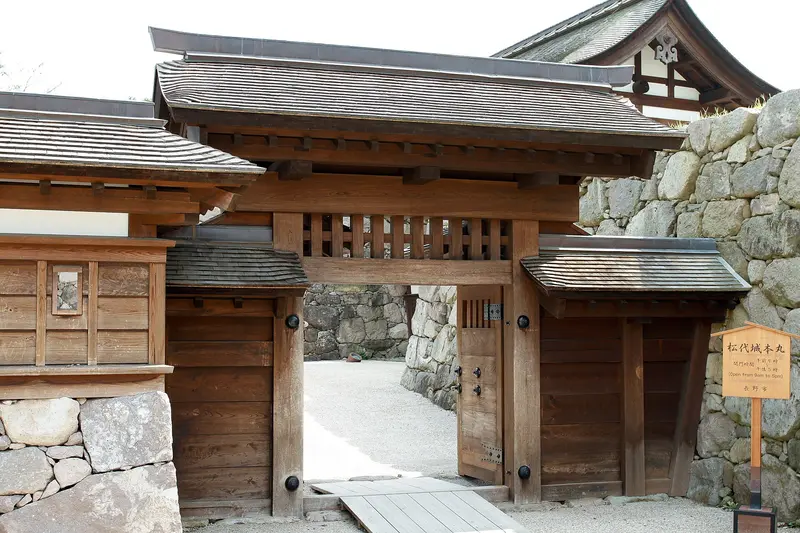
Matsushiro Castle Ruins
Among the gates, earthworks and stone walls, read the history of Matsushiro's transformation from a Warring States fortress into the castle town…
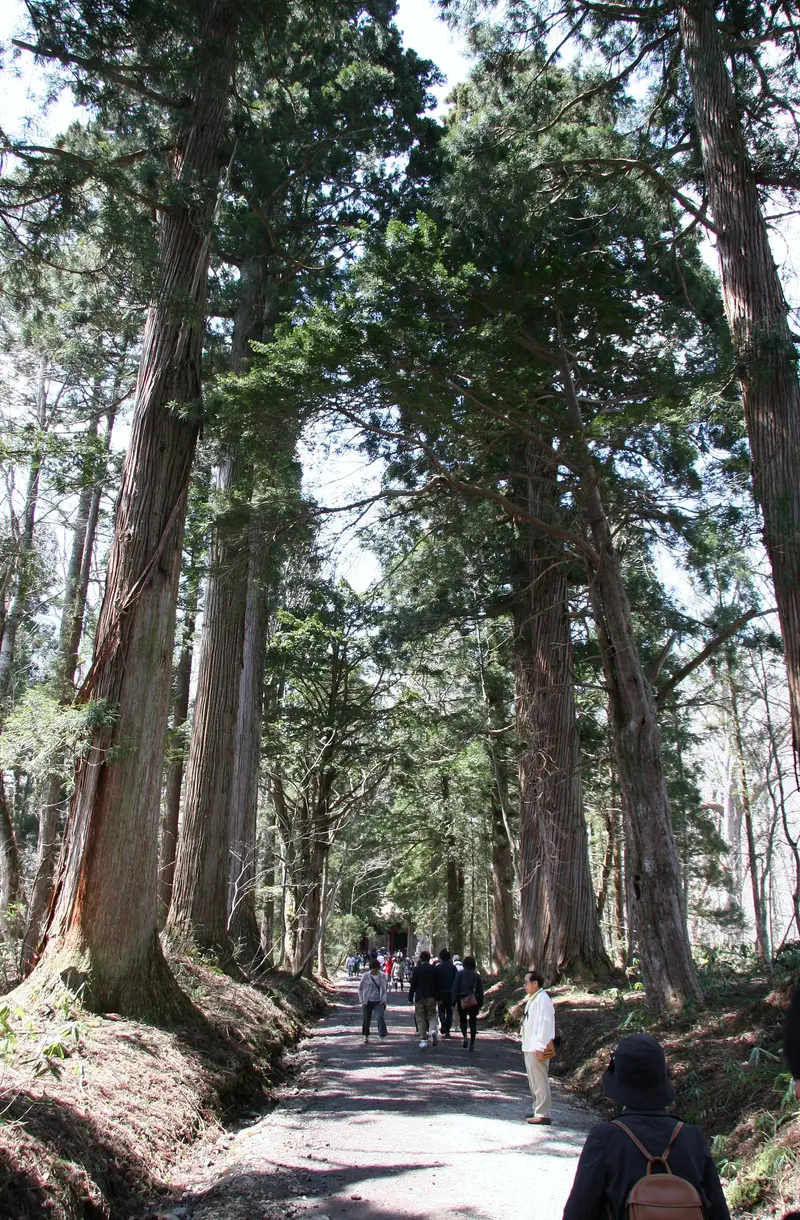
Togakushi Shrine
Five shrines scattered across the foothills of Mount Togakushi link mountain worship, mythology and cedar-lined approaches into a single walking…
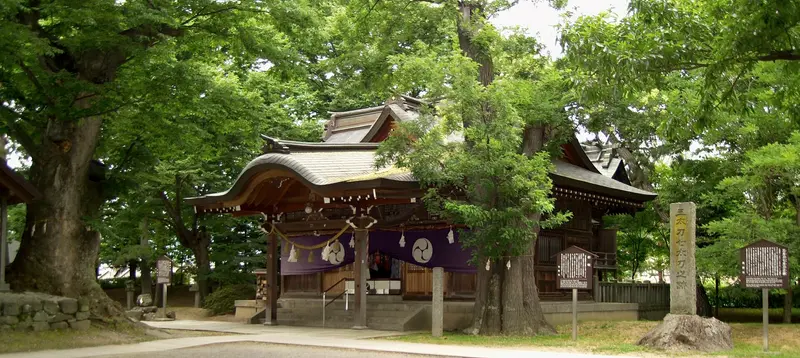
Kawanakajima Battlefield Historic Park
In the former battlefield area of Hachimanpara, pick out war memory, park landscape and later memorials.
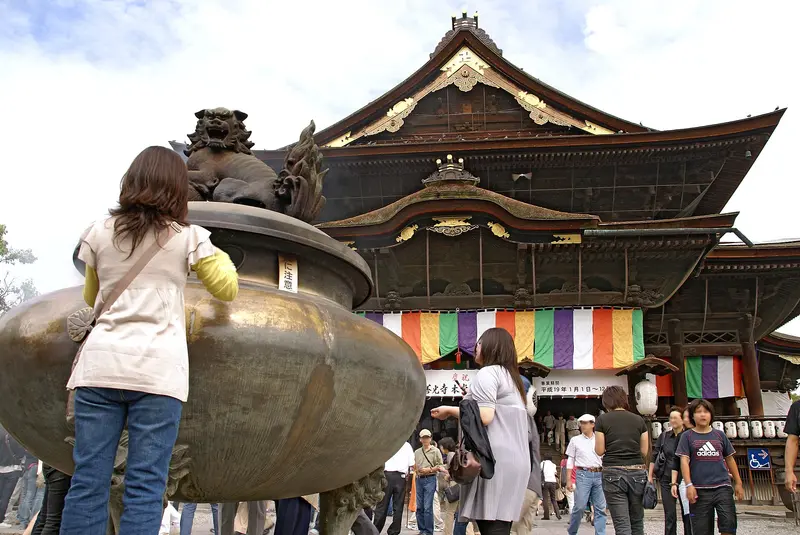
Zenkō-ji
An ancient temple that belongs to no single sect and welcomes everyone; beneath its National Treasure main hall, the Kaidan Meguri has you grope…
Before you go
Rules to know in Nagano
No photography and no eating or drinking in the permanent gallery of the Okinawa Prefectural Peace Memorial Museum
Do
- Put away your camera, food and drinks before entering the permanent gallery
- For the special exhibition gallery and the children's gallery, check the notices of the day to see whether photography is allowed
- If you need to eat or drink, go to the areas designated by the museum, such as the outdoor colonnade
Don’t
- Do not take photos or videos in the permanent gallery
- Do not eat or drink in the permanent gallery, and do not have meals in other areas of the museum either
- Do not extend the permanent gallery's photo ban into a photo ban across the entire park
The museum's 2026 visitor guide explicitly prohibits photography, eating and drinking in the permanent gallery and asks visitors to check the restrictions for other galleries separately; follow the museum's instructions on site.
Not yet verifiedSource: Okinawa Prefectural Peace Memorial Museum: FY2026 visitor guide, page 6
Japan: At fireworks festivals, don't tape off spots in advance, and never fly drones
Do
- Spread your sheet where there is actual space when you arrive, leaving room for neighbours
- Follow police and staff directions and move with the crowd
- Bring plenty of water and cooling gear to prevent heatstroke
- Riverbanks have lots of insects, so bring repellent
- Festivals usually go ahead in light rain, so bring a raincoat
- Take your rubbish home
Don’t
- Don't mark spots in advance with tape or spray paint on roads or in parks
- Don't fly drones
- Don't use selfie sticks in crowds; the Sumida River festival bans them
- Don't stop in the middle of the path to watch and block the flow
Spots marked in advance are cleared by the organisers, and flying drones is prohibited by law. City-centre festivals run one-way crowd flows, and going against the flow or stopping can cause dangerous crushes.
Verified Oct 19, 2026Source: Excite News: Sumida River Fireworks, access and viewing guide
Mixed, open-air and private baths: read the signs, don't stare, never take photos
Do
- Check the signs before entering; mixed baths are clearly marked, and joining is entirely your choice
- Most mixed baths are nude only, with no swimwear; some allow or lend special bathing wraps or towels, so follow the bath's rules
- If you prefer not to bathe mixed, use the separate men's and women's baths or a private bath
- Outdoor baths are slippery and the temperature changes sharply; hold the handrails when moving
- Use a private bath only within your booked slot and leave on time
- Tohoku and other regions still have many therapeutic hot springs with mixed bathing; for long therapeutic stays, follow the ryokan's and your doctor's advice
Don’t
- Don't stare at other bathers, strike up conversations, or linger to watch
- Don't take photos or videos in the bath area
- Don't overstay a private bath; the next group is waiting
Mixed bathing works only because bathers keep their eyes to themselves; staring or taking photos will get you asked to leave, and filming others in a bath may break local law.
Verified Oct 19, 2026Source: Wikipedia (Japanese): Konyoku
Stay off private land, and ask before photographing children or people
Do
- Ask parents' permission before photographing their children
- Ask geiko, maiko, and other working people before photographing them
- Check for 撮影禁止 (no photography) signs, and ask staff if there are none
- Photograph trains and stations themselves without disrupting operations
Don’t
- Do not enter private homes or land for a shot
- Do not photograph the inside of homes
- Do not aim your camera at individual passengers on trains or buses
- Do not step into rice paddies, flower beds, or along railway tracks for photos
- Do not use selfie sticks or tripods in crowds or dangerous spots
- Do not chase or stop geiko or maiko
Trespassing on private land is illegal and can get you told to leave or to delete your photos. Shooting in no-photo areas will be stopped, and photographing children is seen as an invasion of privacy.
Verified Oct 19, 2026Source: Aichi Now: Sightseeing Manners
Bathe nude in the onsen and keep your towel out of the water
Do
- Bathe fully nude, without swimwear or underwear
- Rest your small towel on your head or the edge of the bath
- Tie up long hair so it stays out of the water
- Enter the bath slowly and keep quiet
- Leave your phone in the locker
- Keep your first soak short, and dry off before returning to the changing room
Don’t
- Do not dip your towel into the bath
- Do not swim, dive, or talk loudly in the bath
- Do not take photos anywhere in the bathing area
- Do not wrap your yukata right side over left; that is how the deceased are dressed
Most of these are written bathhouse rules. Breaking them gets you a reminder from staff, and in serious cases you may be asked to leave. Soaking too long can also make you dizzy.
Verified Oct 19, 2026Source: Authentic Local Japan: Onsen Etiquette
Convenience stores and vending machines: say you're eating in, and recycling bins take bottles and cans only
Do
- Queue at the register and place your money on the tray if there is one
- Answer clearly when the clerk asks whether to heat your bento
- If you will eat in the store's seating area, say so when paying (eat-in and takeaway are taxed differently)
- Don't linger in the eat-in area, and sort your containers and chopsticks into the store's bins
- If you can't find a bin, bag your trash and take it back to where you're staying
Don’t
- Don't bring household or outside trash to a convenience store to dump
- Don't stuff rice-ball wrappers, coffee cups or bento boxes into the bins beside vending machines
- Don't drink alcohol in the eat-in area where the store prohibits it
- Don't leave trash on benches or the ground
The bins beside vending machines are for plastic bottles and cans only, and forcing other trash into them is considered very rude in Japan; stores accept only trash from items bought there, so dumping household waste is not allowed.
Verified Oct 19, 2026Source: Makimono Manners: Convenience store manners
Show 17 more rules
Shinkansen and taxis: book a seat for oversized luggage, let the driver work the rear door
Do
- Check which cars are non-reserved and reserved, and sit in your assigned seat
- Glance back or say a quiet "sumimasen" before reclining
- On the Tokaido, Sanyo and Kyushu Shinkansen, book a seat with an oversized-baggage area in advance for very large luggage; size limits are as published by JR
- Take your trash with you or use the bins by the deck between cars
- Sit in the back of a taxi, usually getting in and out by the left rear door
- Have your destination address in Japanese ready, and check your seat and the floor before getting out
Don’t
- Don't put your feet on the seat in front
- Don't open or close a taxi's rear door yourself; the driver operates it
- Don't exceed the vehicle's passenger capacity
Oversized luggage without a reservation may incur an extra fee and must be stowed as the crew directs, and bags over the maximum are not allowed on board; forcing a taxi's automatic door can damage it or pinch your fingers.
Verified Oct 19, 2026Source: Explore Translation: Shinkansen manners and rules
Castles and museums: don't touch exhibits, check photo signs before shooting
Do
- Check each gallery's photography sign before raising your camera
- Turn off the flash even where photos are allowed
- Keep your voice down and follow the visiting route
- Leave large bags in the lockers or storage the venue provides
- Check tickets, opening hours and special-exhibition rules in the venue's official information
Don’t
- Don't touch exhibits, armor, folding screens or the building's woodwork
- Don't take photos in no-photography areas
- Don't let tripods or selfie sticks block the way or bump exhibits
- Don't walk against the route or step past ropes and barriers
- Don't give loud commentary or take phone calls in the galleries
Oil and sweat from hands damage the surfaces of cultural properties; touching exhibits or breaking photo rules will be stopped by staff, and in serious cases you may be asked to leave.
Verified Oct 19, 2026Source: Romancing Japan: Temple and shrine etiquette
Hang ema on the designated rack, never open an omamori, return old ones to a shrine
Do
- Buy an ema at the shrine office, write your wish, and hang it on the designated ema rack
- Carry your omamori with you or attach it to your bag
- Return old omamori to a shrine around New Year or on a later visit so it can be ritually burned
- If you draw a bad fortune, tie it at the shrine's designated spot; good fortunes can be taken home
- Views differ on carrying several omamori; if unsure, carry those of only one shrine
Don’t
- Don't hang ema on torii gates, trees or other undesignated places
- Don't write insults or curses against others on an ema
- Don't open an omamori pouch to look at the talisman inside
- Don't throw old omamori in the trash
Ema and omamori are offerings to and blessings from the deities, so hanging them anywhere or throwing them away is seen as disrespectful; by tradition, opening an omamori lets its power escape and it loses its protection.
Verified Oct 19, 2026Source: UpToGo: Should you carry an omamori with you?
Kimono and yukata: always right side first, so the left panel is on top from your view
Do
- Wrap the right panel against your body first, then the left over it, so the left is on top as you look down
- Men tie the obi around the hip bones; women tie it higher, between the solar plexus and the waist
- Walk with small steps and knees slightly inward so the hem and collar stay neat
- Sit shallowly on chairs so you don't crush the obi knot at your back
- Lift the hem gently on stairs, and fold back your sleeves a little when eating
Don’t
- Don't wrap it left side first (right panel on top); that is how the deceased are dressed
- Don't pull on the inner fabric when climbing stairs
- Don't wear a ryokan yukata or rented kimono beyond the area the provider allows
Wrapping left side first is tied to funeral custom and is regarded as a serious taboo; people around you or shop staff will usually point it out so you can fix it.
Verified Oct 19, 2026Source: asianbeat: Yukata guide (PDF)
Ramen shops: queue once your group is complete, one bowl each, leave promptly
Do
- Join the end of the line only when your whole group is there; sign in first if there is a list
- Check whether you order at a ticket machine or at your seat, and carry cash
- Order one bowl per person (infants excepted)
- Put your belongings on the shelf or hook by your seat, clear of the aisle
- Slurping is normal in Japan, so don't feel self-conscious
- Leave soon after finishing so the next person in line can sit
Don’t
- Don't stand next to diners to hurry them
- Don't share one bowl among several people
- Don't bring in food or drinks from elsewhere
- Don't photograph the chefs or other customers without permission
Most ramen shops have few seats and depend on turnover, so sharing a bowl, lingering or bringing outside food will draw a reminder or a polite refusal from staff; photographing people without asking causes offense.
Verified Oct 19, 2026Source: Ramen Japan: Ramen manners
Conveyor-belt sushi: take only your own plates and never put one back on the belt
Do
- Make your own tea with the powdered tea and hot-water tap at your seat; the water is very hot, so adults should pour for children
- Take only what you will eat, and finish what you take
- Stack empty plates on your table
- Turn the sushi over and dip the topping side lightly in soy sauce
- For gunkan-maki, brush on a little soy sauce with a slice of pickled ginger
- Many people start with mild white fish and move on to richer flavors (there is no fixed rule)
Don’t
- Don't take sushi someone else ordered on the tablet; it is sent to their seat
- Don't put a plate you have taken or touched back on the belt, even if untouched
- Don't put empty plates back on the belt
- Don't dip the rice side in soy sauce; the rice falls apart
Returning plates to the belt is a hygiene problem and staff will step in; taking someone else's order causes trouble for that customer and the shop.
Verified Oct 19, 2026Source: Japan Travel 8888: Conveyor-belt sushi guide
Never stand chopsticks in rice or pass food chopstick to chopstick
Do
- Use serving chopsticks for shared dishes when they are provided
- Lift distant dishes toward you by hand
- Lay your chopsticks on the rest when done, or on the edge of your plate
Don’t
- Do not stand chopsticks upright in rice; it resembles a rice offering for the dead
- Do not pass food from your chopsticks to someone else's; it recalls handling remains after cremation
- Do not spear food, point at people, or tap bowls with chopsticks
- Do not lay chopsticks across your bowl, and do not lick them
- Do not hover over dishes undecided or rummage in your soup bowl
- Do not drag dishes toward you with chopsticks
These are kirai-bashi (disliked chopstick habits). There is no penalty, but the first two recall funerals and will genuinely upset Japanese diners; the rest look ill-mannered at formal meals.
Verified Oct 19, 2026Source: Japan Know How: Chopstick Rules at a Japanese Table
Sort your rubbish and take it back to your lodging or a convenience store
Do
- Sort waste into burnable, non-burnable, recyclable, and oversized
- Rinse PET bottles and remove the cap and label before recycling
- If staying in a rental or long term, put rubbish out at the designated spot on the morning of collection day
- Use transparent, semi-transparent, or designated bags as your area requires
- Street bins are rare, so take rubbish back to your lodging or a convenience store
- Book oversized rubbish collection in advance and pay the fee; check the official rates
Don’t
- Do not drop rubbish on the street
- Do not put bags out the night before
- Do not throw other rubbish into PET bottle bins
- Do not assume rules are the same everywhere; follow your lodging's and the local government's guide
Wrongly sorted rubbish, or rubbish put out on the wrong day, is refused and left where it is, and it annoys the neighbors. Bags put out too early get torn open by crows.
Verified Oct 19, 2026Source: tsunagu Japan: Everything You Need to Know About Garbage in Japan
On trains, give up priority seats and carry your backpack in front
Do
- Give priority seats to elderly, pregnant, and disabled passengers and those with small children
- Near priority seats, turn your phone off when it is crowded, as railway companies ask
- Take off your backpack and hold it in front, or put it at your feet or on the rack
- Eating a bento on the shinkansen or limited express trains is normal
- Once the door-closing chime sounds, wait for the next train
Don’t
- Do not keep a priority seat when someone who needs it boards
- Do not block doors and aisles with a backpack on your back
- Do not eat full, strong-smelling meals on ordinary commuter trains
- Do not rush onto the train as the doors close; it is dangerous
There is no penalty, but other passengers will be annoyed and station staff may remind you. Rushing the doors can get you caught in them.
Verified Oct 19, 2026Source: Sumimasen Guide: Train and Bus Manners in Japan
Take off your shoes when you see a genkan (entrance step)
Do
- Take off your shoes at the entrance of homes, some restaurants, temples and hot-spring facilities
- If unsure, look for a shoe rack or slippers at the entrance
Don’t
- Stepping onto tatami or indoor wooden floors in shoes
It is seen as very rude.
Verified Oct 19, 2026Source: JNTO: Japanese etiquette
No phone calls on trains and the shinkansen; queue to board
Do
- Put your phone on silent; on the shinkansen, take calls in the area between carriages
- Queue at the marked spots on either side of the train door, and let people off before you get on
- Give priority seats to older people, pregnant women and passengers with limited mobility
Don’t
- Talking on the phone or playing sound aloud in the train
Not illegal, but you will get looks and a reminder from the conductor.
Verified Oct 19, 2026Source: JNTO: Japanese etiquette
Japan: In business meetings, exchange cards with both hands and leave the seat of honour to guests
Do
- The visitor or more junior person offers a card first, with both hands
- Read the card you receive and keep it on the table during the meeting
- Wait for your host to seat you; the seat furthest from the door is the seat of honour
- Arrive five to ten minutes early
- At after-work drinks, pour for others, and ask before you pour
- If you don't drink, toast with a soft drink; no explanation needed
Don’t
- Don't write on a card in front of its owner or stuff it straight into a pocket
- Don't bow while shaking hands; let your Japanese counterpart lead with a handshake or a bow
- Don't sit down before you are shown to a seat
Slips here rarely affect the deal itself, but handling cards carelessly or taking the seat of honour comes across as poor manners. A bow of about 15 degrees for everyday greetings and about 30 degrees when seeing someone off is enough; deeper bows are for apologies or deep thanks, and visitors needn't imitate them.
Verified Oct 19, 2026Source: Explera: Japanese business etiquette for MICE delegates
Staying at a ryokan: no slippers on tatami, keep to meal times, mind the curfew
Do
- Take off even your indoor slippers before stepping onto tatami
- Leave luggage at the entrance or the designated spot
- Eat dinner and breakfast at the times the inn sets, and call ahead if you will be late
- Note the curfew and ask before going out late
- Put valuables in the room safe
- Ask the inn whether you may go out in the inn's yukata
Don’t
- Don't drag a suitcase across the tatami
- Don't put personal belongings in the tokonoma alcove
- Don't take the inn's yukata, towels or other items home
- Don't strip or wash the bedding yourself
Ryokan dinners are served at set times, so arriving late may mean missing the meal; most ryokan have a curfew, and coming back after it may leave you locked out.
Verified Oct 19, 2026Source: Japan Ryokan Association: Staying at a ryokan
Izakaya: wait for the toast before drinking, and order at least one dish each
Do
- When seated, ask whether there is a time limit (e.g. for all-you-can-drink plans)
- Wait until everyone's drinks arrive and someone calls "kanpai" before your first sip
- Order according to group size: at least one dish per person
- Check the smoking sign at the door: some places have smoking seats, others are fully non-smoking
- Confirm how to pay: usually one person settles the whole bill at the end; standing bars often take payment as you order
Don’t
- Don't start drinking before the toast
- Don't occupy a table for a long time while ordering almost nothing
- Don't smoke in non-smoking areas or seats
Drinking before the toast or taking up a table without ordering comes across as not knowing the rules and inconveniences your companions and the shop; smoking in a non-smoking area will be stopped by staff and may lead to complaints or penalties.
Verified Oct 19, 2026Source: LetsGoJP: Izakaya etiquette
Temple visits: join your hands and bow, no clapping; fan out incense
Do
- Bow once at the main gate before entering
- Step over the threshold rather than on it
- Join your hands and bow quietly before the Buddha
- Light the incense, wave out the flame with your hand, then place it in the burner
- Take off your shoes when asked inside halls; wear shoes that slip off easily
- Check signs such as 撮影禁止 (no photography) before taking photos
Don’t
- Do not step on the threshold of the gate or hall
- Do not clap as you would at a shrine
- Do not blow out the incense flame
- Do not take photos inside the main hall where it is prohibited
These are customs, not rules: nothing happens if you get them wrong, but following them shows respect. Taking photos in a no-photo area will be stopped by staff.
Verified Oct 19, 2026Source: photoru: How to Visit a Temple
Shrine visits: two bows, two claps, one bow
Do
- Bow once when you pass through the torii, both coming and going
- Walk along the sides of the approach; the center is left for the deity
- At the purification fountain, wash your left hand, then your right, then rinse your mouth
- At the offering box, ring the bell and make your offering to announce your visit
- Pray with two bows, two claps, and one bow
- Where the shrine posts its own instructions, follow them
Don’t
- Do not walk down the middle of the approach
- Do not touch the ladle with your lips when rinsing
- Do not photograph or film in front of the main hall
- Do not bring drones into the shrine grounds
These are customs, not rules: nothing happens if you get them wrong, but following them shows respect. Bans on photos and drones depend on each shrine's rules.
Verified Oct 19, 2026Source: JNTO: Two Bows and Two Claps – the Ins and Outs of Shinto Shrines
There is no tipping in Japan
Do
- Say thank you with 'arigatō gozaimashita'
Don’t
- Pressing loose change on staff
Japan is a no-tipping country and bills usually include service; if you press a tip on staff, some will politely refuse.
Verified Oct 19, 2026Source: JNTO: Japanese table manners
How do you like this place?
More cities in Chubu
金沢 Kanazawa
Kanazawa
3 places
Castle town of the million-koku Kaga domain: a famous garden, teahouse districts and gold leaf
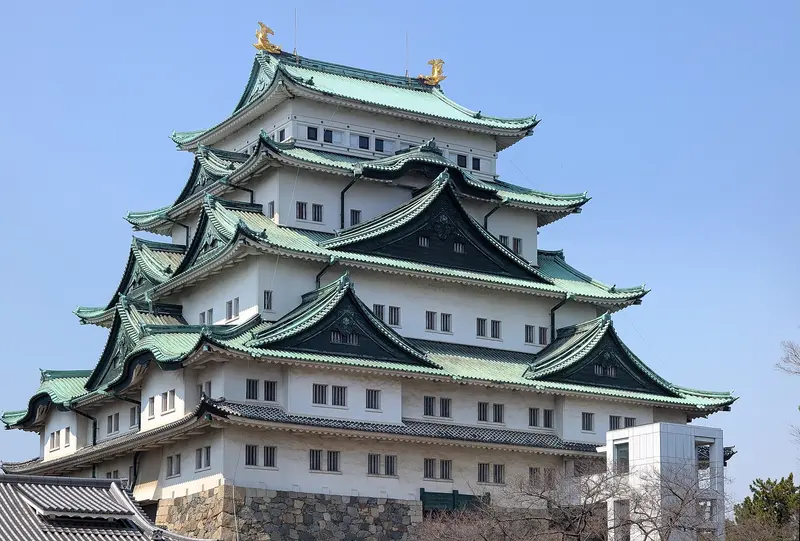
名古屋 Nagoya
Nagoya
3 places
Castle town of the Owari Tokugawa — Nagoya Castle with its golden shachihoko, and the legend of the Kusanagi sword at Atsuta Jingū
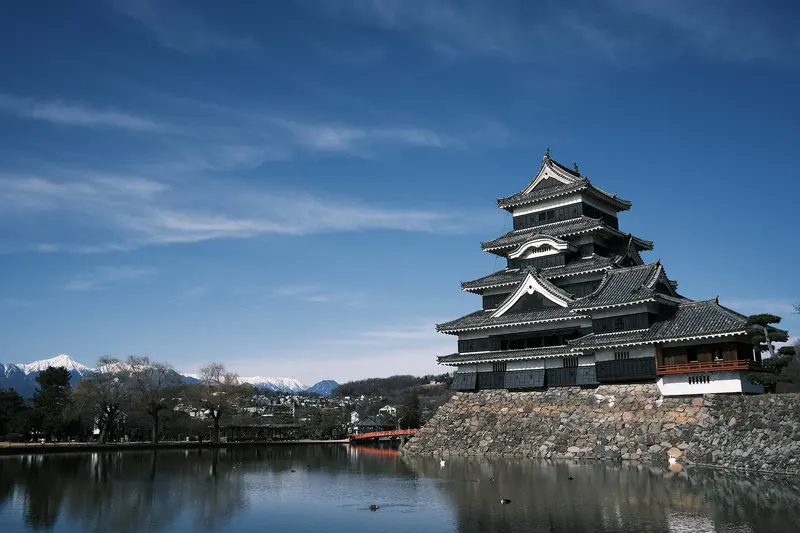
松本 Matsumoto
Matsumoto
2 places
The National Treasure Matsumoto Castle watching over the Northern Alps — a learned city of Shinshū soba and castle-town streets
高山 Takayama
Takayama
2 places
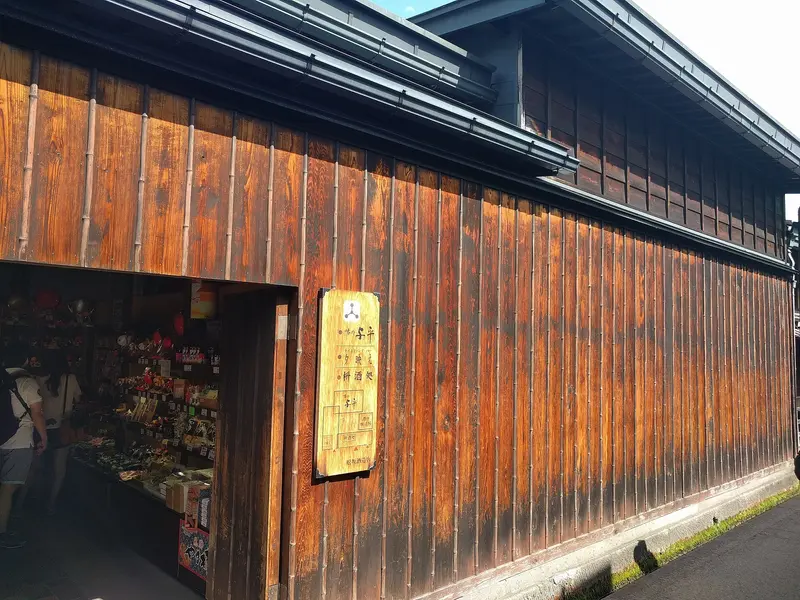
The "Little Kyoto" embraced by the Hida mountains — Edo townscape, festival floats, and the wood fragrance of the Hida craftsmen
富山 Toyama
Toyama
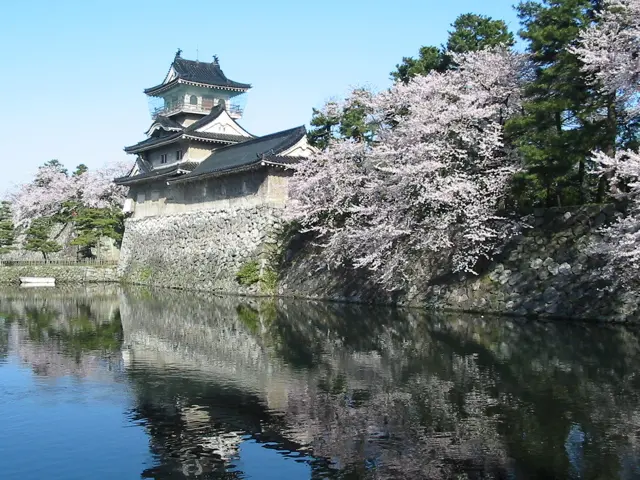
A Hokuriku castle town beneath the Tateyama range: glass art, black ramen, and Toyama Bay seafood
富士河口湖
Fujikawaguchiko
4 places
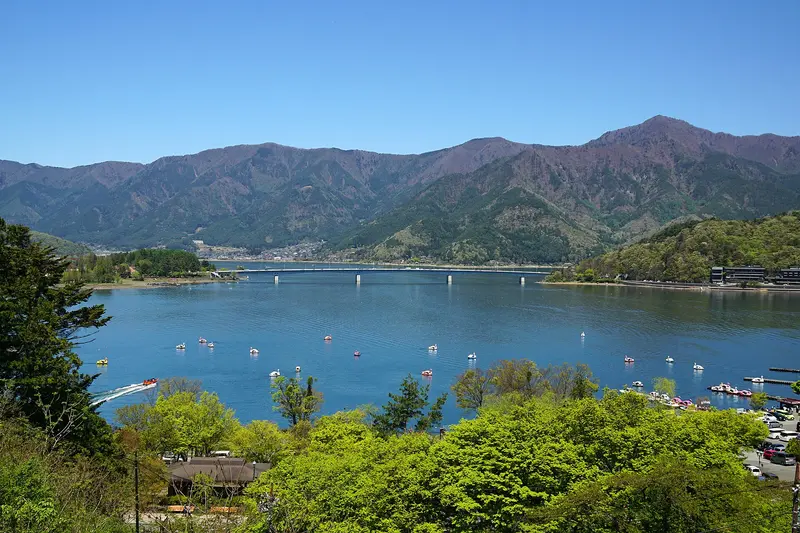
With Lake Kawaguchi as the axis, make sense of the lakeshores and settlements of Mount Fuji's northern foothills