Matsushiro Castle Ruins
松代城跡 · Matsushiro, Matsushiro-machi, Nagano, Nagano Prefecture
Among the gates, earthworks and stone walls, read the history of Matsushiro's transformation from a Warring States fortress into the castle town of the Sanada domain.
Know before you go
- Do not describe the gate and bridge rebuilt around 2004 as preserved in their original state to this day
- do not reduce the whole Matsushiro castle town to a single castle-site pin
- do not climb the remains or ignore repair barriers.
This article is Not yet verified. Please check official announcements for prices, opening hours and dates.
Culture
Culture & customs
Background
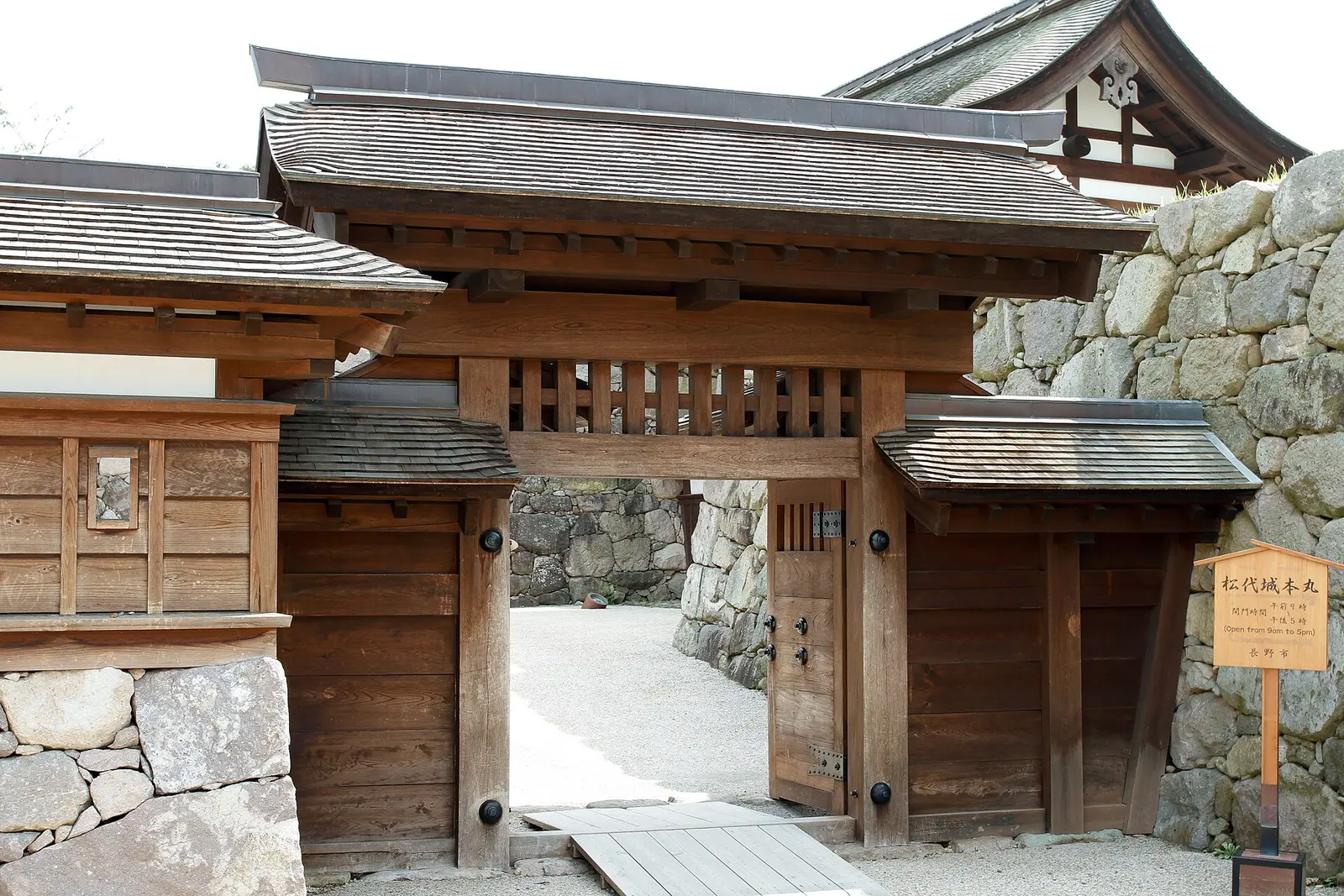
The Matsushiro Castle ruins lie in Matsushiro-machi, Nagano City; the castle was formerly called Kaizu Castle. Nagano City's castle history explains that the site connected with terrain such as former channels of the Chikuma River and became a defensive stronghold in the Warring States period; after Sanada Nobuyuki was transferred from Ueda to Matsushiro in 1622, the castle and the domain's centre of government gradually developed. Some of the stone walls, earthworks and moats you see today help you make out the castle's outline, but not all gates and bridges are original Edo-period structures: in its works from 1995 to 2004, Nagano City restored some buildings with reference to old maps and archaeological data. The castle site, together with the Sanada Residence, is designated a National Historic Site, while the Sanada Treasure Museum, the Bunbu Gakkō school and former samurai residences are spread across the wider Matsushiro district. This attraction page therefore centres on the physical castle site; the castle-town walking route should be linked from the Nagano city page, and not all Matsushiro facilities should be treated as one ticket and one building within the castle. The Battles of Kawanakajima have a historical connection with Matsushiro Castle, but literary details of single combat cannot be taken as direct historical evidence on site.
Local customs
- The castle site is an open historic site and park
- when walking, observe fences, areas under repair and path signs, and do not climb the stone walls or step into the moats. Historic buildings and exhibition facilities have their own visiting rules
- at the Sanada Residence and the Treasure Museum, check opening areas and tickets separately. When taking photos, avoid blocking residents and other visitors.
Religion & beliefs
- This is a historic castle site, not a place of religious worship
- there are temples and shrines elsewhere in the Matsushiro district, so if you extend your visit, respect each one's own faith and opening rules.
Etiquette & taboos
Etiquette & taboos
Rules that apply here
No photography and no eating or drinking in the permanent gallery of the Okinawa Prefectural Peace Memorial Museum
Do
- Put away your camera, food and drinks before entering the permanent gallery
- For the special exhibition gallery and the children's gallery, check the notices of the day to see whether photography is allowed
- If you need to eat or drink, go to the areas designated by the museum, such as the outdoor colonnade
Don’t
- Do not take photos or videos in the permanent gallery
- Do not eat or drink in the permanent gallery, and do not have meals in other areas of the museum either
- Do not extend the permanent gallery's photo ban into a photo ban across the entire park
The museum's 2026 visitor guide explicitly prohibits photography, eating and drinking in the permanent gallery and asks visitors to check the restrictions for other galleries separately; follow the museum's instructions on site.
Not yet verifiedSource: Okinawa Prefectural Peace Memorial Museum: FY2026 visitor guide, page 6
Japan: At fireworks festivals, don't tape off spots in advance, and never fly drones
Do
- Spread your sheet where there is actual space when you arrive, leaving room for neighbours
- Follow police and staff directions and move with the crowd
- Bring plenty of water and cooling gear to prevent heatstroke
- Riverbanks have lots of insects, so bring repellent
- Festivals usually go ahead in light rain, so bring a raincoat
- Take your rubbish home
Don’t
- Don't mark spots in advance with tape or spray paint on roads or in parks
- Don't fly drones
- Don't use selfie sticks in crowds; the Sumida River festival bans them
- Don't stop in the middle of the path to watch and block the flow
Spots marked in advance are cleared by the organisers, and flying drones is prohibited by law. City-centre festivals run one-way crowd flows, and going against the flow or stopping can cause dangerous crushes.
Verified Oct 19, 2026Source: Excite News: Sumida River Fireworks, access and viewing guide
Mixed, open-air and private baths: read the signs, don't stare, never take photos
Do
- Check the signs before entering; mixed baths are clearly marked, and joining is entirely your choice
- Most mixed baths are nude only, with no swimwear; some allow or lend special bathing wraps or towels, so follow the bath's rules
- If you prefer not to bathe mixed, use the separate men's and women's baths or a private bath
- Outdoor baths are slippery and the temperature changes sharply; hold the handrails when moving
- Use a private bath only within your booked slot and leave on time
- Tohoku and other regions still have many therapeutic hot springs with mixed bathing; for long therapeutic stays, follow the ryokan's and your doctor's advice
Don’t
- Don't stare at other bathers, strike up conversations, or linger to watch
- Don't take photos or videos in the bath area
- Don't overstay a private bath; the next group is waiting
Mixed bathing works only because bathers keep their eyes to themselves; staring or taking photos will get you asked to leave, and filming others in a bath may break local law.
Verified Oct 19, 2026Source: Wikipedia (Japanese): Konyoku
Stay off private land, and ask before photographing children or people
Do
- Ask parents' permission before photographing their children
- Ask geiko, maiko, and other working people before photographing them
- Check for 撮影禁止 (no photography) signs, and ask staff if there are none
- Photograph trains and stations themselves without disrupting operations
Don’t
- Do not enter private homes or land for a shot
- Do not photograph the inside of homes
- Do not aim your camera at individual passengers on trains or buses
- Do not step into rice paddies, flower beds, or along railway tracks for photos
- Do not use selfie sticks or tripods in crowds or dangerous spots
- Do not chase or stop geiko or maiko
Trespassing on private land is illegal and can get you told to leave or to delete your photos. Shooting in no-photo areas will be stopped, and photographing children is seen as an invasion of privacy.
Verified Oct 19, 2026Source: Aichi Now: Sightseeing Manners
Bathe nude in the onsen and keep your towel out of the water
Do
- Bathe fully nude, without swimwear or underwear
- Rest your small towel on your head or the edge of the bath
- Tie up long hair so it stays out of the water
- Enter the bath slowly and keep quiet
- Leave your phone in the locker
- Keep your first soak short, and dry off before returning to the changing room
Don’t
- Do not dip your towel into the bath
- Do not swim, dive, or talk loudly in the bath
- Do not take photos anywhere in the bathing area
- Do not wrap your yukata right side over left; that is how the deceased are dressed
Most of these are written bathhouse rules. Breaking them gets you a reminder from staff, and in serious cases you may be asked to leave. Soaking too long can also make you dizzy.
Verified Oct 19, 2026Source: Authentic Local Japan: Onsen Etiquette
Don’t DON'T
- Do not describe the gate and bridge rebuilt around 2004 as preserved in their original state to this day
- do not reduce the whole Matsushiro castle town to a single castle-site pin
- do not climb the remains or ignore repair barriers.
Locals appreciate DO
First use the explanations at the castle-site entrance to identify the honmaru (main enclosure), gates and earthworks, then walk to the Sanada Treasure Museum or the Sanada Residence, so you can understand the Warring States castle site and Edo-period domain government separately.
Plan your visit
Practical info
Travel tips
- The Sanada Treasure Museum's official materials give the castle site's address as 44 Matsushiro, Matsushiro-machi, Nagano City. Take a bus bound for Matsushiro from the Zenkōji exit of Nagano Station
- the museum gives a journey of about 30 minutes, followed by a walk of about 5 minutes from the stop
- check the current timetable for actual services and stops. For the castle site alone with reading of the on-site explanations, allow about 30–60 minutes
- if you add the Sanada Treasure Museum, the Sanada Residence and the district route, allow half a day, and check tickets and opening hours for each facility separately. The castle site is generally open, but the accessible areas may be adjusted over the New Year period or during maintenance or works, so check the official facility page and Nagano City notices before you go. The castle site, Zenkōji and Togakushi Shrine are not on one walkable route
- from Nagano, plan them by area in separate sections. The photo shows the restored Kita-fumeimon Gate and cannot be used to prove that all the castle buildings are original.
Sources & verification notes
Nagano City: history of Matsushiro Castle and the Sanada clan
Nagano City: first phase of historic-site works at Matsushiro Castle
Sanada Treasure Museum: visiting and access for the Matsushiro Castle ruins
Nagano Prefecture official tourism: Matsushiro castle town and nearby facilities
Wikidata: coordinates and National Historic Site status of the Matsushiro Castle ruins
How do you like this place?
More nearby
Also in Nagano
Nearby sights
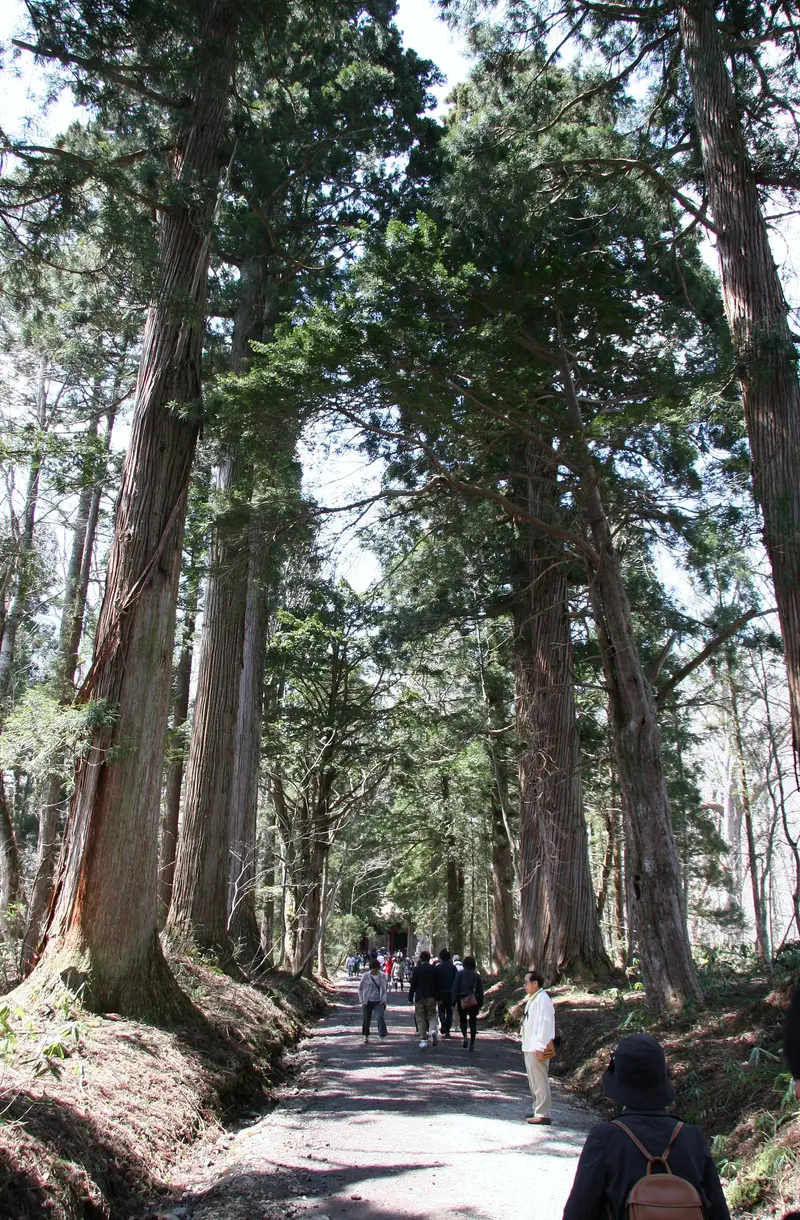
Togakushi Shrine
Five shrines scattered across the foothills of Mount Togakushi link mountain worship, mythology and cedar-lined approaches into a single walking…
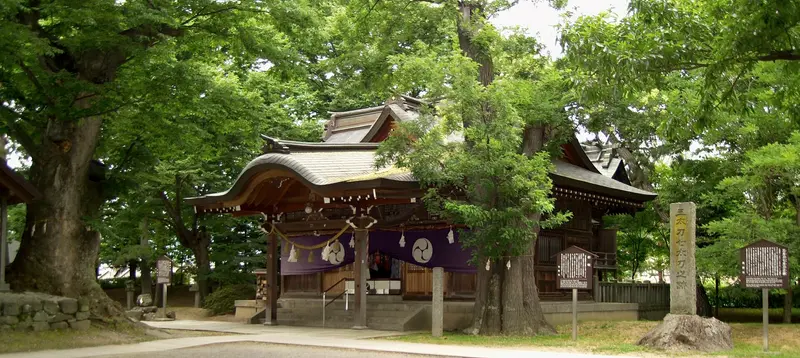
Kawanakajima Battlefield Historic Park
In the former battlefield area of Hachimanpara, pick out war memory, park landscape and later memorials.
Zenkō-ji
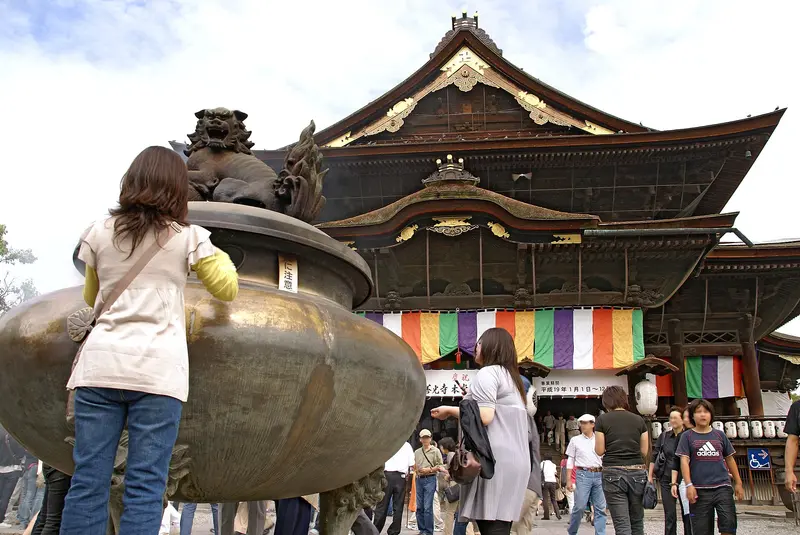
An ancient temple that belongs to no single sect and welcomes everyone; beneath its National Treasure main hall, the Kaidan Meguri has you grope…