
Archiginnasio of Bologna
Palazzo dell'Archiginnasio · Bologna, Italy
Step into the old seat of the University of Bologna and understand its lecture halls, anatomical theatre and today's municipal library.
Know before you go
- Do not promise entry to the anatomical theatre without a booking
- do not walk into the library stacks or reading rooms to take photos
- do not describe the free courtyard as meaning every space in the building is free.
This article is Not yet verified. Please check official announcements for prices, opening hours and dates.
Culture
Culture & customs
Background
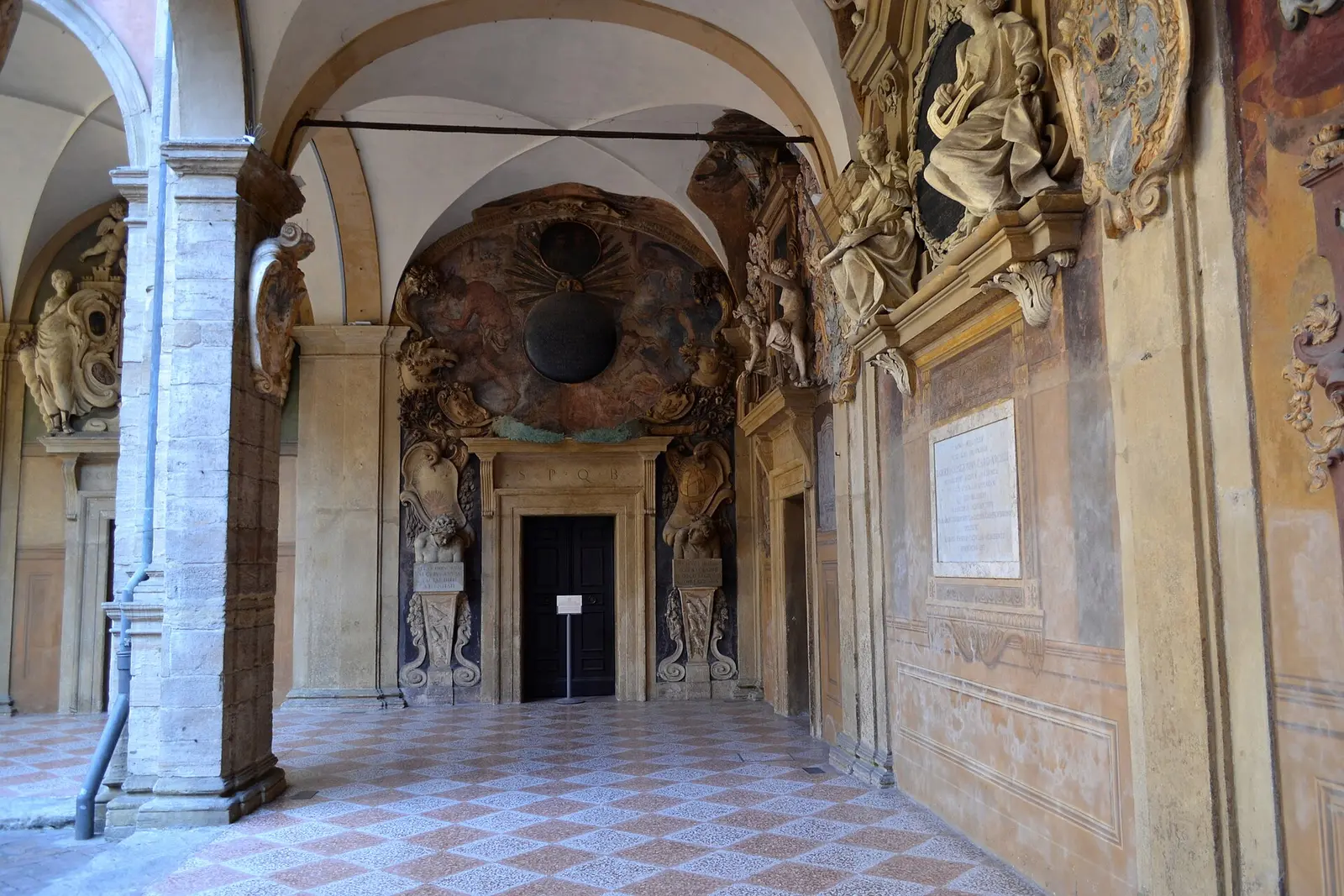
The Archiginnasio was built in 1562–1563 to bring the university's previously scattered teaching together in one place. The palace has two levels of loggias around its courtyard, and the walls and vaults preserve the commemorative coats of arms of teachers and students. The anatomical theatre, created in the 17th century for medical teaching, is today one of the most recognisable spaces to visit. The university stopped using the building in 1803, and from the 19th century it became a library and public cultural space. The institution clearly distinguishes between the courtyard open to visitors, the anatomical theatre and the Stabat Mater hall, which require booking, and the library stacks, which are closed to visitors.
Local customs
- Look at the architecture from the courtyard and loggias first, then enter the anatomical theatre at your booked time. The library is still a working reading and book-holding institution, and its reading areas should not be treated as ordinary galleries for tourists
- there are researchers and events in the building, so please keep quiet.
Religion & beliefs
- The palace is a historic university building and library with no uniform religious etiquette
- the historical religious coats of arms and papal commission behind it can be understood as part of architectural history.
Etiquette & taboos
Etiquette & taboos
Rules that apply here
Italy: Cover shoulders and knees in churches – the Vatican turns away those who do not
Do
- Cover your shoulders and knees, whether you are a man or a woman
- Take off your hat before going in
- Carry a scarf or cardigan and put it on before entering
- Switch your phone to silent and keep quiet
- Smaller churches vary: follow the notices and staff
Don’t
- Don't wear sleeveless or low-cut tops, shorts above the knee or miniskirts
- Don't walk around or take photos during Mass
The Vatican Museums, Sistine Chapel and St Peter's Basilica admit only appropriately dressed visitors and check at the door, so you can be stopped even after queuing; other major cathedrals often check too.
Verified Oct 19, 2026Source: Official site: Vatican Museums – Useful advice
Rome's Spanish Steps: no sitting, eating or drinking
Do
- Walk up the steps and keep moving after your photo
Don’t
- Sitting, resting, eating or drinking on the steps
Banned by Rome's urban police regulations since 2019; media report fines of €250, rising to €400 for dirtying or damaging the steps.
Verified Oct 19, 2026Source: ANSA: Rome bans sitting on the Spanish Steps (2019)
Don’t DON'T
- Do not promise entry to the anatomical theatre without a booking
- do not walk into the library stacks or reading rooms to take photos
- do not describe the free courtyard as meaning every space in the building is free.
Locals appreciate DO
- Book the anatomical theatre online before you go
- look at the student coats of arms in the loggias
- combine the palace with Piazza Maggiore and the nearby porticoes in one walk
- if you need an accessible entrance, check the official information first.
Plan your visit
Practical info
Travel tips
- The palace is at Piazza Galvani 1 in Bologna's historic centre, within walking distance of Piazza Maggiore
- from the railway station, allow extra time for walking through the city or public transport. To see only the exterior, courtyard and loggias, allow 30–45 minutes
- with a booked visit to the anatomical theatre and the Stabat Mater hall, allow 60–90 minutes in total, adjusting to the day's guided or audio-guided time slots. According to the official information, the main palace is free to enter, but the anatomical theatre and the Stabat Mater hall must be booked online, and the latter may be closed for institutional events
- the library stacks are not open to ordinary visitors. The palace is usually closed on Sundays, and hours may change on public holidays and in summer, so check the official website before buying tickets. Visitors with limited mobility can reach the upper floor via the entrance at Via de’ Foscherari 2, following the instructions on the official website. The nearby Portico del Pavaglione can be walked on the way, but do not count the time inside the palace together with the whole portico route.
How do you like this place?
More nearby
Also in Italy
Nearby sights
Colosseum
The heart of the empire, where gladiators' cries still seem to echo among the arches
Porticoes of Bologna
Walk the covered walkways still in everyday use and see nine centuries of city life in Bologna.
Historic Centre of Naples
Follow a Greek street grid that is still in use and read the layered history of a port city across antiquity, the Middle Ages and the modern era…
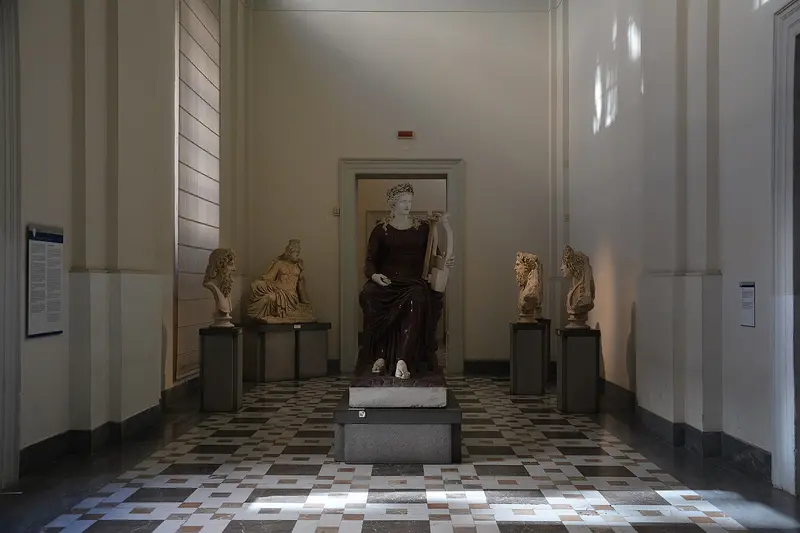
Naples National Archaeological Museum
See the ruined city at Pompeii first, then come back to the museum to see how frescoes, mosaics and everyday objects tell the story of life ther…
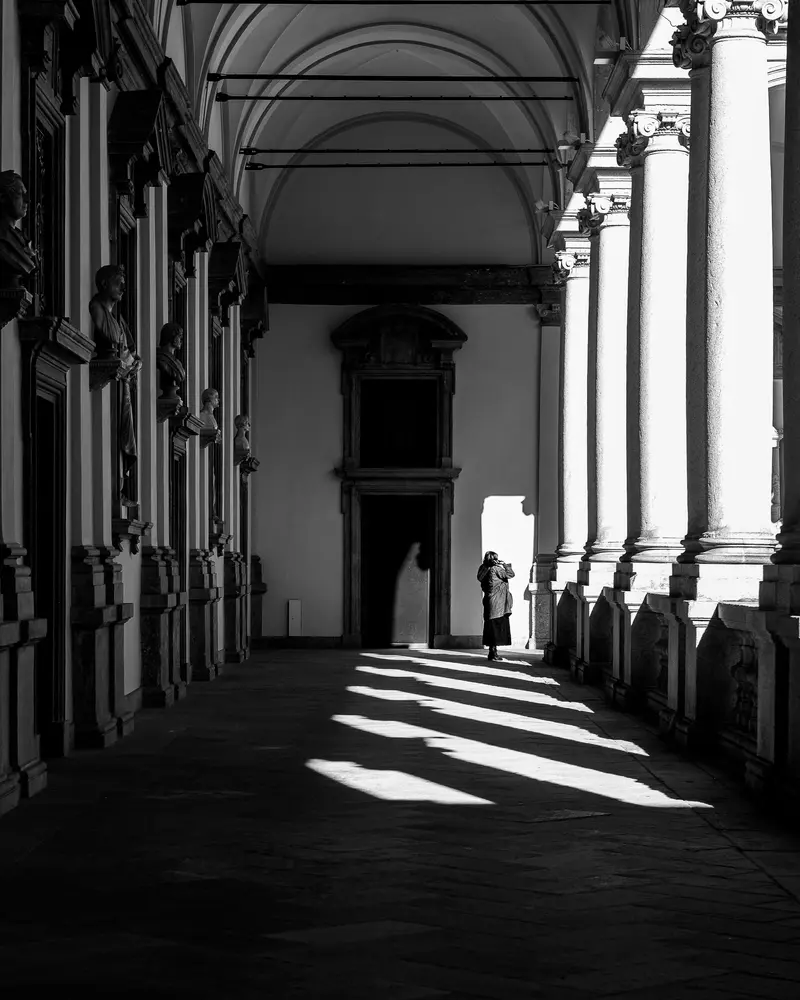
Pinacoteca di Brera, Milan
Read Italian painting in the former home of Milan's art academy, and discover how this public gallery grew out of teaching.
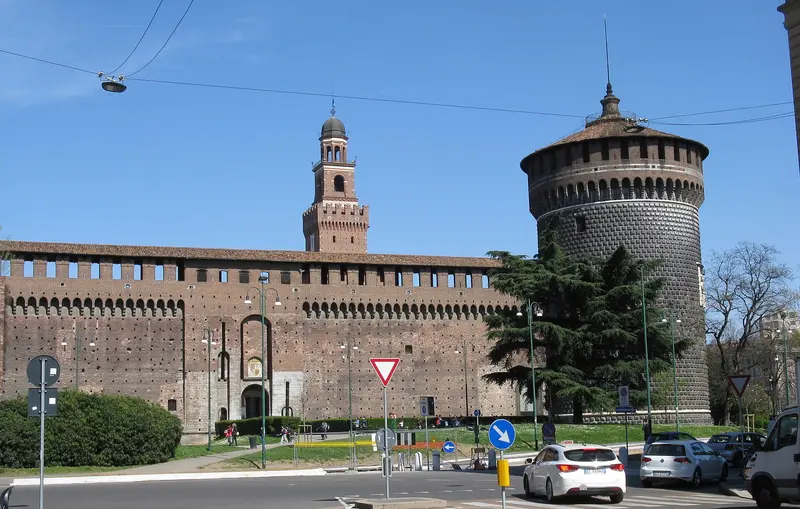
Sforza Castle, Milan
Walk from the seat of power of the Duchy of Milan into today's civic museums, and see how a castle's role kept changing.
Local legends
 Roman ForumRomulus and the ForumAccording to Rome's founding legend, the city was founded by the twins Romulus and Remus, who we…
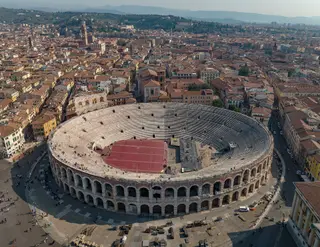 VeronaRomeo and JulietRomeo Montague and Juliet Capulet are fictional characters from Shakespeare's play, and the feud…
 Val d'OrciaGhino di Tacco, the brigand-heroRadicofani was home to the medieval brigand-hero Ghino di Tacco, and local tales tell of him rob…
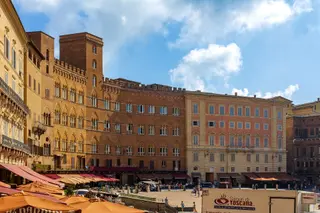 SienaFounded by the sons of RemusAccording to local legend, Siena was founded by Senius and Aschius, the two sons of Remus. The s…
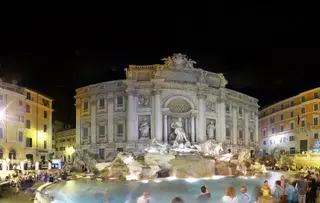 Trevi FountainStories of Trevi FountainFirst, to be clear: the coin story below is legend and custom, not history. Legend has it that w…
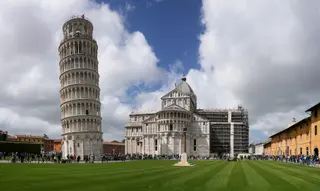 Leaning Tower of PisaStories of Leaning Tower of PisaTo be clear at the outset: Galileo dropping iron balls from the Leaning Tower is most likely leg…