
City guide · Bologna
Bologna
Walk the porticoes and get to know Bologna between its old university seat and medieval towers
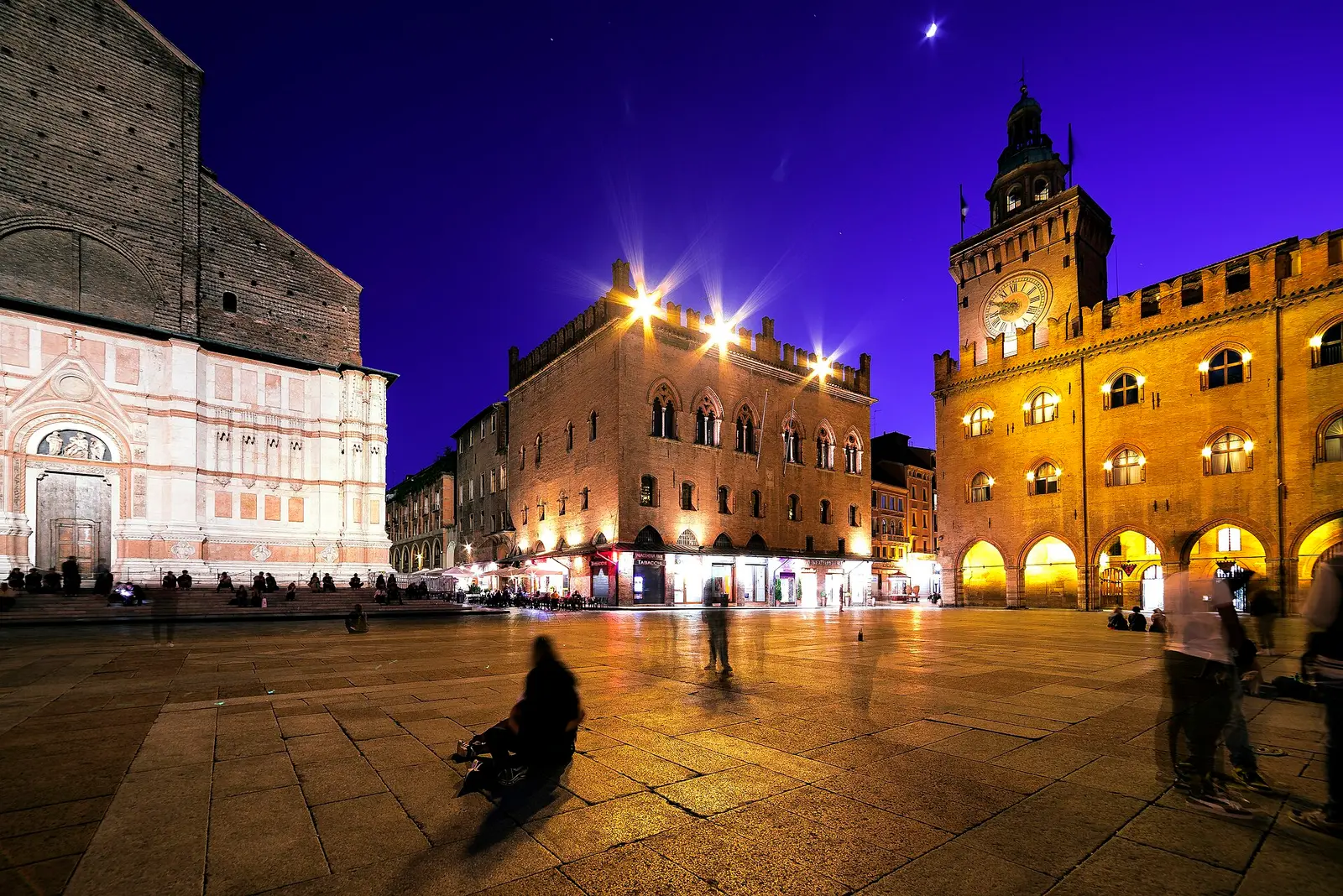
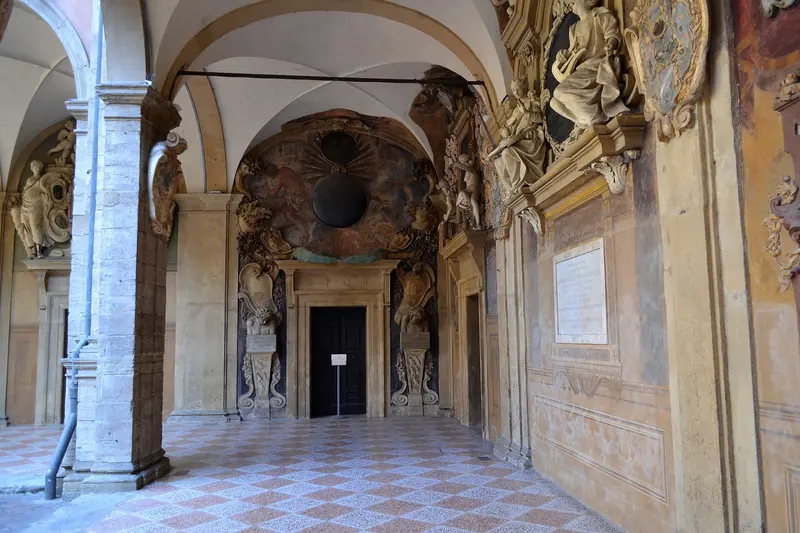
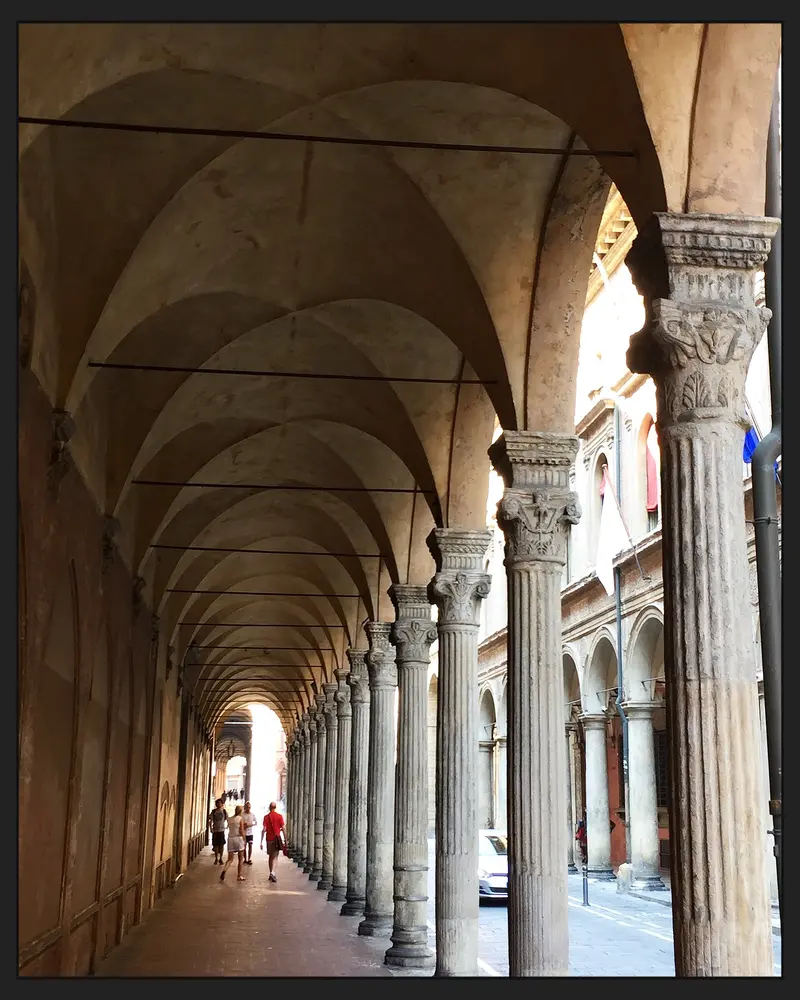
Bologna's porticoes link squares, streets and university buildings into a walkable city. Around the main square you can see civic and religious buildings, then visit the Archiginnasio to learn about the old seat of the university; the Two Towers are the symbol of the medieval skyline, but the towers and their surroundings are currently under restoration controls. Other places worth seeing in the city: the representative stretches of portico inscribed as World Heritage, the exterior of the Two Towers, and the Archiginnasio and its anatomical theatre. The porticoes World Heritage site consists of 12 component parts; the city's 62 kilometres of porticoes have not all been inscribed as they are.
History
How the city came to be
Bologna's historical layers run from Etruscan and Roman times to the present; the Roman city was called Bononia. The Middle Ages were a particularly vivid period: from the 11th century onwards, legal studies and student organisations gradually developed, and 1088 has been adopted by the University of Bologna as the conventional year of its founding. Commercial activity and population growth led to the steady extension of porticoes along the streets, and towers became symbols of defence and family status. The Asinelli Tower was built in the early 12th century; city statutes of 1288 show that porticoes had become part of public passage and urban order. In the 16th century, university teaching was gradually brought together from scattered spaces into the Archiginnasio, which came into use in 1563. Bombing in the Second World War damaged the palace, which was later restored. In 2021, 12 groups of porticoes representing different periods and functions were inscribed as World Heritage, while the porticoes across the city total about 62 kilometres. Walking among them today, it is best to see the university, the shopping streets and everyday shelter from the rain as interconnected parts of the city's history.
- Roman periodThe ancient city was called Bononia.
- c. 1088The University of Bologna adopts this year as the conventional date of its founding.
- 1109–1119The Asinelli Tower is built.
- 1288City statutes reflect the porticoes' function as public passageways.
- 1563The Archiginnasio comes into use as the university's central teaching venue.
- 1944The Archiginnasio is severely damaged by bombing and later restored.
- 202112 component parts of the Porticoes of Bologna are inscribed as World Heritage.
- From 2023Monitoring and restoration work begins around the Two Towers, and the Asinelli Tower is closed.
Must see
Places you shouldn’t miss
Before you go
Rules to know in Bologna
Italy: Cover shoulders and knees in churches – the Vatican turns away those who do not
Do
- Cover your shoulders and knees, whether you are a man or a woman
- Take off your hat before going in
- Carry a scarf or cardigan and put it on before entering
- Switch your phone to silent and keep quiet
- Smaller churches vary: follow the notices and staff
Don’t
- Don't wear sleeveless or low-cut tops, shorts above the knee or miniskirts
- Don't walk around or take photos during Mass
The Vatican Museums, Sistine Chapel and St Peter's Basilica admit only appropriately dressed visitors and check at the door, so you can be stopped even after queuing; other major cathedrals often check too.
Verified Oct 19, 2026Source: Official site: Vatican Museums – Useful advice
Rome's Spanish Steps: no sitting, eating or drinking
Do
- Walk up the steps and keep moving after your photo
Don’t
- Sitting, resting, eating or drinking on the steps
Banned by Rome's urban police regulations since 2019; media report fines of €250, rising to €400 for dirtying or damaging the steps.
Verified Oct 19, 2026Source: ANSA: Rome bans sitting on the Spanish Steps (2019)
Italy: No photos in the Sistine Chapel, and no flash elsewhere
Do
- Put your phone away and keep absolute silence in the Sistine Chapel
- Elsewhere, take personal photos only without flash
- Watch for no-photo signs at temporary exhibitions and loaned works
- Leave large backpacks and umbrellas in the free cloakroom
- Apply for permission for commercial or publishing use
Don’t
- Don't sneak photos or videos in the Sistine Chapel
- Don't use selfie sticks, tripods or stands
- Don't touch exhibits or block the way
The Vatican Museums ban photos and video with any electronic device in the Sistine Chapel, and guards can make you delete them on the spot; flash damages pigments and disturbs others.
Verified Oct 19, 2026Source: Official site: Vatican Museums – Useful advice
Italy: Dress neatly in town and keep swimwear for the beach
Do
- Wear clean, well-fitting smart-casual clothes in town
- Wear comfortable flat shoes for cobbled streets
- Put on a cover-up or change before leaving the beach
- Dress a little smarter for dinner and aperitivo
- Carry a scarf or cardigan in case you visit a church
Don’t
- Don't walk around town or enter shops in swimwear or bare-chested
- Don't go to restaurants in scruffy or worn-out clothes
Italians value a neat appearance (bella figura), and scruffy clothes come across as disrespectful; some seaside towns also have bylaws against wearing swimwear in town, with possible fines – check local notices.
Verified Oct 19, 2026Source: Cultural Atlas: Italian Culture – Etiquette
Italy: Shake hands and say "Buongiorno" at first; let others start the cheek kiss
Do
- Shake hands with eye contact and a smile when you first meet
- Say "Buongiorno" by day and "Buonasera" in the evening
- Use "Signore" or "Signora" with the surname until invited to use first names
- Cheek kisses among friends are usually one on each side – follow their lead
- Touch cheeks lightly and kiss the air
Don’t
- Don't say "Ciao" to people you have just met
- Don't start a cheek kiss with someone you have just met
- Don't imitate hand gestures you do not understand
Being too casual or going in first for a kiss carries no penalty but can make people uncomfortable; in the south, men often kiss only family members, so following the other person's lead is safest.
Verified Oct 19, 2026Source: Cultural Atlas: Italian Culture – Greetings
Italy: Drink coffee standing at the bar, and order cappuccino only in the morning
Do
- Drink standing at the counter (al banco) like locals – it is cheaper
- Check prices before sitting down: table service (al tavolo) costs more
- Watch whether locals pay first or order first
- Order a "caffè latte" if you want a latte
- After a meal, order an espresso or a caffè macchiato
Don’t
- Don't order just a "latte" – you will get a glass of milk
- Don't order a cappuccino after lunch or dinner
- Don't pay the bar price and then carry your coffee to a table
You will rarely be refused a cappuccino in the afternoon, but you will be marked as a tourist; Italians usually drink it in the morning and have espresso after meals, believing it aids digestion without milk.
Verified Oct 19, 2026Source: Wikipedia: Cappuccino
Show 1 more rules
Italy: Understand "coperto" and "servizio" on the bill – tipping is up to you
Do
- Check each charge on the bill before paying
- "Coperto" is a per-person cover charge, not a tip
- If "servizio" (service) is listed, no extra tip is needed
- If you are pleased, round up or leave a few euros in cash
- Ask for the bill with "Il conto, per favore"
- To tip by card, tell the waiter the total before they key it in
Don’t
- Don't treat the coperto as the tip and refuse to pay it
- Don't snap your fingers or shout for the waiter
- Don't feel you must leave a large percentage
A coperto shown on the menu is a charge you owe; tipping itself is optional, and an oversized tip looks out of place. Practices vary by region and restaurant, so go by the menu and bill.
Verified Oct 19, 2026Source: Wikipedia: Coperto (Italian)
How do you like this place?
More cities in Italy
Roma
Rome
5 places
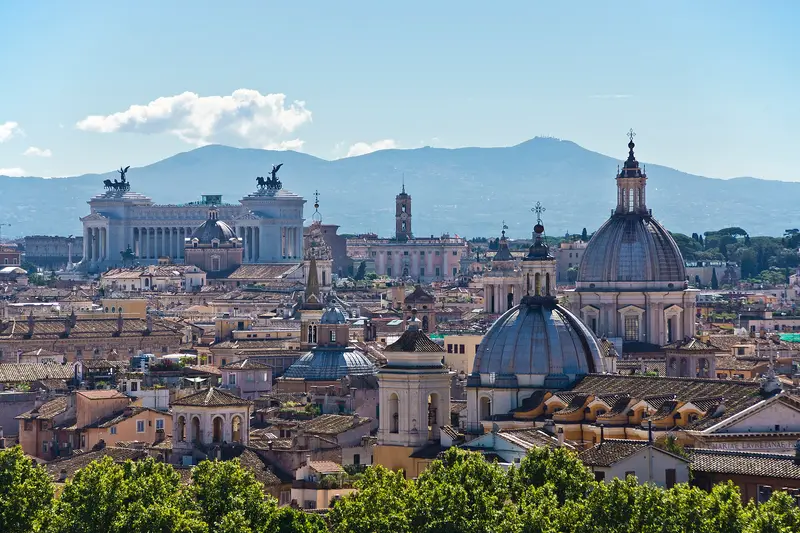
The 'Eternal City': the Colosseum, the Pantheon and the Vatican, a state within a city
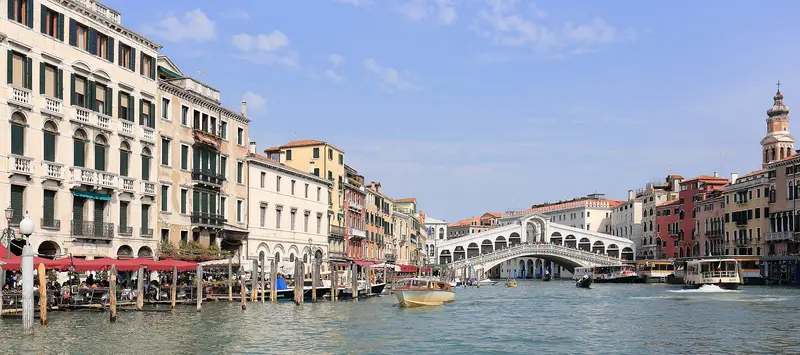
Venezia
Venice
3 places
A maritime republic built on a lagoon: St Mark's, the Doge's Palace and Carnival
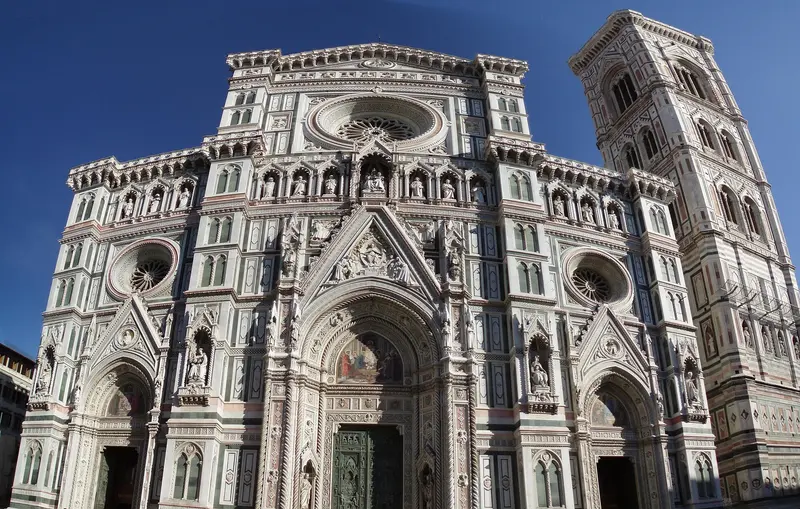
Firenze
Florence
2 places
Cradle of the Renaissance: the Duomo, the Ponte Vecchio and the Medici city of art
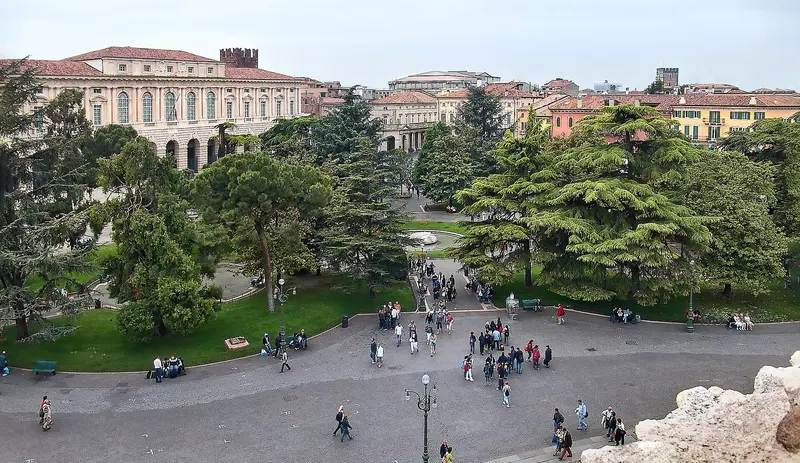
Verona
Verona
1 places
An old city in a bend of the Adige: the Roman Arena, the opera festival and Juliet's balcony
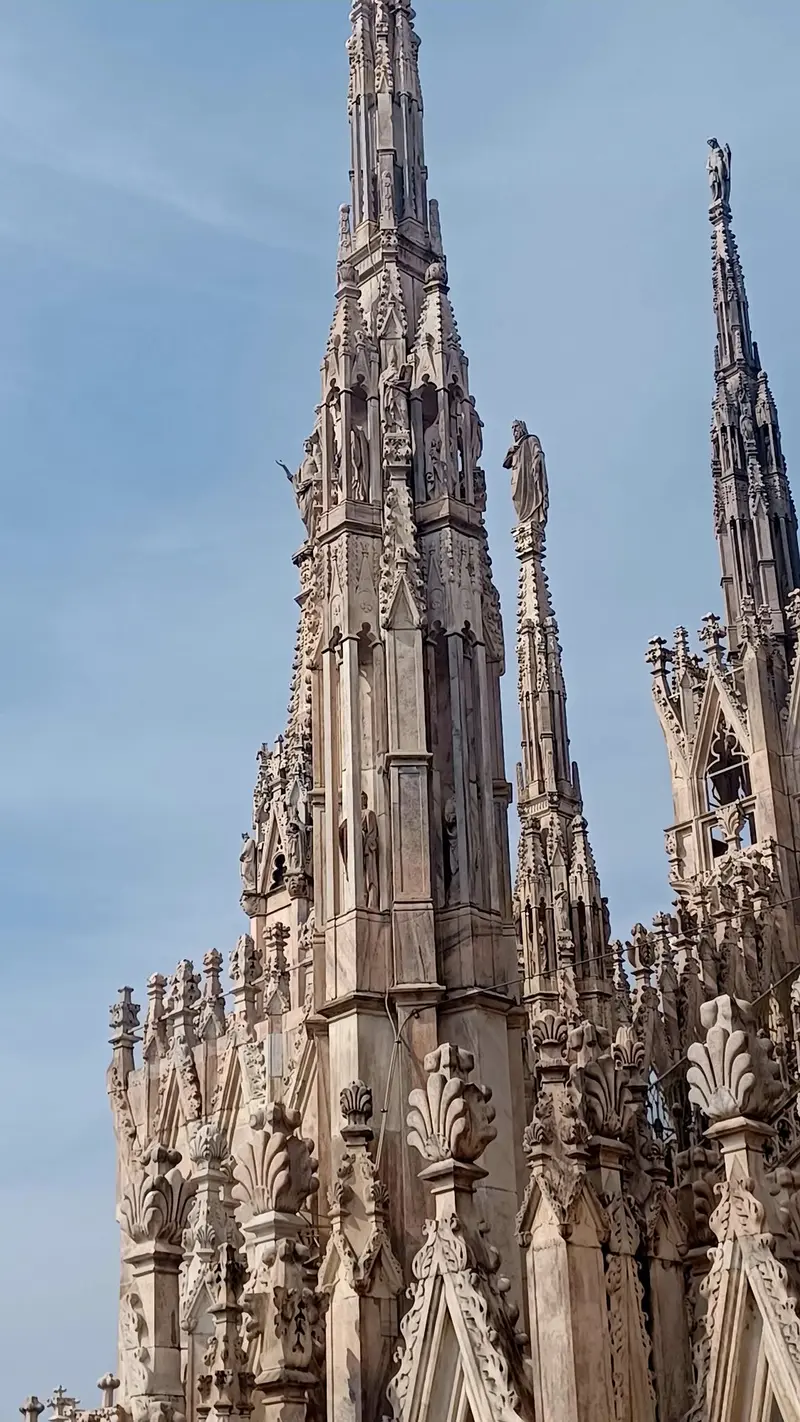
Milan
Milan
3 places
From Roman capital to Renaissance art, walk Milan's old town to understand the modern capital of design
Napoli
Naples
2 places
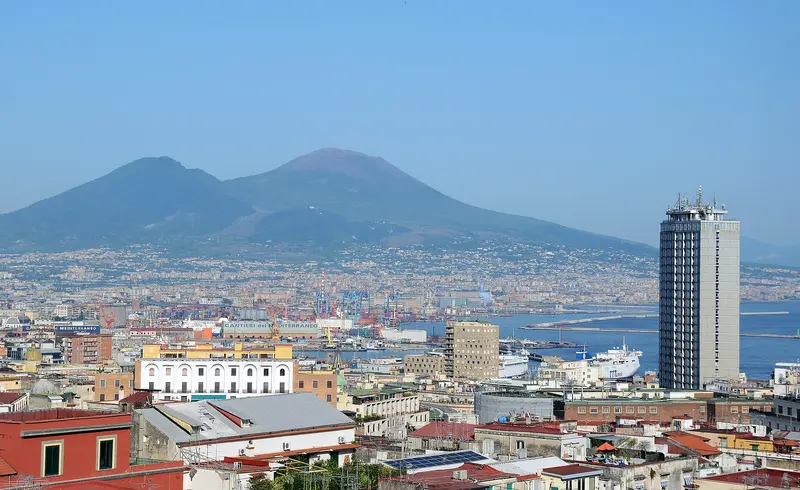
From the Greek street grid to the Bourbon kingdom, read Mediterranean urban history on the Bay of Naples