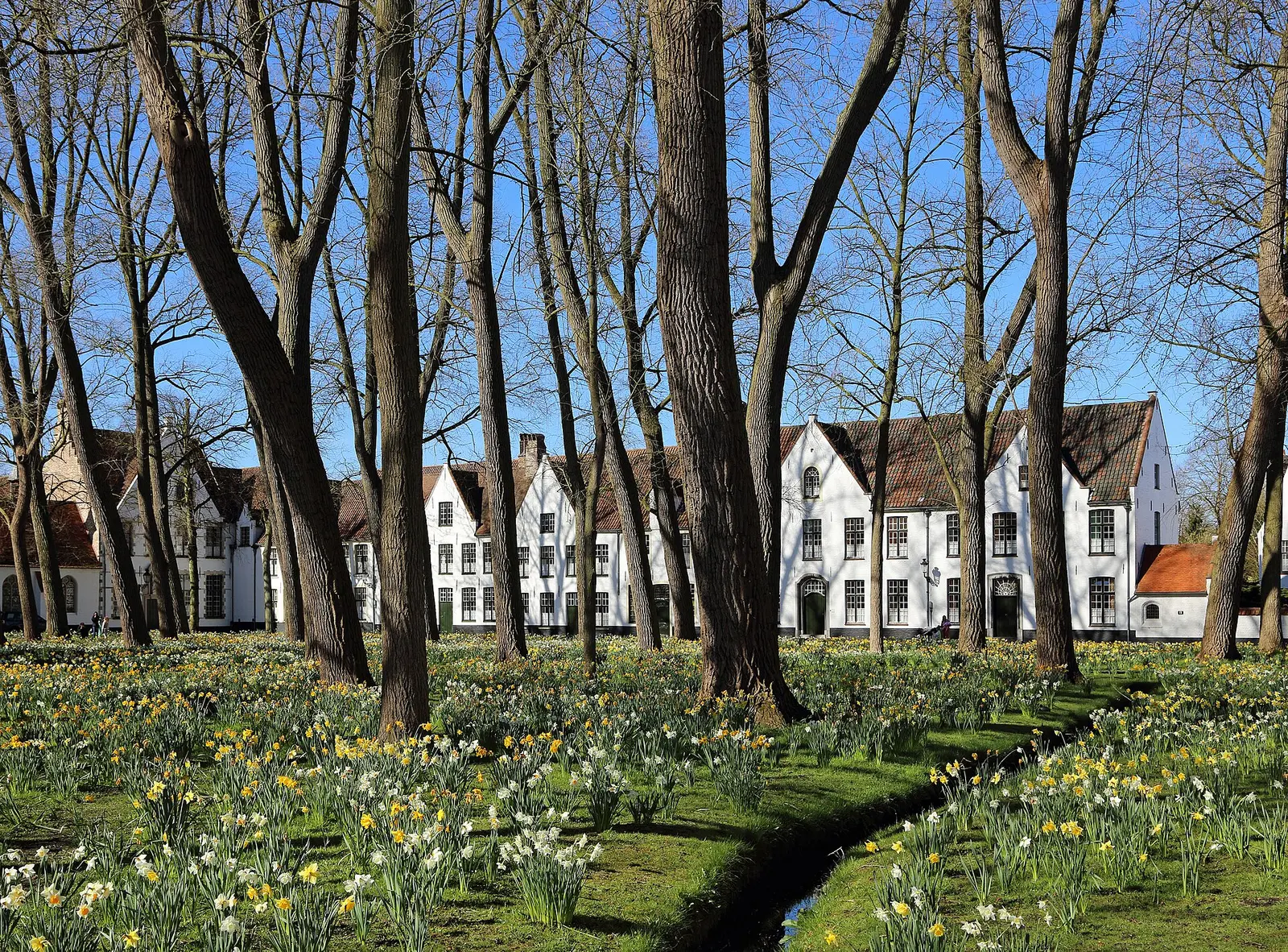
Begijnhof Ten Wijngaerde, Bruges
Begijnhof Ten Wijngaerde · Begijnhof, Bruges, Belgium
Step into a still-inhabited courtyard of white houses and discover the living space left by a medieval community of Beguine women.
Know before you go
- Do not talk loudly, photograph residents close up, block house doors, step into private gardens or walk through religious services.
This article is Not yet verified. Please check official announcements for prices, opening hours and dates.
Culture
Culture & customs
Background
The Bruges Begijnhof Ten Wijngaerde was founded in 1245 and is part of the World Heritage series of Flemish Béguinages. Beguine women once led devout and relatively independent communal lives here; today it is still a quiet, inhabited place, not an emptied open-air exhibition. Visit Bruges notes that it is now home to local single women and a few women with a religious vocation. The white houses, courtyard and church form a space you can understand on foot, and you should give residents' daily lives as much respect as the heritage on display. It lies near the historic centre of Bruges, but its own World Heritage listing is the Flemish Béguinages series.
Local customs
- After crossing the entrance bridge, keep quiet and view the courtyard along the open paths. Residents and religious life are still present here, so do not treat private doorways as photo spots, join religious activities uninvited or enter houses that are not open. If you visit the Begijnhof church or exhibition space, enter each separately according to on-site guidance
- groups should keep commentary low.
Religion & beliefs
- The Beguine tradition has roots in Christian devotional life, but historically Beguines were not simply the same as nuns. Religious life continues in the Begijnhof today
- respect the boundaries of quiet, privacy and worship, and do not treat the courtyard as an empty stage.
Etiquette & taboos
Etiquette & taboos
Rules that apply here
Belgium: no flash or tripods when taking photos in museums
Do
- Personal photos without flash are generally allowed, except where marked
- Flash, lights and tripods need the museum's prior written permission
- Keep your distance from the works, as signed in each museum
- Eat and drink only in the museum café or restaurant
Don’t
- Don't touch exhibits or lean on walls and display cases
- Don't use photos or videos commercially
- Don't film staff so they can be identified (Musea Brugge)
Ignoring staff instructions can get you asked to leave immediately, and the police may be called if you refuse (KMSKA rules). Safe distances differ: at least 30 cm at Musea Brugge, 60 cm at KMSKA in Antwerp and 1 m at the Royal Museums of Fine Arts in Brussels.
Verified Oct 19, 2026Source: Official site: Musea Brugge – Visitor regulations
Don’t DON'T
Do not talk loudly, photograph residents close up, block house doors, step into private gardens or walk through religious services.
Locals appreciate DO
- Walk softly and look at the white houses and the courtyard information panels
- leave room for residents and other visitors to pass
- photograph only the public scenery and follow on-site notices.
Plan your visit
Practical info
Travel tips
- Allow 30–45 minutes for the courtyard's public paths and panels
- with the Begijnhof exhibition or the nearby Minnewater, plan 1–1.5 hours. You can walk to the Begijnhof bridge from the centre of old Bruges or from the railway station
- the map pin is near the entrance bridge and marks the visitor route in, not the boundary of the whole heritage site. The courtyard and the exhibition spaces may keep different hours, so check Visit Bruges on the day
- although the public courtyard is free to enter, specific exhibition rules are as posted on site.
How do you like this place?
More nearby
Also in Belgium
Nearby sights
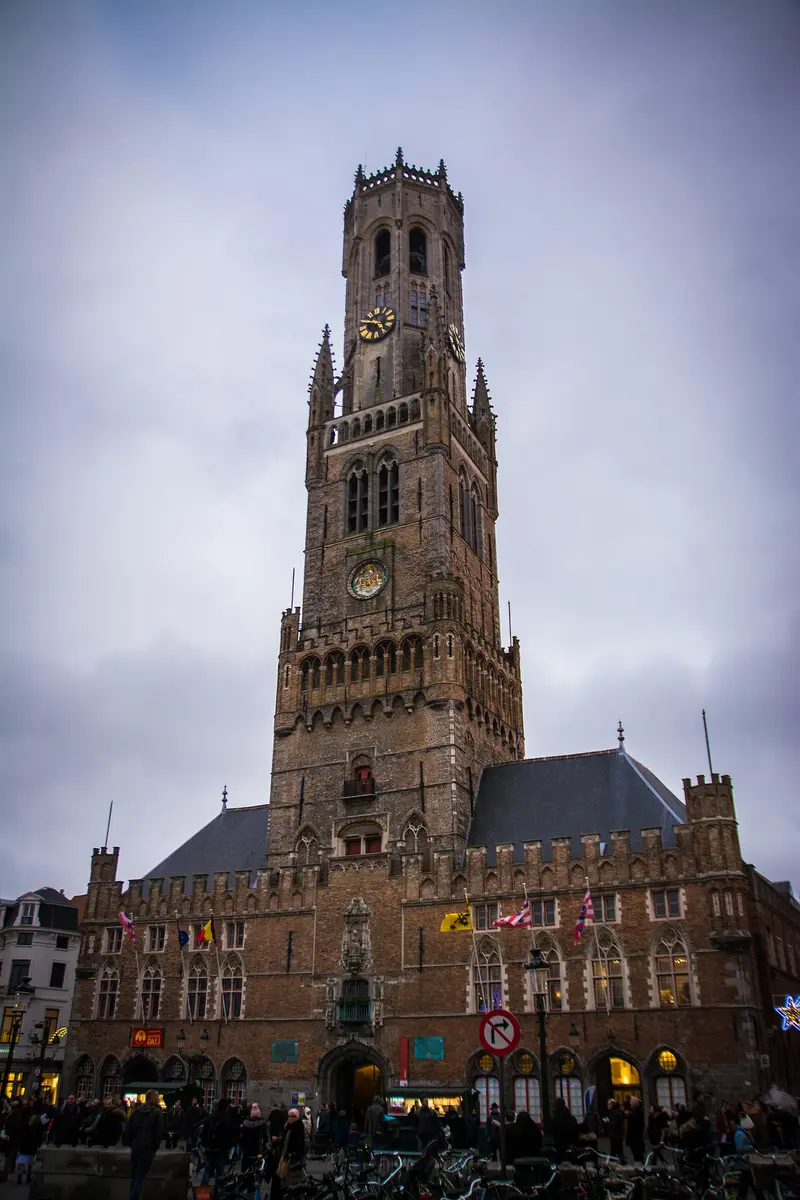
Belfry of Bruges
On the Markt, discover how the belfry kept time and sounded alarms for a trading city, and bore witness to civic self-government.
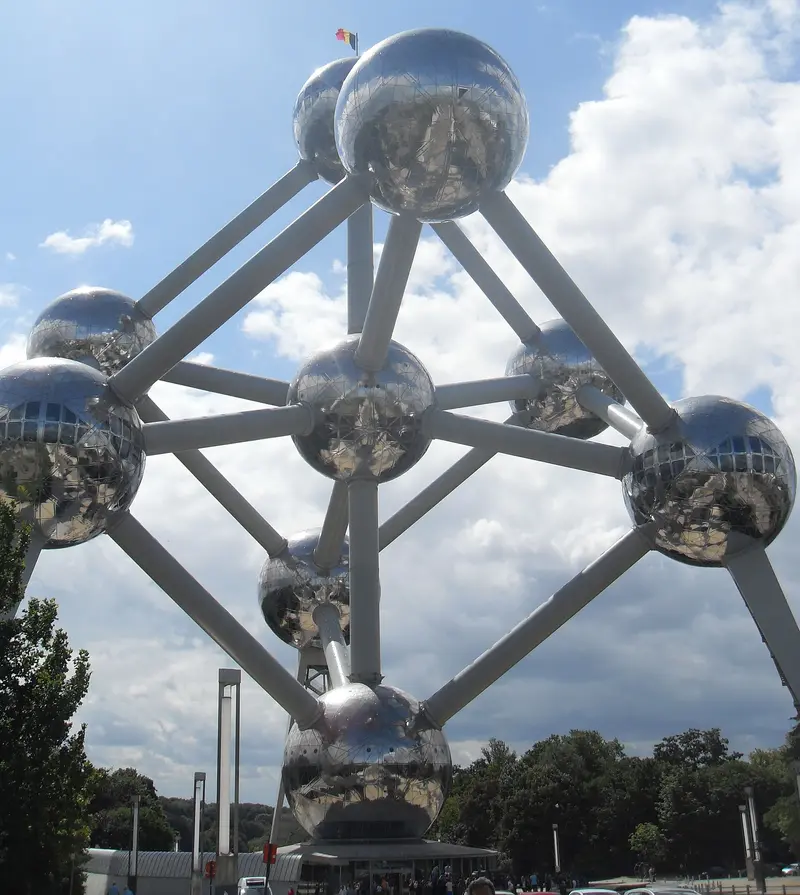
Atomium, Brussels
Step inside the landmark of the 1958 Brussels World's Fair and discover that era's vision of science, technology and the future.
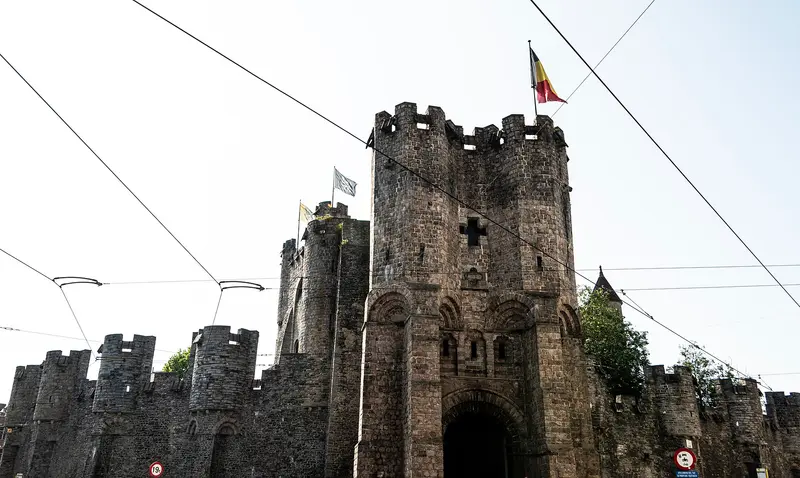
Ghent
In the city centre you can walk the walls of Gravensteen, the Castle of the Counts, for views over the old town; the guild houses of the Graslei…
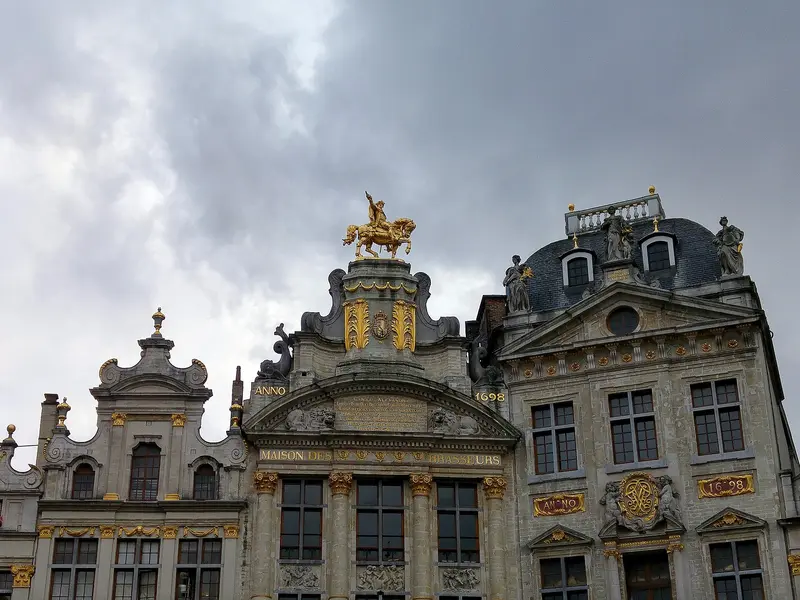
Grand Place, Brussels
The central square of Brussels, enclosed by the 15th-century Gothic Town Hall and the guildhalls rebuilt by the guilds after the 1695 bombardmen…