
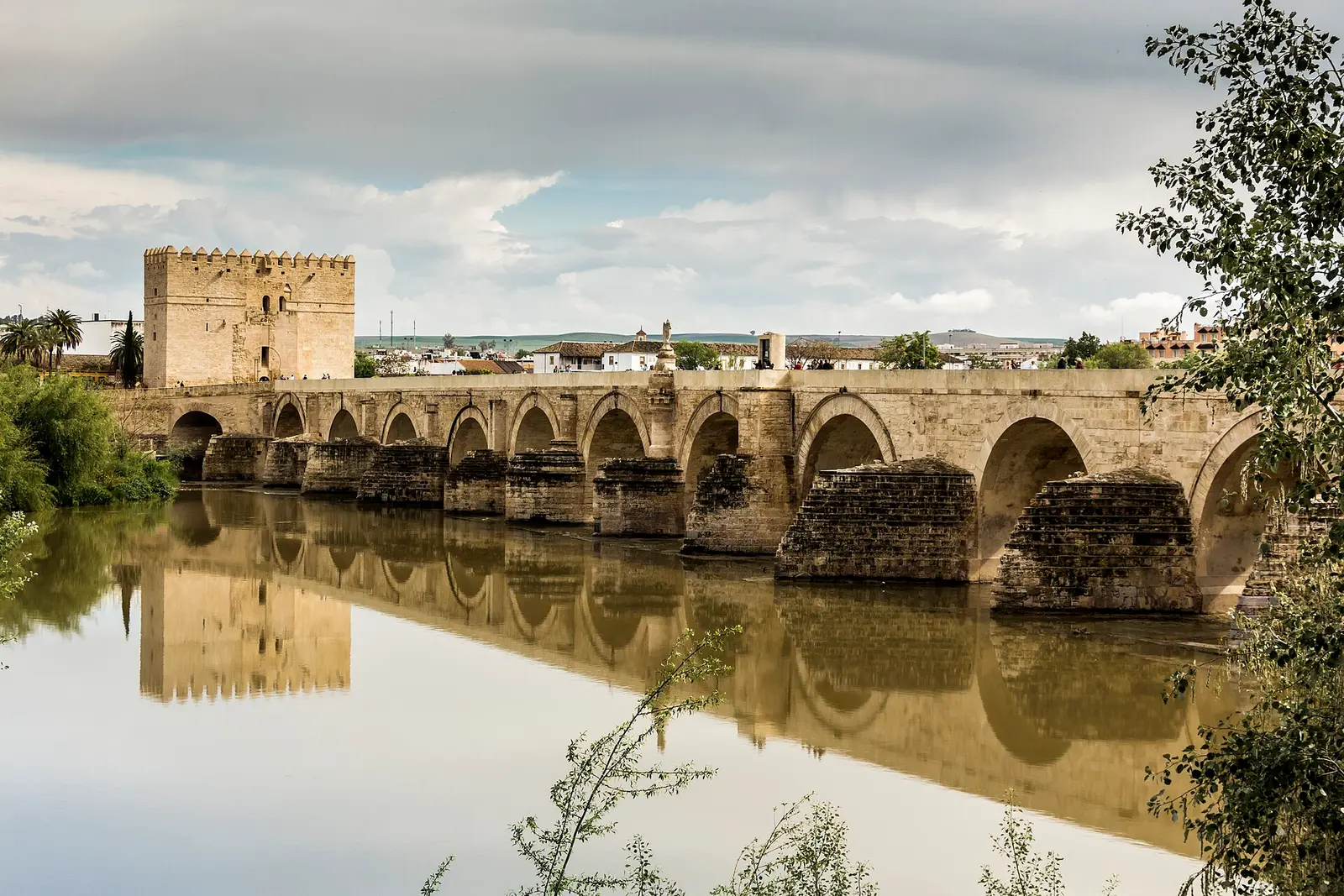
Roman Bridge of Córdoba
Puente Romano de Córdoba · Guadalquivir River, Córdoba, Spain
Look back from the river at the Mosque–Cathedral and the old town, and observe a bridge where Roman origins and later rebuilding are layered together.
Know before you go
- Do not climb the parapet or go down to dangerous areas by the water
- do not assume the night lighting and crowds are the same every day
- do not describe the nearby gate and tower as part of the Roman Bridge.
This article is Not yet verified. Please check official announcements for prices, opening hours and dates.
Culture
Culture & customs
Background
The Roman Bridge of Córdoba crosses the Guadalquivir and, together with the Puerta del Puente, the old town and the Mosque–Cathedral, forms the city's riverside landscape. The Córdoba Tourist Office confirms that the bridge dates back to Roman times, while the existing structure has been rebuilt many times in the medieval and modern periods, so not all the stone arches you see today should be described as original Roman work. The bridge has sixteen arches, and a statue of Saint Raphael stands in the middle of the parapet, showing how this crossing has been continually used and reinterpreted through different periods. The official Spanish and English descriptions differ on the exact century of construction, so it is better understood as a continuous process from Roman origins through later rebuilding.
Local customs
- The bridge deck is an open footpath and also a route used by local residents. Stand to the side when you stop for photos and leave room for pedestrians
- at dawn and sunset there are many visitors, so avoid blocking the narrow deck with tripods or groups.
Religion & beliefs
- The bridge itself is not a place of worship. The statue of Saint Raphael on the bridge reflects local Catholic faith and the city's tradition of patron protection
- if you go on to visit the Mosque–Cathedral, follow that site's own religious and admission rules.
Etiquette & taboos
Etiquette & taboos
Rules that apply here
Spain: Cover your shoulders and knees and take off your hat in churches
Do
- Wear a top that covers your shoulders and trousers or a skirt below the knee
- Take off your hat once you are inside
- Carry a light shawl or cardigan to cover up on hot days
- Keep quiet during Mass or prayers and watch from the back
- Rules vary by church: follow the signs at the door and the staff
Don’t
- Don't wear sleeveless tops, shorts above the knee, miniskirts or swimwear
- Don't go in barefoot
- Don't walk around the nave or talk loudly during Mass
The Sagrada Família enforces its dress code at the entrance for visitors of all ages, so you may be turned away if you do not comply; even where you get in, revealing clothes offend worshippers.
Verified Oct 19, 2026Source: Official site: Sagrada Família FAQ
Don’t DON'T
- Do not climb the parapet or go down to dangerous areas by the water
- do not assume the night lighting and crowds are the same every day
- do not describe the nearby gate and tower as part of the Roman Bridge.
Locals appreciate DO
- Walk across to observe how the arches relate to the riverbanks
- around sunset, look at the old-town skyline from the south or north bank
- understand the Puerta del Puente and the Calahorra Tower as neighbouring but separate sites.
Plan your visit
Practical info
Travel tips
- The bridge connects the Puerta del Puente area on the old-town side with the Calahorra Tower on the opposite bank. Just walking across and back and enjoying the views of both banks takes about 45–75 minutes
- if you also visit the Mosque–Cathedral, the Puerta del Puente or the tower, add their visiting and queuing times separately. The river, footpath and buildings are best seen in the evening light, but in the heat of summer carry water and sun protection, and watch for slippery stone after rain or at night. The bridge is a public thoroughfare, and on-site events and maintenance may change the walking route, so look out for official notices before setting out. The map location is the middle of the bridge
- since the bridge is a linear structure, the pin does not indicate a single entrance. Looking first at the Puerta del Puente on the old-town side from the north bank, then strolling to the south bank to look back at the whole bridge, helps you understand the bridge's relationship to the city more clearly than photographing from the middle of the deck
- if you are short of time, even a one-way walk lets you take in the views from both sides.
How do you like this place?
More nearby
Also in Spain
Nearby sights
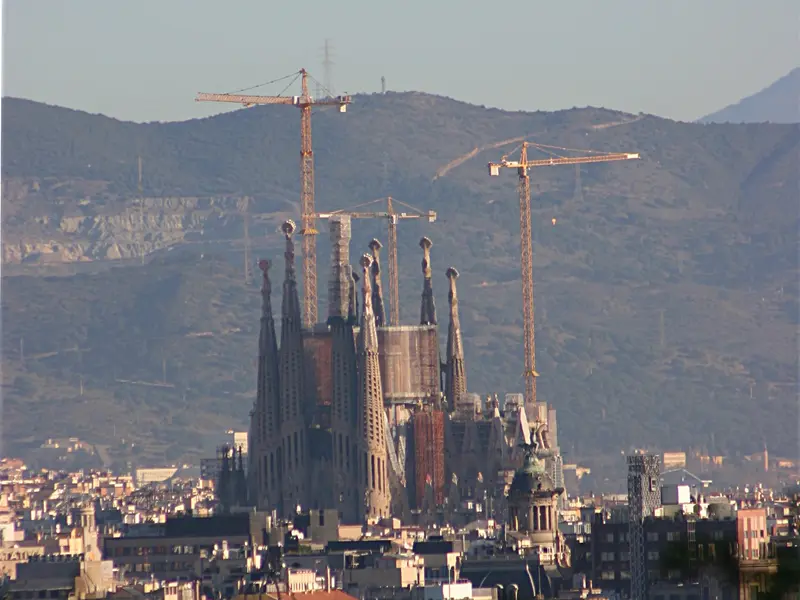
Sagrada Família
Gaudí's lifelong 'Bible in stone', a church that is still growing
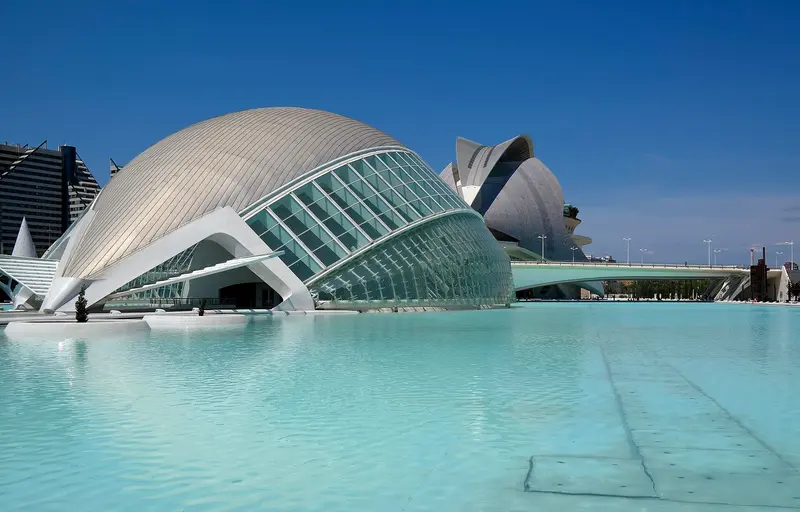
City of Arts and Sciences, Valencia
Walk along the old bed of the Turia and choose between the science museum, the aquarium or the dome cinema according to your interests.
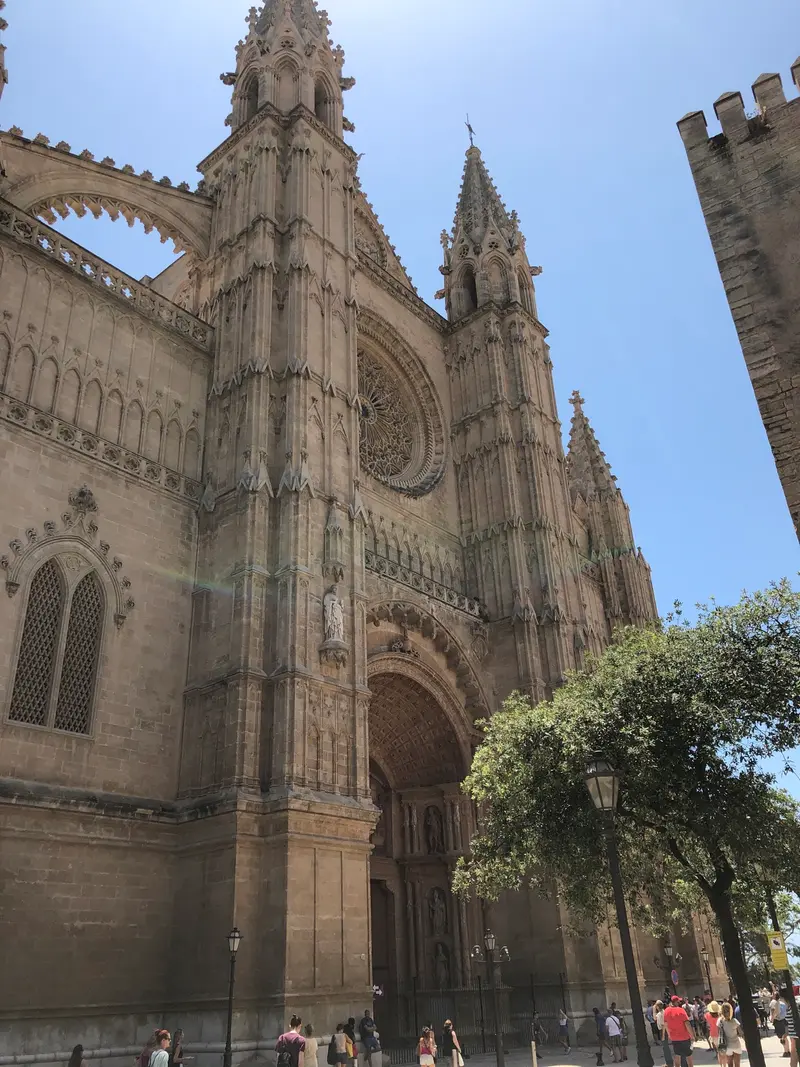
Mallorca
The largest of the Balearic Islands, with the World Heritage-listed Serra de Tramuntana, Palma Cathedral rising by the sea, prehistoric megalith…
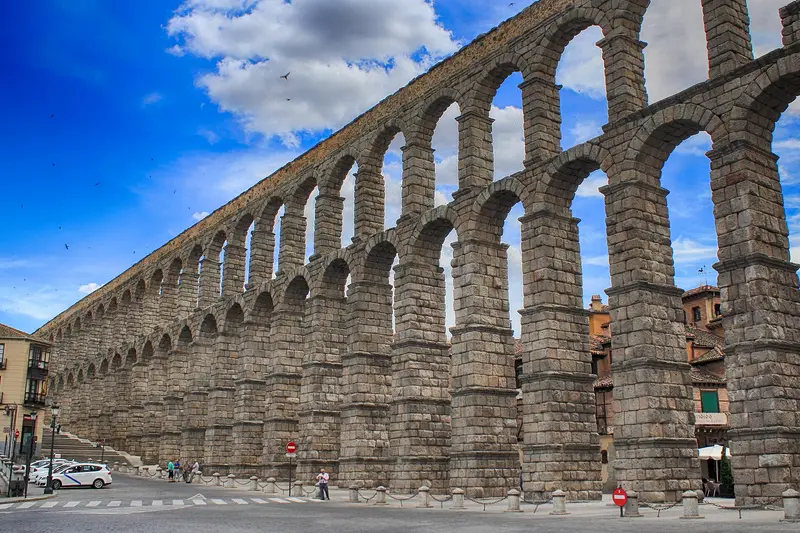
Segovia
The Roman aqueduct, built of granite without mortar, strides across the Plaza del Azoguejo and still stands nearly two thousand years later; the…
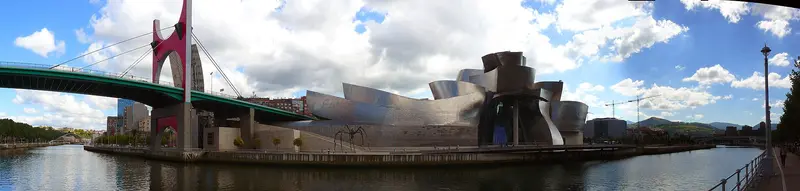
Guggenheim Museum Bilbao
Frank Gehry's curving titanium building unfolds along the river and has become a landmark of contemporary architecture; inside is Richard Serra'…
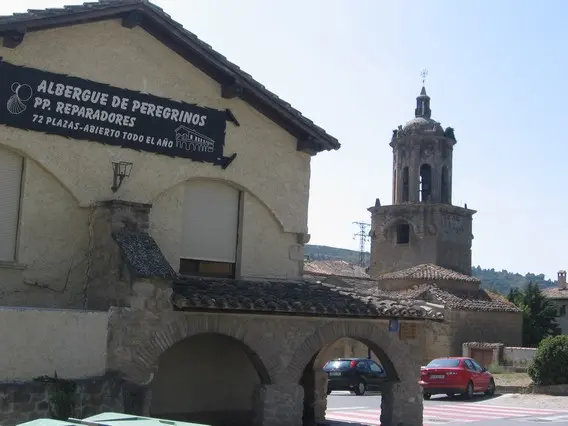
Camino de Santiago
A thousand-year-old pilgrimage route; this entry focuses on the most popular branch, the French Way: about 769 kilometers from the foot of the P…
Local legends
 La Tomatina in BuñolThe fallen big-headIt is said that on the last Wednesday of August 1945, during a parade of giants and big-heads in…
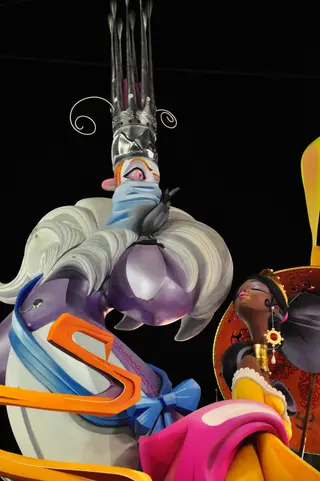 Falles of ValenciaThe carpenters' candle standsIt is said that Valencia's carpenters once worked through the winter by candles hung on wooden s…
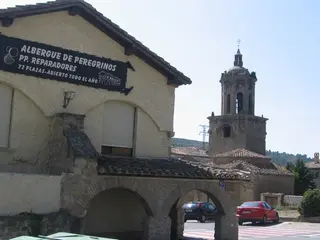 Camino de SantiagoThe bridegroom covered in shellsLegend says that after Saint James was martyred, his body was carried by boat back to the Iberia…Camino de SantiagoThe Milky Way as pilgrims' dustA medieval legend held that the Milky Way was formed from the dust raised by pilgrims on the roa…
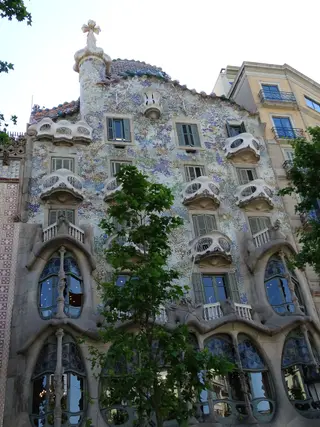 Casa Batlló and Casa MilàThe dragon and Saint George on the roofThe arched roof of Casa Batlló is often read as a dragon's back, and the cross-topped spire is s…
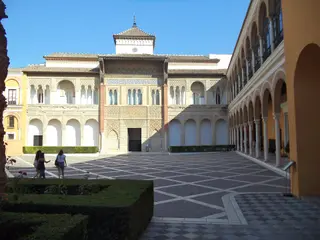 Royal Alcázar of SevilleThe legend of the maidens' tributeLegend has it that the Moorish rulers demanded an annual tribute of one hundred maidens from the…