
City guide · Córdoba
Córdoba
From the Roman Bridge to the Mosque-Cathedral, read Andalusian history in courtyards and old-town lanes
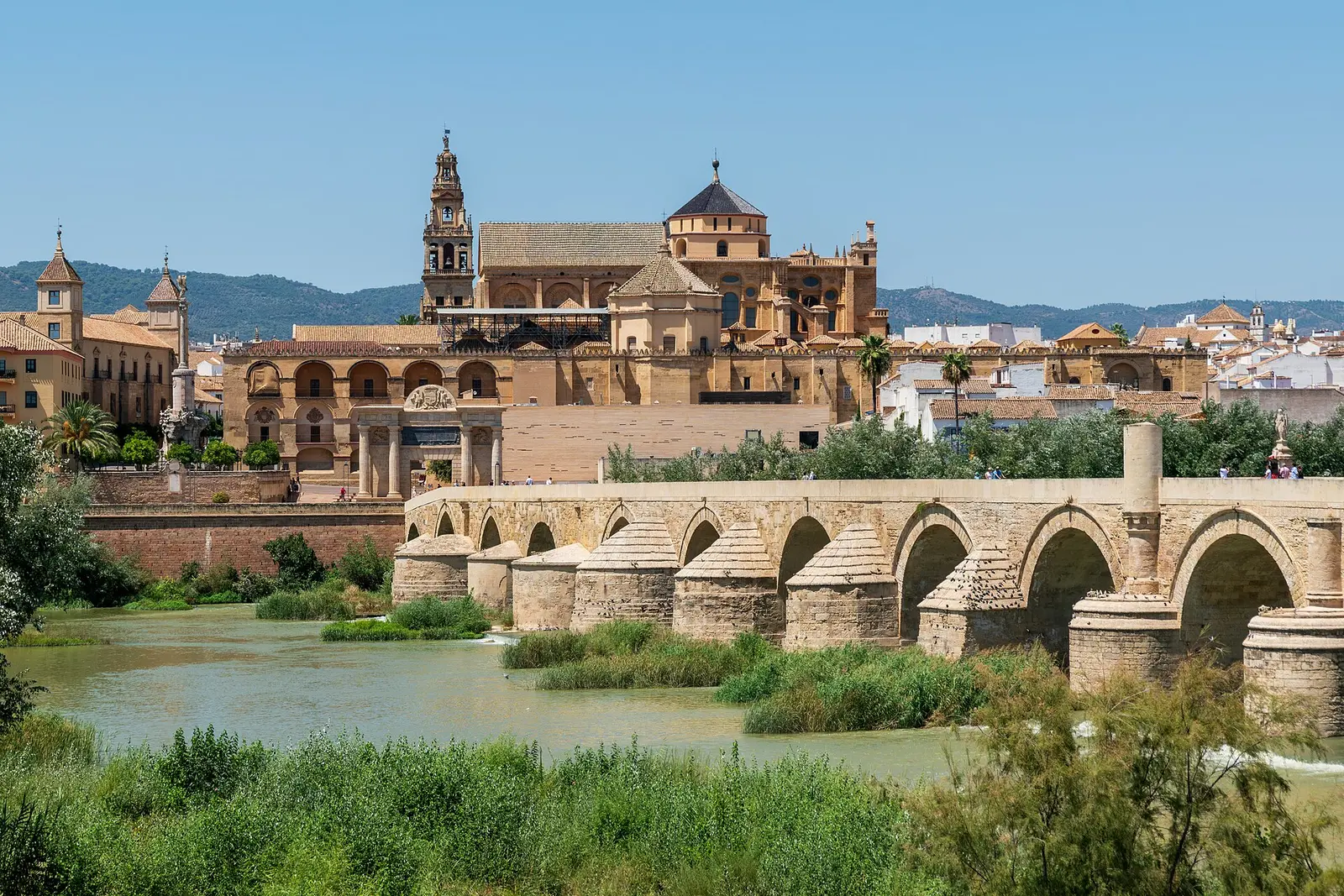
Córdoba's historic centre hugs the Guadalquivir, and the Roman Bridge, the Mosque-Cathedral and the Jewish Quarter can be visited one after another on a walking route. They present the architecture and street memories of the Roman, Islamic and Christian periods respectively, while the patios bring the city's domestic life into your itinerary. Also worth visiting in the city: the Jewish Quarter and its 14th-century synagogue, the Roman Bridge, Calleja de las Flores and the Córdoba patios. The dates of the Patios Festival and the private courtyards open to visitors may change each year, so plan your trip according to official announcements.
History
How the city came to be
Córdoba was already an important city in Andalusia in Roman times, and the bridge over the river and remains near the old town point to its early role in transport. From the 8th century the city became the political, commercial and scholarly centre of al-Andalus; construction of the mosque began in the 8th century and it was later enlarged several times. Medieval lanes and inner courtyards carry traces of different communities sharing the city, and today's Jewish Quarter keeps its winding street network, where the 14th-century synagogue still reveals a layer of religious culture. After the Christian kingdom captured Córdoba in 1236, the mosque was converted into a cathedral, and other religious and defensive buildings were also reused. The modern city kept growing along the river and around the edge of the old town. In 1984 the mosque was inscribed as a World Heritage Site, and in 1994 the listing was extended to part of the historic centre, the Alcázar and the riverside area around the Roman Bridge. The Córdoba Patios Festival was inscribed as Intangible Cultural Heritage in 2012; it combines residents' homes with a public festival, so when you visit, treat these private living spaces as places where people live.
- Roman periodCórdoba became an important city, with river transport and the bridge shaping the city's layout.
- 8th centuryConstruction of the Great Mosque began, and it was later enlarged several times.
- 1236The Christian kingdom captured Córdoba, and the mosque was gradually turned into a cathedral.
- 1314–1315The synagogue in the Jewish Quarter was built.
- 1984The Mosque of Córdoba was inscribed as a World Heritage Site.
- 1994The World Heritage listing was extended to part of the historic centre, the Roman Bridge and other areas.
- 2012The Córdoba Patios Festival was inscribed as UNESCO Intangible Cultural Heritage.
Stories
Stories of the city
An exiled prince founds a state and a mosque
History · Mosque-Cathedral of Córdoba
Abd al-Rahman I came from the Umayyad royal house of Damascus. After his family was almost wiped out in 750, he fled to North Africa and made his way to the Iberian Peninsula. He took power at Córdoba, founded a state there and in 785 ordered the building of the Great Mosque.
The gold mosaics of the mihrab
History · Mosque-Cathedral of Córdoba
According to traditional accounts, al-Hakam II asked the Byzantine emperor for mosaicists, and the emperor sent a craftsman along with a large load of mosaic tesserae; this remains a traditional account. The mihrab mosaics seen today were restored in the 19th century.
Must see
Places you shouldn’t miss
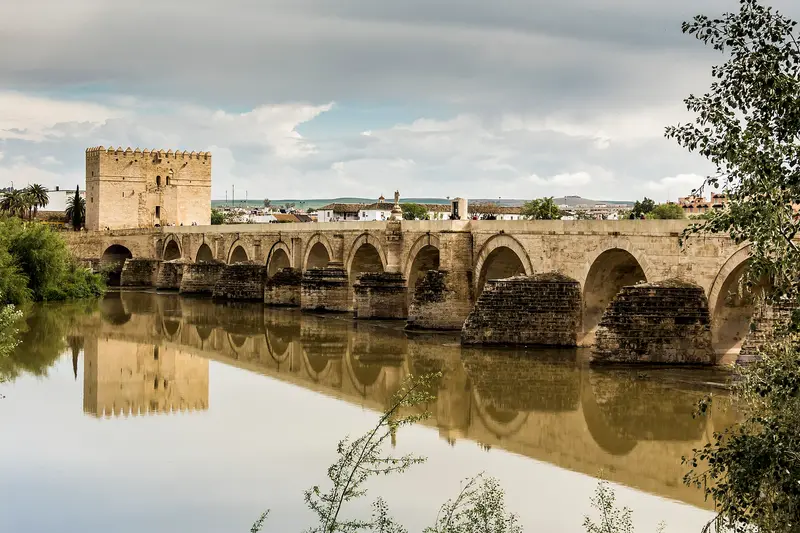
Roman Bridge of Córdoba
Look back from the river at the Mosque–Cathedral and the old town, and observe a bridge where Roman origins and later rebuilding are layered tog…
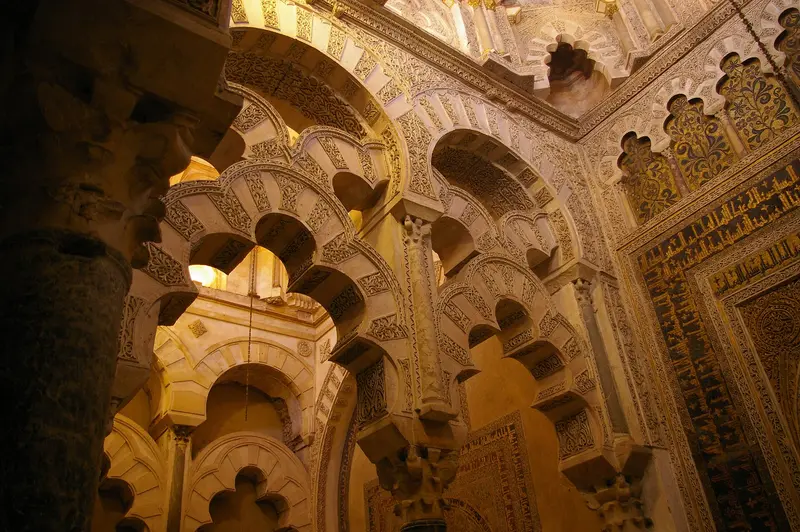
Mosque-Cathedral of Córdoba
Red-and-white double-tiered arches and hundreds of columns form a prayer hall like a "forest of stone", while a Renaissance nave inserted into t…
Before you go
Rules to know in Córdoba
Spain: Cover your shoulders and knees and take off your hat in churches
Do
- Wear a top that covers your shoulders and trousers or a skirt below the knee
- Take off your hat once you are inside
- Carry a light shawl or cardigan to cover up on hot days
- Keep quiet during Mass or prayers and watch from the back
- Rules vary by church: follow the signs at the door and the staff
Don’t
- Don't wear sleeveless tops, shorts above the knee, miniskirts or swimwear
- Don't go in barefoot
- Don't walk around the nave or talk loudly during Mass
The Sagrada Família enforces its dress code at the entrance for visitors of all ages, so you may be turned away if you do not comply; even where you get in, revealing clothes offend worshippers.
Verified Oct 19, 2026Source: Official site: Sagrada Família FAQ
Spain: No photos in the Prado galleries; no flash or selfie sticks at the Sagrada Família
Do
- Check the photo rules posted at each site before taking pictures
- Put your phone and camera away in the Prado's galleries
- At the Sagrada Família, personal photos are fine without flash
- Stop taking photos during Mass and other services
- Apply to the venue in advance for any commercial shoot
Don’t
- Don't use tripods or selfie sticks
- Don't fly a drone in or around the Sagrada Família
- Don't rely on old guides saying photos are allowed
- Don't cross barriers or touch exhibits for a shot
Staff will stop you on the spot; the Prado bans photos mainly to stop crowds forming with their backs to the masterpieces, and flash can also harm artworks and stained glass.
Verified Oct 19, 2026Source: Official site: Prado Museum visitor regulations
Spain: Ask "¿Quién es el último?" to join the queue at a counter
Do
- If people are not in a line, ask "¿Quién es el último?" (Who is last?)
- Remember who is ahead of you – you are next once they are served
- When someone arrives after you and asks, answer "Yo" (me)
- Where there is a ticket machine, take a number and watch the screen
- Keep your voice down on public transport and in residential streets
Don’t
- Don't push straight to the counter
- Don't assume there is no queue just because people are scattered
- Don't make loud calls or play music aloud on trains and buses
Jumping ahead of others clearly annoys locals and you will often be told so to your face; the "who is last?" system is common at market stalls, bakeries, pharmacies and similar counters.
Verified Oct 19, 2026Source: Travelers United: Waiting your turn the Spanish way
Spain: Greet people as you enter, and expect two cheek kisses among friends
Do
- Say "Buenos días" or "Buenas tardes" when entering a shop or lift
- Say "Adiós" or "Hasta luego" as you leave
- Shake hands with eye contact and a smile when meeting someone new or formally
- For cheek kisses (dos besos), follow the other person's lead
- Use "Señor" or "Señora" in formal settings
Don’t
- Don't walk up to the counter without a greeting
- Don't initiate cheek kisses with someone you have just met
- Don't keep checking your phone while someone is talking to you
Skipping the greeting carries no penalty, but in Spain it comes across as cold and impolite; a greeting first usually earns you warmer service.
Verified Oct 19, 2026Source: Cultural Atlas: Spanish Culture – Greetings
Spain: Eat on local time – lunch after 2 pm, dinner after 9 pm
Do
- Lunch is the main meal, roughly between 2 and 4 pm
- Dinner rarely starts before 9 pm and can be later at weekends
- Between meals, expect mostly cold tapas at bars
- Order a few tapas or sharing portions (raciones) for the table
- Check the opening hours posted at each place
Don’t
- Don't expect a hot dinner at 6 pm
- Don't hurry the kitchen or rush to leave
If you turn up at your usual mealtimes you may find the kitchen closed or only cold dishes on offer; there is no penalty, but you will miss the hot food.
Verified Oct 19, 2026Source: Cultural Atlas: Spanish Culture – Etiquette
Spain: Tipping is optional – round up in cash if you are pleased
Do
- If you are happy with the service, round up the bill or leave some coins
- Leave the tip in cash on the table or hand it to the waiter
- Catch the waiter's eye and ask for the bill when you are ready
- Say clearly that you need change if you do
- Ask the waiter first if you want to pay separately
Don’t
- Don't wait for the bill to arrive on its own
- Don't add a tip if service is already on the bill
- Don't assume a tip added by card reaches the waiter
Spaniards generally do not tip at table-service restaurants, so not tipping is not rude; waiters usually do not bring the bill unasked so as not to rush you, and simply waiting will only cost you time.
Verified Oct 19, 2026Source: Cultural Atlas: Spanish Culture – Etiquette
How do you like this place?
More cities in Spain
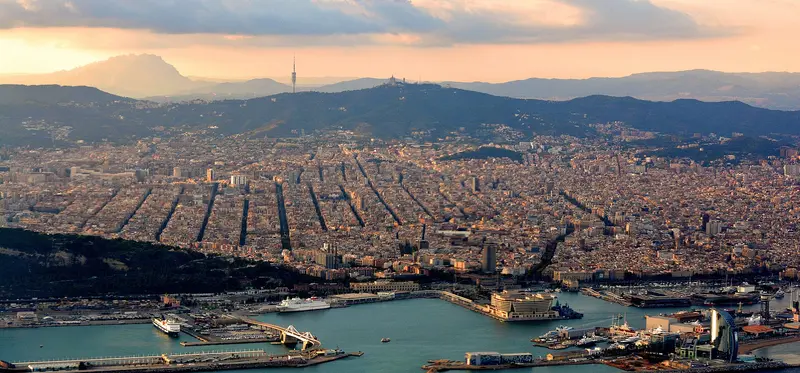
Barcelona
Barcelona
3 places
Gaudí's city: Roman walls, the Gothic Quarter and Catalan Modernisme
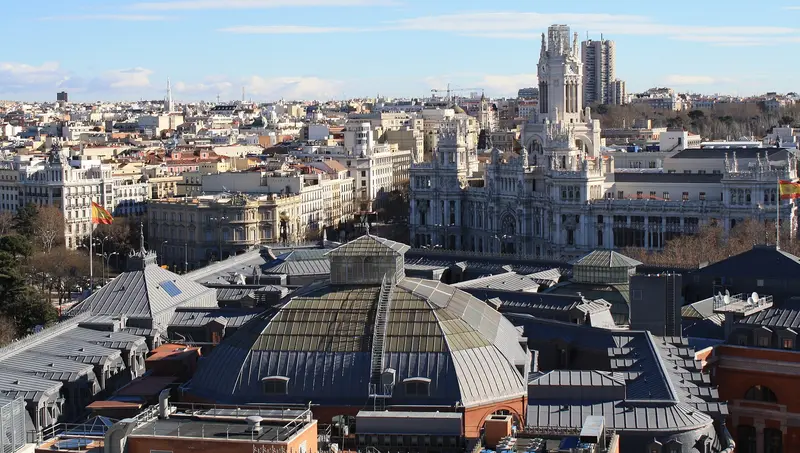
Madrid
Madrid
1 places
A capital built by the crown: the museums of the Paseo del Prado, the Plaza Mayor and late nights in the old town
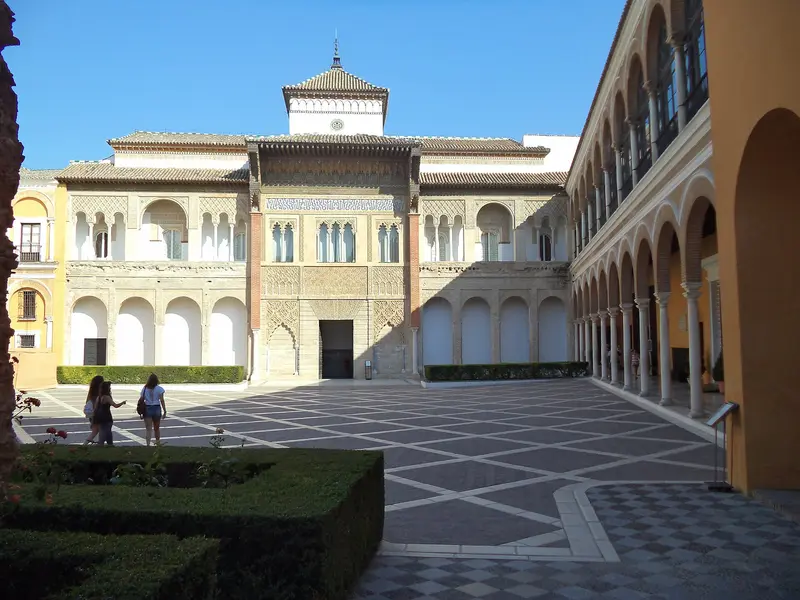
Sevilla
Seville
2 places
Along the royal palace, the cathedral and the riverbank, understand Seville's many layers of history
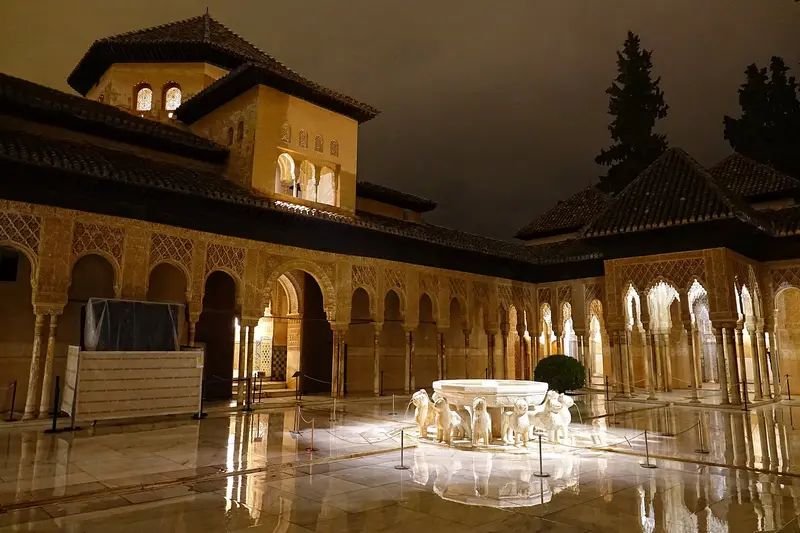
Granada
Granada
1 places
From the palace city to the Albaicín, walk Granada's hills and lanes
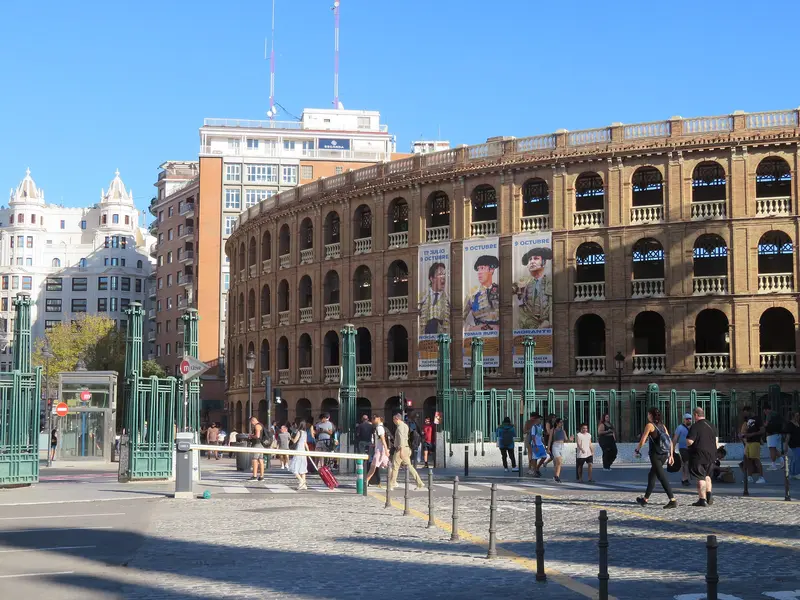
València
Valencia
3 places
From the Roman old town and the Silk Exchange to a modern waterfront city of culture