Hakata Karashi Mentaiko
辛子明太子 Karashi mentaiko · Fukuoka, Fukuoka Prefecture
Spicy marinated pollock roe from Busan, adapted to Japanese tastes in Nakasu, Hakata, in 1949.
Know before you go
- Don't leave mentaiko that needs refrigeration at room temperature or in your suitcase for long
- don't keep sampling at the tasting counter without buying
- before taking it abroad, check the destination's import rules—many countries ban or restrict bringing in fish roe products.
This article is Not yet verified. Please check official announcements for prices, opening hours and dates.
Culture
Culture & customs
Background
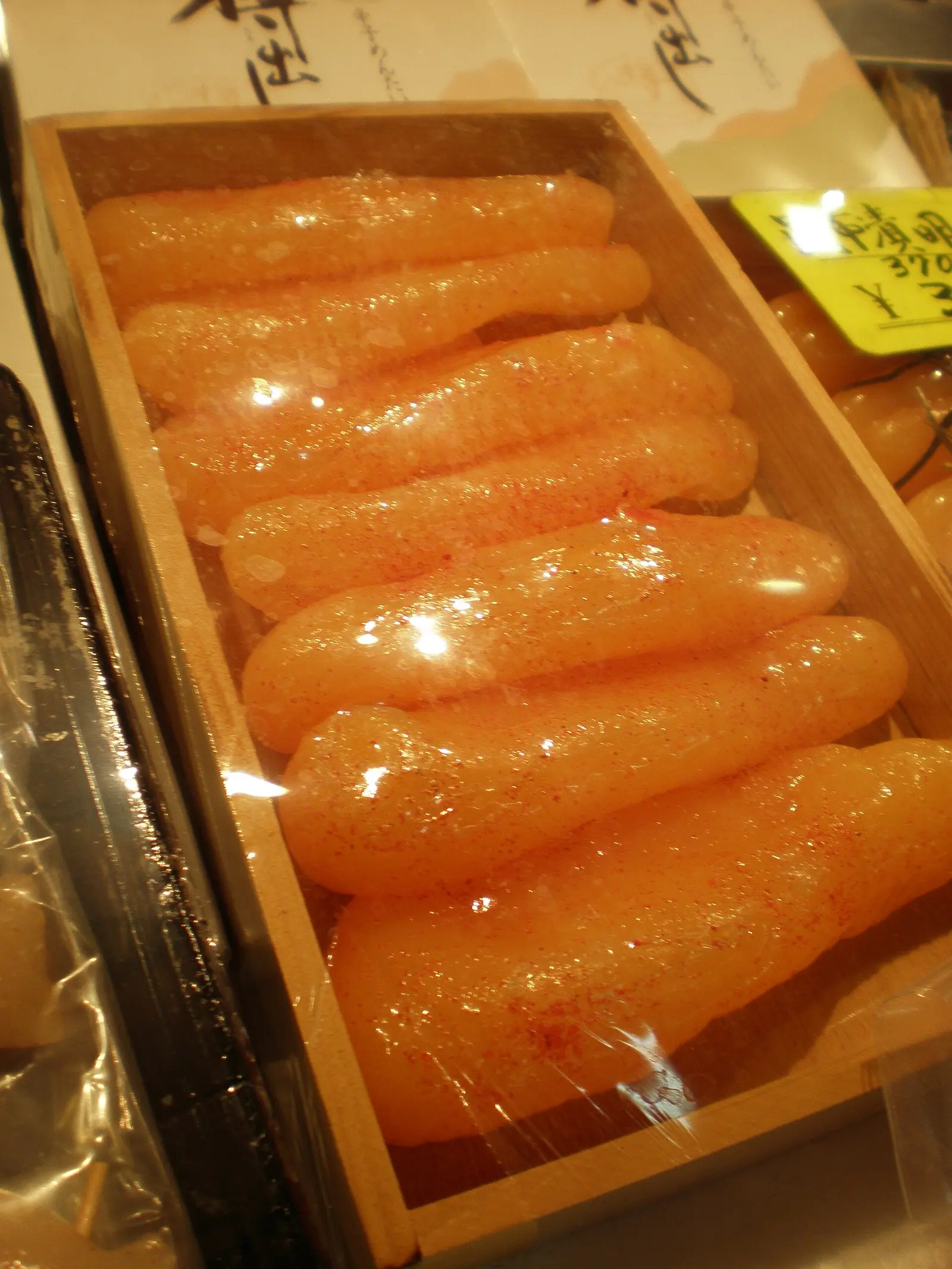
Karashi mentaiko is a side dish made by salt-curing and maturing Alaska pollock roe, then desalting it and steeping it in a seasoning liquid of chili, kombu, sugar, soy sauce and more. According to Japanese Wikipedia, the Korean Peninsula long had myeongran-jeot: roe salted and fermented, then sprinkled with chili powder and garlic; before World War II some Japanese ran mentaiko wholesale businesses in Busan. Toshio Kawahara of Fukuya in Fukuoka had eaten myeongran-jeot in Busan as a young man; after the war he wanted to sell it as it was, but it was too spicy to sell, so he switched to steeping it in a seasoning liquid with sugar, sake, and bonito and kombu dashi, and launched it on 10 January 1949 under the name "Aji no Mentaiko." He did not keep this method, developed over about ten years, to himself but taught it to other makers, and so karashi mentaiko became a Hakata specialty.
Local customs
- It is most commonly eaten with white rice, but is also lightly grilled as a snack with drinks, or made into mentaiko pasta, mentaiko rice balls and mentaiko baguettes
- it comes as whole sacs (ipponmono) or broken pieces (kireko), and the broken pieces are cheaper and suited to home use. Breakfast places and set-meal restaurants also often serve mentaiko as a side dish.
Religion & beliefs
- Karashi mentaiko has nothing to do with religion
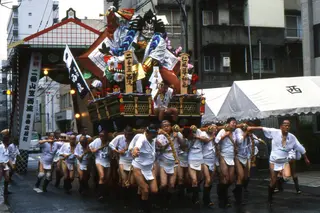
- it went on sale on 10 January, the very day of the Toka Ebisu Shrine grand festival in Hakata, and that day was later designated "Mentaiko Day." Hakata has many festivals, and mentaiko often appears on New Year and festive tables.
Etiquette & taboos
Etiquette & taboos
Rules that apply here
No photography and no eating or drinking in the permanent gallery of the Okinawa Prefectural Peace Memorial Museum
Do
- Put away your camera, food and drinks before entering the permanent gallery
- For the special exhibition gallery and the children's gallery, check the notices of the day to see whether photography is allowed
- If you need to eat or drink, go to the areas designated by the museum, such as the outdoor colonnade
Don’t
- Do not take photos or videos in the permanent gallery
- Do not eat or drink in the permanent gallery, and do not have meals in other areas of the museum either
- Do not extend the permanent gallery's photo ban into a photo ban across the entire park
The museum's 2026 visitor guide explicitly prohibits photography, eating and drinking in the permanent gallery and asks visitors to check the restrictions for other galleries separately; follow the museum's instructions on site.
Not yet verifiedSource: Okinawa Prefectural Peace Memorial Museum: FY2026 visitor guide, page 6
Japan: At fireworks festivals, don't tape off spots in advance, and never fly drones
Do
- Spread your sheet where there is actual space when you arrive, leaving room for neighbours
- Follow police and staff directions and move with the crowd
- Bring plenty of water and cooling gear to prevent heatstroke
- Riverbanks have lots of insects, so bring repellent
- Festivals usually go ahead in light rain, so bring a raincoat
- Take your rubbish home
Don’t
- Don't mark spots in advance with tape or spray paint on roads or in parks
- Don't fly drones
- Don't use selfie sticks in crowds; the Sumida River festival bans them
- Don't stop in the middle of the path to watch and block the flow
Spots marked in advance are cleared by the organisers, and flying drones is prohibited by law. City-centre festivals run one-way crowd flows, and going against the flow or stopping can cause dangerous crushes.
Verified Oct 19, 2026Source: Excite News: Sumida River Fireworks, access and viewing guide
Mixed, open-air and private baths: read the signs, don't stare, never take photos
Do
- Check the signs before entering; mixed baths are clearly marked, and joining is entirely your choice
- Most mixed baths are nude only, with no swimwear; some allow or lend special bathing wraps or towels, so follow the bath's rules
- If you prefer not to bathe mixed, use the separate men's and women's baths or a private bath
- Outdoor baths are slippery and the temperature changes sharply; hold the handrails when moving
- Use a private bath only within your booked slot and leave on time
- Tohoku and other regions still have many therapeutic hot springs with mixed bathing; for long therapeutic stays, follow the ryokan's and your doctor's advice
Don’t
- Don't stare at other bathers, strike up conversations, or linger to watch
- Don't take photos or videos in the bath area
- Don't overstay a private bath; the next group is waiting
Mixed bathing works only because bathers keep their eyes to themselves; staring or taking photos will get you asked to leave, and filming others in a bath may break local law.
Verified Oct 19, 2026Source: Wikipedia (Japanese): Konyoku
Stay off private land, and ask before photographing children or people
Do
- Ask parents' permission before photographing their children
- Ask geiko, maiko, and other working people before photographing them
- Check for 撮影禁止 (no photography) signs, and ask staff if there are none
- Photograph trains and stations themselves without disrupting operations
Don’t
- Do not enter private homes or land for a shot
- Do not photograph the inside of homes
- Do not aim your camera at individual passengers on trains or buses
- Do not step into rice paddies, flower beds, or along railway tracks for photos
- Do not use selfie sticks or tripods in crowds or dangerous spots
- Do not chase or stop geiko or maiko
Trespassing on private land is illegal and can get you told to leave or to delete your photos. Shooting in no-photo areas will be stopped, and photographing children is seen as an invasion of privacy.
Verified Oct 19, 2026Source: Aichi Now: Sightseeing Manners
Bathe nude in the onsen and keep your towel out of the water
Do
- Bathe fully nude, without swimwear or underwear
- Rest your small towel on your head or the edge of the bath
- Tie up long hair so it stays out of the water
- Enter the bath slowly and keep quiet
- Leave your phone in the locker
- Keep your first soak short, and dry off before returning to the changing room
Don’t
- Do not dip your towel into the bath
- Do not swim, dive, or talk loudly in the bath
- Do not take photos anywhere in the bathing area
- Do not wrap your yukata right side over left; that is how the deceased are dressed
Most of these are written bathhouse rules. Breaking them gets you a reminder from staff, and in serious cases you may be asked to leave. Soaking too long can also make you dizzy.
Verified Oct 19, 2026Source: Authentic Local Japan: Onsen Etiquette
Don’t DON'T
- Don't leave mentaiko that needs refrigeration at room temperature or in your suitcase for long
- don't keep sampling at the tasting counter without buying
- before taking it abroad, check the destination's import rules—many countries ban or restrict bringing in fish roe products.
Locals appreciate DO
- People in Hakata appreciate visitors who eat mentaiko as an everyday dish and not just as a souvenir
- try different spice levels in the shop before buying, and the staff are happy to make recommendations. Tell the staff whether you are taking it home or eating it in Japan, and they will suggest suitable packaging and ways to keep it cold
- if you want something fresh, ask the staff at the market to recommend seasonal products.
Plan your visit
Practical info
Travel tips
- You can buy it in the department store food halls at Hakata Station and Tenjin and at Yanagibashi Rengo Market, and many shops let you taste before buying
- as a souvenir, choose frozen or shelf-stable processed products. You can combine it with the Nakasu yatai, Yanagibashi Rengo Market and Kushida Shrine. Dietary notes: mentaiko is uncooked salted fish roe, so pregnant women and people with weaker immunity can choose grilled versions
- it is very salty
- it contains chili, so if you don't like heat choose a mild version
- the marinade contains soy sauce (soy, wheat), alcohol and fish, so it is unsuitable if you are allergic to fish roe. Shelf-stable processed products are better for carrying on long trips. Prices and opening hours are set by each shop
- popular old places often have queues, so go outside peak mealtimes for a more relaxed meal.
How do you like this place?