
Shacha noodles
沙茶面 Sa-tê-mī · Xiamen, Fujian, China
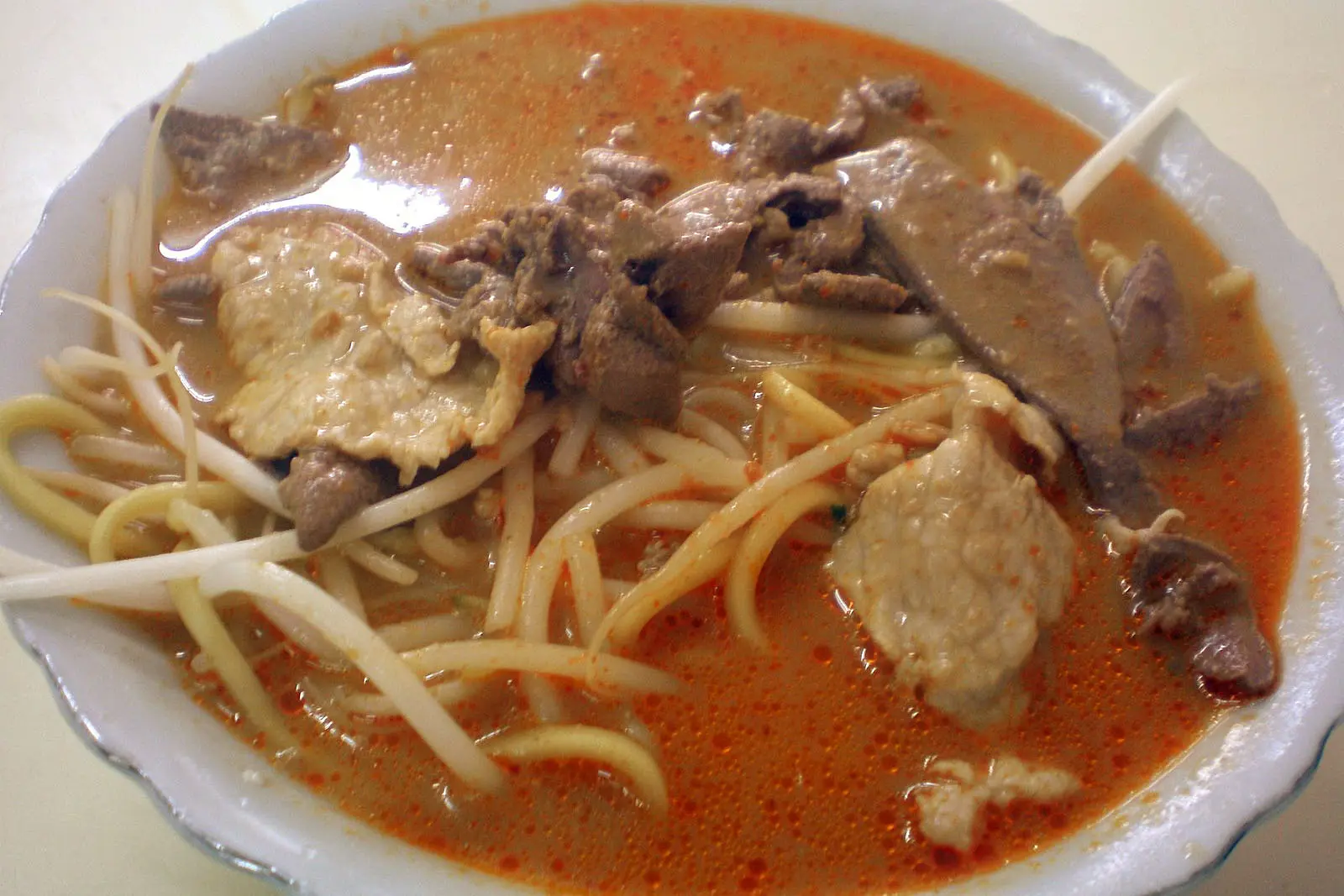
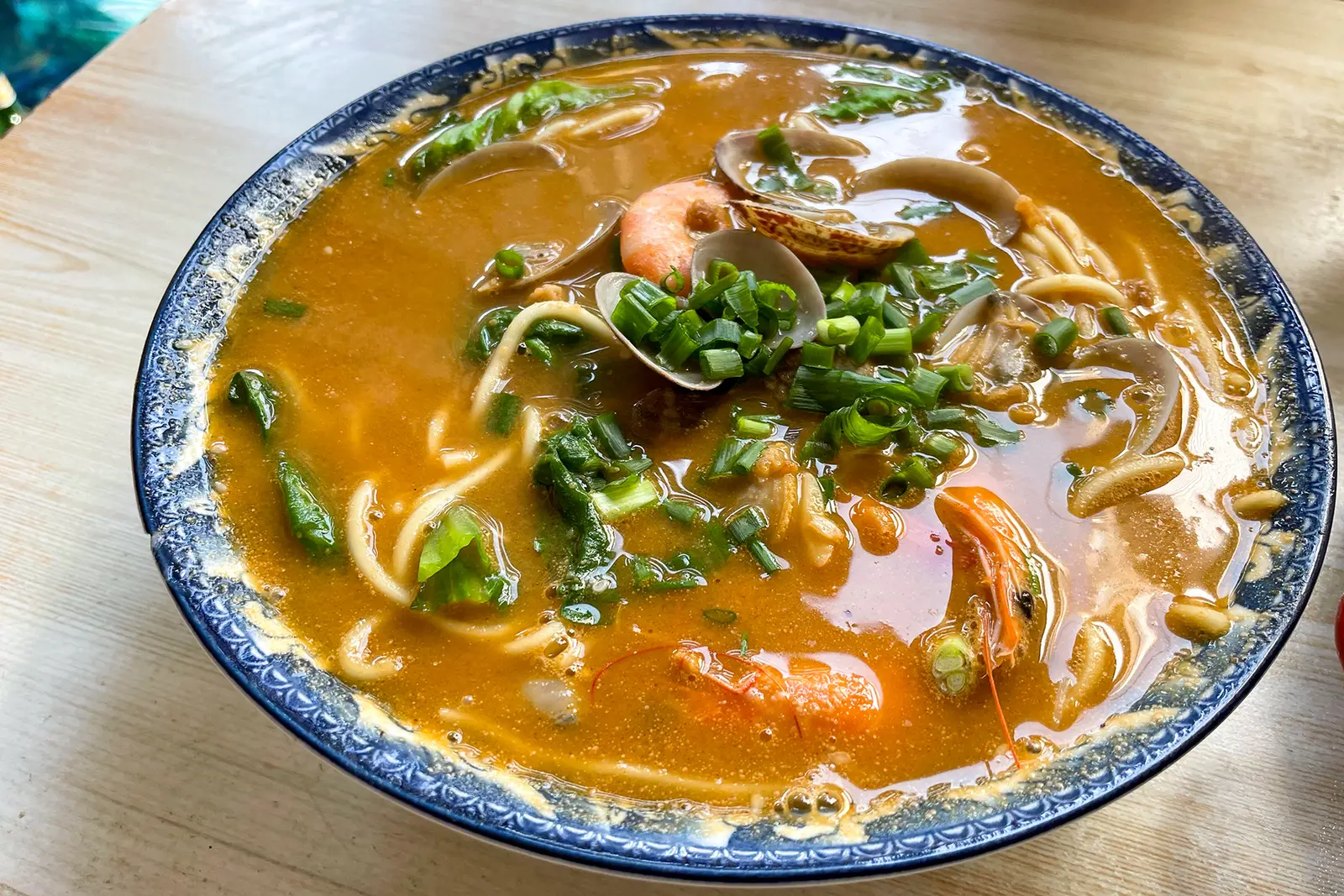
A rich broth cooked with shacha sauce is poured over oil noodles, with toppings from pork liver and intestines to squid, all your choice.
Know before you go
- If you are allergic to peanuts, shellfish or fish, ask about the ingredients of the satay sauce first: it usually contains peanuts, and some versions add dried shrimp or dried fish
- if you don't eat offal, avoid pork liver, intestines and kidney when ordering
- don't push leftover toppings back into shared utensils.
This article is Not yet verified. Please check official announcements for prices, opening hours and dates.
Culture
Culture & customs
Background
Shacha noodles are Xiamen's signature soup noodles: shacha sauce is cooked into a shacha broth and poured over blanched oil noodles, then bean sprouts and assorted toppings are added. Coastal Xiamen is one of the main ancestral homes of overseas Chinese, and "shacha" is generally thought to be the Minnan transliteration sa-tê of the Malay word satay; the sauce came back to southern Fujian with overseas Chinese returning from Southeast Asia and then evolved to suit local tastes. On 11 December 1997, Wu Zaitian's shacha noodles in Xiamen were recognised as one of the first "Famous Chinese Snacks". Today small shops specialising in shacha noodles are found all over Xiamen.
Local customs
- When ordering, choose your toppings first, then the shop cooks the noodles and pours on the broth: common toppings include pork liver, pork kidney, duck gizzard, intestines, fresh squid, dried tofu, shrimp and meatballs, priced per item
- you can also ask for rice noodles instead of oil noodles. The broth is fairly thick, and if you like it spicy, ask for extra shacha or chilli.
Religion & beliefs
Shacha broth is usually simmered from pork bones or seafood, and the toppings are mainly pork and offal, so it is neither vegetarian nor halal. Travellers who need halal food should look for a halal restaurant instead. You can also ask the shop to add only vegetable toppings such as bean sprouts and dried tofu, but the broth itself is still meat-based.
Etiquette & taboos
Etiquette & taboos
Rules that apply here
China: At Qingming tomb-sweeping, no burning paper or open flames in wooded areas
Do
- Check whether the cemetery requires a reservation before you go
- Stay quiet while laying flowers, bowing and observing silence
- Consider flowers, tree planting or online memorials instead of burning paper
- Dress soberly for tomb-sweeping
- Take offering wrappers and rubbish with you when you leave
Don’t
- Don't burn paper, incense or candles, or set off firecrackers, in woods or grassland
- Don't talk loudly or joke around in the cemetery
- Don't block cemetery paths for long to take photos
During fire-prevention periods, burning paper, incense and candles is strictly banned in forest and grassland fire zones, and anyone who starts a wildfire may be held legally liable. Whether and where a cemetery allows burning is set by its own rules on site.
Verified Oct 19, 2026Source: Xinhua: Two departments deploy safety measures for the Qingming holiday
China: Go through security before the metro, and park shared bikes in marked zones
Do
- Cooperate with the security check at the entrance and put bags through the scanner
- On the platform, wait beside the doors and let passengers off first
- Register with your real name in the app before riding a shared bike
- Park in a marked bay or an app-designated spot, and make sure the lock clicks shut
- If the brakes or lock don't work, switch bikes and report it in the app
Don’t
- Don't linger in the doorway or force your way through closing doors
- Don't leave bikes in traffic lanes, fire lanes or on tactile paving
- Don't let children under 12 ride shared bikes
If you refuse the security check you will not be let into the station. Badly parked bikes are removed, and riders may face action under local rules and the operator's terms.
Verified Oct 19, 2026Source: People's Daily Online: Beijing issues standards for shared bike technology, services, parking
China: No smoking anywhere on high-speed trains, and no phone calls in quiet carriages
Do
- Sit in the carriage and seat shown on your ticket
- Put large luggage in the racks at the carriage ends or overhead
- Use headphones for videos and music
- In a quiet carriage, step outside to make or take calls
- Before getting off, check around your seat and take your rubbish and belongings
Don’t
- Don't smoke anywhere on the train, including toilets and vestibules
- Don't take someone else's seat
- Don't choose a quiet carriage when travelling with babies or toddlers (12306 advises against it)
Smoking on a bullet train can set off smoke alarms and slow or even stop the train. Smokers are fined by the police and, according to reports, may also be barred from buying bullet-train tickets; official rules prevail. If someone breaks the quiet-carriage rules, tell the train staff.
Verified Oct 19, 2026Source: Travel China Guide: Smoking on Chinese trains
China: Stay on open sections of the Great Wall and never carve the bricks
Do
- Walk only on open sections and marked routes
- On steep stretches, stop and steady yourself before taking photos, and watch your step
- Wear non-slip shoes, carry enough water, and turn back if you are tired
- Carry your rubbish down or put it in a bin
- Check opening arrangements before you go; official announcements prevail
Don’t
- Don't carve, write on or prise loose the bricks
- Don't climb over fences or onto closed, crumbling walls and watchtowers
- Don't run or push on steep sections
Carving the Great Wall counts as damaging a cultural relic: one visitor who carved his name at Badaling was given administrative detention and a fine by the police and was blacklisted by the scenic area. Closed sections are not maintained and can be dangerous.
Verified Oct 19, 2026Source: China News Service: Man detained for five days and fined 200 yuan for carving on the Badaling Great Wall
China: book popular sights in advance, under your real name, through official channels
Do
- Check the booking rules on the site's official website, mini program or account before you go
- Enter every companion's ID details in advance and pick an entry time slot
- Children, seniors and others with free or reduced tickets also book as required and show ID
- Book early for holidays and summer; popular dates often fill quickly
Don’t
- Don't trust third parties offering to grab tickets or sell 'insider' tickets
- Don't assume a free ticket means no booking is needed
- Don't count on buying tickets at the gate on peak days
Once a popular date is fully booked, you may be turned away. China's Ministry of Culture and Tourism requires sites to keep in-person ticket windows and to accommodate seniors and others, but on-site quotas are limited; booking windows, release times and visitor caps are subject to official announcements.
Verified Oct 19, 2026Source: China Daily: Ministry of Culture and Tourism requires all scenic areas to keep ticket windows
China: set up mobile payment before you go; hotels and tickets are booked under your passport
Do
- Link a foreign bank card to Alipay or WeChat Pay before departure
- Carry some cash in yuan for small stalls, remote areas or payment glitches
- Expect real-name checks at hotels, for train tickets and popular sights; use your passport
- Make sure the name and number on bookings match your passport exactly
- If a station gate cannot read your passport, use the staffed lane
Don’t
- Don't wait until you arrive to set up payment; verification can take time
- Don't assume cash alone or a bank card alone will work everywhere
- Don't book with details that differ from your passport
Without a working payment method, or with mismatched ID details, you may be unable to check in, buy tickets or enter sights. Payment limits, fees and platform rules are subject to official announcements.
Verified Oct 19, 2026Source: Gov.cn: Payment services for foreign visitors to China
China: Queue, don't smoke where banned, and never carve on heritage sites
Do
- Wait your turn in line, and follow staff directions when it's crowded
- On buses and the metro, let passengers off first and offer seats to those in need
- Book popular sights and museums in advance, under your real name, through official channels
- Sort your rubbish into the right bins
- Use serving chopsticks and spoons, and order only what you can eat
Don’t
- Don't cut in line or walk side by side blocking the way
- Don't smoke where it is banned; many cities ban smoking in indoor public places and on public transport
- Don't carve or write on historic buildings or ancient trees, or climb on or touch relics
- Don't use flash or tripods in exhibition halls
- Don't talk loudly or play music out loud in public places
Staff will stop you from queue-jumping, smoking where banned or marking relics, and smoking in no-smoking areas or damaging relics can also lead to fines under the law. Fine amounts, booking methods and opening hours are as officially announced.
Verified Oct 19, 2026Source: Palace Museum official site: Visit
Don’t DON'T
- If you are allergic to peanuts, shellfish or fish, ask about the ingredients of the satay sauce first: it usually contains peanuts, and some versions add dried shrimp or dried fish
- if you don't eat offal, avoid pork liver, intestines and kidney when ordering
- don't push leftover toppings back into shared utensils.
Locals appreciate DO
- Shop owners appreciate customers who clearly state the toppings they want
- Xiamen people like to have a plate of braised or fried items with their noodles
- drinking the soup to the last drop is the best compliment to satay soup. Praise the rich satay broth and fresh toppings, and the owner will be delighted.
Plan your visit
Practical info
Travel tips
- There are sha cha noodle shops in Xiamen's old town (Zhongshan Road and the lanes of Siming District) and in every residential neighborhood
- you can have it for breakfast, lunch or a late-night snack, and one bowl makes a meal. Prices depend on the toppings—the more you add, the more it costs—so check the price list first. Flavor: rich broth, mildly spicy with notes of peanut and spices
- the heat can be adjusted. Dietary notes: common allergens include peanuts, crustaceans, fish, wheat (oil noodles) and soy
- the toppings are mostly pork offal. You can combine it with Gulangyu, Zhongshan Road pedestrian street and Shapowei. There are sha cha noodle shops on Gulangyu too, usually pricier than on the main island. Prices, opening hours and the day's availability are as posted by each shop
- popular shops often have queues at peak mealtimes, so go outside peak hours for a more relaxed meal.
Photos
Photos
Xmhaoyu · CC BY 3.0
Windmemories · CC BY-SA 4.0
How do you like this place?
More nearby
Also in Fujian
Nearby sights
Mawei Shipbuilding Culture Scenic Area
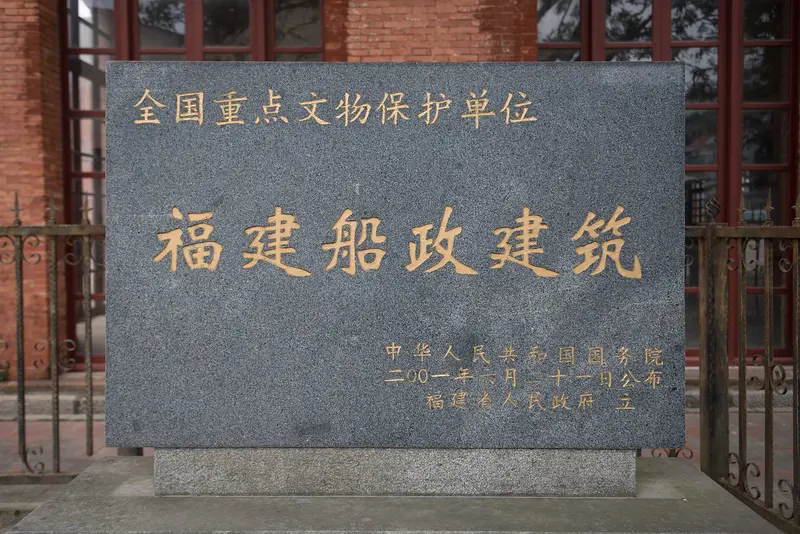
On the site of China's first large modern shipyard, the turbine workshop, the Fuzhou Navy Yard Museum and Luoxing Pagoda tell stories of coastal…
Mount Gu (Gushan)
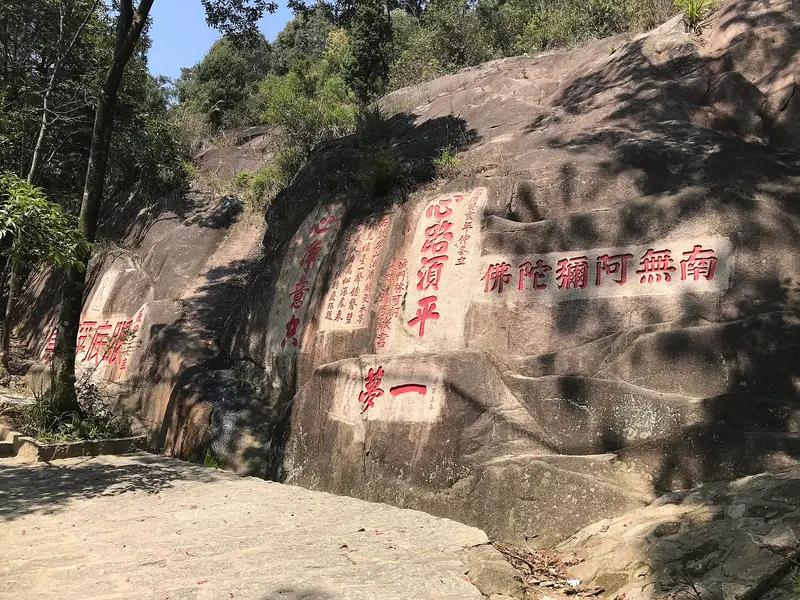
Climb the ancient path up Fuzhou's "guardian mountain" and follow a thread of Fuzhou's cultural heritage between Yongquan Temple and the cliff i…
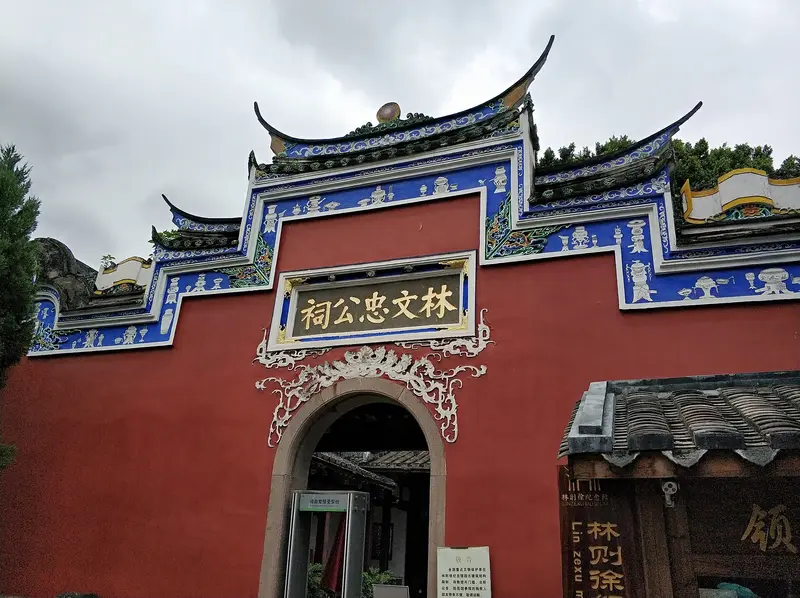
Lin Zexu Memorial Hall
At the Lin Zexu Memorial Hall next to Three Lanes and Seven Alleys, learn about the life of this Fuzhou native, from banning opium to frontier e…

Shapowei
Among the fishing boats and arcade buildings of Bifengwu, see how Xiamen's old fishing harbor became a cultural and creative district.
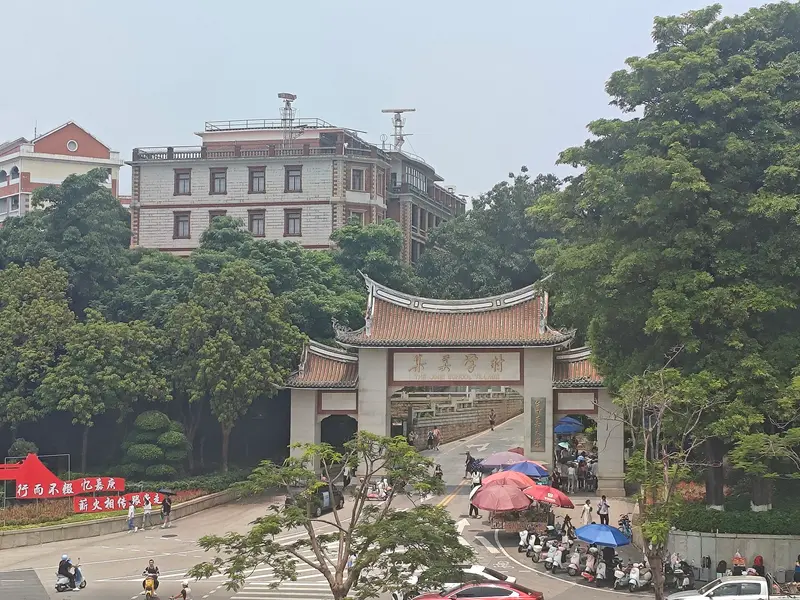
Jimei School Village
By Dragon Boat Pond, see the Jiageng-style buildings that combine red brick with "swallowtail ridge" roofs, and learn how Tan Kah Kee spent his …

Quanzhou Maritime Museum
Ancient ships, religious stone carvings and ship models tell the story of Quanzhou’s maritime trade in the Song and Yuan dynasties.
Local legends
 Mount TaimuThe old mother who grew indigoAccording to the Song-dynasty Sanshan Zhi, quoting the Eastern Han writer Wang Lie's Pantao Ji, …Mount TaimuImmortal Mountain on the SeaLegend says the immortals of the East China Sea gather on Mount Taimu once a year, which is why …
 Meizhou Mazu Ancestral TempleLin Moniang, rescuer at seaIt is said that Mazu, Lin Moniang, was at home in the water during her life and rescued people i…