
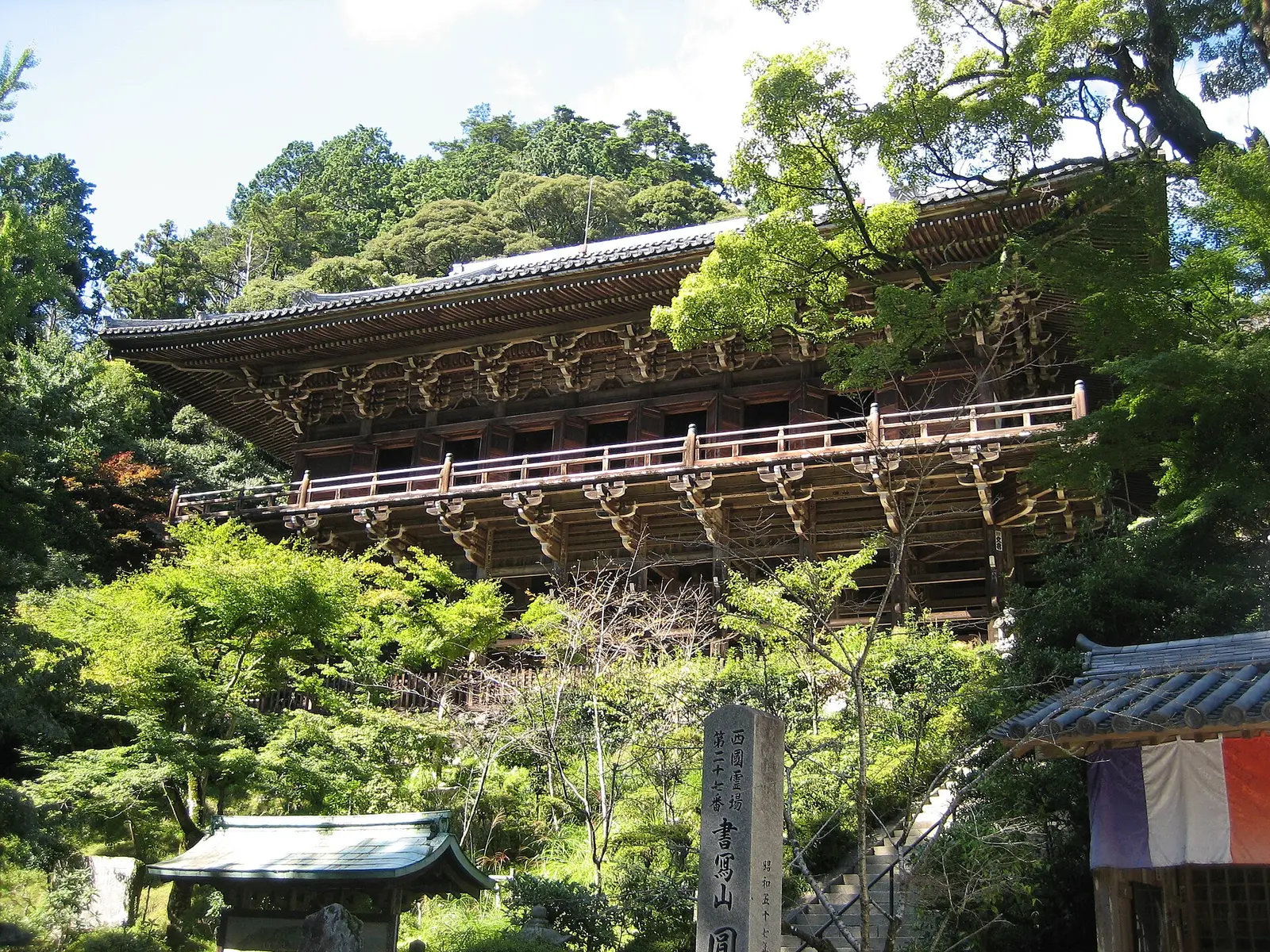
Shoshazan Engyō-ji
書寫山圓教寺 · Mount Shosha, Himeji, Hyōgo
Visit the Maniden and the Mitsunodō in turn amid the forests of Mount Shosha to understand the religious history of Himeji beyond its castle.
Know before you go
- Do not treat the upper ropeway station as the entrance to all the temple's buildings
- do not cross into closed areas or make noise during services
- do not take film scenes as the temple's real history
This article is Not yet verified. Please check official announcements for prices, opening hours and dates.
Culture
Culture & customs
Background
Engyō-ji was founded on Mount Shosha in 966 by the monk Shōkū and belongs to the Tendai school. Himeji City has designated more than thirty hectares of its precincts as a historic site, and many of the surviving buildings date from the Muromachi period onward. The Maniden is built against the slope of the mountain, while the Mitsunodō comprises the Daikōdō lecture hall, the Jikidō dining hall and the Jōgyōdō practice hall, reflecting the different spaces for worship, teaching and religious practice. Both it and Himeji Castle are in Himeji City, but they are far apart and differ in historical character, so it is best to plan a separate half-day visit. Film and TV shoots have made the temple well known, but it is first and foremost an active religious and cultural site.
Local customs
- After entering the temple grounds from the upper ropeway station you still have to walk along mountain paths, and the main halls are spread out in different places. Check the temple's notices and on-site directions first, then decide whether to visit the Mitsunodō
- during Buddhist services or special openings of cultural properties, follow staff instructions. Follow on-site signs for worship and photography, pass quietly along narrow paths and avoid groups at worship.
Religion & beliefs
- Engyō-ji is a Tendai temple and also temple No. 27 on the Saigoku Thirty-Three Kannon Pilgrimage. The Maniden and other halls still serve for worship, so keep quiet when entering religious spaces
- halls opened specially may have additional rules.
Etiquette & taboos
Etiquette & taboos
Rules that apply here
No photography and no eating or drinking in the permanent gallery of the Okinawa Prefectural Peace Memorial Museum
Do
- Put away your camera, food and drinks before entering the permanent gallery
- For the special exhibition gallery and the children's gallery, check the notices of the day to see whether photography is allowed
- If you need to eat or drink, go to the areas designated by the museum, such as the outdoor colonnade
Don’t
- Do not take photos or videos in the permanent gallery
- Do not eat or drink in the permanent gallery, and do not have meals in other areas of the museum either
- Do not extend the permanent gallery's photo ban into a photo ban across the entire park
The museum's 2026 visitor guide explicitly prohibits photography, eating and drinking in the permanent gallery and asks visitors to check the restrictions for other galleries separately; follow the museum's instructions on site.
Not yet verifiedSource: Okinawa Prefectural Peace Memorial Museum: FY2026 visitor guide, page 6
Japan: At fireworks festivals, don't tape off spots in advance, and never fly drones
Do
- Spread your sheet where there is actual space when you arrive, leaving room for neighbours
- Follow police and staff directions and move with the crowd
- Bring plenty of water and cooling gear to prevent heatstroke
- Riverbanks have lots of insects, so bring repellent
- Festivals usually go ahead in light rain, so bring a raincoat
- Take your rubbish home
Don’t
- Don't mark spots in advance with tape or spray paint on roads or in parks
- Don't fly drones
- Don't use selfie sticks in crowds; the Sumida River festival bans them
- Don't stop in the middle of the path to watch and block the flow
Spots marked in advance are cleared by the organisers, and flying drones is prohibited by law. City-centre festivals run one-way crowd flows, and going against the flow or stopping can cause dangerous crushes.
Verified Oct 19, 2026Source: Excite News: Sumida River Fireworks, access and viewing guide
Mixed, open-air and private baths: read the signs, don't stare, never take photos
Do
- Check the signs before entering; mixed baths are clearly marked, and joining is entirely your choice
- Most mixed baths are nude only, with no swimwear; some allow or lend special bathing wraps or towels, so follow the bath's rules
- If you prefer not to bathe mixed, use the separate men's and women's baths or a private bath
- Outdoor baths are slippery and the temperature changes sharply; hold the handrails when moving
- Use a private bath only within your booked slot and leave on time
- Tohoku and other regions still have many therapeutic hot springs with mixed bathing; for long therapeutic stays, follow the ryokan's and your doctor's advice
Don’t
- Don't stare at other bathers, strike up conversations, or linger to watch
- Don't take photos or videos in the bath area
- Don't overstay a private bath; the next group is waiting
Mixed bathing works only because bathers keep their eyes to themselves; staring or taking photos will get you asked to leave, and filming others in a bath may break local law.
Verified Oct 19, 2026Source: Wikipedia (Japanese): Konyoku
Stay off private land, and ask before photographing children or people
Do
- Ask parents' permission before photographing their children
- Ask geiko, maiko, and other working people before photographing them
- Check for 撮影禁止 (no photography) signs, and ask staff if there are none
- Photograph trains and stations themselves without disrupting operations
Don’t
- Do not enter private homes or land for a shot
- Do not photograph the inside of homes
- Do not aim your camera at individual passengers on trains or buses
- Do not step into rice paddies, flower beds, or along railway tracks for photos
- Do not use selfie sticks or tripods in crowds or dangerous spots
- Do not chase or stop geiko or maiko
Trespassing on private land is illegal and can get you told to leave or to delete your photos. Shooting in no-photo areas will be stopped, and photographing children is seen as an invasion of privacy.
Verified Oct 19, 2026Source: Aichi Now: Sightseeing Manners
Bathe nude in the onsen and keep your towel out of the water
Do
- Bathe fully nude, without swimwear or underwear
- Rest your small towel on your head or the edge of the bath
- Tie up long hair so it stays out of the water
- Enter the bath slowly and keep quiet
- Leave your phone in the locker
- Keep your first soak short, and dry off before returning to the changing room
Don’t
- Do not dip your towel into the bath
- Do not swim, dive, or talk loudly in the bath
- Do not take photos anywhere in the bathing area
- Do not wrap your yukata right side over left; that is how the deceased are dressed
Most of these are written bathhouse rules. Breaking them gets you a reminder from staff, and in serious cases you may be asked to leave. Soaking too long can also make you dizzy.
Verified Oct 19, 2026Source: Authentic Local Japan: Onsen Etiquette
Don’t DON'T
- Do not treat the upper ropeway station as the entrance to all the temple's buildings
- do not cross into closed areas or make noise during services
- do not take film scenes as the temple's real history
- do not describe the ropeway as running normally during maintenance periods.
Locals appreciate DO
- Tell the Maniden and the Mitsunodō apart as different buildings
- see how the mountain terrain determined the layout of the halls
- allow time for walking after the ropeway and for the return
- check which cultural-property areas are open that day.
Plan your visit
Practical info
Travel tips
- From Himeji Station or near Himeji Castle you can take a local bus to the foot of the Mount Shosha Ropeway and ride the ropeway up
- there are also hiking trails, but these differ in terrain, weather exposure and fitness demands. From the upper station you still need to walk as directed, and the Maniden and the Mitsunodō are not in the same building. To see only the Maniden and its surroundings, allow about 1–1.5 hours inside the temple
- to walk to the Mitsunodō and look closely at the buildings and forest paths, allow 2–3 hours inside the temple, plus the bus to and from the city and waiting time for the ropeway. Consider icy paths in winter, summer heat and slippery ground after rain
- ropeway maintenance and special temple openings follow current notices. Check the temple's admission fee and mountain transport separately, and do not assume a combined ticket covers every activity.
How do you like this place?
More nearby
Also in Kansai
Nearby sights
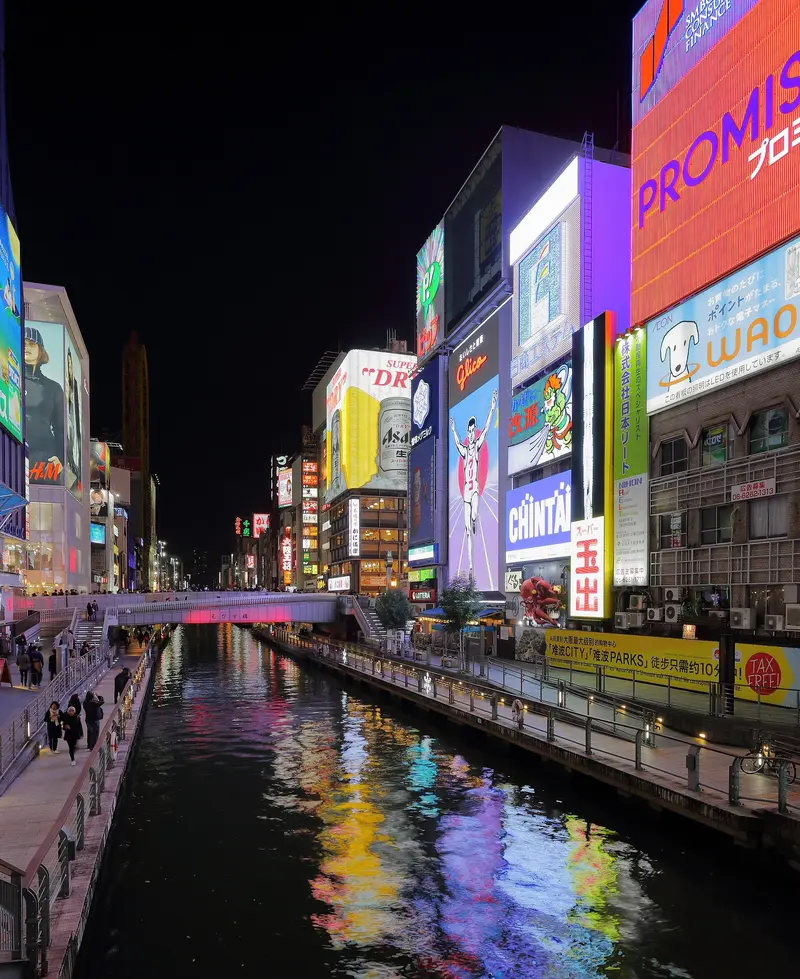
Dōtonbori
Under the neon of the Glico Running Man: the ultimate food battlefield for 'eating yourself bankrupt in Osaka'
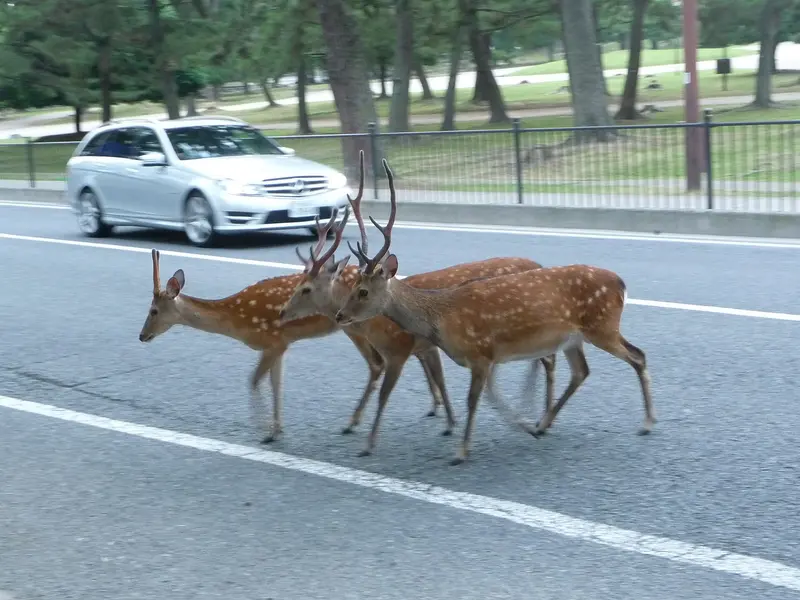
Nara Park
An ancient capital where 1,200 sacred deer roam: the thousand-year Heijō-kyō guarded by deer and the Great Buddha
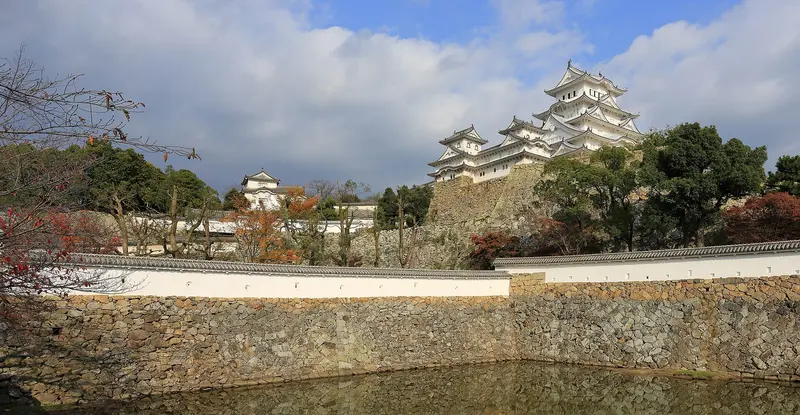
Himeji Castle
'White Heron Castle', spreading its wings: Japan's first castle to become a World Cultural Heritage Site
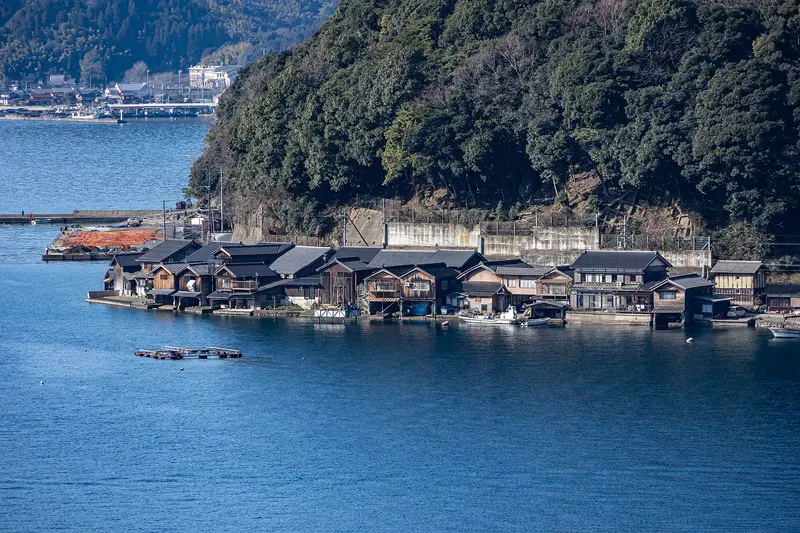
Ine Funaya boathouses
'Japan's most beautiful village': Kyoto by the sea, with boats on the ground floor and homes above
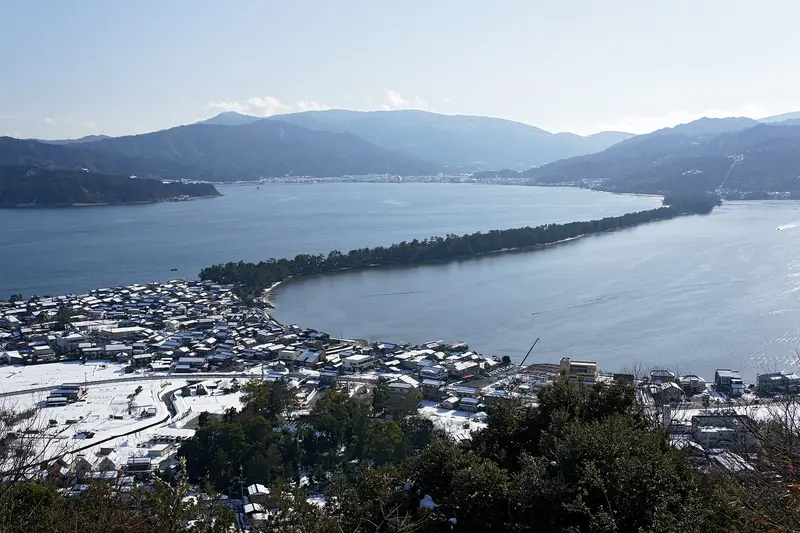
Amanohashidate
'A dragon soaring to heaven' seen between your legs: the sandbar wonder of one of Japan's three great views
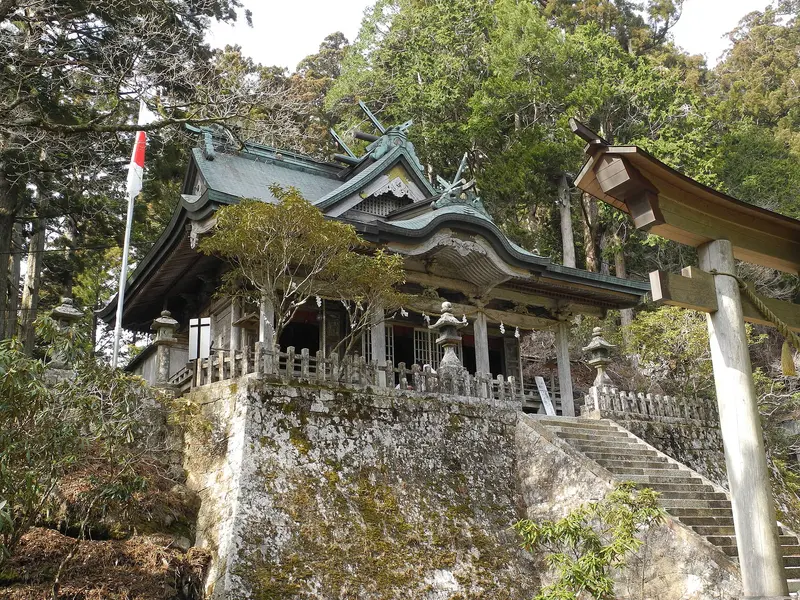
Tamaki Shrine
'You can't get there unless the gods call you': an ancient World Heritage shrine above a sea of clouds
Local legends
 Nara ParkThe god who arrived riding a white deerLegend says Takemikazuchi, one of the four deities of Kasuga Taisha, came at the shrine's invita…
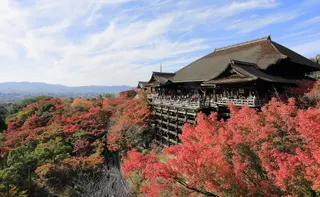 Kiyomizu-deraThe deer-hunting general and Kiyomizu-deraAccording to temple tradition, in 778 the monk Kenshin (later renamed Enchin) received a revelat…
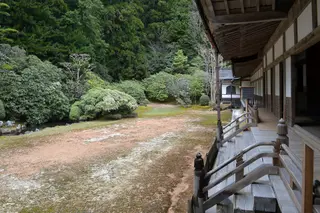 Mount Kōya (Kōyasan)Kōbō Daishi, still in eternal meditationFor believers, Kūkai has not died but remains in eternal meditation in Okunoin, still praying fo…
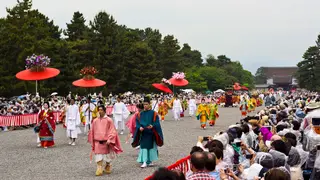 Aoi MatsuriA rite to calm the stormsLegend says that in the 6th century, under Emperor Kinmei, storms ravaged the land and crops fai…
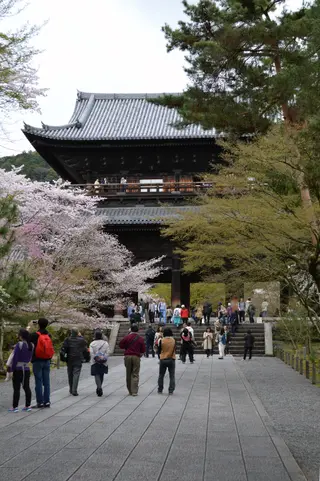 Nanzen-jiIshikawa Goemon and the SanmonLegend has it that the great thief Ishikawa Goemon climbed to the top of the Sanmon and marvelle…
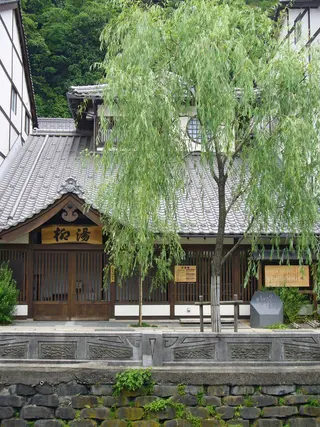 Kinosaki OnsenThe stork and Kōno-yuLegend has it that a wounded Oriental white stork healed itself by soaking in the natural hot wa…