
City guide · Bath
Bath
From the Roman baths to Georgian streetscapes, understand a spa city
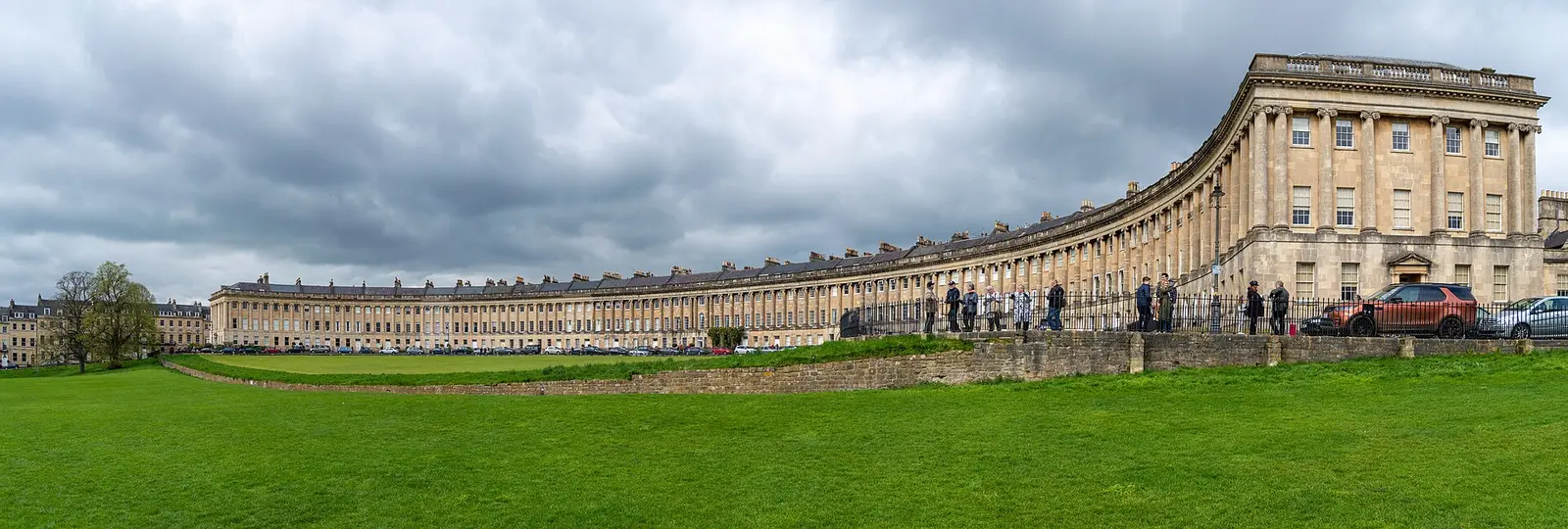
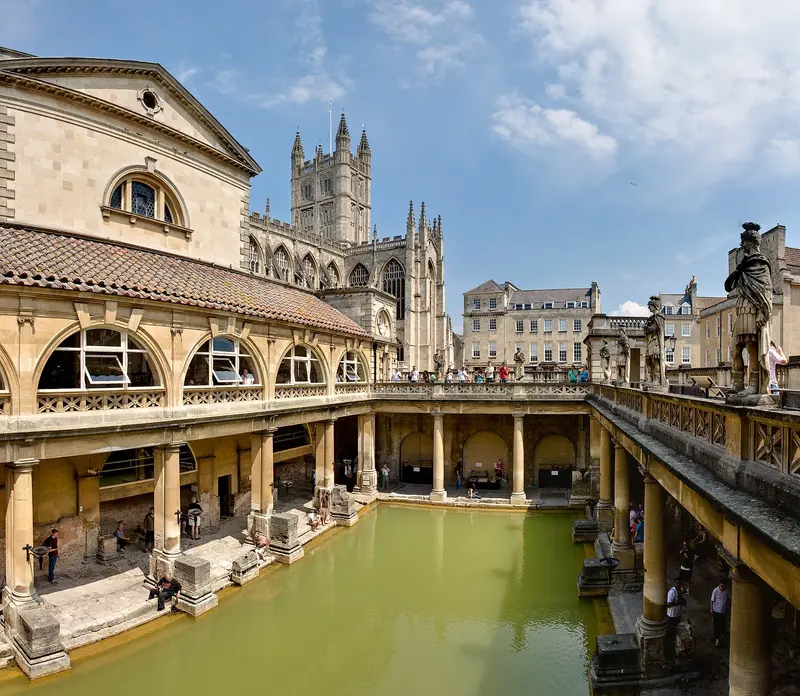
Bath's hot springs and architecture are two chapters in the history of the same city. The Roman Baths preserve the remains of ancient spa facilities, the Abbey connects with the riverside and medieval streets, and the Royal Crescent and the Circus express 18th-century town planning; these sites are best read together on one walking route. Also worth visiting in the city: the Roman Baths, Bath Abbey, the Royal Crescent and the Circus. The baths and the abbey can be linked on foot, while the Royal Crescent sits higher up, so allow extra time for the uphill walk.
History
How the city came to be
Bath took on its distinctive urban identity because of its natural hot springs. In the 1st century AD the Romans built baths and religious facilities around the springs, leaving remains you can still visit today. The medieval city continued to use the springs while developing through the wool trade; Bath Abbey and the surrounding lanes bear witness to this stage. By the 18th century, spa cures and social life were attracting visitors, and architects and planners used the local pale stone to build squares, terraces and public spaces. The Circus and the Royal Crescent are the most representative streetscapes of this period, and the latter was gradually completed between the 1760s and the 1770s. From the 19th century, railways and mass travel changed how people reached Bath, but the ancient remains and Georgian neighbourhoods together continued to shape the city's image. In 1987 the "City of Bath" was inscribed as a World Heritage Site, with protection covering both the Roman spa remains and the 18th-century planning and landscape. Walking between the baths, the abbey and the Crescent, you can understand how the hot springs changed from a religious and bathing space into the centre of the city's economy, social life and architectural design.
- 1st century ADThe Romans built baths and religious facilities around the hot springs.
- Middle AgesBeyond the springs, the city developed the wool trade and religious buildings.
- 18th centurySpa society drove the Georgian expansion of the city.
- 1760s–1770sThe Royal Crescent was gradually completed.
- 19th centuryRail travel changed the way people visited, and the historic districts remained in use.
- 1987The City of Bath was inscribed as a World Heritage Site.
Stories
Stories of the city
King Bladud and his pigs
Legend · Bath
In his History of the Kings of Britain, Geoffrey of Monmouth wrote that Bladud, a pre-Roman British king, discovered the springs and built baths here. Early in the 18th century this obscure legend was heavily promoted, with an added tale that the springs' warm mud cured Bladud and his pigs of leprosy. All of this is legend, not history.
A spring sacred to Sulis
History · Bath
Archaeological evidence suggests that the main spring may have been a Celtic place of worship before the Romans arrived. The spring was dedicated to the goddess Sulis, whom the Romans identified with Minerva, giving the combined name Sulis Minerva.
Edgar crowned at Bath
History · Bath
In 973 King Edgar of England was crowned in Bath Abbey. The ceremony became the basis for all later English coronations.
The Gorgon's head on the temple pediment
History · Bath
A Gorgon's head is carved at the centre of the Roman temple's pediment, but because Gorgons are usually female, what it represents is disputed. Most scholars favour a deliberate fusion of Minerva's Gorgon emblem with the face of a local god of the spring; others see a water god or a local Celtic sun god.
Before you go
Rules to know in Bath
UK: Check the signs before taking photos; most venues ban flash and selfie sticks
Do
- Read the signs at the entrance and beside exhibits; rules vary by venue
- Take photos for personal, non-commercial use only
- Follow any separate no-photo signs at special exhibitions or for loaned works
- Apply to the venue in advance for commercial filming, following its official procedure
Don’t
- At the National Gallery and Westminster Abbey, don't use flash, tripods or selfie sticks
- Don't take photos during services at Westminster Abbey or in its restricted chapels
- Don't photograph other people, especially children, without consent
- Don't block paintings or walkways for long, and don't touch exhibits
Staff will stop you if you break photography rules, and you may be asked to leave if you ignore them.
Verified Oct 19, 2026Source: Official site: National Gallery visitor photography
UK: Join the back of the queue and never jump it
Do
- Join the back of the queue: first come, first served
- Leave a comfortable gap to the person in front
- If unsure where the queue ends, just ask "Is this the queue?"
- If someone pushes in, a polite word is enough; there is no need to argue
Don’t
- Don't jump the queue
- Don't save places for friends arriving later or wave others in ahead of you
- Don't talk loudly while waiting
Queue-jumping is not punished, but it is seen as one of the worst breaches of British manners. People rarely confront you directly, yet the whole queue will mutter and glare.
Verified Oct 19, 2026Source: Explore: The unspoken UK queuing rule
UK: Order at the bar and take turns buying rounds
Do
- Order and pay at the bar; British pubs rarely offer table service
- In a group, take turns buying a round of drinks for everyone
- Name the drink and size, such as a pint of lager, not just "a beer"
- To thank the bar staff, you can add "and one for yourself" to your order
Don’t
- Don't keep accepting drinks without ever buying a round
- Don't dither when ordering; others are waiting behind you
Nobody will penalise you, but drinking without buying is seen as freeloading. If you leave before your turn, make sure you buy the first round next time you are out together.
Verified Oct 19, 2026Source: Matador Network: English pub rules
UK: Dress modestly in churches and remove your hat
Do
- Dress modestly; avoid revealing tops and very short shorts or skirts
- Take off your hat, silence your phone and keep your voice low inside
- Dress more formally for a service, wedding or funeral than for a visit
- Where a church posts its own rules at the door or online, follow them
Don’t
- Don't treat the church as just a sight or talk loudly
- Don't walk around or take photos during a service
UK churches rarely turn visitors away over clothing, and Westminster Abbey asks only for modest dress suited to a working church. Revealing clothes, or moving around and taking photos during a service, are still seen as disrespect toward a place of worship.
Verified Oct 19, 2026Source: Official site: Westminster Abbey FAQ
UK: Greet with a handshake and follow how people introduce themselves
Do
- Greet new people with a firm handshake and eye contact
- If someone introduces themselves by first name, use it
- With older people or in traditional settings, start with title and surname
- Address peers below duke as "Lord" plus their title, and a duke as "Duke"
- Use please and thank you freely
Don’t
- Don't go in for a cheek kiss with someone you have just met
- Don't offer a limp handshake; it can suggest you are holding back
- Don't ask new acquaintances intrusive personal questions
Nothing happens if you get it wrong, but a surprise kiss may make people recoil, and being either too stiff or too familiar makes others uneasy.
Verified Oct 19, 2026Source: Commisceo Global: British business etiquette
UK: Tipping is optional, so check the bill for a service charge first
Do
- Check whether the bill already includes a discretionary service charge, often 10%–12.5%
- If there is none and service was good, leave around 10%
- In cafés, rounding up is a welcome thank-you
- If service was genuinely poor, you may politely ask to remove the service charge
Don’t
- Don't tip again when a service charge is already on the bill
- Don't feel obliged to tip for fast food, takeaway or drinks at the bar
Tipping is entirely voluntary and nobody will chase you for it, but tipping on top of a service charge means paying twice. Since 2024, UK law requires employers to pass all tips and service charges on to staff.
Verified Oct 19, 2026Source: Official site: Visit London tipping guide
Show 1 more rules
London Underground escalators: stand on the right
Do
- Stand on the right on Underground escalators and leave the left for people in a hurry
Don’t
- Standing still side by side on the left of the escalator
There is no penalty, but you block people behind you. The habit dates back to 1921, when Underground announcements first told passengers to 'stand on the right'.
Not yet verifiedSource: Wikipedia: London Underground
How do you like this place?
More cities in United Kingdom
London
London
7 places
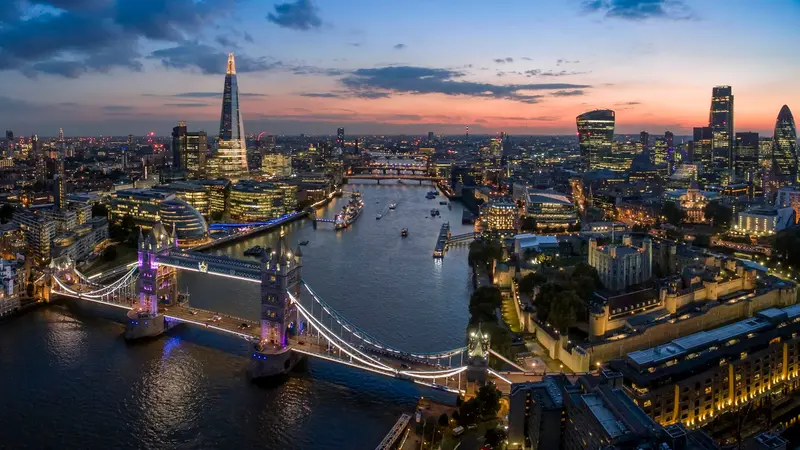
A port city founded by the Romans: the Tower, Westminster and the Thames
Edinburgh
Edinburgh
3 places
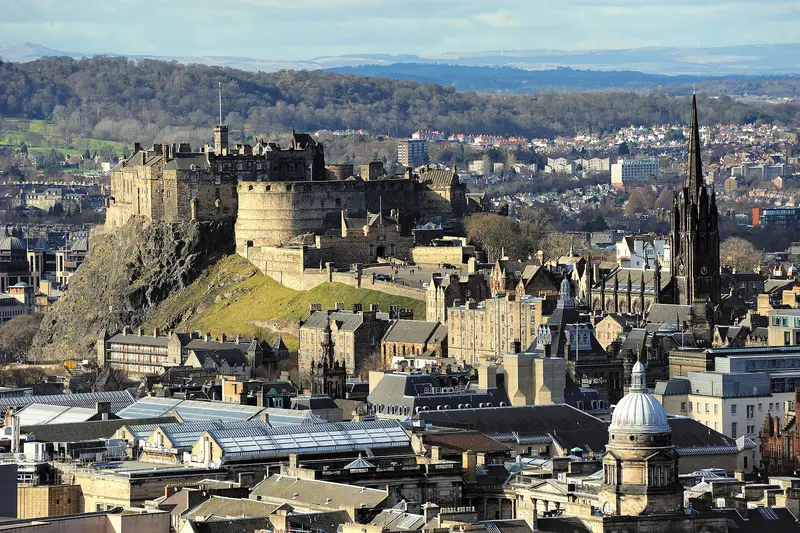
Scotland's capital on volcanic rock: the castle, the Royal Mile and the August festivals
York
York
2 places
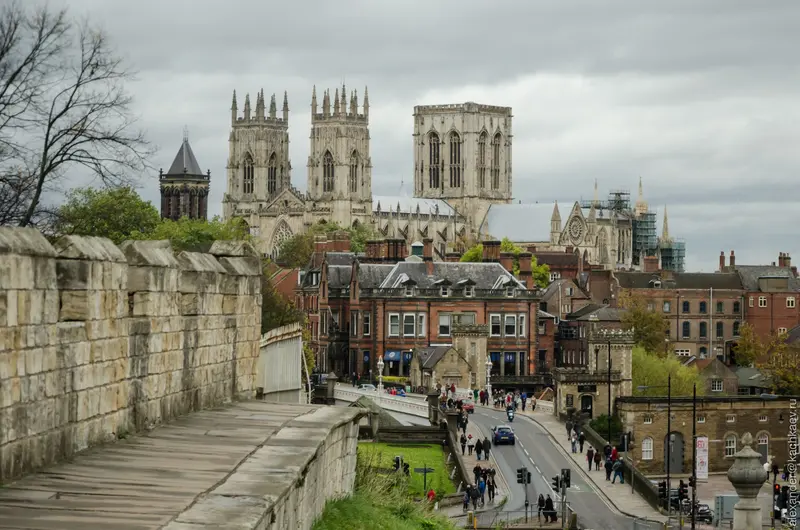
Walk along the ancient city walls to York Minster, then read the city's modern turn at the railway museum