City guide · York
York
Walk along the ancient city walls to York Minster, then read the city's modern turn at the railway museum
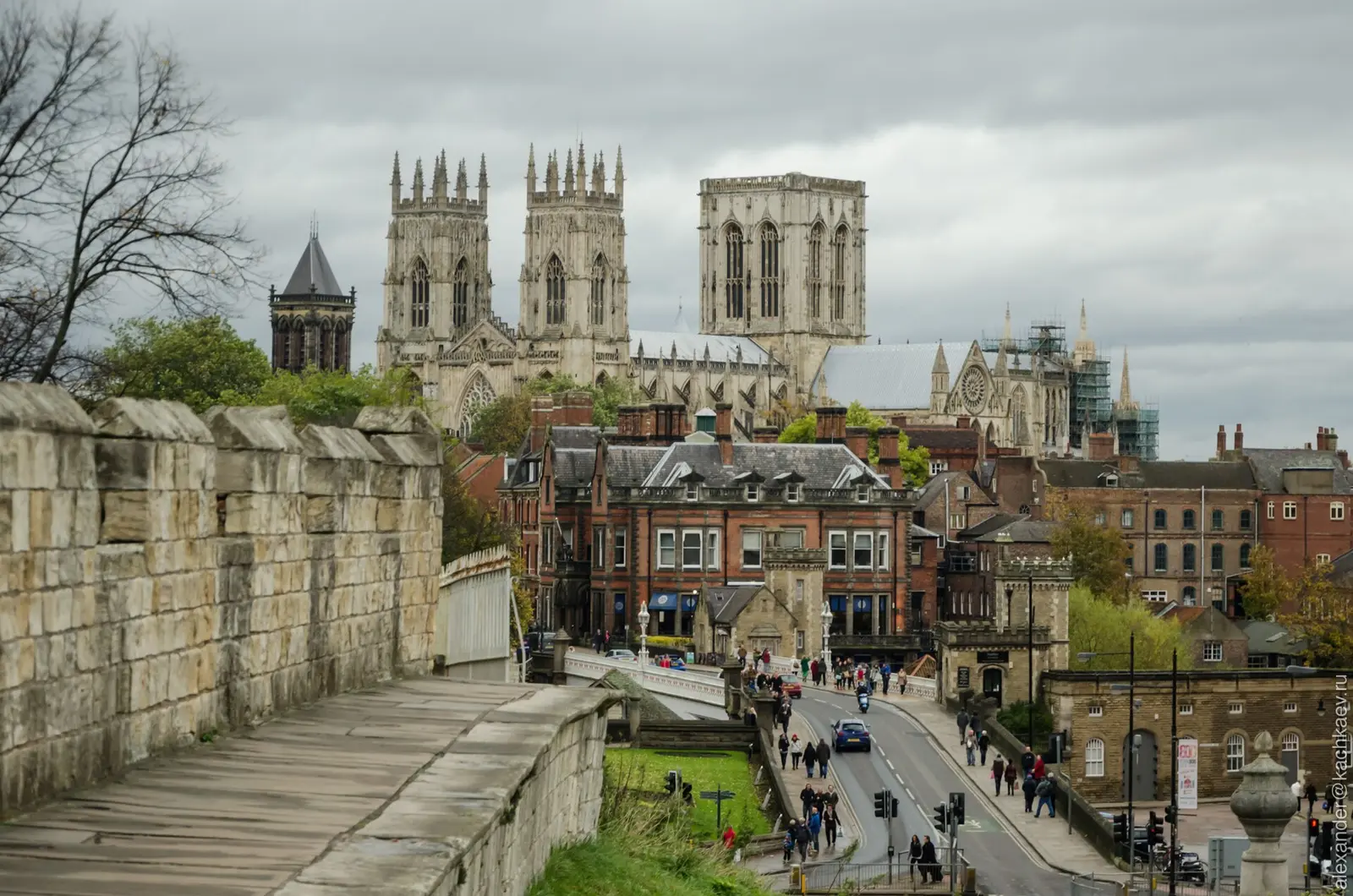
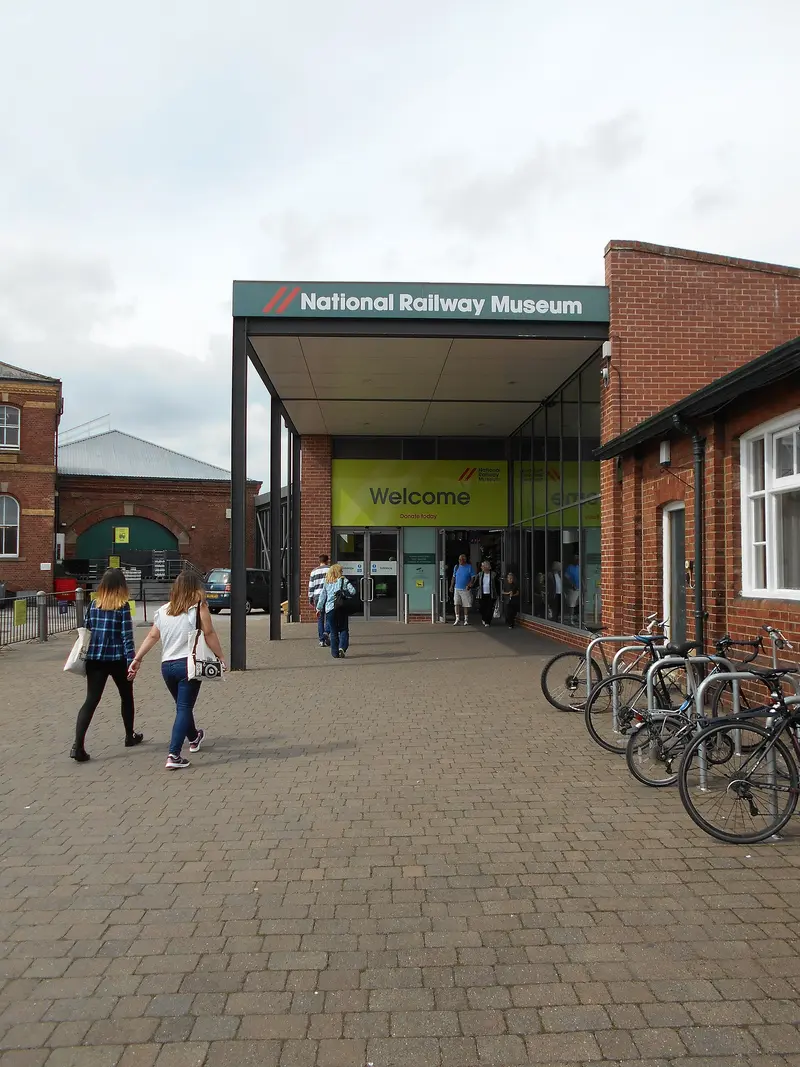
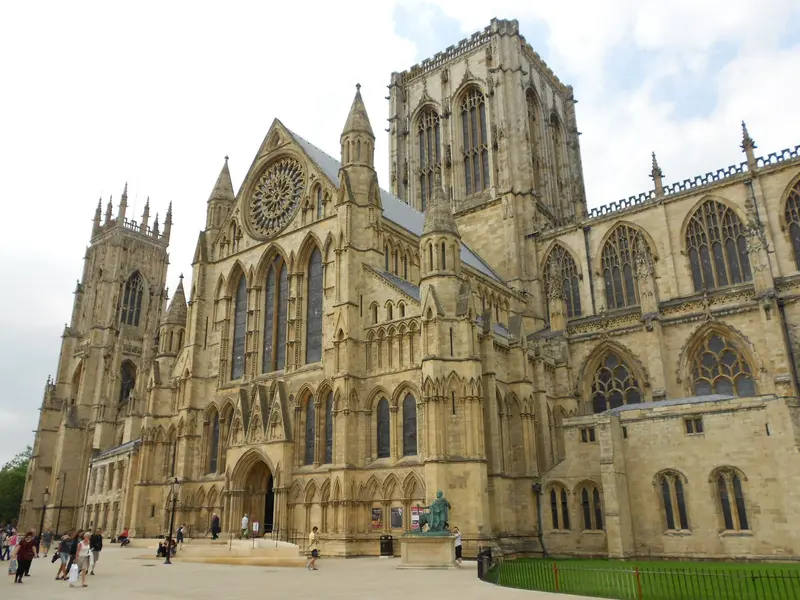
York's Roman, Viking and medieval history is layered in streets you can still walk. York Minster and the city walls form the outline of the old town, the Shambles shows narrow lanes and timber-framed shops, and the National Railway Museum turns your attention to modern transport history, so York should not be written up as merely a medieval set. Also worth visiting in the city: York Minster, the city walls, the Shambles and the National Railway Museum. The wall walk has steps in places, and the railway museum can be combined with your station transfer.
History
How the city came to be
York's urban beginnings are usually traced to AD 71, when the Romans built a fortress near the Rivers Ouse and Foss; the later Eboracum became an important centre in northern Britain. In the 9th century Viking forces entered York, and the city developed within new political and trading networks. Medieval York had its minster, guild streets and defences; the surviving walls mainly reflect rebuilding and restoration from the 13th century onwards and do not all date from Roman times. The Gothic rebuilding of the minster began in the 13th century, went on over many generations of construction, and the church was reconsecrated in 1472. In the industrial age the railway reconnected York with the rest of Britain and also moved the city from a traditional trading centre into a new transport pattern. The National Railway Museum opened in 1975 and preserves rolling stock, archives and the history of railway technology. Today you can view the outline of the neighbourhoods from the walls, then enter the minster and museum to compare the roles of a religious centre, city defences and a railway hub across the ages; whether a given section of the walls is open depends on official information for the day.
- AD 71A Roman fortress was built, and Eboracum began to develop.
- 9th centuryViking forces entered York, and the city joined the North Sea trading network.
- 13th centuryThe main layout of the surviving walls gradually took shape, and Gothic work on York Minster got under way.
- 1472York Minster was reconsecrated.
- 19th centuryRailway development changed York's role in transport and industry.
- 1975The National Railway Museum opened.
Stories
Stories of the city
Constantine proclaimed emperor in York
History · York
On 25 July 306, the Roman emperor Constantius I died in York. The legions there then proclaimed his son Constantine emperor, the ruler later known as Constantine the Great.
Viking Jórvík
History · York
After the Vikings captured York in 866, they renamed it Jórvík. It grew into a city of more than 10,000 people, second only to London in Great Britain.
Must see
Places you shouldn’t miss
Before you go
Rules to know in York
UK: Check the signs before taking photos; most venues ban flash and selfie sticks
Do
- Read the signs at the entrance and beside exhibits; rules vary by venue
- Take photos for personal, non-commercial use only
- Follow any separate no-photo signs at special exhibitions or for loaned works
- Apply to the venue in advance for commercial filming, following its official procedure
Don’t
- At the National Gallery and Westminster Abbey, don't use flash, tripods or selfie sticks
- Don't take photos during services at Westminster Abbey or in its restricted chapels
- Don't photograph other people, especially children, without consent
- Don't block paintings or walkways for long, and don't touch exhibits
Staff will stop you if you break photography rules, and you may be asked to leave if you ignore them.
Verified Oct 19, 2026Source: Official site: National Gallery visitor photography
UK: Join the back of the queue and never jump it
Do
- Join the back of the queue: first come, first served
- Leave a comfortable gap to the person in front
- If unsure where the queue ends, just ask "Is this the queue?"
- If someone pushes in, a polite word is enough; there is no need to argue
Don’t
- Don't jump the queue
- Don't save places for friends arriving later or wave others in ahead of you
- Don't talk loudly while waiting
Queue-jumping is not punished, but it is seen as one of the worst breaches of British manners. People rarely confront you directly, yet the whole queue will mutter and glare.
Verified Oct 19, 2026Source: Explore: The unspoken UK queuing rule
UK: Order at the bar and take turns buying rounds
Do
- Order and pay at the bar; British pubs rarely offer table service
- In a group, take turns buying a round of drinks for everyone
- Name the drink and size, such as a pint of lager, not just "a beer"
- To thank the bar staff, you can add "and one for yourself" to your order
Don’t
- Don't keep accepting drinks without ever buying a round
- Don't dither when ordering; others are waiting behind you
Nobody will penalise you, but drinking without buying is seen as freeloading. If you leave before your turn, make sure you buy the first round next time you are out together.
Verified Oct 19, 2026Source: Matador Network: English pub rules
UK: Dress modestly in churches and remove your hat
Do
- Dress modestly; avoid revealing tops and very short shorts or skirts
- Take off your hat, silence your phone and keep your voice low inside
- Dress more formally for a service, wedding or funeral than for a visit
- Where a church posts its own rules at the door or online, follow them
Don’t
- Don't treat the church as just a sight or talk loudly
- Don't walk around or take photos during a service
UK churches rarely turn visitors away over clothing, and Westminster Abbey asks only for modest dress suited to a working church. Revealing clothes, or moving around and taking photos during a service, are still seen as disrespect toward a place of worship.
Verified Oct 19, 2026Source: Official site: Westminster Abbey FAQ
UK: Greet with a handshake and follow how people introduce themselves
Do
- Greet new people with a firm handshake and eye contact
- If someone introduces themselves by first name, use it
- With older people or in traditional settings, start with title and surname
- Address peers below duke as "Lord" plus their title, and a duke as "Duke"
- Use please and thank you freely
Don’t
- Don't go in for a cheek kiss with someone you have just met
- Don't offer a limp handshake; it can suggest you are holding back
- Don't ask new acquaintances intrusive personal questions
Nothing happens if you get it wrong, but a surprise kiss may make people recoil, and being either too stiff or too familiar makes others uneasy.
Verified Oct 19, 2026Source: Commisceo Global: British business etiquette
UK: Tipping is optional, so check the bill for a service charge first
Do
- Check whether the bill already includes a discretionary service charge, often 10%–12.5%
- If there is none and service was good, leave around 10%
- In cafés, rounding up is a welcome thank-you
- If service was genuinely poor, you may politely ask to remove the service charge
Don’t
- Don't tip again when a service charge is already on the bill
- Don't feel obliged to tip for fast food, takeaway or drinks at the bar
Tipping is entirely voluntary and nobody will chase you for it, but tipping on top of a service charge means paying twice. Since 2024, UK law requires employers to pass all tips and service charges on to staff.
Verified Oct 19, 2026Source: Official site: Visit London tipping guide
Show 1 more rules
London Underground escalators: stand on the right
Do
- Stand on the right on Underground escalators and leave the left for people in a hurry
Don’t
- Standing still side by side on the left of the escalator
There is no penalty, but you block people behind you. The habit dates back to 1921, when Underground announcements first told passengers to 'stand on the right'.
Not yet verifiedSource: Wikipedia: London Underground
How do you like this place?