City guide · Nice
Nice
Along the old town and the seafront promenade, understand Nice's journey from winter resort to modern city
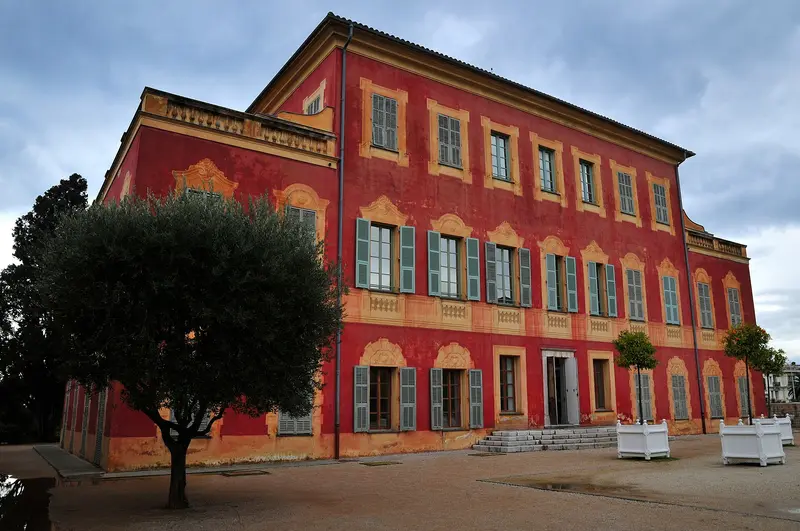
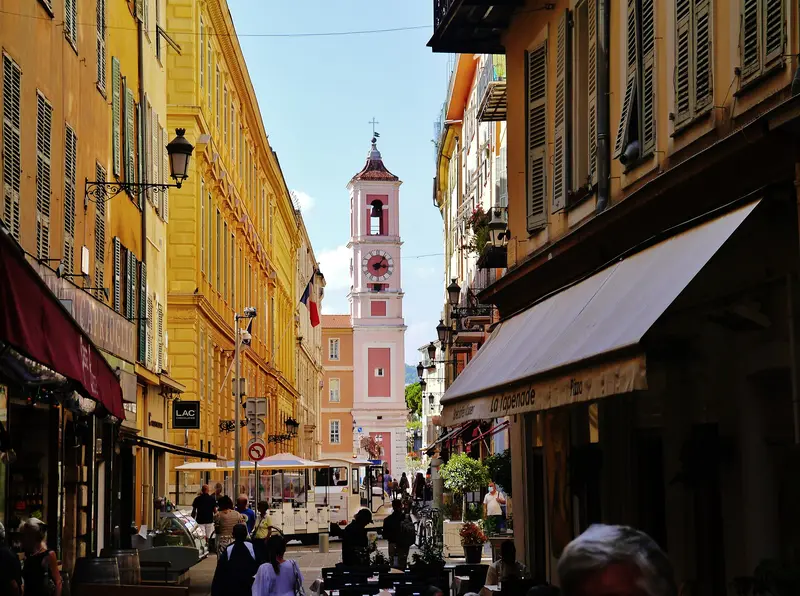
Nice lies between the Mediterranean and the Alps, where old-town lanes, the seafront promenade and winter-resort architecture together shape the city. UNESCO's listing focuses on its modern winter-resort townscape; the whole Côte d'Azur should not be counted as part of Nice. Other places in the city worth a visit: the Promenade des Anglais, the Marc Chagall National Museum and the ancient remains at Cimiez.
History
How the city came to be
Nice has Roman-era remains at Cimiez, and the old town preserves the scale of lanes formed from the Middle Ages onwards. The city long had ties to the political and cultural sphere towards Italy, and until the mid-nineteenth century it belonged to the Kingdom of Sardinia. From the mid-eighteenth century its mild winters attracted British and other European residents; in 1824 a coastal path was laid out, and in 1832 a city planning body called for buildings and streets to be improved for visitors. After Nice passed to France in 1860, the railway and new districts expanded the city, making seaside leisure, hotels, parks and villas central to its image. In 2021 its landscape as a “Winter Resort Town of the Riviera” was inscribed as a World Heritage Site. Today the old town, the promenade and the modern districts represent different eras, so plan your trip to distinguish the city's history from a simple beach holiday.
- Roman periodThe remains at Cimiez take shape.
- Middle AgesThe lanes of today's old town gradually develop.
- Mid-18th centuryWinter residence gradually becomes popular.
- 1824British visitors lay out a seaside promenade.
- 1832A city embellishment planning body is established.
- 1860Nice passes to France.
- Late 19th centuryThe railway and winter-resort districts drive the city's expansion.
- 2021The winter-resort townscape is inscribed as a World Heritage Site.
Stories
Stories of the city
The "joyous days" of 1294
History · Nice Carnival
The earliest record of Nice Carnival dates from 1294, when Charles of Anjou, Count of Provence, wrote that he had spent "the joyous days of carnival" in Nice. Some six centuries later, in 1873, a carnival committee headed by the local artist Alexis Mossa organised float parades, turning the carnival into a themed civic celebration.
Before you go
Rules to know in Nice
France: Check the signs before taking photos; no flash or selfie sticks
Do
- In permanent galleries, handheld photos for personal, non-commercial use are allowed
- Check the signs at temporary exhibitions, which often ban all photography for copyright reasons
- Put your camera away in rooms marked with a no-photo sign
- Check each museum's official rules on large bags and the cloakroom
Don’t
- Don't use flash at any time; strong light can damage old paintings and artefacts
- Don't bring a selfie stick to the Louvre or other museums that ban them
- Don't block paintings or walkways for long
- Don't touch the exhibits
Security staff enforce the flash and selfie-stick bans; you will be stopped, and banned equipment may have to be checked in or left behind.
Verified Oct 19, 2026Source: American Friends of the Louvre: FAQ
France: Keep your voice down in public and never jump the queue
Do
- Queue patiently and leave a little space in front of you
- Speak quietly on public transport and in museums and libraries
- Let passengers off first and don't block doors or aisles
- Keep to the right on pavements and escalators
- Offer your seat to older people, pregnant women and people with disabilities
- Say Bonjour to staff when you enter a bakery or shop
Don’t
- Don't cut in or push
- Don't take calls or play music on speaker
- At markets, don't pick produce yourself; let the vendor choose for you
Cutting in or being loud won't get you fined, but it is considered rude. Some guides note that queues at stations or markets can be looser; still wait your turn and don't push.
Verified Oct 19, 2026Source: We3Travel: 16 French etiquette tips for Paris
France: Say Bonjour when you enter a shop; friends greet with la bise
Do
- Say Bonjour when you enter a shop and Au revoir when you leave
- Friends and acquaintances greet with la bise, a light touch of cheeks
- The number of kisses varies by region; follow the other person's lead or go with two
- In formal business settings and first meetings, use a brief, firm handshake
- Use vous with new acquaintances, elders and service staff; switch to tu only when invited
Don’t
- Don't start asking a shop assistant questions without greeting them
- Don't initiate la bise in business settings or at a first meeting
- Don't hug strangers
Nobody will penalise you, but skipping the greeting in a shop is seen as rude, and getting la bise wrong shows you don't know local ways. Two kisses are usual in Paris and the north, three in parts of the south, and customs vary elsewhere.
Verified Oct 19, 2026Source: La Minute Française: Guide to la bise
France: Dress modestly in churches and remove your hat
Do
- Dress modestly, covering shoulders, knees and midriff
- Take off your hat, silence your phone and keep your voice low inside
- In summer, carry a light scarf to cover your shoulders when needed
- Check the signs before taking photos; ask staff if unsure
Don’t
- Don't walk in front of people who are praying
- Don't touch statues or eat inside the church
- Don't use flash or take photos where it is forbidden
French churches rarely check clothing at the door, but revealing outfits are seen as disrespect toward a place of worship, and some churches may require modest dress and refuse entry to those who are not. Follow the notice at the door or the church's website.
Verified Oct 19, 2026Source: Viator: Know before you go to Notre-Dame
France: Put bread on the tablecloth and tear it by hand
Do
- Wait until everyone is served and the host says Bon appétit
- Put your bread straight on the tablecloth beside your plate
- Tear off bite-sized pieces by hand
- Rest your wrists on the table edge with your hands in view
- Make eye contact when toasting and say Santé
- Ask for une carafe d'eau for free tap water
Don’t
- Don't put bread on your plate or cut it with a knife
- Don't bite into a whole piece of bread
- Don't plant your elbows on the table during the meal
- Don't cut lettuce with a knife; fold it into a small parcel with your fork
- Don't switch your fork to your right hand after cutting, American-style
Nothing happens if you slip up, but you will come across as unfamiliar with French table manners. Tap water is free; bottled water is charged.
Verified Oct 19, 2026Source: La Minute Française: French dining etiquette
France: Service is included in the price, so tipping is optional
Do
- Look for "service compris" (service included) on the menu or bill
- If service was good, you can leave a small tip (pourboire) as thanks
- Round up to the nearest euro for coffee; leave €1–2 per person at ordinary restaurants
- At upscale restaurants, leave 5%–10% for especially attentive service
- Tip in cash where possible, so it is sure to reach your server
Don’t
- Don't assume you must pay an extra service charge; it is already in the price
- Don't wait for the bill to arrive on its own; signal when you are ready to pay
Tipping is entirely voluntary and not tipping is not rude; knowing what "service compris" means saves you from paying twice. French law requires restaurant prices to include service (commonly said to be about 15%), and meals are unhurried, so servers rarely bring the bill unasked.
Verified Oct 19, 2026Source: AFAR: When and how much to tip in France
How do you like this place?