
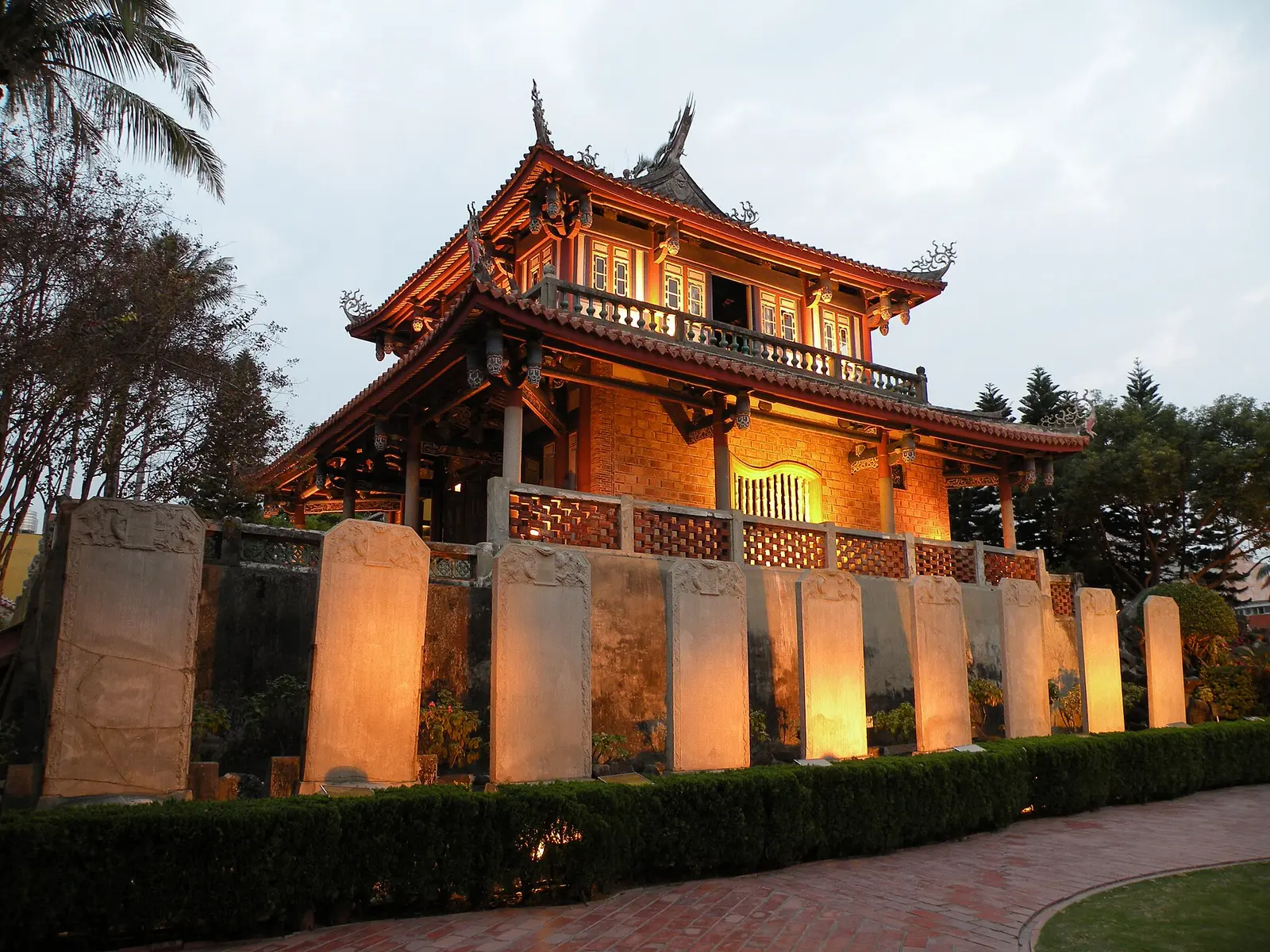
Chihkan Tower
赤崁樓 · West Central District, Tainan, Taiwan
Qing-dynasty sea god temple and Wenchang Pavilion stacked on the ruins of the Dutch Fort Provintia
Know before you go
- Do not climb on the bixi tablets or the railing of the old well
- do not touch or scratch the historic walls
Culture
Culture & customs
Background
Chihkan Tower began as Fort Provintia, built by the Dutch East India Company at Chihkan from 1653 and completed in 1655; locals called it the "Red-Haired Tower." In 1661 Koxinga (Zheng Chenggong) crossed the strait with his army, took this fort first, and turned it into the Chengtian Prefecture office, the highest administrative body on the island. By the Qing dynasty the fort had fallen into ruin, and in the Guangxu era the Sea God Temple, Wenchang Pavilion and Penghu Academy were built on the site; in 1960 nine Qing-dynasty stone steles carried on the backs of bixi tortoises were moved here from the Great South Gate. Today's Chihkan Tower is a blend of Dutch fort remains and Chinese pavilions, preserved as a historic monument.
Local customs
- The Sea God Temple now serves as an exhibition hall displaying historical materials related to Chihkan Tower, model ships of old and memorials to the throne by Shen Baozhen
- the half-moon well between the two pavilions is believed to have been dug in the Dutch period. The nine tablets on bixi tortoise bases in the courtyard, together with more than twenty old steles gathered here over time, are known as the "Little Forest of Steles."
Religion & beliefs
- Wenchang Pavilion once enshrined the Five Wenchang, including Wenchang Dijun and Kuixing, deities who govern literary fortune. Today the ground floor is an exhibition room for artefacts, while the upper floor still enshrines a statue of Kuixing
- the whole site is open as a historic monument rather than mainly as a place of worship.
Etiquette & taboos
Etiquette & taboos
Don’t DON'T
- Do not climb on the bixi tablets or the railing of the old well
- do not touch or scratch the historic walls
Locals appreciate DO
- First look at the Dutch-era red-brick remains kept at the entrance and on the platform, then climb Wenchang Pavilion for the view
- the pavilions look best at dusk when the lights come on
- on the way, drop by the nearby Grand Matsu Temple and long-established snack shops
Plan your visit
Practical info
Travel tips
- It is on Minzu Road in West Central District, about 20 minutes on foot from Tainan Station, or you can take a bus. Opening hours and admission follow announcements from the Tainan City Cultural Affairs Bureau
- the site is small, and a visit takes about 1 hour.
Sources & verification notes
How do you like this place?
More nearby
Also in Tainan
Nearby sights
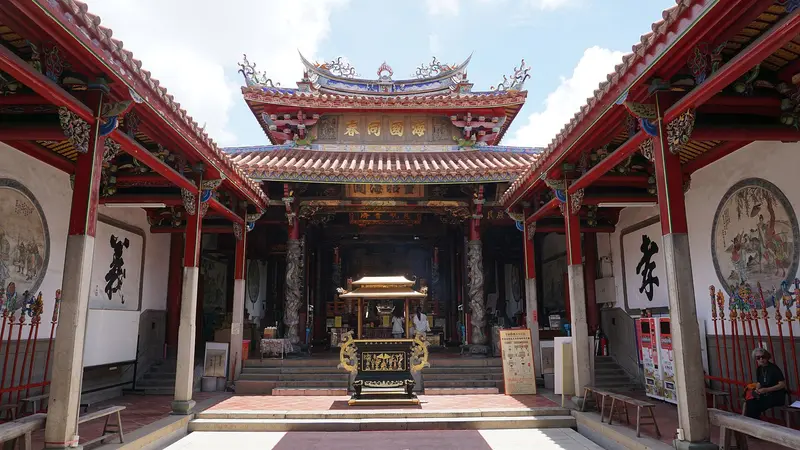
Grand Matsu Temple (Official Tianhou Temple)
A Mazu temple converted from the residence of the Prince of Ningjing, the first officially built Mazu temple in Taiwan to bear the name "Tianhou…
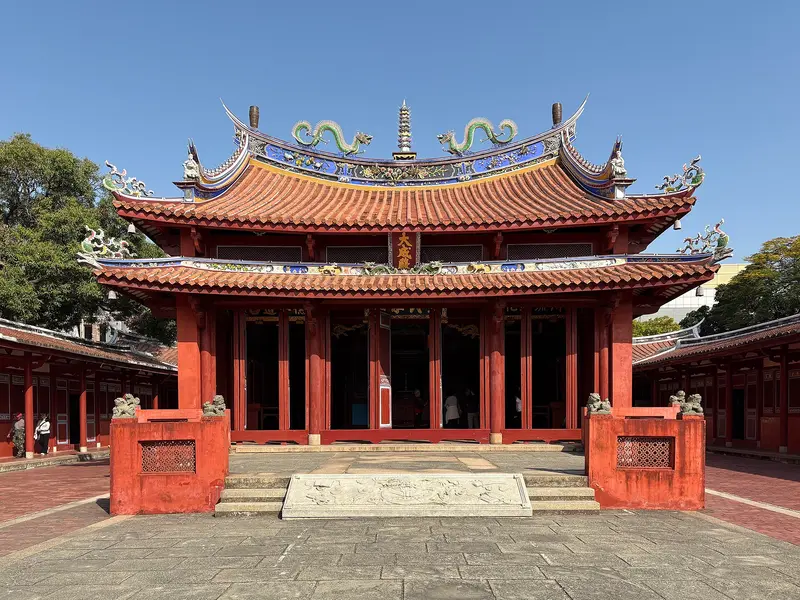
Tainan Confucian Temple
Taiwan's oldest Confucian temple, known as "the First Academy of Taiwan"
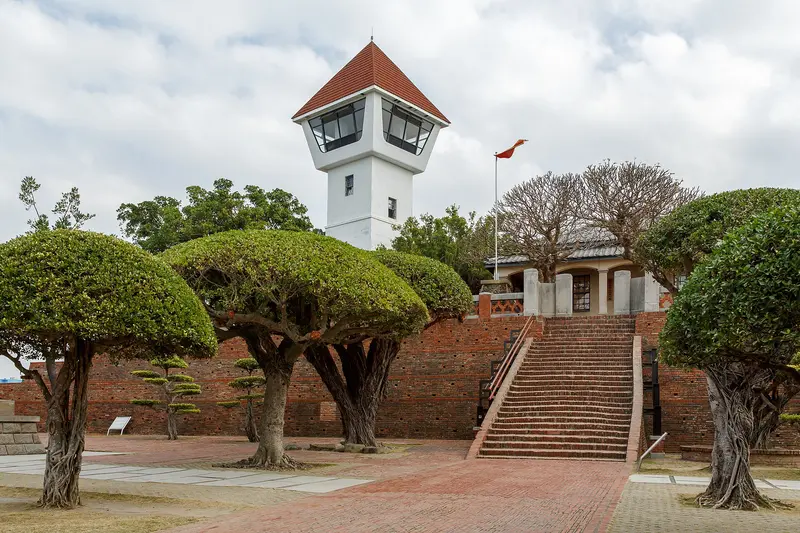
Anping Old Fort (Fort Zeelandia)
Taiwan's earliest fortress, the seat of power under the Dutch and three generations of the Zheng family