
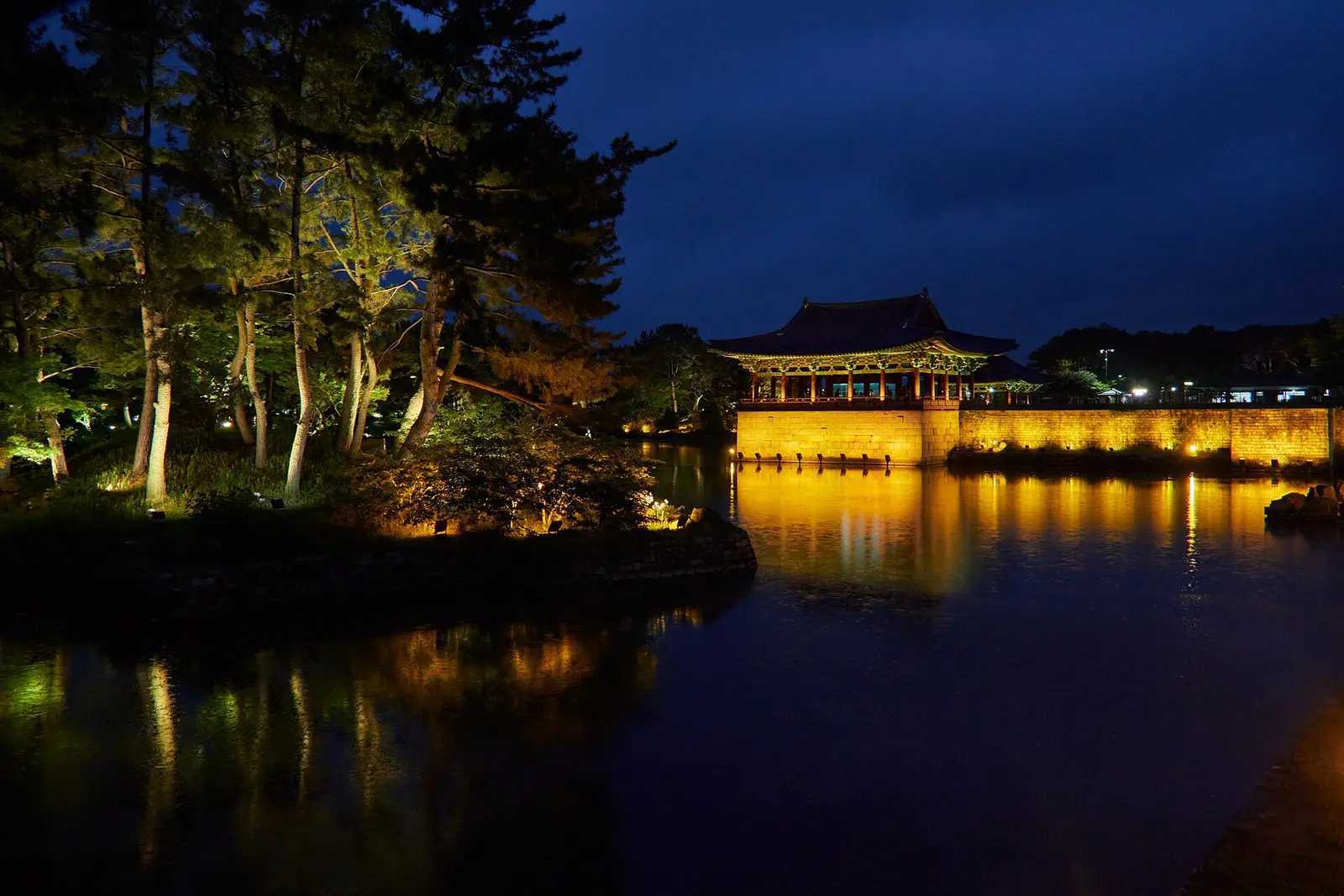
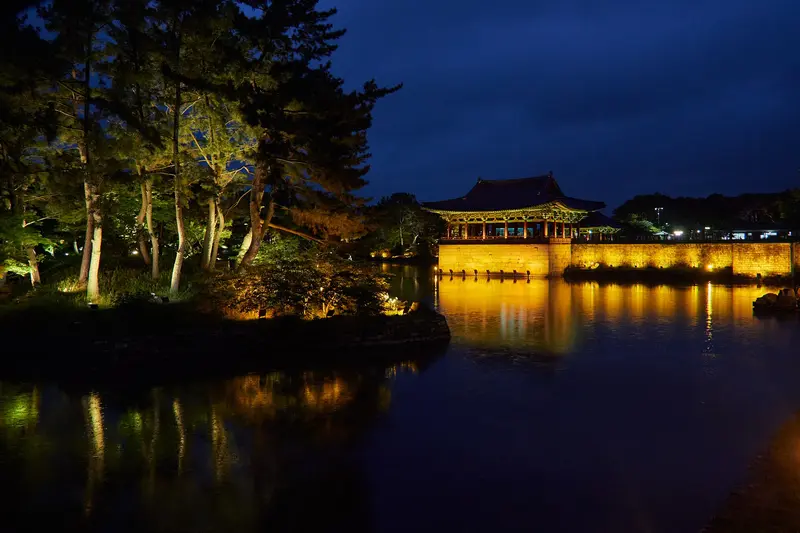
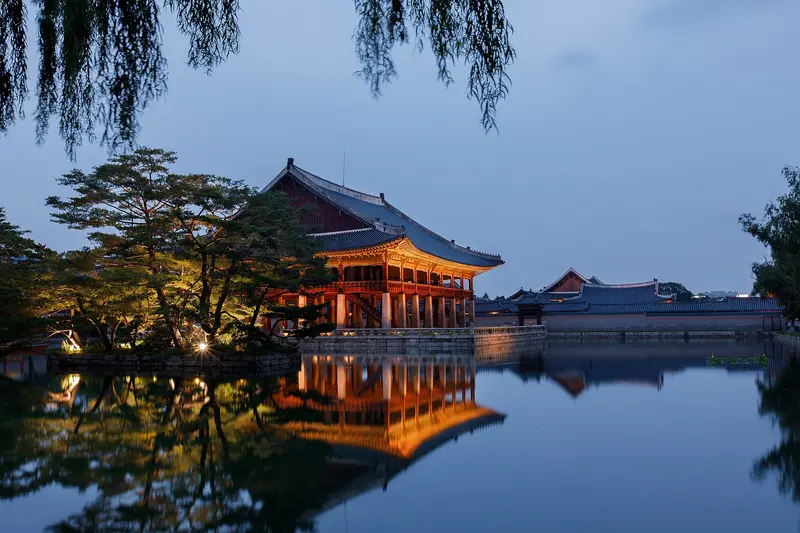
Donggung Palace and Wolji Pond at night

Country guide · kr

South Korea

11 destinations & festivals · 6 etiquette rules

Photo: lumoplank · CC0

Before you go

Read before you go

Essential restrictionsEveryday manners

South Korea: smoking is banned in restaurants, cafes and bus stops, with on-the-spot fines

Do

  • Smoke only in marked smoking areas
  • In Seoul and other cities, watch for outdoor no-smoking signs at bus stops, around schools and elsewhere

Don’t

  • Don't smoke inside any restaurant, bar or cafe, whatever its size
  • Don't smoke in subway stations, train stations and on platforms, or in underground passages

Since January 1, 2015, smoking has been banned in all bars, restaurants and cafes in South Korea regardless of size, and smoking rooms have been abolished; smoking is also banned in subway and train stations and on platforms, in underground passages, hospitals, schools, large buildings and more, and at all bus stops in Seoul. If you are caught you can be fined 100,000 won, and passers-by can report you through a hotline.

Verified Nov 20, 2026Source: Wikipedia: Smoking in South Korea

Essential restrictionsEntry

South Korea: check K-ETA before visa-free entry, and apply only on the official website

Do

  • Before you leave, check whether your passport requires a visa, or allows visa-free entry with a K-ETA electronic travel authorization
  • If you need one, apply on the Korean government's official K-ETA website, and allow up to 72 hours for approval
  • You can fill in the electronic arrival card (e-Arrival card) online for free within 72 hours before arrival

Don’t

  • Don't apply for K-ETA through agency websites; most of them are scams
  • Don't assume visa-free means no preparation is needed

Travelers with visa-exempt passports usually must obtain K-ETA approval before departure, or they may be unable to board or enter the country. The K-ETA exemption for travelers from some countries runs until December 31, 2026; whether it applies to you depends on official Korean government announcements.

Verified Nov 20, 2026Source: GOV.UK South Korea travel advice: entry requirements

Essential restrictionsSafety

South Korea: cannabis is also illegal, and a positive drug test can get you detained

Do

  • Before you travel, make sure your luggage holds no drugs, including cannabis products that are legal elsewhere
  • If you carry prescription medicine, bring the prescription or a doctor's note

Don’t

  • Don't assume small amounts for personal use are fine
  • Don't carry items for strangers

Possessing, using or trafficking drugs in South Korea brings long prison sentences and heavy fines, even for small amounts of cannabis for personal use; foreign travelers have been detained solely because of a positive drug test.

Verified Nov 20, 2026Source: GOV.UK South Korea travel advice: safety and the law

Cultural sensitivitiesRestaurants & bars

South Korea: don't stand chopsticks or a spoon upright in rice

Do

  • When not using them, lay your chopsticks and spoon flat on the table or on the cutlery mat
  • Leave your rice bowl on the table and eat with a spoon

Don’t

  • Don't stick chopsticks or a spoon upright in rice
  • Don't drop metal chopsticks noisily on the table, and don't scrape your spoon against bowls and plates

Sticking chopsticks or a spoon upright in rice looks like an offering of food to ancestors at a grave; it is considered unlucky and makes others at the table very uncomfortable. Koreans also don't lift their rice bowls to their mouths when eating.

Verified Nov 20, 2026Source: Wikipedia: Etiquette in South Korea

Local customsRestaurants & bars

South Korea: take off your shoes before stepping onto raised floor seating or entering a home

Do

  • When sitting on raised floor seating in a restaurant, take your shoes off at the foot of the step
  • Wear shoes that are easy to slip on and off, and clean socks

Don’t

  • Don't step onto raised floor seating or a home's floor with your shoes on

Many Korean restaurants still keep traditional heated raised floors, where diners sit on cushions around low tables; take your shoes off before stepping up. If you're not used to sitting cross-legged, most restaurants also have tables and chairs.

Verified Nov 20, 2026Source: Wikipedia: Etiquette in South Korea

All 6 etiquette rules for South Korea ↗

Worth visiting

South Korea

Browse by city

GoTerraVoya · 2026

South Korea

01

Cultural character

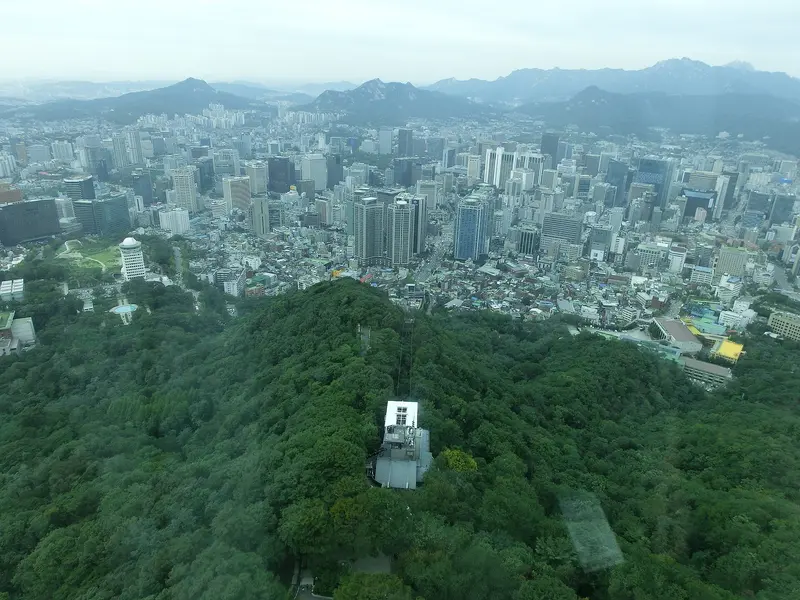
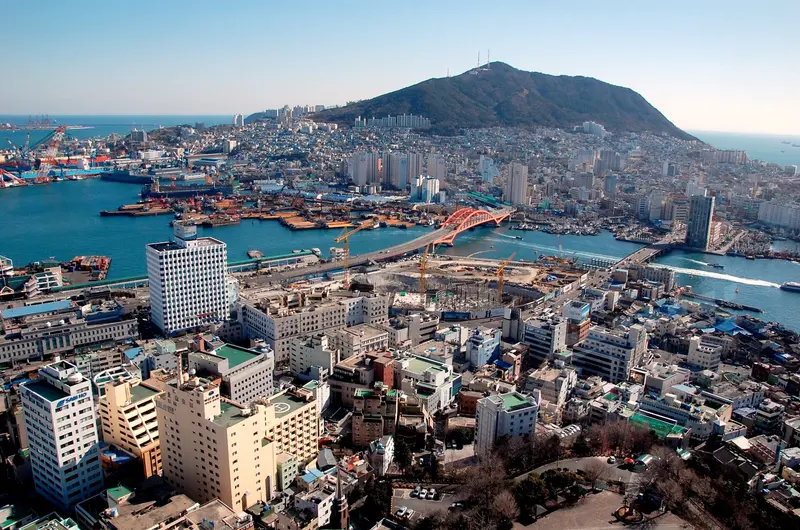
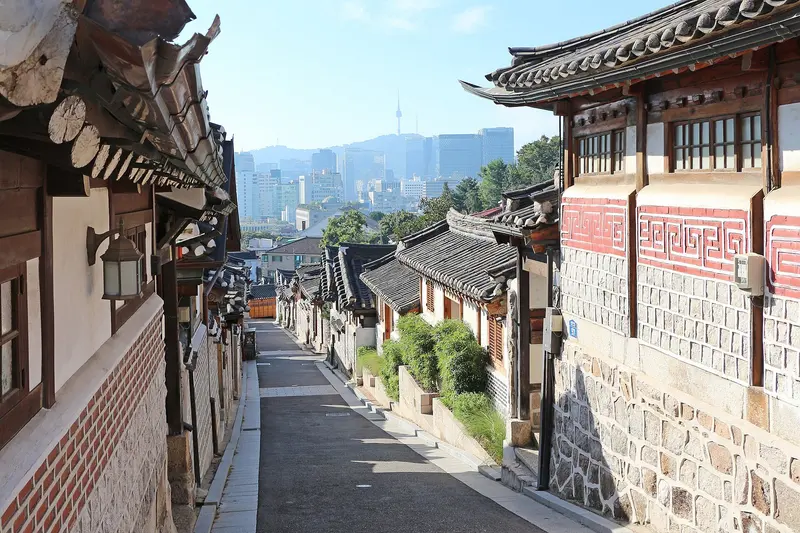
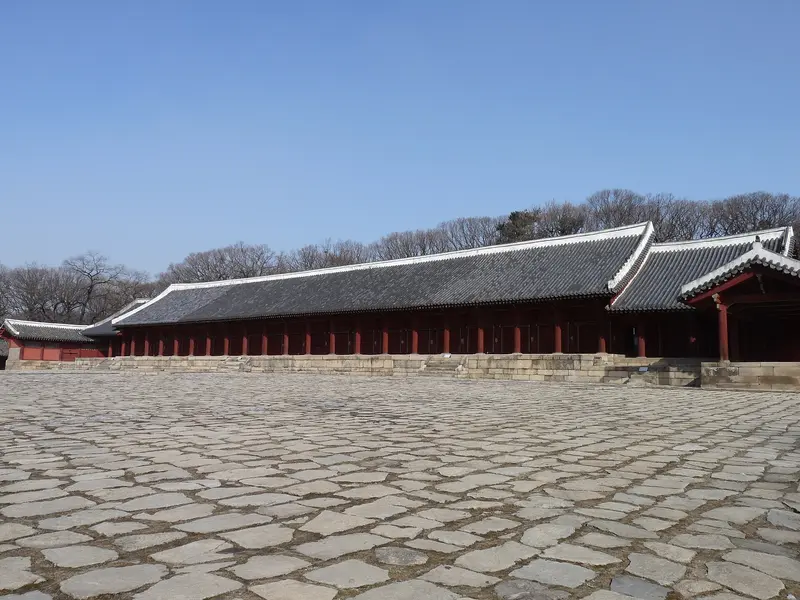
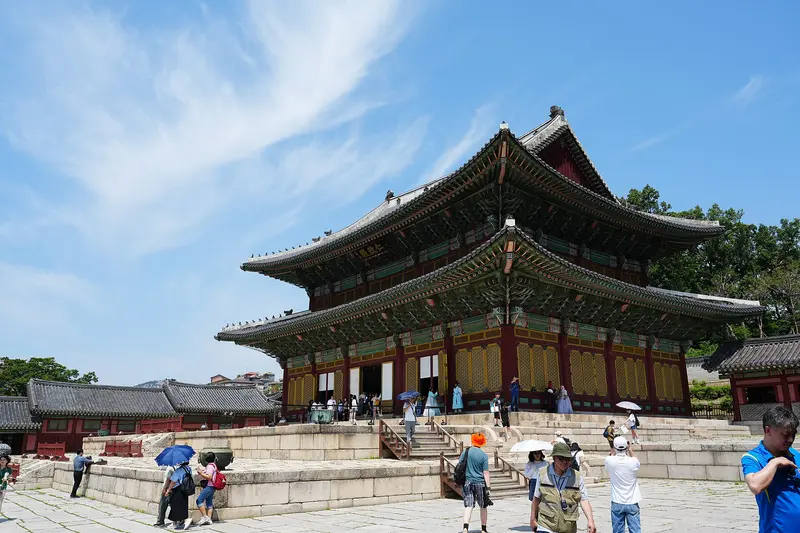
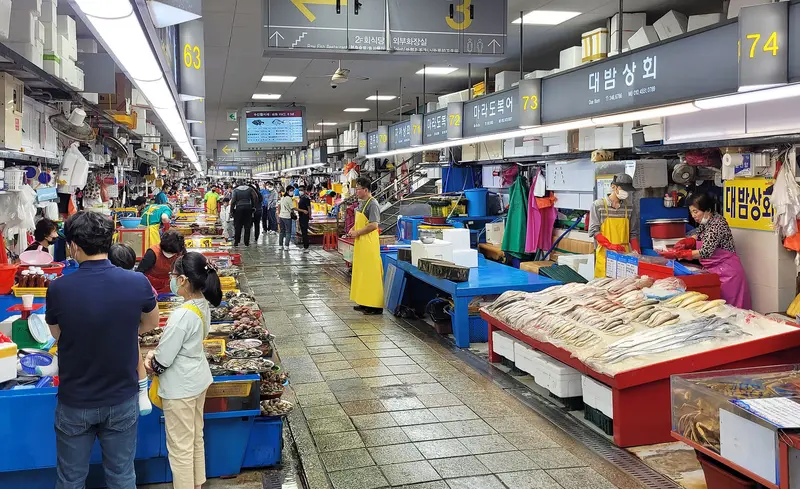
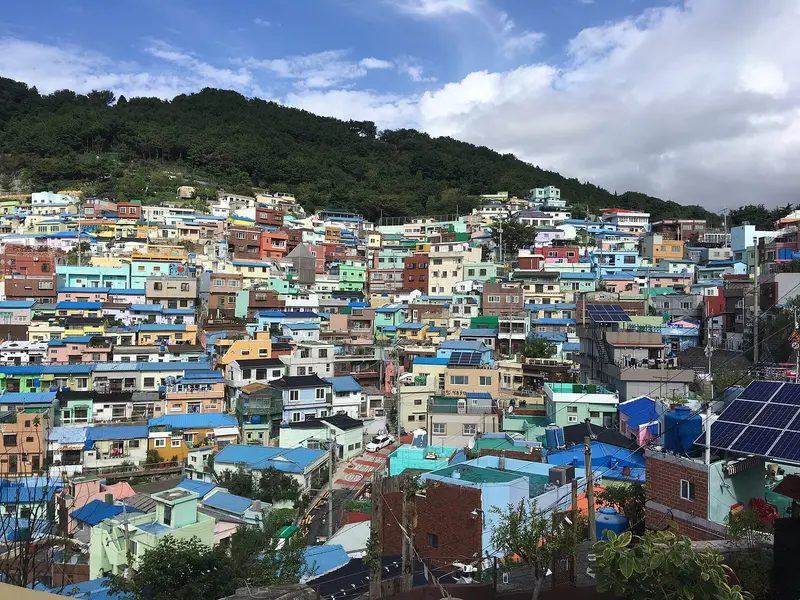
Korea occupies the southern half of the Korean Peninsula, separated from North Korea by the Military Demarcation Line, with the Yellow Sea to the west and the Sea of Japan to the east. It has about 52 million people, half of whom live in the Seoul metropolitan area. Seoul was the capital of the Joseon dynasty for more than six hundred years, its palaces, royal shrine and hanok alleys tucked between skyscrapers; Busan is the country's largest port city, with beaches, fish markets and colorful hillside villages giving it a different character; and Gyeongju, Silla's thousand-year royal capital, is called "a museum without walls." A Korean meal is typically rice with a spread of side dishes (banchan), and kimchi appears at almost every meal; traditional underfloor heating (ondol) made sitting on the floor customary, and many restaurants still have raised platforms where you take off your shoes to sit. Etiquette is deeply shaped by Confucianism, with clear distinctions of age and rank, and using both hands to pass things or pour drinks for elders is everyday courtesy.

02

Seasonal character

South Korea has four distinct seasons shaped by the East Asian monsoon: late June to late July is the rainy season (jangma, 장마), when most of the rain falls; Seoul averages about 22–30°C in August and about −7 to 1°C in January, and winters on the southern coast are milder than in Seoul. Typhoon season generally runs from June to November, so check the Korea Meteorological Administration's forecasts before you travel. Spring (around April) and autumn (October–November) are dry and crisp, the best times for palaces and ancient capitals; summer is when Busan's beaches are liveliest. Seollal (설날), the Lunar New Year on the first day of the first lunar month, and Chuseok (추석) on the 15th day of the eighth lunar month are the most important holidays in the country. Chuseok brings three days off, when families return to their hometowns to honor their ancestors and eat songpyeon; intercity transport is especially crowded, and opening arrangements at sights and shops may change.

03

Cultural depth

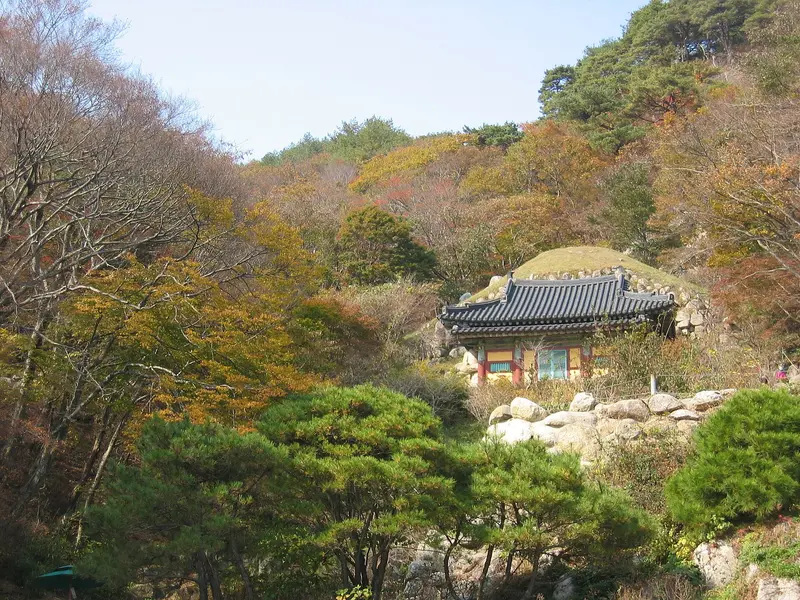
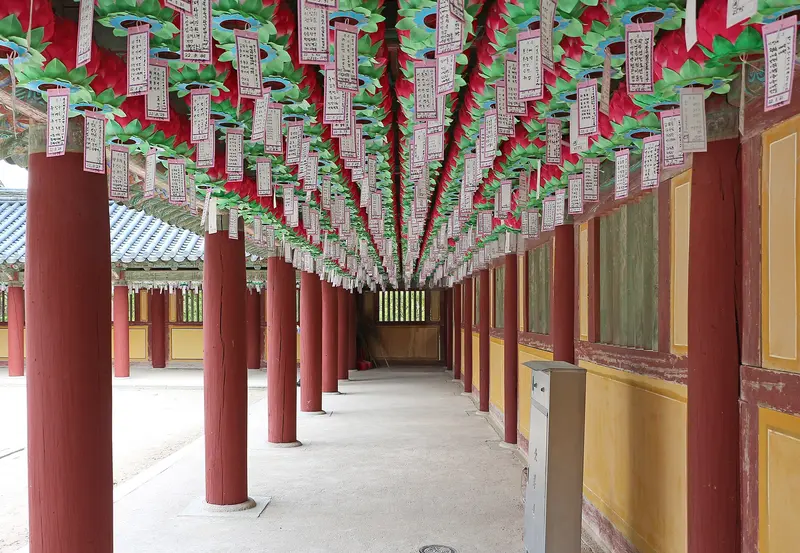
Silla made Gyeongju its capital for nearly a thousand years, and Bulguksa and Seokguram are the pinnacle of Unified Silla Buddhist art; Buddhism arrived in the 4th century and was the state religion under both Silla and Goryeo. In 1392 Yi Seong-gye founded the Joseon dynasty, fixing the dynasty's name the following year and moving the capital to Hanyang (today's Seoul) in 1394; the state was built on Neo-Confucianism, and both the Jongmyo ancestral rites and the "three gates, three courts" layout of the palaces derive from Confucian ritual. King Sejong oversaw the creation of the Korean alphabet at Gyeongbokgung (Hunminjeongeum, promulgated in 1446), allowing ordinary people to read and write. In the 20th century Korea went through Japanese colonial rule and the Korean War, followed by rapid industrialisation and urbanisation; since the 1990s the Korean Wave of K-pop, TV dramas and films has carried contemporary Korean culture around the world.

04

Keywords

Joseon palaces, Silla's ancient capital, hanok, kimchi and banchan, the Korean Wave

05

Signature experiences

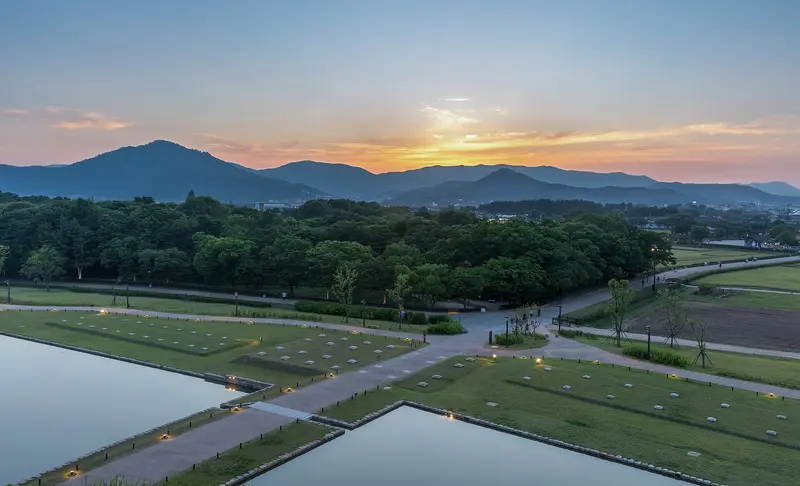
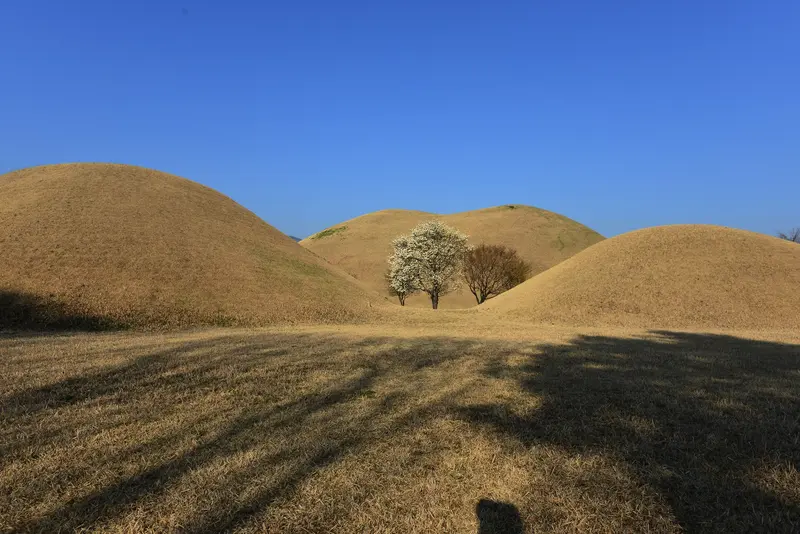
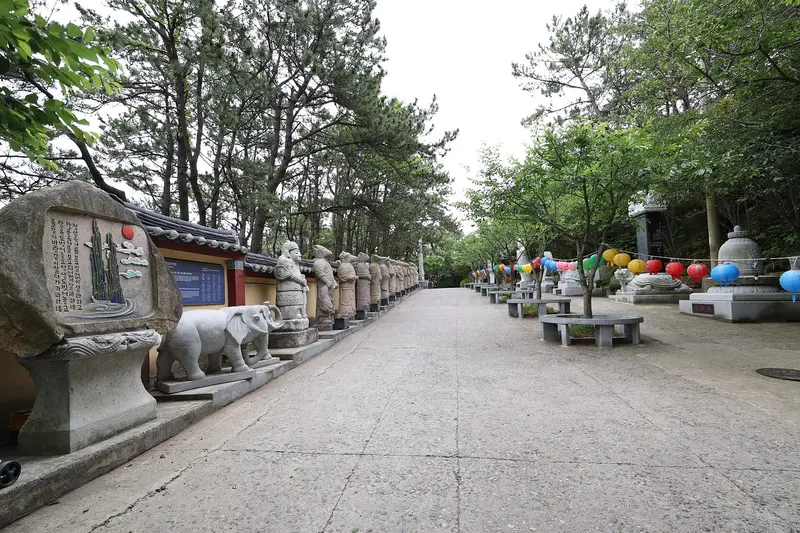
Strolling Gyeongbokgung in hanbok, wandering the alleys of Bukchon Hanok Village, Jongmyo ritual music, Busan's Jagalchi Fish Market and Gamcheon Culture Village, the Daereungwon tombs and Wolji Pond at night in Gyeongju, Bulguksa and Seokguram

Check local official notices before you plan your trip.

How do you like this place?