
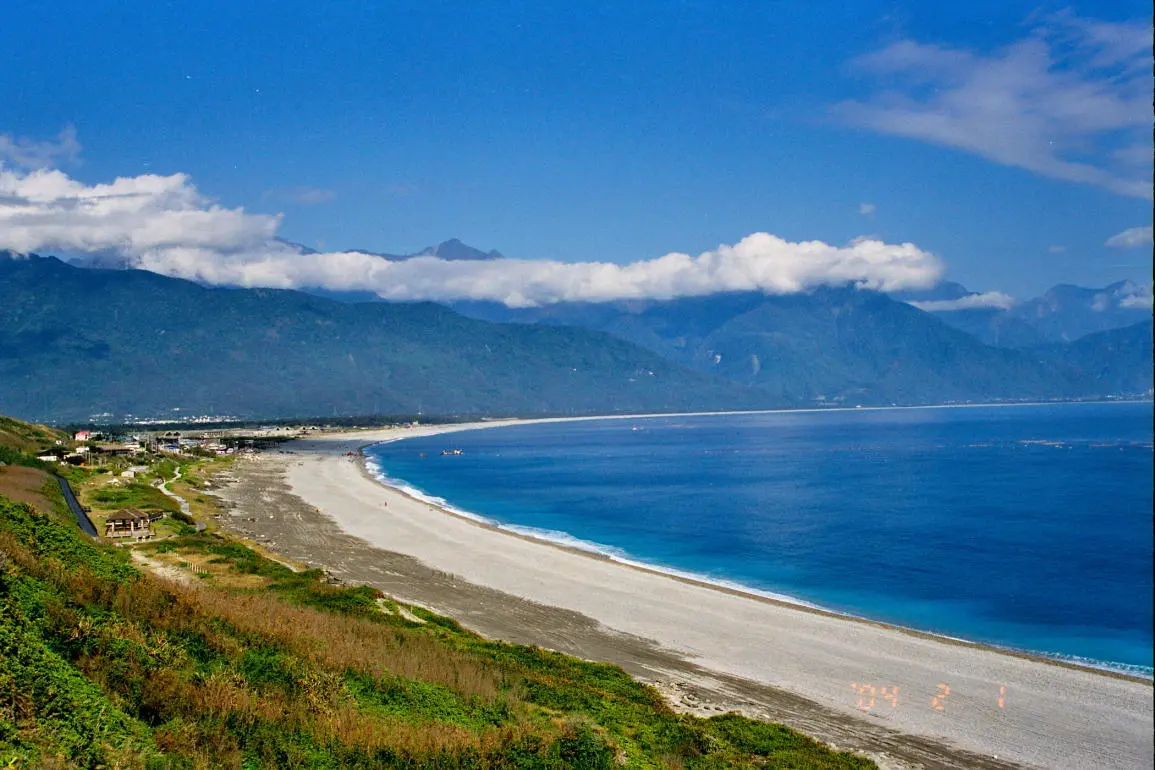
Qixingtan Bay

Country guide · tw

Taiwan

14 destinations & festivals · 6 etiquette rules

Photo: MickeyDisney · CC BY-SA 3.0

Before you go

Read before you go

Essential restrictionsEveryday manners

Taiwan: apply for a mountain entry permit before entering restricted mountain areas

Do

  • Before climbing high mountains or hiking trails in restricted mountain areas, apply for a mountain entry permit from the police or the National Park Police Corps (online applications are possible)
  • When applying, have your passport or residence permit, a route map, your climbing plan and a list of party members ready

Don’t

  • Don't enter restricted mountain areas without a permit
  • Don't ignore closures, rockfall warnings or "No Entry" signs

Taiwan has many high mountains, and some mountain areas are restricted; foreign climbers must apply for a mountain entry permit in advance. Without a permit you should not enter, and rescue is also harder if something goes wrong. Landslides are common in the mountains after typhoons and earthquakes; Taiwan's Tourism Administration also advises travelers to avoid unmanaged areas, watch for falling rocks, and not swim or play in the sea or streams where there are no lifeguards.

Verified Nov 20, 2026Source: Taiwan Tourism Administration: Useful Tips

Essential restrictionsPublic transport

Taiwan: no eating or drinking in the MRT no-food zones, not even chewing gum or drinking water

Do

  • Put drinks and food away in your bag before entering the paid area of the MRT
  • Stand behind the yellow warning line on the platform

Don’t

  • Don't eat, drink water, or chew gum or betel nut in the no-food zones
  • Don't block train or platform doors from closing, and don't walk the wrong way or run on escalators

Under Taiwan's Mass Rapid Transit Act, eating, drinking, chewing gum or betel nut in MRT no-food zones, as well as littering or preventing doors from closing, can be fined NT$1,500 to 7,500; station staff, together with the police, can require you to leave the station, and the fare for the unused part of your journey is not refunded. This applies to the MRT systems in Taipei, Kaohsiung, Taoyuan, Taichung and elsewhere.

Verified Nov 20, 2026Source: Laws & Regulations Database: Mass Rapid Transit Act

Essential restrictionsEntry

Taiwan: pork products and fresh fruit may not be brought in; declare honestly on arrival

Do

  • Before arrival, clear your luggage of jerky, sausages, meat floss and other meat products, as well as fresh fruit
  • If you carry any animal or plant products, declare them honestly to customs or quarantine officers on arrival

Don’t

  • Don't bring pork or pork products from countries that have had African swine fever in the past three years
  • Don't bring fresh fruit, betel nut, soil or live insects into Taiwan

Taiwan applies quarantine to animal and plant products carried by travelers: fresh fruit, soil, live insects and pork products from areas affected by African swine fever may not be brought in under any circumstances (checked luggage included), and undeclared items found by inspectors bring heavy fines. Because of the African swine fever outbreak, customs checks on pork products are especially strict.

Verified Nov 20, 2026Source: Ministry of Agriculture, Animal and Plant Health Inspection Agency: Information for Inbound Travelers

Essential restrictionsEntry

Taiwan: e-cigarettes and heated tobacco may not be brought in; heavy fines if found on entry

Do

  • Before you leave, leave e-cigarettes and heated tobacco products (pods, tobacco sticks) and their accessories at home
  • Penalties may be revised; check the latest announcements from Taiwan's Ministry of Health and Welfare before you travel

Don’t

  • Don't assume that small amounts for personal use are allowed
  • Don't use e-cigarettes or heated tobacco in Taiwan

Taiwan has fully banned e-cigarettes since March 22, 2023, and no heated tobacco product has yet been approved. Travelers who bring them in, in any quantity, can be fined NT$50,000 to 5 million, and the items are destroyed or returned. Customs X-rays both checked and carry-on luggage, and people who use them in Taiwan are also fined.

Verified Nov 20, 2026Source: Ministry of Health and Welfare: bringing heated tobacco into Taiwan is illegal and will be fined

Essential restrictionsSafety

Taiwan: zero tolerance for drugs, and transit passengers are checked too

Do

  • Before you leave, make sure there are no drugs of any kind in your luggage, including cannabis products that are legal elsewhere
  • Carry your passport or other ID; the police usually also accept a copy of your passport's photo page

Don’t

  • Don't assume you won't be checked just because you are only transiting at a Taiwanese airport
  • Don't carry packages or luggage for anyone else

Possessing, trafficking or manufacturing drugs (including cannabis and ketamine) in Taiwan is a serious crime; even tiny amounts can lead to arrest, detention and a long prison sentence. Foreign travelers have been arrested for carrying drugs on arrival or while transiting at Taiwanese airports. You are personally responsible for anything found in your luggage.

Verified Nov 20, 2026Source: GOV.UK Taiwan travel advice

All 6 etiquette rules for Taiwan ↗

Worth visiting

Taiwan

Browse by city

GoTerraVoya · 2026

Taiwan

01

Cultural character

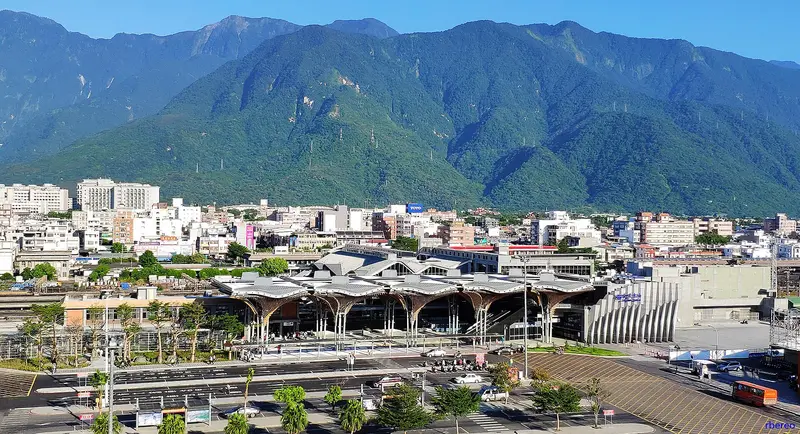
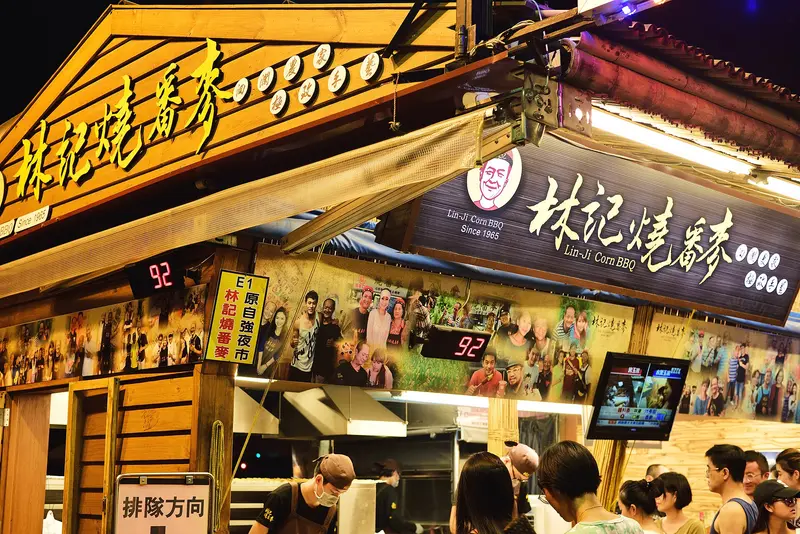
The island of Taiwan covers about 36,000 km², two-thirds of it forested mountains; the plains are concentrated along the western coast, where most of the population lives in a few metropolitan areas. The island's people are mainly Hoklo (Southern Min), Hakka and Indigenous peoples: the Indigenous peoples are Austronesian, with 16 officially recognized groups including the Amis, Atayal, Paiwan, Bunun, Truku and Sakizaya, and Indigenous culture is especially vivid around Hualien in the east. The best places to feel everyday Taiwanese life are temple squares and night markets: in the old districts, long-established snack shops tend to cluster around temples, and night markets often stay open until late. Restaurant and hotel bills usually already include a 10% service charge, so there is no need to tip.

02

Seasonal character

The Tropic of Cancer passes through Chiayi and Hualien; to its north the climate is subtropical monsoon, to its south tropical monsoon. May–September is summer, with the Taipei Basin often above 35°C; June–September is typhoon season (after typhoons, mountain roads in central and southern Taiwan are prone to landslides), and on average three or four typhoons strike each year in summer and autumn. September–November is settled and cool, the most comfortable time for a trip around the island; in winter lowland temperatures are about 12–17°C, and the north and east are rainy under the northeast monsoon while the south is drier. March–May often brings steady drizzle, so carry an umbrella.

03

Cultural depth

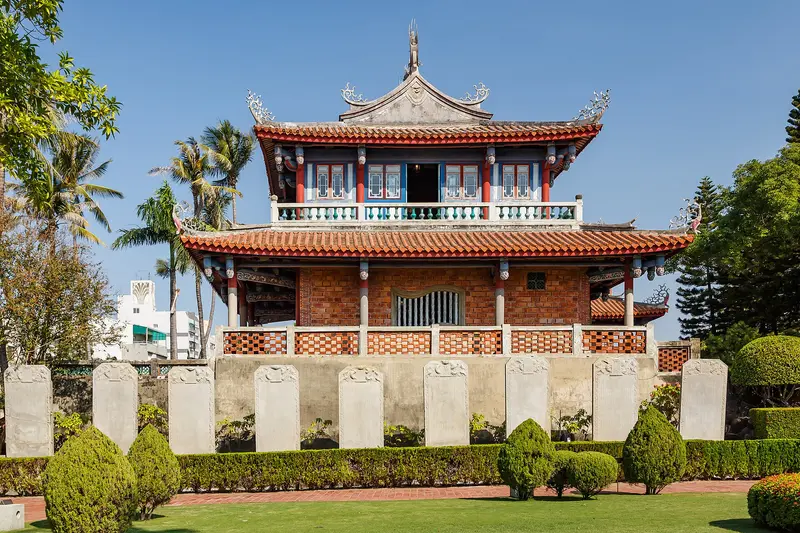
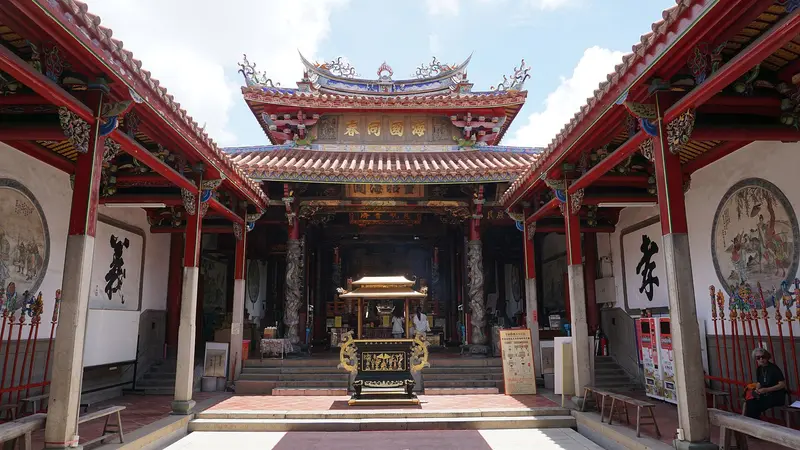
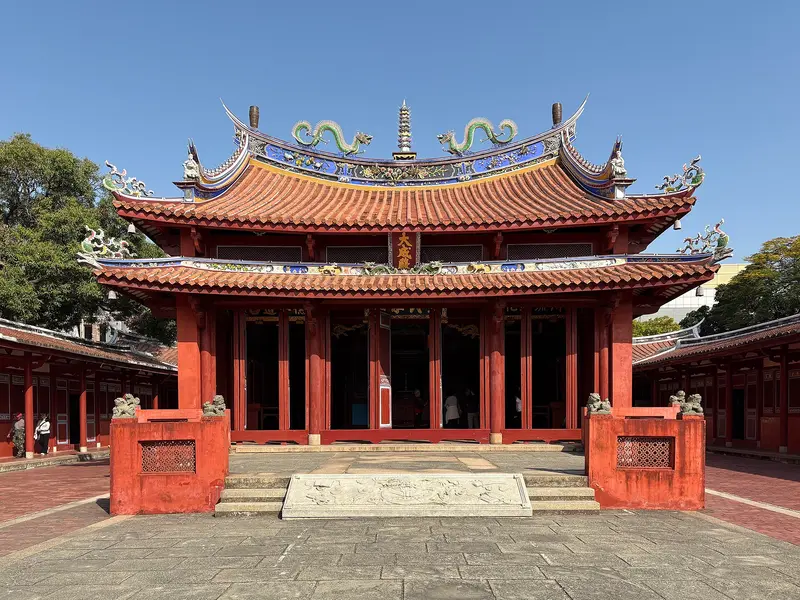
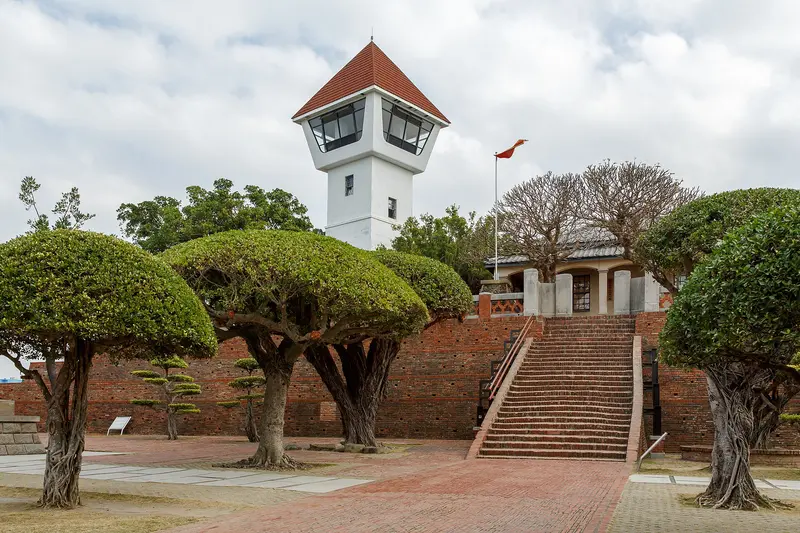
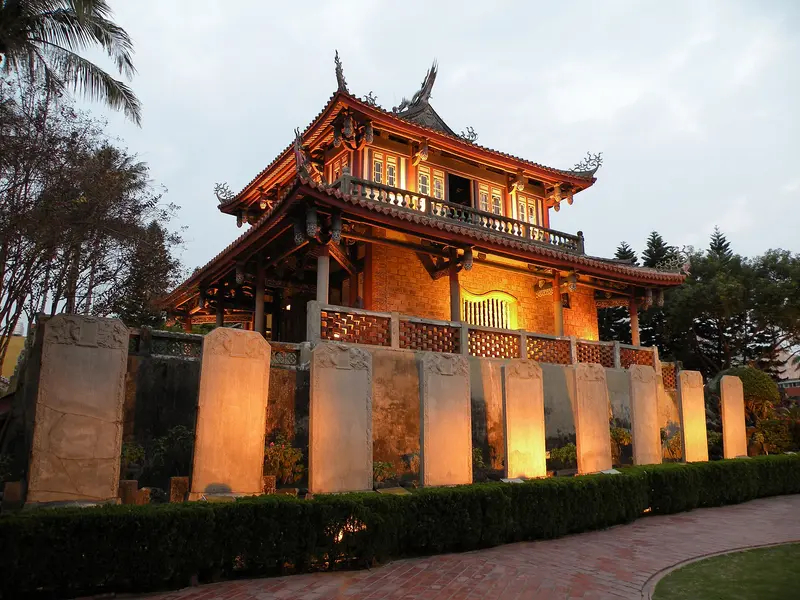
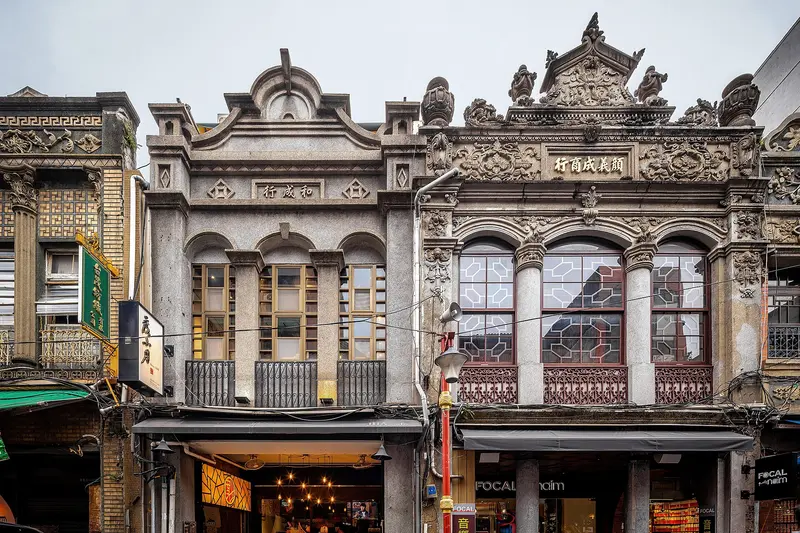
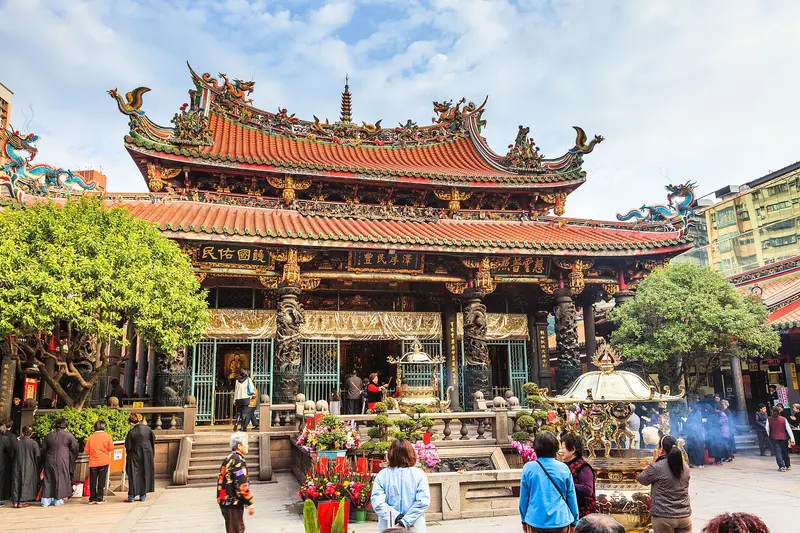
The name "Taiwan" comes from Tayouan, an old place name for the Anping area of Tainan, originally the Siraya people's name for the settlement of outsiders on the sandbar. In the 17th century the Dutch East India Company built Fort Zeelandia at Tayouan and Fort Provintia at Chihkan; in 1661–1662 Koxinga captured both forts, after which large numbers of migrants from Zhangzhou and Quanzhou and Hakka settlers crossed the strait to farm the land, and Tainan became the island's first city, still known as Fucheng, the "prefectural city." After Tamsui opened as a port in the 19th century, the tea and camphor trade boomed in the north and the economic centre shifted to Taipei; railways, shophouses and government buildings from the period of Japanese rule (1895–1945) can still be found in cities across Taiwan. Traditional temples often worship Buddhist, Taoist and folk deities under one roof, with Mazu, Guanyin and Guan Gong all receiving incense, which makes them a way into Taiwan's folk culture.

04

Keywords

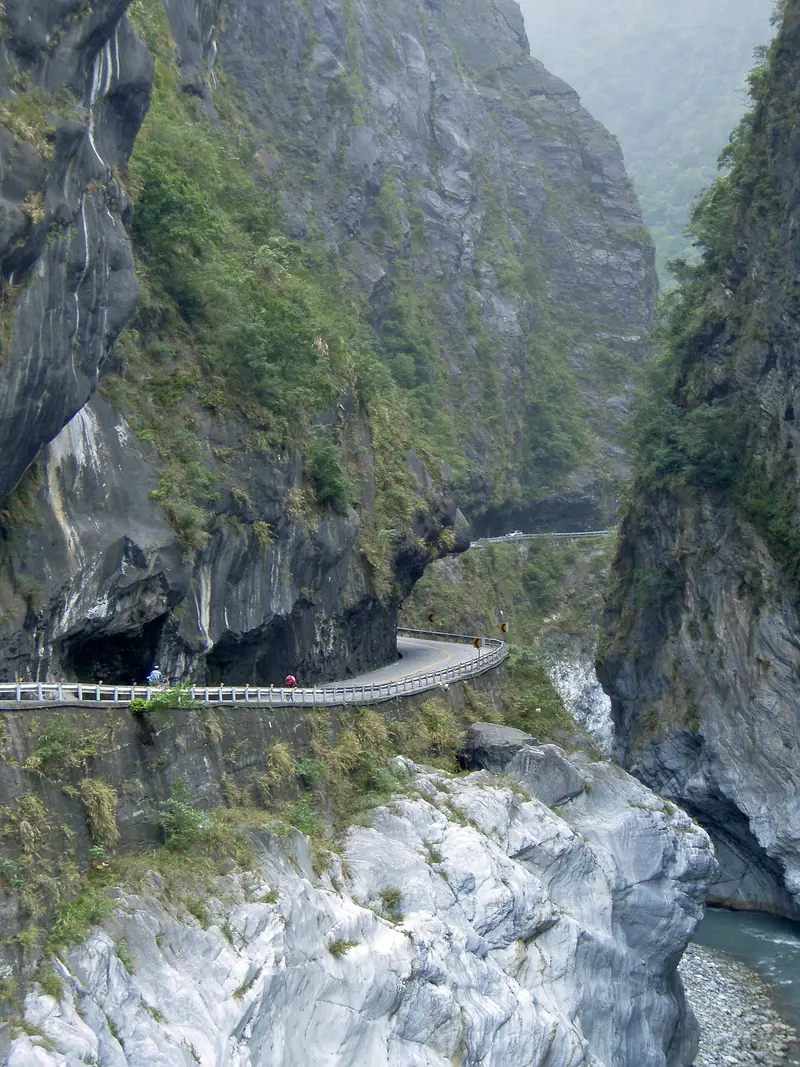
Historic sites of the old capital, temple-front snacks, night markets, marble gorges, Indigenous culture

05

Signature experiences

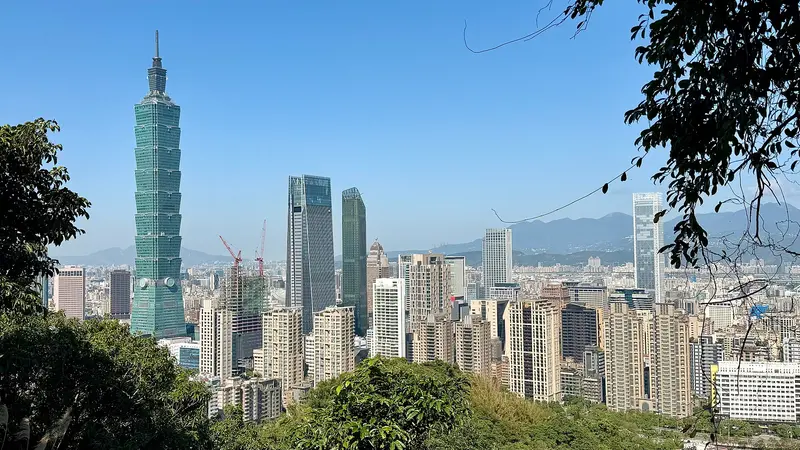
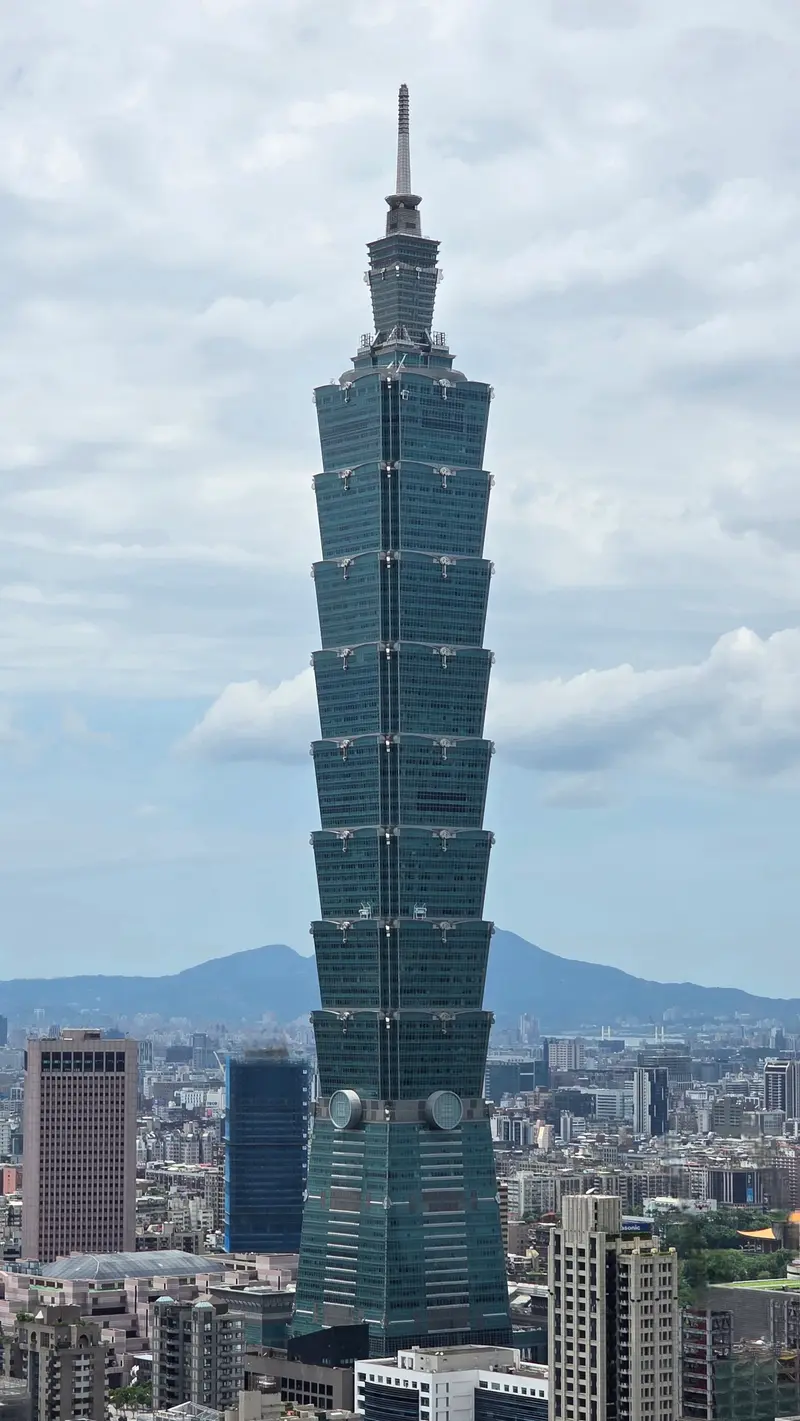
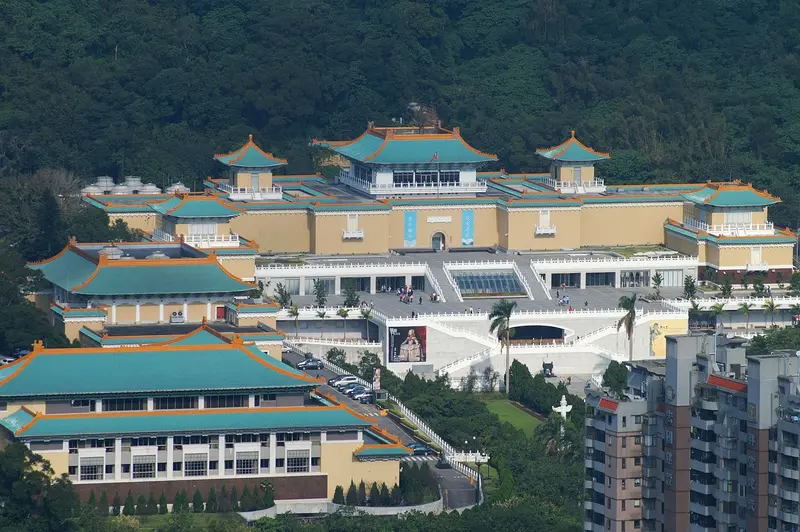
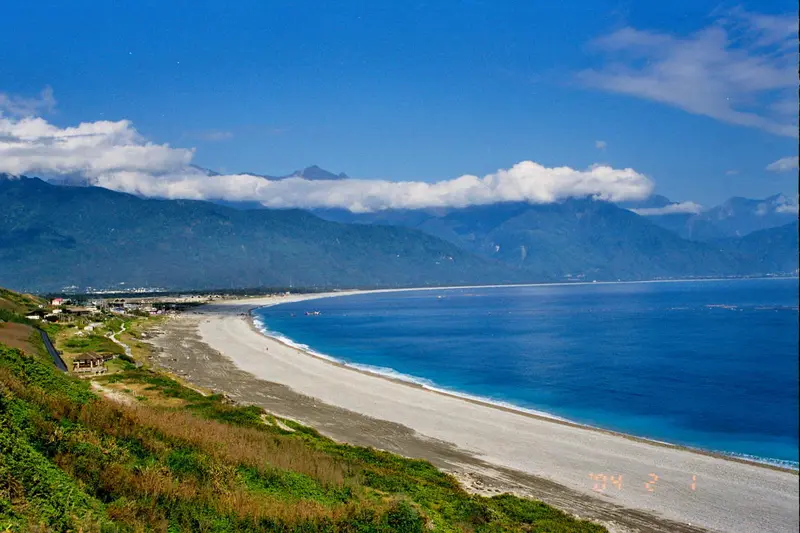
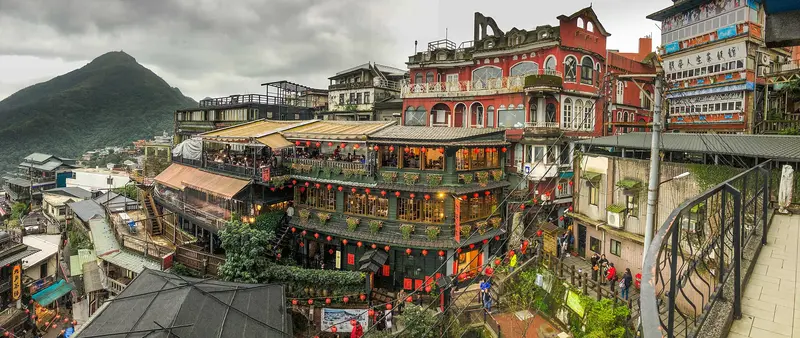
See the Jadeite Cabbage and the Meat-shaped Stone at the National Palace Museum in Taipei, stroll Longshan Temple in Monga and Dihua Street in Dadaocheng, look out to sea from the mountain town of Jiufen, visit Chihkan Tower and Anping Fort in Tainan, and see Taroko Gorge (depending on which sections are currently open) and Qixingtan Bay in Hualien

Check local official notices before you plan your trip.

How do you like this place?