

Chikugogawa Fireworks Festival
筑後川花火大会 · Kurume City, Fukuoka Prefecture (Chikugo River riverbed)
The offering fireworks of the Suitengu summer festival, begun in 1650 and continuing for more than 370 years; every August 5 they light up the Chikugo, Kyushu's largest river.
Know before you go
- Driving into the city center
- entering restricted embankment areas or launch zones
- pushing through crowds
Stories & people
Stories & people
History
Celebratory fireworks for a lord's gift of a shrine hall
In 1650 (Keian 3), Arima Tadayori, second lord of the Kurume Domain, donated land and a main hall to Suitengu Shrine, and on its completion fireworks were launched as an offering to the deity: the beginning of the Chikugogawa Fireworks Festival. It was handed down under the name Suitengu Offering Fireworks and, though interrupted nine times by unrest and war, carried on after being renamed in 1965, every year serving as the offering fireworks of the Suitengu summer festival. The boat drums played by children at the summer festival are said to recall soldiers during the Genpei War beating the sides of their boats in mourning for Emperor Antoku, who drowned at sea.
Source: Kurume Suitengu; Japanese Wikipedia: Chikugogawa Fireworks Festival; Crossroad Fukuoka: Guide to the Kurume Chikugogawa Fireworks Festival
Culture
Culture & customs
Background
The Chikugogawa Fireworks Festival dates to 1650 (Keian 3): Arima Tadayori, second lord of the Kurume Domain, donated land and a main hall to Suitengu Shrine, and fireworks were launched as an offering to the deity at the celebration of its completion. It continued under the name Suitengu Offering Fireworks, interrupted nine times by unrest and war, and took its current name in 1965; since 1972 it has also been the finale of the Mizu no Saiten Kurume Matsuri (Kurume Water Festival). It remains the offering fireworks of the Suitengu summer festival (August 5–7), during which children play the Suitengu Funedaiko (boat drums) and pull festival floats; the boat drums are said to come from Genji and Heike soldiers beating the sides of their boats in mourning for Emperor Antoku, who drowned at sea. The venue is the riverbed of the Chikugo, Kyushu's largest river. In past years it drew over 450,000 spectators, one of the largest fireworks festivals in western Japan, famous for rapid-fire star mines (sutāmain) with a clear dramatic arc, the waterfall-like "Niagara" set pieces and shakudama (one-foot shells), with about 12,000 to 15,000 shells in recent years. After the 2001 Akashi fireworks pedestrian bridge accident, launches have been split between two sites since 2004, and viewing areas spread across several riverbank venues such as Kyomachi and Sasayama. The 2026 festival, scheduled for August 5, was cancelled because of the Kumamoto earthquake that July: the authorities could not ensure safety and had to prioritize supporting those affected.
Local customs
- Visit Suitengu Shrine in the early evening
- spread a mat on the riverbank in a yukata
- browse the 400-plus food stalls and try Kurume street food
- walk back to the station after the show
Etiquette & taboos
Etiquette & taboos
Don’t DON'T
- Driving into the city center
- entering restricted embankment areas or launch zones
- pushing through crowds
Locals appreciate DO
- Go by JR or Nishitetsu
- pick one of the less crowded venues rather than Kyomachi or Sasayama
- bring a mat and water
Plan your visit
Practical info
| 2027 dates | August 5, 2027 |
|---|
Travel tips
- In past years held on the evening of August 5 regardless of the day of the week
- it goes ahead in light rain, is postponed to the reserve day in stormy weather (August 7 in 2026), and is cancelled if the reserve day also fails. Viewing areas are spread over several riverbank venues, including Kyomachi, Sasayama, Komorino and Nagatoishi, plus Miyaki Town and Tosu on the Saga Prefecture side
- all are free, with no paid areas. Traffic is restricted along the riverbanks from about 18:30 to 22:00, and there is no parking near the venues, so public transport is strongly recommended: the Kyomachi venue is within walking distance of JR Kurume Station, temporary buses run to the Sasayama venue from Nishitetsu Kurume Station, and JR Kyushu and Nishitetsu add extra trains after the show. The 2026 festival was cancelled because of the Kumamoto earthquake
- watch for official news on whether it resumes in 2027.
2027 schedule
- In past years held on August 5
- cancelled in 2026 because of the Kumamoto earthquake. 2027 is estimated for August 5 (Thursday)
- whether it resumes is subject to official announcement.
Festival Calendar
Other festivals in Aug
- Aug1Over for this year
Hakodate Port Festival Doshin Fireworks Display
On the opening night of the Hakodate Port Festival every August 1, fireworks rise from Midori-no-Shima, an artificial is…
- Aug2Over for this year
Nagaoka Fireworks Festival
One of Japan's three great fireworks displays, themed on remembrance, recovery and peace: the giant 'shōsanjakudama' and…
- Aug2Over for this year
Aomori Nebuta Matsuri
Eastern Japan's greatest night festival: giant warrior lanterns about 5 m tall and 9 m wide parade through the city cent…
- Aug3Over for this year
Akita Kantō Matsuri
A balancing feat at one of Tōhoku's three great festivals: 'kantō' poles about 12 m long, weighing 50 kg and hung with 4…
- Aug4Over for this year
Goshogawara Tachineputa
The 'tallest' of Aomori's three great Nebuta festivals: giant three-dimensional lanterns about 23 m tall and weighing ab…
- Aug5Over for this year
Lake Kawaguchi Kojosai Festival
A lake festival held since 1917: every August 5, about 10,000 fireworks burst over Lake Kawaguchi and are mirrored on it…
How do you like this place?
More nearby
Also in Kyushu & Okinawa
Nearby sights
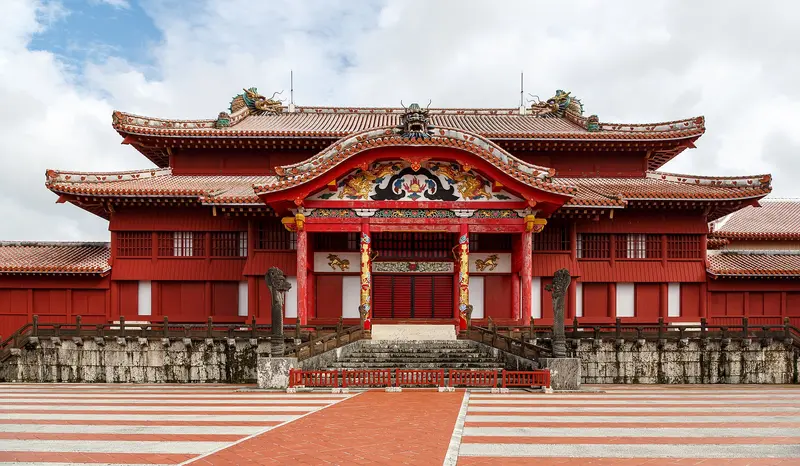
Shuri Castle
The vermilion palace of the Ryukyu Kingdom: the soul of Okinawa reborn from fire
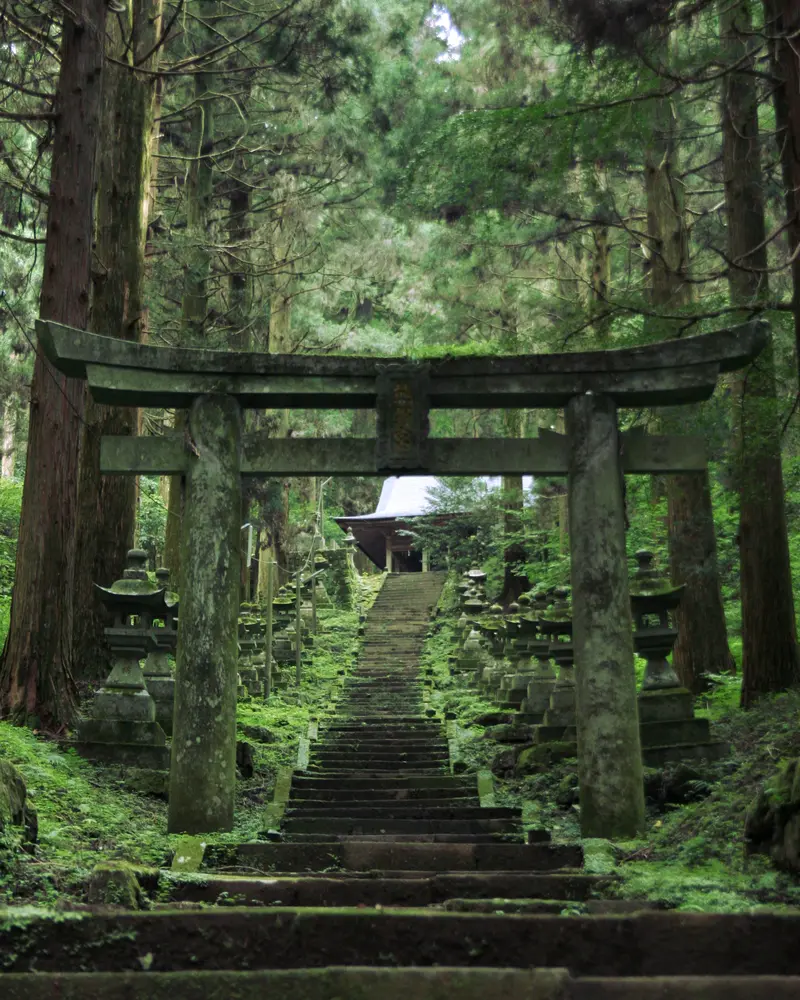
Kamishikimi Kumanoimasu Shrine
An approach of mossy stone lanterns: one step into the otherworld of 'Hotarubi no Mori e'
Kouri Island: Heart Rock
The heart-shaped rock of the 'Island of Love', and Kouri blue
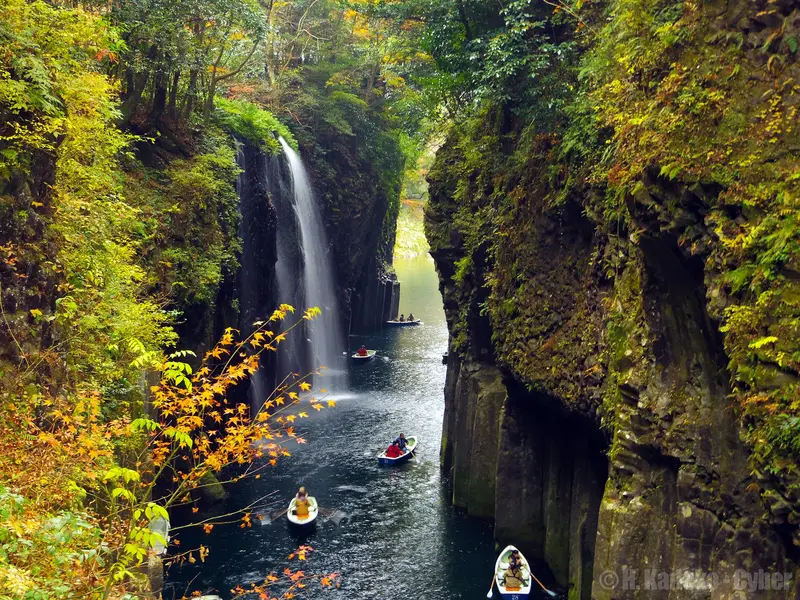
Takachiho Gorge
Basalt columns in the land of myth: rowing up to Manai Falls
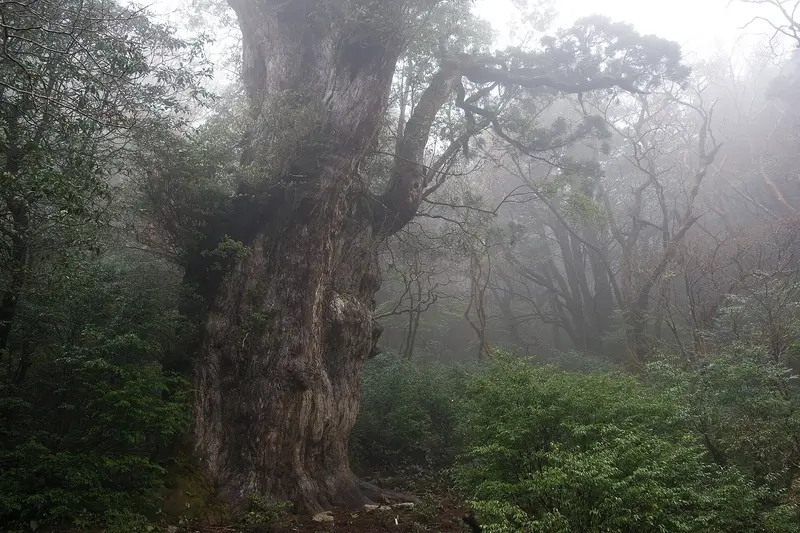
Yakushima
The thousand years of the Jōmon Sugi: meeting 'Princess Mononoke' in a moss forest
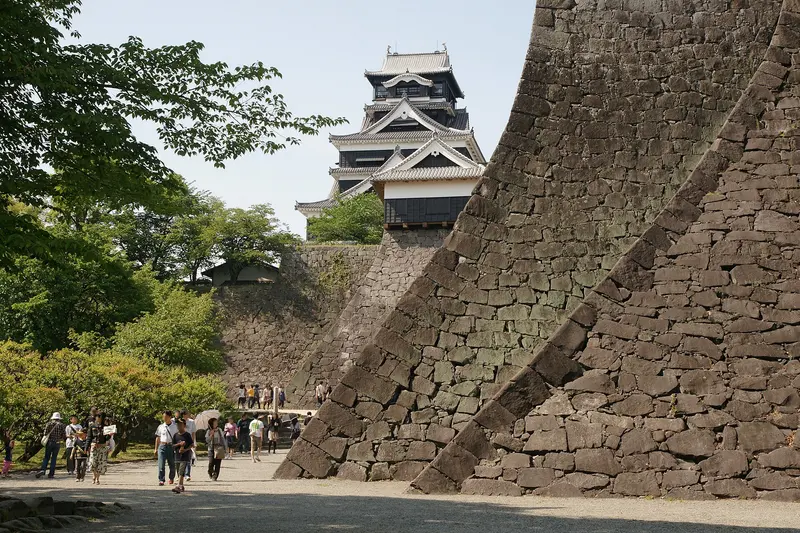
Kumamoto Castle
One of Japan's three great castles, built by Katō Kiyomasa: its 'musha-gaeshi' stone walls sweep up in a sharp curve, and its keep, reborn after…
Local legends
 Takachiho GorgeThe water seed of Ame-no-MurakumoThe origin of the Manai Falls is tied to the myth of the descent of the heavenly grandson. Legen…
 Dazaifu TenmangūTobiume: the plum tree that followed its masterMichizane wrote many poems about plum blossom in his lifetime. Legend says that after he died in…
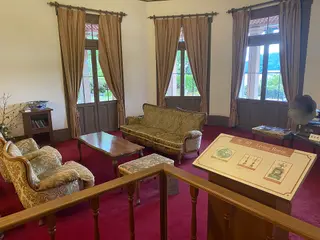 Glover GardenThe 'Madame Butterfly' houseBecause the house and its surroundings evoke Puccini's opera 'Madama Butterfly', it is also know…
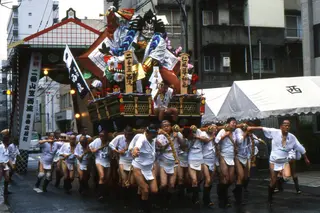 Hakata Gion YamakasaCarrying an eminent monk to sprinkle water and drive off diseaseLegend says that when an epidemic swept Hakata in 1241, Shōichi Kokushi (Enni), founder of Jōten…
 Mount Sarakura Observatory"Darker Still": Empress Jingū Comes Down the MountainLegend has it that Empress Jingū, during her western campaign, climbed this mountain to gaze int…
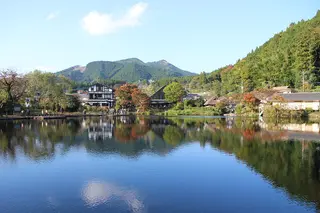 Lake KinrinUnagihime and the kicked-open lakeshoreLegend says the Yufuin basin was once a lake. Unagihime, goddess of Mount Yufu, looked out over …