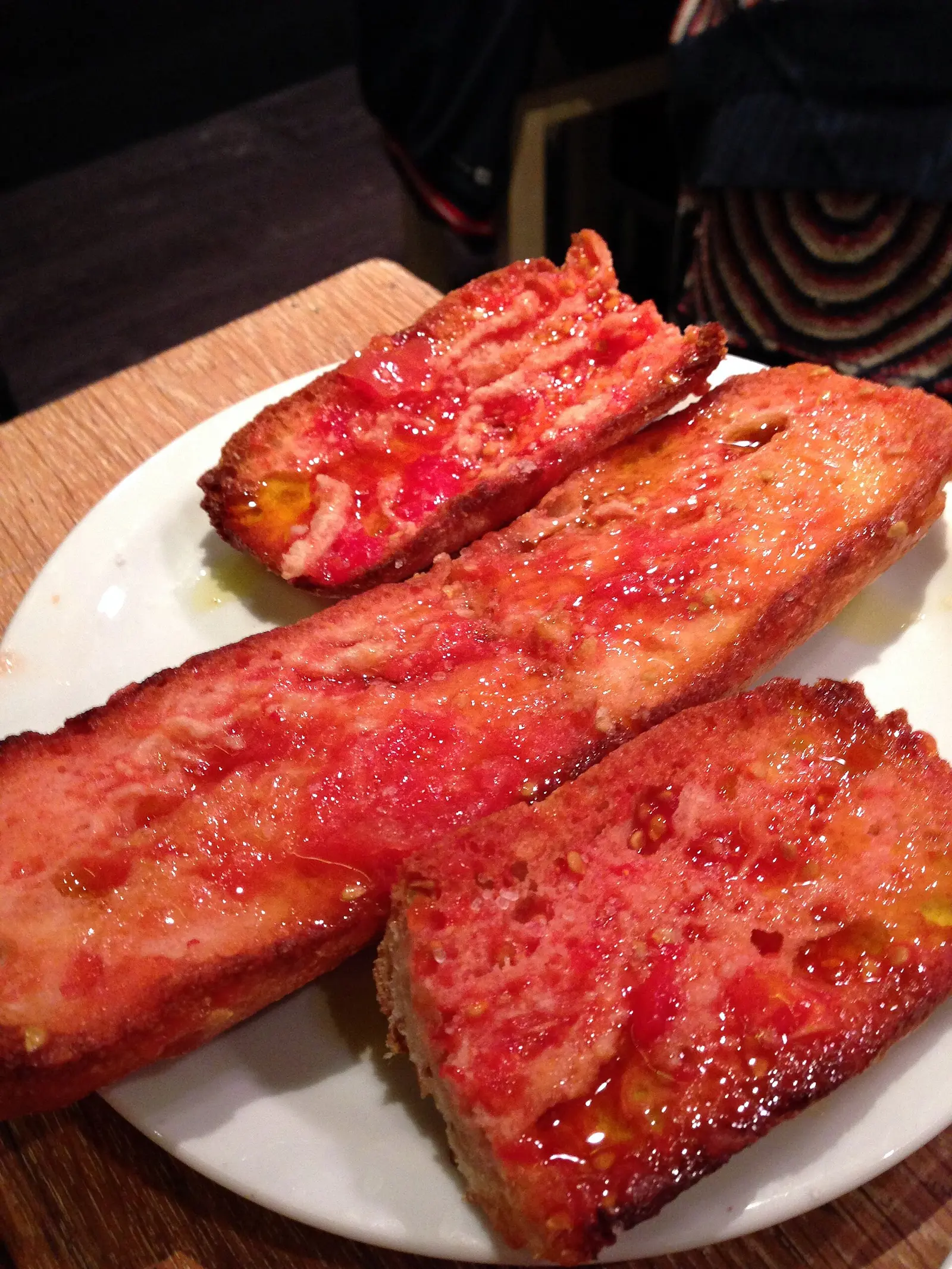
Catalan tomato bread (pa amb tomàquet)
Pa amb tomàquet · Barcelona, Spain
Rub ripe tomato on bread, drizzle with olive oil and sprinkle with salt—one of the symbols of Catalan identity.
Know before you go
- Don't assume pa amb tomàquet is free bread without checking the menu price (many places charge for it separately)
- don't lump Catalan cuisine together as “Spanish food” at the table and deny its regional character
- don't let touts along the seafront promenade lure you into places that only sell tourist set menus.
This article is Not yet verified. Please check official announcements for prices, opening hours and dates.
Culture
Culture & customs
Background
Pa amb tomàquet is a traditional food of Catalonia, the Balearic Islands and nearby areas; in Catalan the name means "bread with tomato". It is simple to make: bread (toasted or not) is rubbed with a cut ripe tomato, drizzled with olive oil and sprinkled with salt, sometimes rubbed with garlic first. According to English Wikipedia, it is regarded as a staple of Catalan cuisine and a symbol of identity; but tomatoes only arrived from the Americas after the 15th century, and its origin is disputed. Catalan chef Josep Lladonosa believes it was already recorded in the 18th century; culinary historian Néstor Luján holds that the earliest written record dates from 1884, and suggests it was born in the countryside at tomato harvest time, when people used tomatoes to soften dry, hard bread. Malta, Nice and other Mediterranean places have similar ways of eating it.
Local customs
- In Barcelona restaurants, pa amb tomàquet (bread with tomato) is often ordered as a separate side, or used as a base for ham, anchovies or cheese
- some restaurants bring bread, tomatoes, garlic and olive oil to the table for you to rub on yourself
- it is usually eaten by hand.
Religion & beliefs
- Pa amb tomàquet itself has nothing to do with religion
- it is part of everyday Catalan eating and local identity, common at family meals and festivals alike. It contains no meat, and the basic version suits most religious dietary rules, but when served with ham it contains pork, so those with faith-related dietary needs should check the toppings.
Etiquette & taboos
Etiquette & taboos
Rules that apply here
Spain: Cover your shoulders and knees and take off your hat in churches
Do
- Wear a top that covers your shoulders and trousers or a skirt below the knee
- Take off your hat once you are inside
- Carry a light shawl or cardigan to cover up on hot days
- Keep quiet during Mass or prayers and watch from the back
- Rules vary by church: follow the signs at the door and the staff
Don’t
- Don't wear sleeveless tops, shorts above the knee, miniskirts or swimwear
- Don't go in barefoot
- Don't walk around the nave or talk loudly during Mass
The Sagrada Família enforces its dress code at the entrance for visitors of all ages, so you may be turned away if you do not comply; even where you get in, revealing clothes offend worshippers.
Verified Oct 19, 2026Source: Official site: Sagrada Família FAQ
Don’t DON'T
- Don't assume pa amb tomàquet is free bread without checking the menu price (many places charge for it separately)
- don't lump Catalan cuisine together as “Spanish food” at the table and deny its regional character
- don't let touts along the seafront promenade lure you into places that only sell tourist set menus.
Locals appreciate DO
- Catalans appreciate diners who call it by its Catalan name, “pa amb tomàquet”
- ordering tomato bread together with ham and anchovies in a tapas bar is seen as knowing how locals eat. You can also ask the staff to show you how to rub the tomato.
Plan your visit
Practical info
Travel tips
- Almost all tapas bars, small market counters and home-style restaurants in Barcelona serve pa amb tomàquet
- you can have it for breakfast, as a lunch side or as a snack with drinks, and a serving takes just a few minutes. You can combine it with La Boqueria, Santa Caterina Market and a walk through the Gothic Quarter. Lunch in Barcelona is usually around 2 p.m., and dinner after 9. Dietary notes: the basic version is vegan (bread, tomato, olive oil, salt), but the bread contains gluten, and toppings such as ham, anchovies or cheese change its vegetarian status
- some places rub the bread with garlic, so say so if you dislike garlic. Prices and opening hours are as set by each shop
- popular old establishments often have queues, so avoiding peak mealtimes is more relaxed.
How do you like this place?
More nearby
Also in Barcelona
Nearby sights
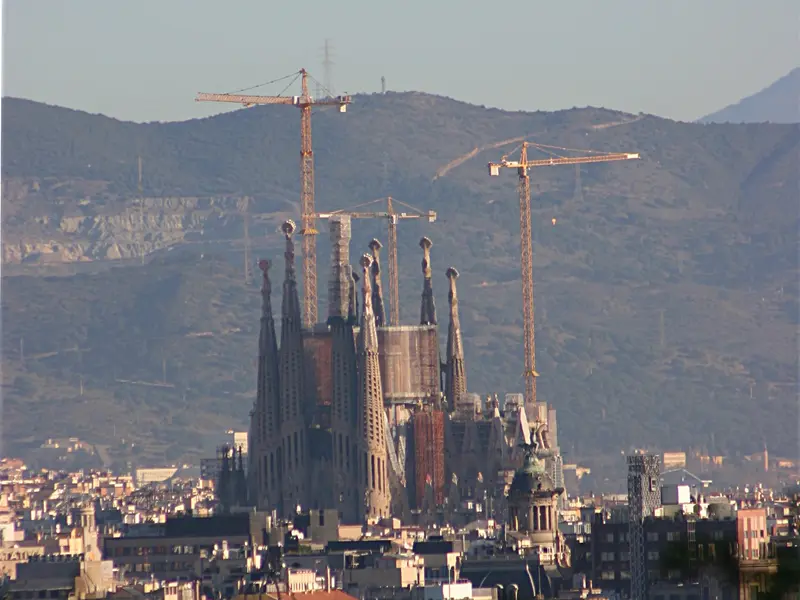
Sagrada Família
Gaudí's lifelong 'Bible in stone', a church that is still growing
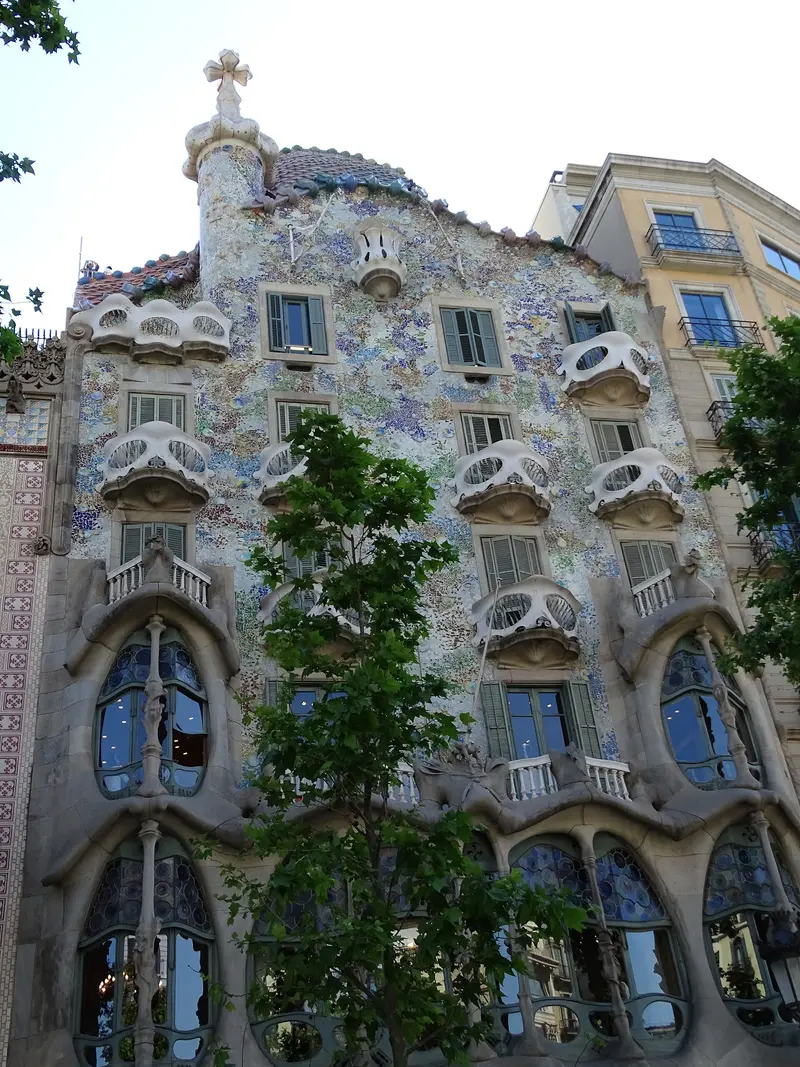
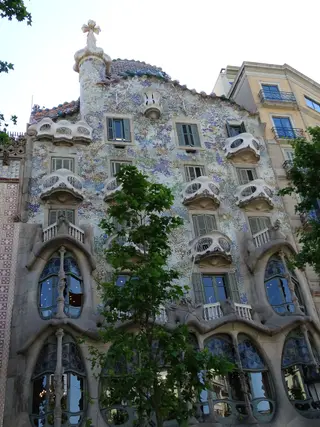
Casa Batlló and Casa Milà
Two Gaudí houses on the Passeig de Gràcia: Casa Batlló, famed for its broken-tile mosaic facade and dragon-back roof, and Casa Milà, known for i…
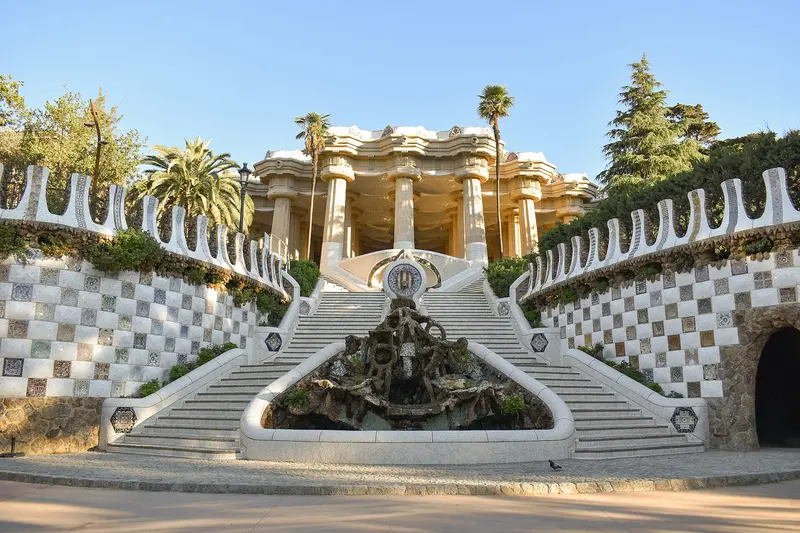
Park Güell
Gaudí's naturalist work: a mosaic lizard, a serpentine bench and a hillside view over the whole city.