
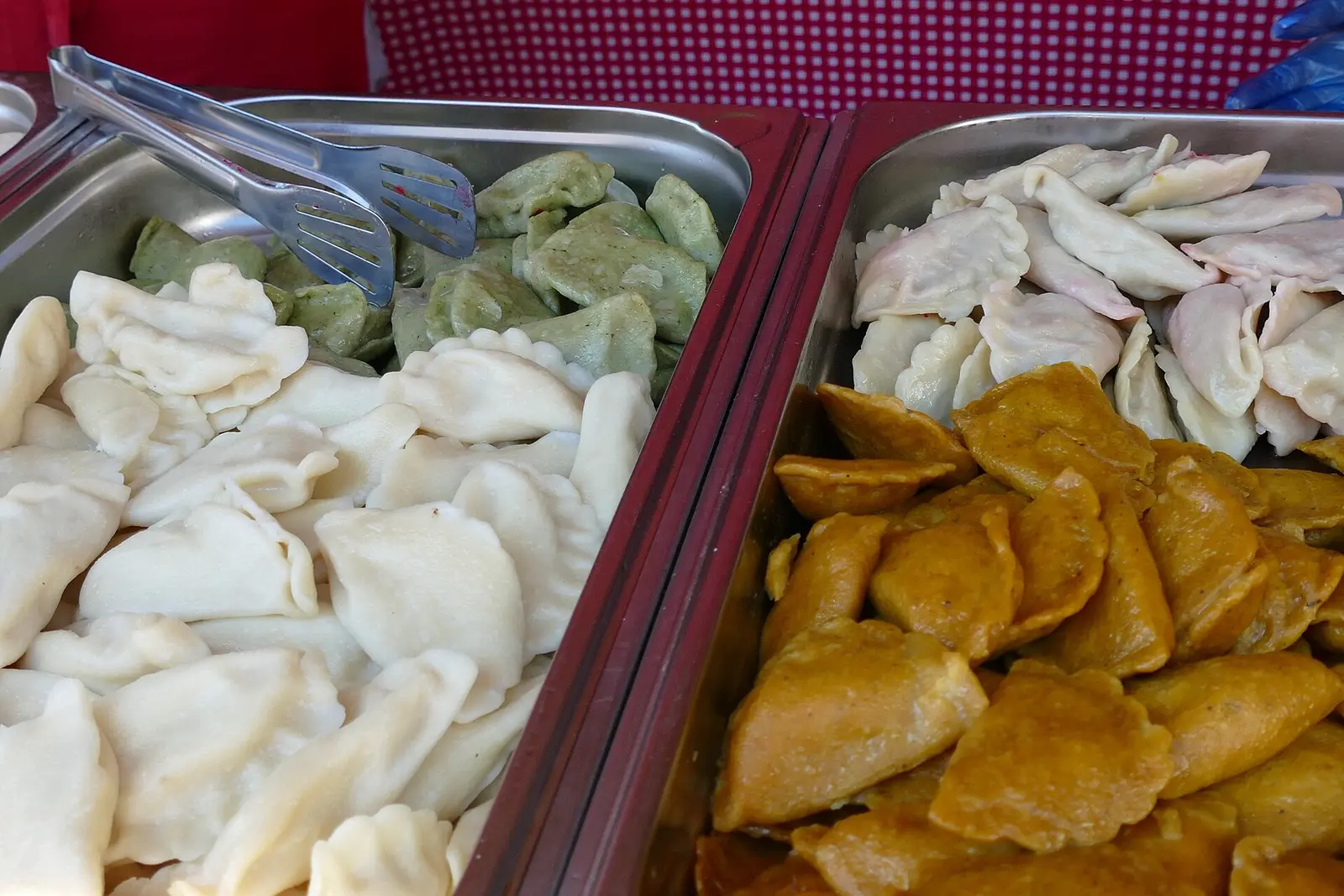
Pierogi
Pierogi · Kraków, Poland
Potato and cheese, sauerkraut and mushroom, meat, fruit; Kraków even holds a pierogi festival every summer.
Know before you go
- Don't call pierogi simply “Russian dumplings” (ruskie refers to the historical region of Red Ruthenia, not Russia)
- don't skip the queue and go straight to the counter in self-service canteens such as a milk bar (bar mleczny)
- don't waste food—a portion is quite large.
This article is Not yet verified. Please check official announcements for prices, opening hours and dates.
Culture
Culture & customs
Background
Pierogi are dumplings of unleavened dough wrapped around a filling and boiled; common fillings include potato and farmer's cheese, sauerkraut, minced meat, mushrooms, and fruit or berries, and savoury ones are often topped with sour cream or fried onions. English Wikipedia notes that their exact origin is unknown and hard to trace: dumpling-type foods probably originated in China and spread in Europe in the Middle Ages or later. One claim is that Marco Polo brought them along the Silk Road; another is that the Polish St Hyacinth (Jacek) brought them from Kievan Rus' in the 13th century; still others think they came to present-day Ukraine from the Turkic peoples. All of these are unproven claims. Every summer Kraków holds a pierogi festival on the Small Market Square, where the jury prize and the audience prize are named after St Hyacinth and King Casimir the Great respectively.
Local customs
- When ordering you can choose boiled or fried, and a portion is usually eight to ten
- "ruskie" are filled with potato and farmer's cheese and are the most classic
- sweet pierogi (such as cherry or blueberry) come with cream and sugar and can be eaten as dessert
- sauerkraut and mushroom pierogi also often appear in the meatless Christmas Eve supper.
Religion & beliefs
- In the Polish Catholic tradition, the Christmas Eve supper contains no meat, and sauerkraut and mushroom pierogi are one of the common dishes
- St Hyacinth was a Dominican friar popularly called the "patron saint of pierogi", and the stories about him are folk legend. Pierogi themselves are not a religious food.
Etiquette & taboos
Etiquette & taboos
Rules that apply here
Visit the Auschwitz Memorial respecting no-photography areas and its requirement of solemnity
Do
- Please remain respectful and follow the open route through the two camp sites
- Personal photography is generally allowed without flash or stands; check the no-photography signs on site first
- Obtain a real-name admission pass in advance from the museum's official platform
Don’t
- Do not take photos in the victims' hair exhibition room or the basement of Block 11
- Do not enter closed ruins or use drones
- Do not use the camp as a backdrop for fun selfies
The museum explicitly bans photography in certain areas and requires solemnity and respect; violating the rules may lead to being stopped or asked to leave. The exact photography boundaries follow the museum's latest notices and on-site signs.
Not yet verifiedSource: Auschwitz Memorial: basic visitor information and photography exceptions
Don’t DON'T
- Don't call pierogi simply “Russian dumplings” (ruskie refers to the historical region of Red Ruthenia, not Russia)
- don't skip the queue and go straight to the counter in self-service canteens such as a milk bar (bar mleczny)
- don't waste food—a portion is quite large.
Locals appreciate DO
- Poles appreciate guests who order several different fillings to share and taste
- saying "Smacznego" (enjoy your meal) or thanking them in Polish with "Dziękuję" will make the staff very happy. Trying sweet pierogi as a dessert is also a way locals recommend.
Plan your visit
Practical info
Travel tips
- Kraków's Old Town and Kazimierz district have many pierogi restaurants and traditional “milk bars”
- a meal takes about half an hour to an hour. The Pierogi Festival is usually held in mid-August on the Small Market Square
- check the official dates for the year. You can combine it with the Main Market Square, Wawel Castle and Kazimierz. Dietary notes: the dough contains wheat and egg
- the potato and cheese filling contains dairy
- meat fillings are mostly pork or beef
- the topping is often pork cracklings (skwarki), so tell the staff if you do not eat pork or are vegetarian
- sweet pierogi are quite sugary. Milk bars are inexpensive and good for a simple lunch. Prices and opening hours are set by each restaurant
- popular old shops often have queues, so going outside peak mealtimes is more relaxed.
Sources & verification notes
How do you like this place?
More nearby
Also in Poland
Nearby sights
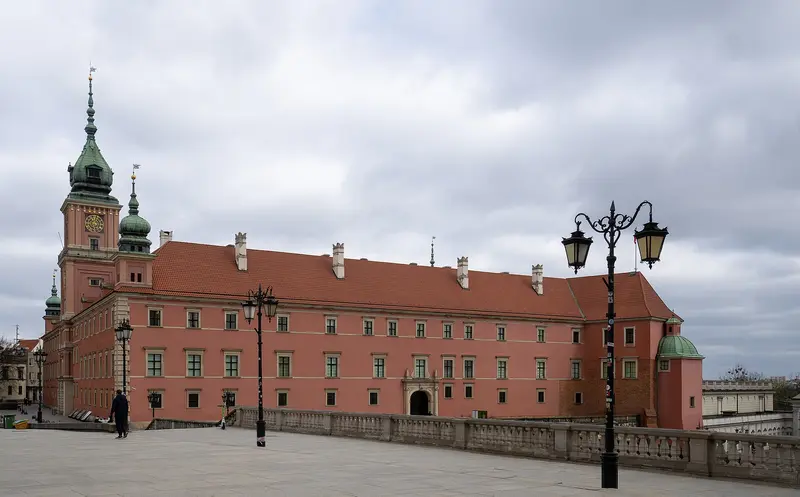
Royal Castle, Warsaw
Read Polish national history in the rebuilt Royal Castle, and tell Castle Square apart from the visitor routes inside.
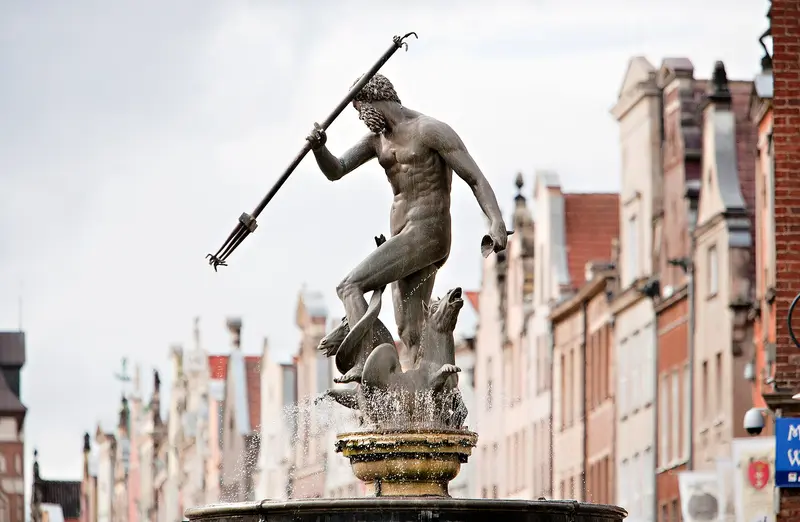
Gdańsk
Neptune's Fountain on the Long Market is Gdańsk's best-known landmark; the colourful townhouses around it, Artus Court and the Main Town Hall re…
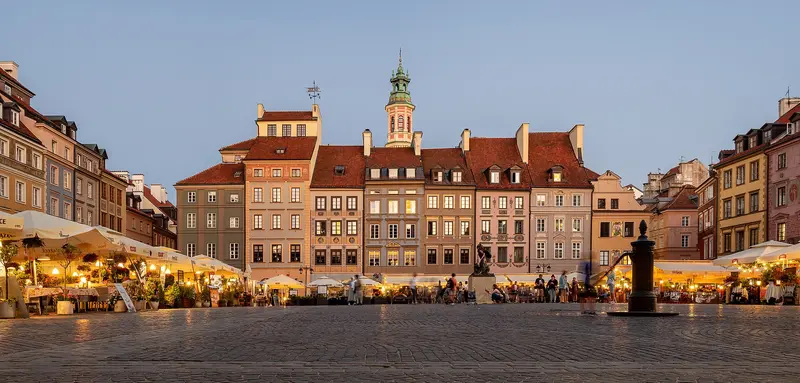
Warsaw Old Town
The Old Town Market Square ringed by colourful townhouses, the Mermaid statue at its centre, the Royal Castle, the city walls and the Barbican: …
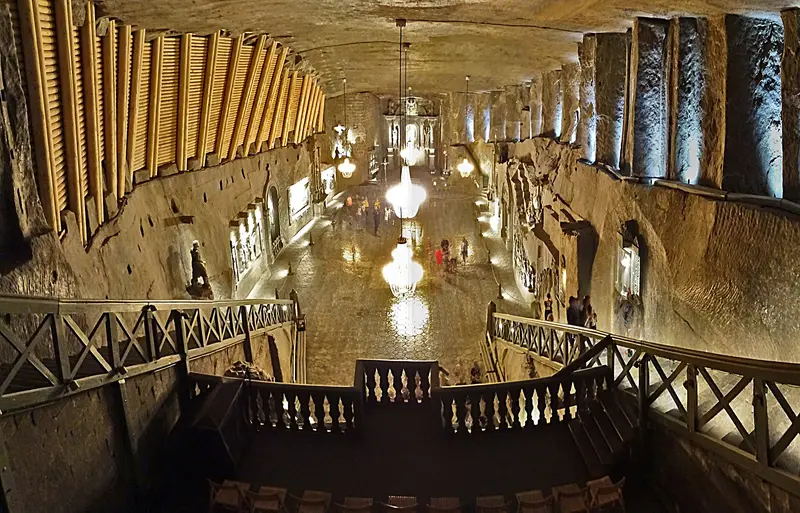
Wieliczka Salt Mine
A royal salt mine worked from the 13th century, 327 metres deep with more than 287 km of passages; its underground chapels, salt sculptures and …
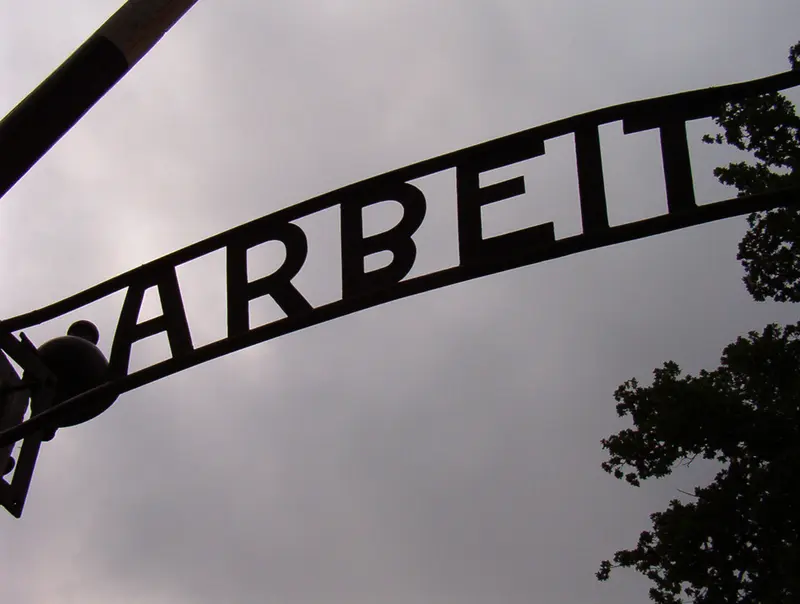
Auschwitz-Birkenau Memorial and Museum
The site of a Nazi German concentration and extermination camp where at least 1.1 million people were killed; preserved as a memorial and museum…
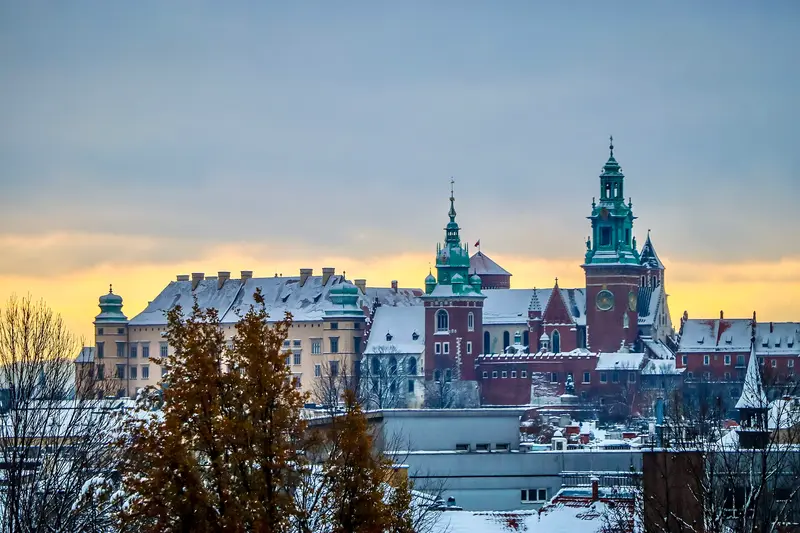
Kraków Old Town & Wawel Castle
Main Market Square, about 3.79 hectares, is often called one of the largest medieval squares in Europe; the castle and cathedral on Wawel Hill a…
Local legends
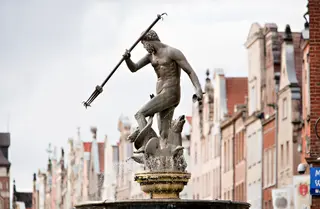 GdańskNeptune and the GoldwasserLegend says that people threw gold coins into the fountain, angering Neptune, who struck the wat…
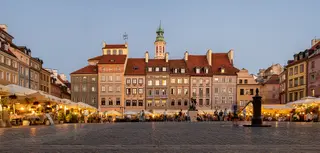 Warsaw Old TownThe mermaid who guards WarsawLegend says a mermaid stopped to rest on a riverbank near the Old Town, tangling the fishermen's…
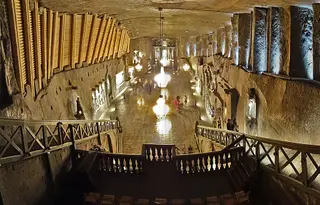 Wieliczka Salt MineSt Kinga's ringLegend has it that before the Hungarian princess Kinga married into Poland, she threw her engage…
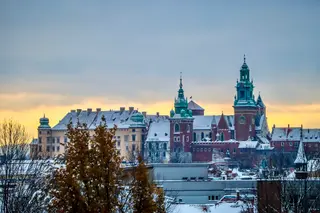 Kraków Old Town & Wawel CastleThe Wawel DragonLegend has it that a dragon lived in a cave below Wawel Hill and terrorised the area. In a widel…