
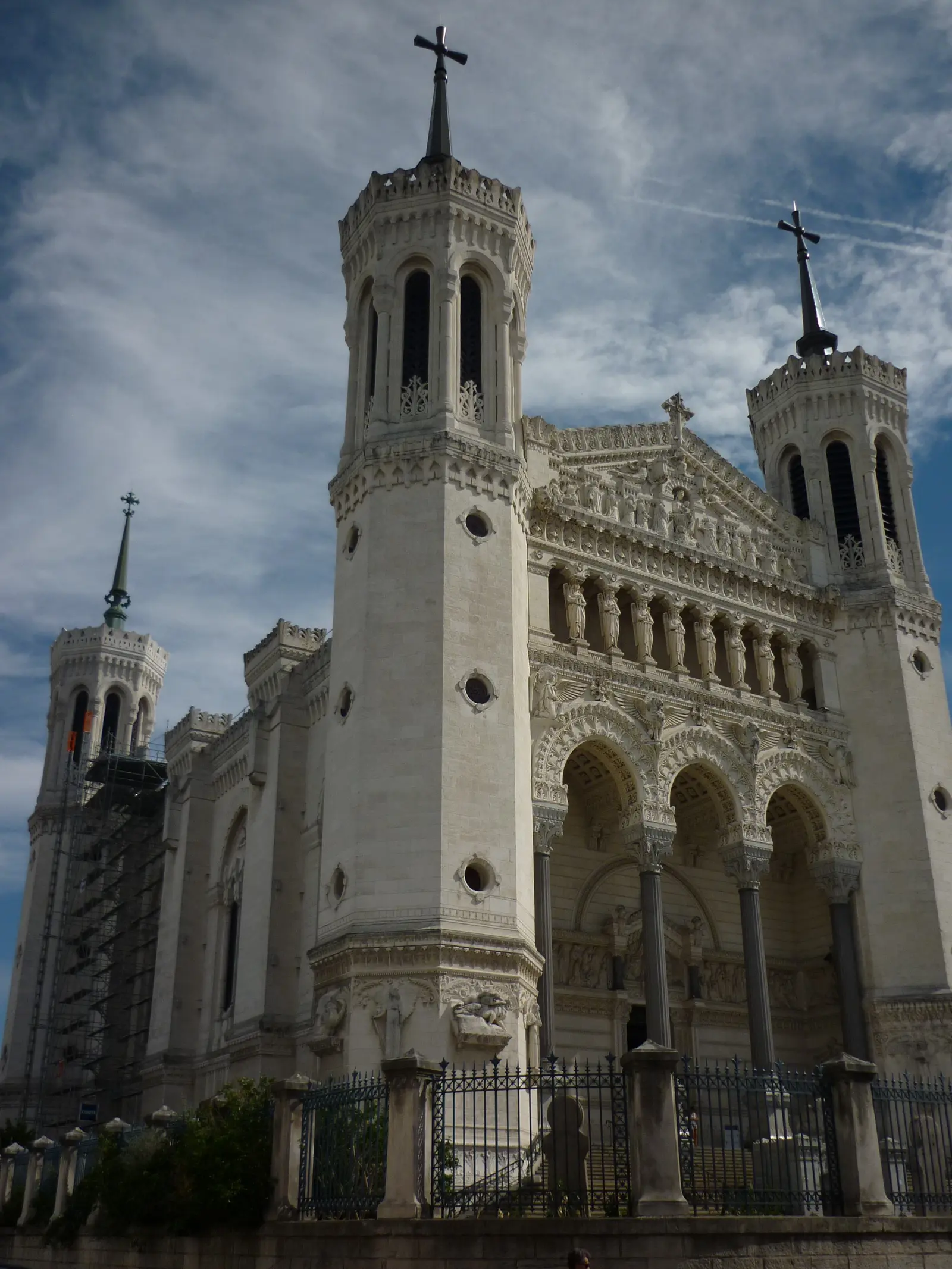
Basilica of Notre-Dame de Fourvière
Basilique Notre-Dame de Fourvière · Fourvière hill, Lyon, France
Look over Lyon from the basilica on top of Fourvière hill, and read the history of 19th-century religion and city building.
Know before you go
- Do not give loud commentary or use flash during services
- do not assume that free entry to the main church means all special areas are free
- do not promise that the hilltop view will be clear in any weather.
This article is Not yet verified. Please check official announcements for prices, opening hours and dates.
Culture
Culture & customs
Background
The Basilica of Notre-Dame de Fourvière stands on the hill on the west side of Lyon, a landmark easy to pick out from Vieux-Lyon and from between the two rivers. Church sources record that its foundation stone was laid in 1872 and it was consecrated in 1896; this timeline shows how long the work took better than the vague phrase “built in the 19th century”. The basilica is linked to an older tradition of prayer on the hill and has also become part of Lyon's modern skyline. UNESCO's description of the Historic Site of Lyon lists it as one of the historic buildings, but Lyon's World Heritage site covers several districts, and the basilica is not a separate World Heritage listing. You can understand your visit from three angles: the façade, the interior decoration and the hilltop view.
Local customs
- The basilica is a Catholic place still in use, so check the day's services and visitor guidance before going in. The main church and the lower worship space may have different opening arrangements
- rooftop visits or themed guided tours follow the separate booking instructions. Visitors often linger at the hilltop viewpoint, so please leave room in the passage for others and for pilgrims.
Religion & beliefs
- During Mass or prayers, lower your voice, turn off your flash and follow on-site photography restrictions
- dress appropriately. Show respect for religious images and worshippers, and do not treat a ceremony in progress as a backdrop for posed photos.
Etiquette & taboos
Etiquette & taboos
Don’t DON'T
- Do not give loud commentary or use flash during services
- do not assume that free entry to the main church means all special areas are free
- do not promise that the hilltop view will be clear in any weather.
Locals appreciate DO
- Take the F2 funicular up from Vieux-Lyon
- check the service schedule before entering the basilica
- take in the city panorama after you come out
- if you have time, walk down by the garden paths.
Plan your visit
Practical info
Travel tips
- Allow 45–75 minutes for the main church and the views outside
- if you also visit the lower church, the museum or join a guided tour, allow at least another 30–60 minutes, adjusting to the actual official opening arrangements. The official address is Place de Fourvière, Lyon 5th arrondissement, and you can reach it by the F2 funicular from Vieux-Lyon station
- if you prefer to walk, you can go up via the rose garden—the basilica's reference walking time is about 25 minutes, but the slope is steep. The main church and the lower worship space are usually free to enter, while the museum and special tours may have their own rules
- opening times differ between areas and may change at short notice for religious events. The basilica is not the same as the nearby Roman theatre
- you can visit both on the same day, but allow time for each. Rain or thick fog will affect the view, so check the weather and the funicular and basilica notices for the day before setting out.
How do you like this place?
More nearby
Also in France
Nearby sights
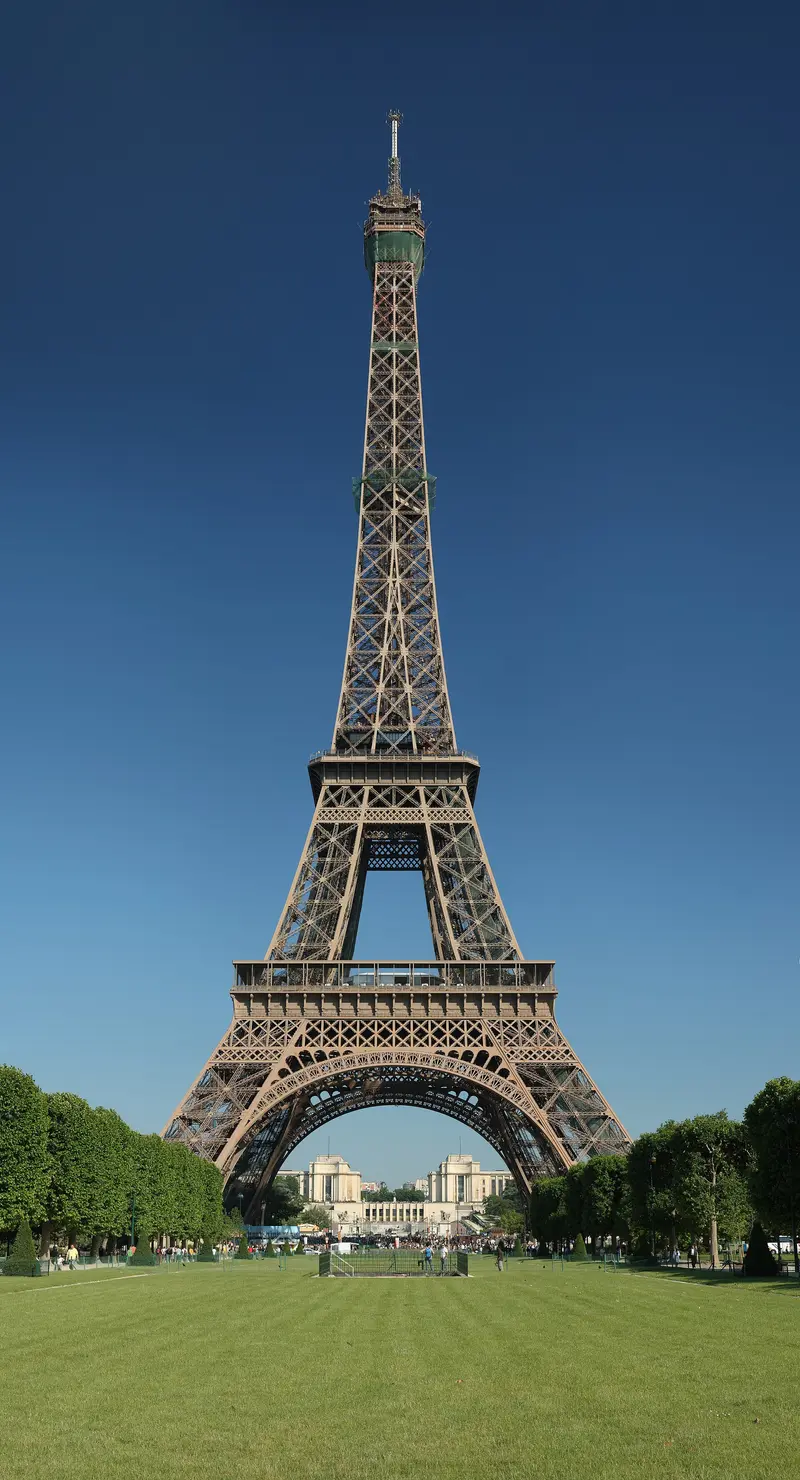
Eiffel Tower
The 'Iron Lady' on the Seine, Paris's irreplaceable city totem
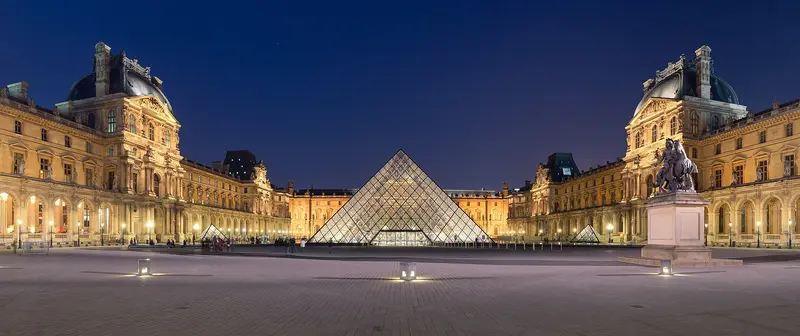
Louvre
A medieval palace turned into the world's largest temple of art, where 'the Mona Lisa's smile' awaits you
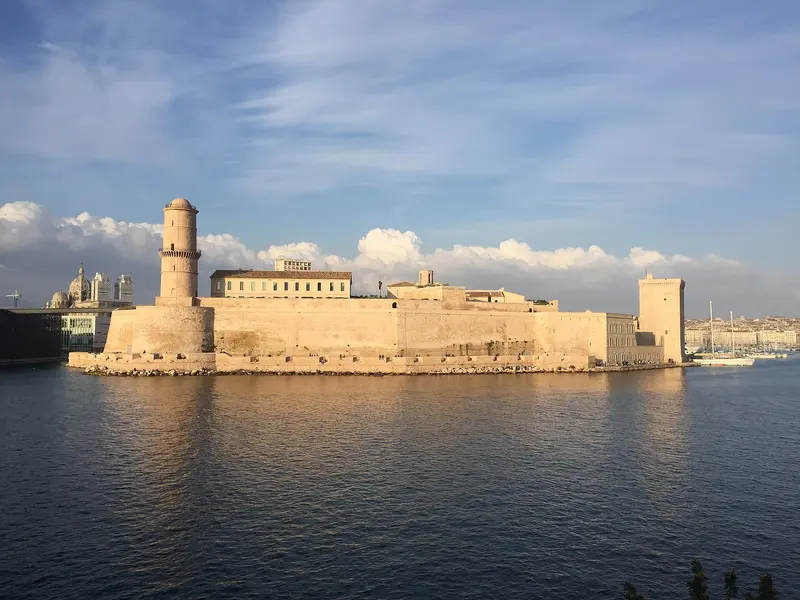
Museum of European and Mediterranean Civilisations (Mucem)
Walk from the J4 building to Fort Saint-Jean, linking the exhibitions with the historic spaces at the entrance to the Old Port.
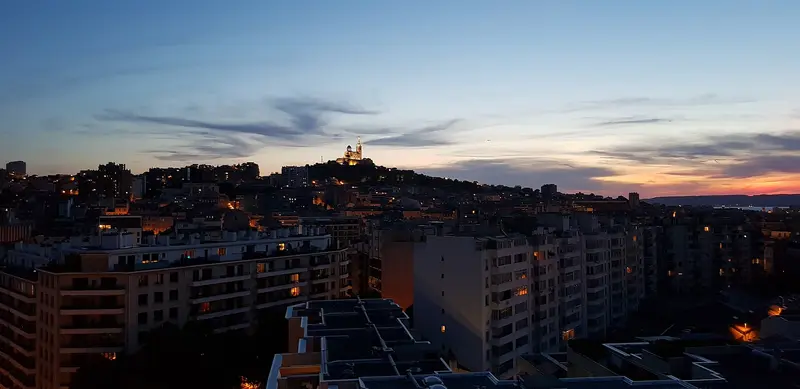
Basilica of Notre-Dame de la Garde
Look over the harbour from high above Marseille, and understand the bond between a seafaring city and its devotion to Our Lady of the Guard.
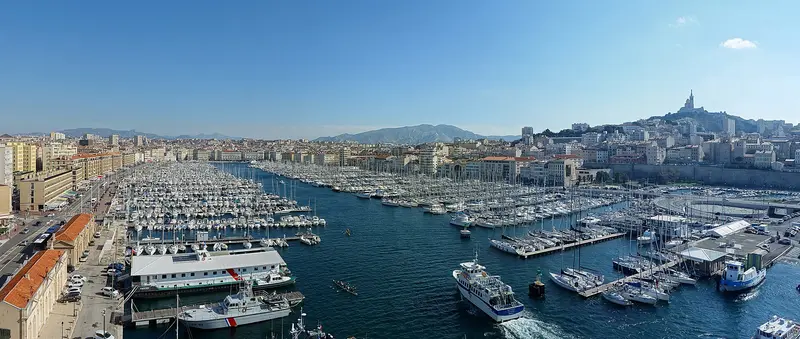
Old Port of Marseille
Follow the quays of the Old Port to see the city axis that has run from the ancient port town to the Marseille of today.
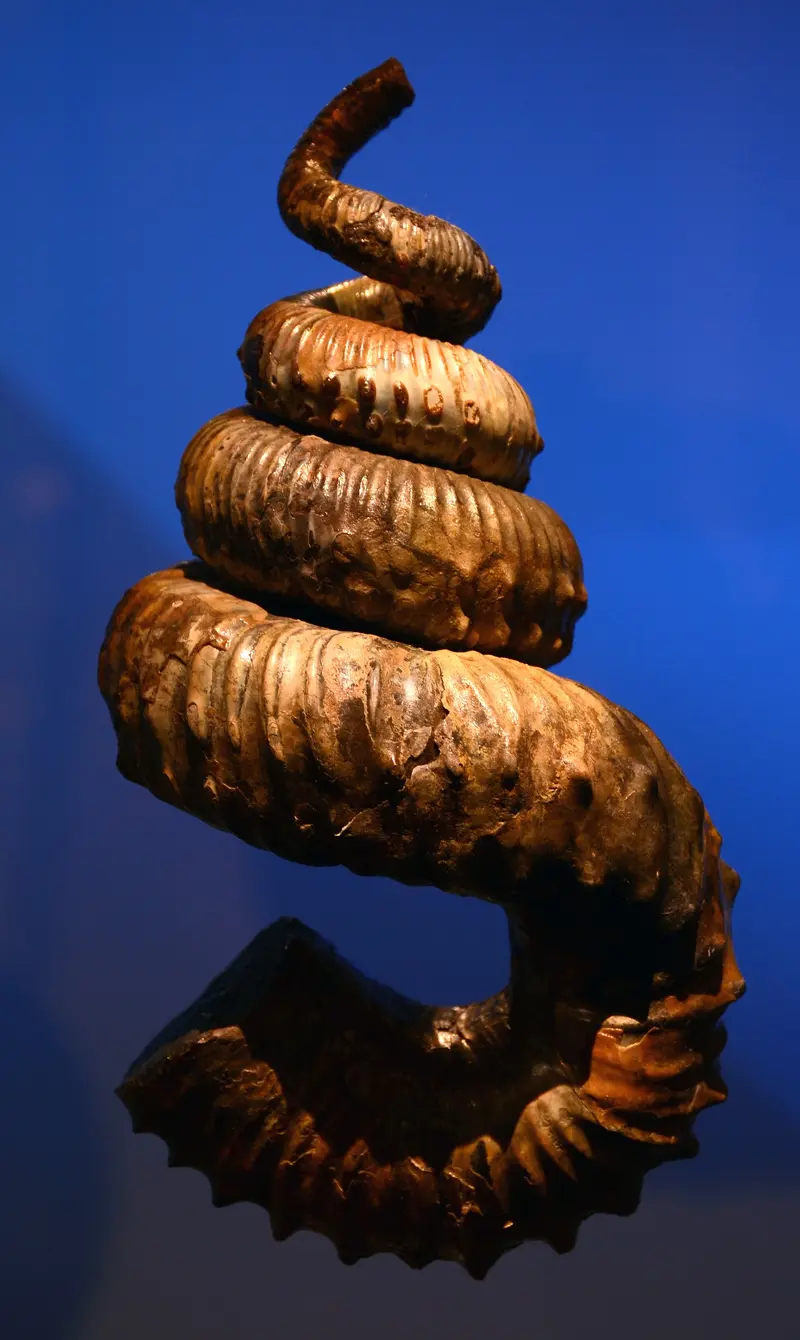
Musée des Confluences, Lyon
At the meeting of the Rhône and the Saône, explore the relationship between humanity and the world through natural history and anthropology coll…
Local legends
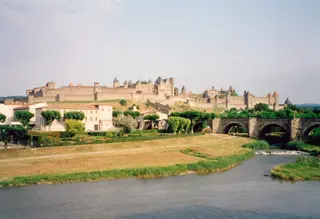 Cité de CarcassonneLady Carcas rings the bellsLegend says Charlemagne's army besieged the city for five years. With food running out, Lady Car…
 Montmartre and Sacré-CœurSaint Denis Carrying His HeadLegend has it that Saint Denis, patron saint of Paris, was beheaded on the summit of Montmartre,…
 Mont Saint-MichelStories of Mont Saint-MichelThe legend (labelled as church tradition) dates to 708: Aubert, Bishop of Avranches, dreamed tha…