

City guide · Lyon
Lyon
Read two thousand years of Lyon along Fourvière Hill, the Renaissance old town and the silk-weavers' district
Between the Saône and the Rhône, Lyon has a walkable peninsula; the old town on the west bank preserves Renaissance streets, and on Fourvière Hill you can make out the remains of an even earlier Roman city. Walking the hill, the old town and the Croix-Rousse silk-weavers' district in separate stages shows you how the same city expanded in different periods. Also worth visiting in the city: the Basilica of Notre-Dame de Fourvière, the traboules of the old town, the Musée des Confluences and Place Bellecour. Most traboules pass through inhabited buildings, so enter only where signs indicate they are open and keep quiet. These sites are spread across the hill, the old town and the Confluence district, so it is best to visit them at different times of day.
History
How the city came to be
Lyon's urban history can be read starting from the Roman remains on Fourvière Hill. In the 1st century BC the Romans founded Lugdunum here, which later became an important administrative centre for the Three Gauls; the ancient theatre on the hill keeps this period visible in space. In the Middle Ages the city gradually developed along both banks of the Saône; in the Renaissance the old town flourished through trade and fairs, and its narrow streets, inner courtyards and the traboules linking two streets preserve the urban fabric of that time. The peninsula between the Rhône and the Saône became the centre of commerce and public life. In the 19th century, the silk workers of the Croix-Rousse hill used tall spaces designed for looms, and the silk industry left Lyon another kind of neighbourhood form. In 1998 the historic areas of Fourvière, the old town, the peninsula and the Croix-Rousse were jointly inscribed as a World Heritage Site. Today the Confluence district extending south contrasts with the historic city, and routes that cross the rivers, climb the hill and go on foot help you understand how the city grew with its terrain.
- 1st century BCThe Romans founded Lugdunum, which later became an important centre of the Three Gauls.
- Middle AgesA steadily expanding city formed along both banks of the Saône.
- RenaissanceTrade, inner courtyards and traboules in the old town shaped the streets you see today.
- 19th centuryThe Croix-Rousse silk industry and its workers' neighbourhoods continued to grow.
- 1998The Historic Site of Lyon was inscribed on the UNESCO World Heritage List.
- 21st centuryThe cultural buildings of the Confluence district became a contemporary urban layer beyond the old town.
Must see
Places you shouldn’t miss

Musée des Confluences, Lyon
At the meeting of the Rhône and the Saône, explore the relationship between humanity and the world through natural history and anthropology coll…
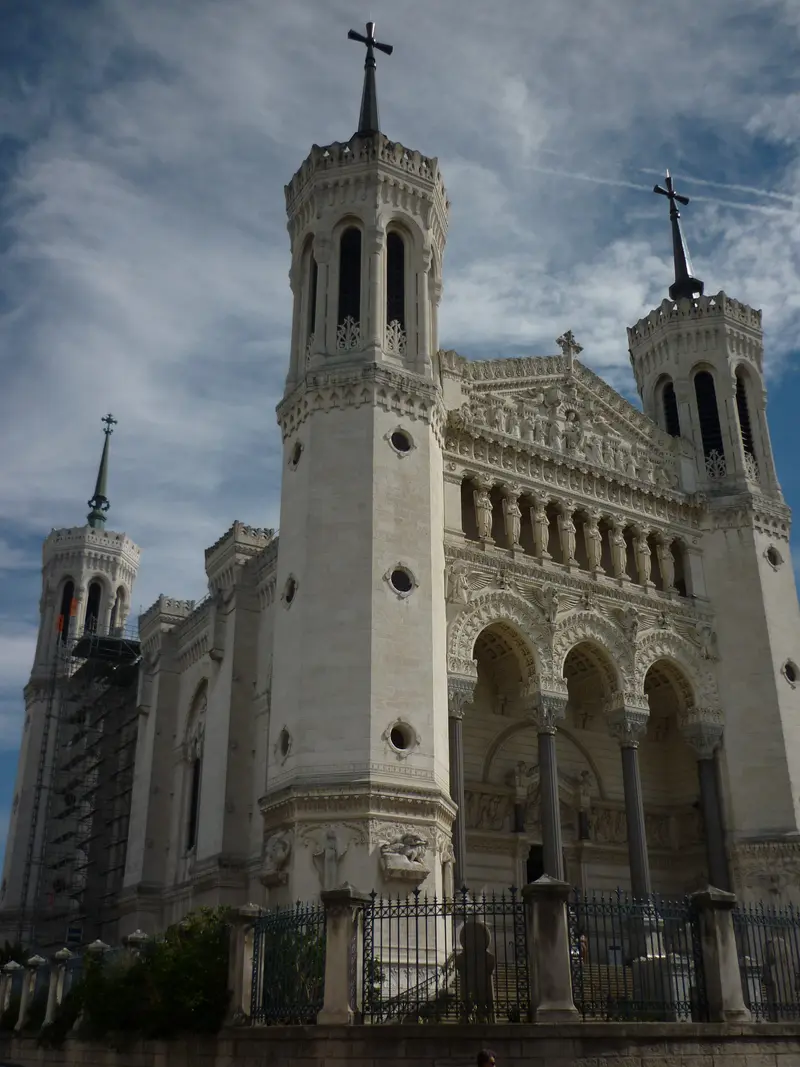
Basilica of Notre-Dame de Fourvière
Look over Lyon from the basilica on top of Fourvière hill, and read the history of 19th-century religion and city building.
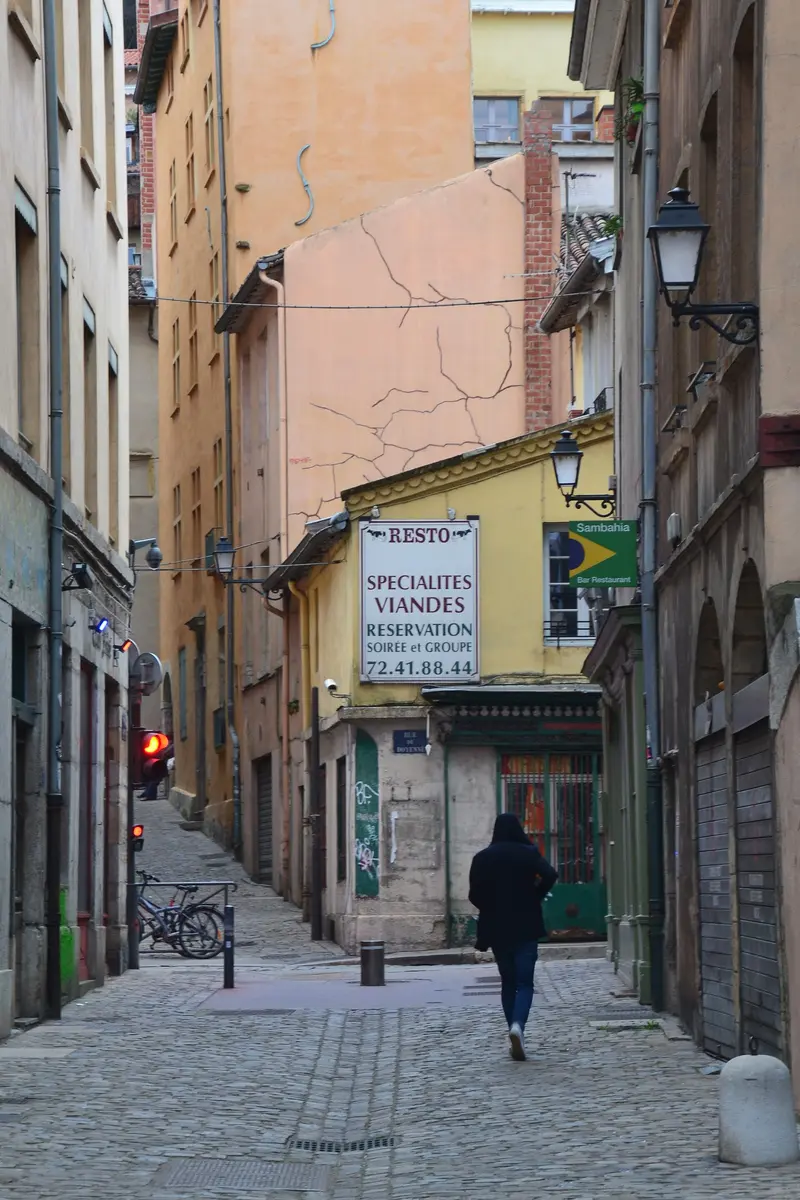
Vieux-Lyon
Wander the old-town lanes on the west bank of the Saône and see how a medieval street plan coexists with Renaissance mansions.
Before you go
Rules to know in Lyon
France: Check the signs before taking photos; no flash or selfie sticks
Do
- In permanent galleries, handheld photos for personal, non-commercial use are allowed
- Check the signs at temporary exhibitions, which often ban all photography for copyright reasons
- Put your camera away in rooms marked with a no-photo sign
- Check each museum's official rules on large bags and the cloakroom
Don’t
- Don't use flash at any time; strong light can damage old paintings and artefacts
- Don't bring a selfie stick to the Louvre or other museums that ban them
- Don't block paintings or walkways for long
- Don't touch the exhibits
Security staff enforce the flash and selfie-stick bans; you will be stopped, and banned equipment may have to be checked in or left behind.
Verified Oct 19, 2026Source: American Friends of the Louvre: FAQ
France: Keep your voice down in public and never jump the queue
Do
- Queue patiently and leave a little space in front of you
- Speak quietly on public transport and in museums and libraries
- Let passengers off first and don't block doors or aisles
- Keep to the right on pavements and escalators
- Offer your seat to older people, pregnant women and people with disabilities
- Say Bonjour to staff when you enter a bakery or shop
Don’t
- Don't cut in or push
- Don't take calls or play music on speaker
- At markets, don't pick produce yourself; let the vendor choose for you
Cutting in or being loud won't get you fined, but it is considered rude. Some guides note that queues at stations or markets can be looser; still wait your turn and don't push.
Verified Oct 19, 2026Source: We3Travel: 16 French etiquette tips for Paris
France: Say Bonjour when you enter a shop; friends greet with la bise
Do
- Say Bonjour when you enter a shop and Au revoir when you leave
- Friends and acquaintances greet with la bise, a light touch of cheeks
- The number of kisses varies by region; follow the other person's lead or go with two
- In formal business settings and first meetings, use a brief, firm handshake
- Use vous with new acquaintances, elders and service staff; switch to tu only when invited
Don’t
- Don't start asking a shop assistant questions without greeting them
- Don't initiate la bise in business settings or at a first meeting
- Don't hug strangers
Nobody will penalise you, but skipping the greeting in a shop is seen as rude, and getting la bise wrong shows you don't know local ways. Two kisses are usual in Paris and the north, three in parts of the south, and customs vary elsewhere.
Verified Oct 19, 2026Source: La Minute Française: Guide to la bise
France: Dress modestly in churches and remove your hat
Do
- Dress modestly, covering shoulders, knees and midriff
- Take off your hat, silence your phone and keep your voice low inside
- In summer, carry a light scarf to cover your shoulders when needed
- Check the signs before taking photos; ask staff if unsure
Don’t
- Don't walk in front of people who are praying
- Don't touch statues or eat inside the church
- Don't use flash or take photos where it is forbidden
French churches rarely check clothing at the door, but revealing outfits are seen as disrespect toward a place of worship, and some churches may require modest dress and refuse entry to those who are not. Follow the notice at the door or the church's website.
Verified Oct 19, 2026Source: Viator: Know before you go to Notre-Dame
France: Put bread on the tablecloth and tear it by hand
Do
- Wait until everyone is served and the host says Bon appétit
- Put your bread straight on the tablecloth beside your plate
- Tear off bite-sized pieces by hand
- Rest your wrists on the table edge with your hands in view
- Make eye contact when toasting and say Santé
- Ask for une carafe d'eau for free tap water
Don’t
- Don't put bread on your plate or cut it with a knife
- Don't bite into a whole piece of bread
- Don't plant your elbows on the table during the meal
- Don't cut lettuce with a knife; fold it into a small parcel with your fork
- Don't switch your fork to your right hand after cutting, American-style
Nothing happens if you slip up, but you will come across as unfamiliar with French table manners. Tap water is free; bottled water is charged.
Verified Oct 19, 2026Source: La Minute Française: French dining etiquette
France: Service is included in the price, so tipping is optional
Do
- Look for "service compris" (service included) on the menu or bill
- If service was good, you can leave a small tip (pourboire) as thanks
- Round up to the nearest euro for coffee; leave €1–2 per person at ordinary restaurants
- At upscale restaurants, leave 5%–10% for especially attentive service
- Tip in cash where possible, so it is sure to reach your server
Don’t
- Don't assume you must pay an extra service charge; it is already in the price
- Don't wait for the bill to arrive on its own; signal when you are ready to pay
Tipping is entirely voluntary and not tipping is not rude; knowing what "service compris" means saves you from paying twice. French law requires restaurant prices to include service (commonly said to be about 15%), and meals are unhurried, so servers rarely bring the bill unasked.
Verified Oct 19, 2026Source: AFAR: When and how much to tip in France
How do you like this place?
More cities in France
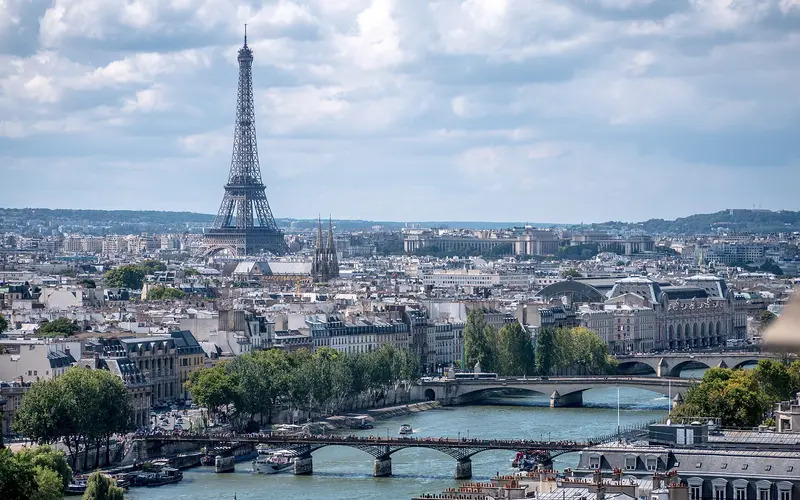
Paris
Paris
7 places
From an island in the Seine to the 'City of Light': Notre-Dame, the Louvre and the Eiffel Tower

Nice
Nice
3 places
Along the old town and the seafront promenade, understand Nice's journey from winter resort to modern city
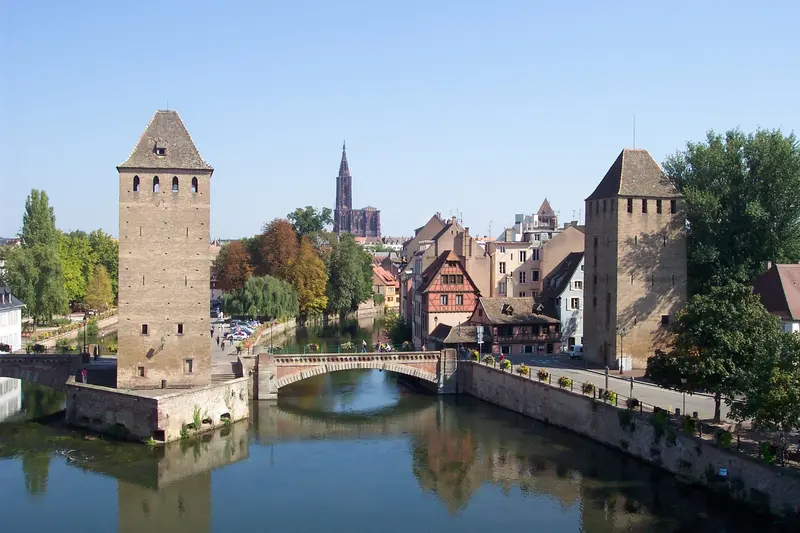
Strasbourg
Strasbourg
2 places
Between the Grande Île, the Neustadt and the European Quarter, understand a border city on the Rhine
Marseille
Marseille
3 places
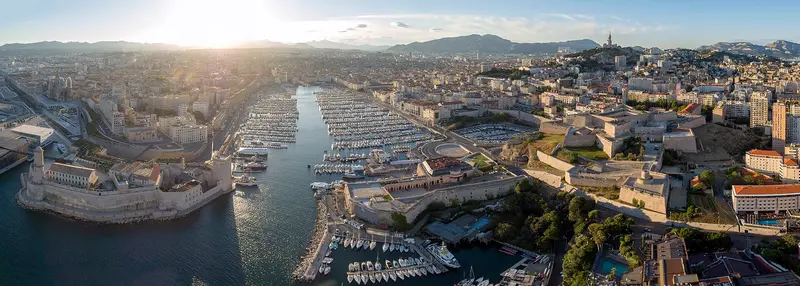
From the ancient Greek harbour to Notre-Dame de la Garde and MuCEM

Bordeaux
Bordeaux
2 places
Walk along the Garonne into the Port of the Moon to understand a merchant port, urban renewal and wine culture