
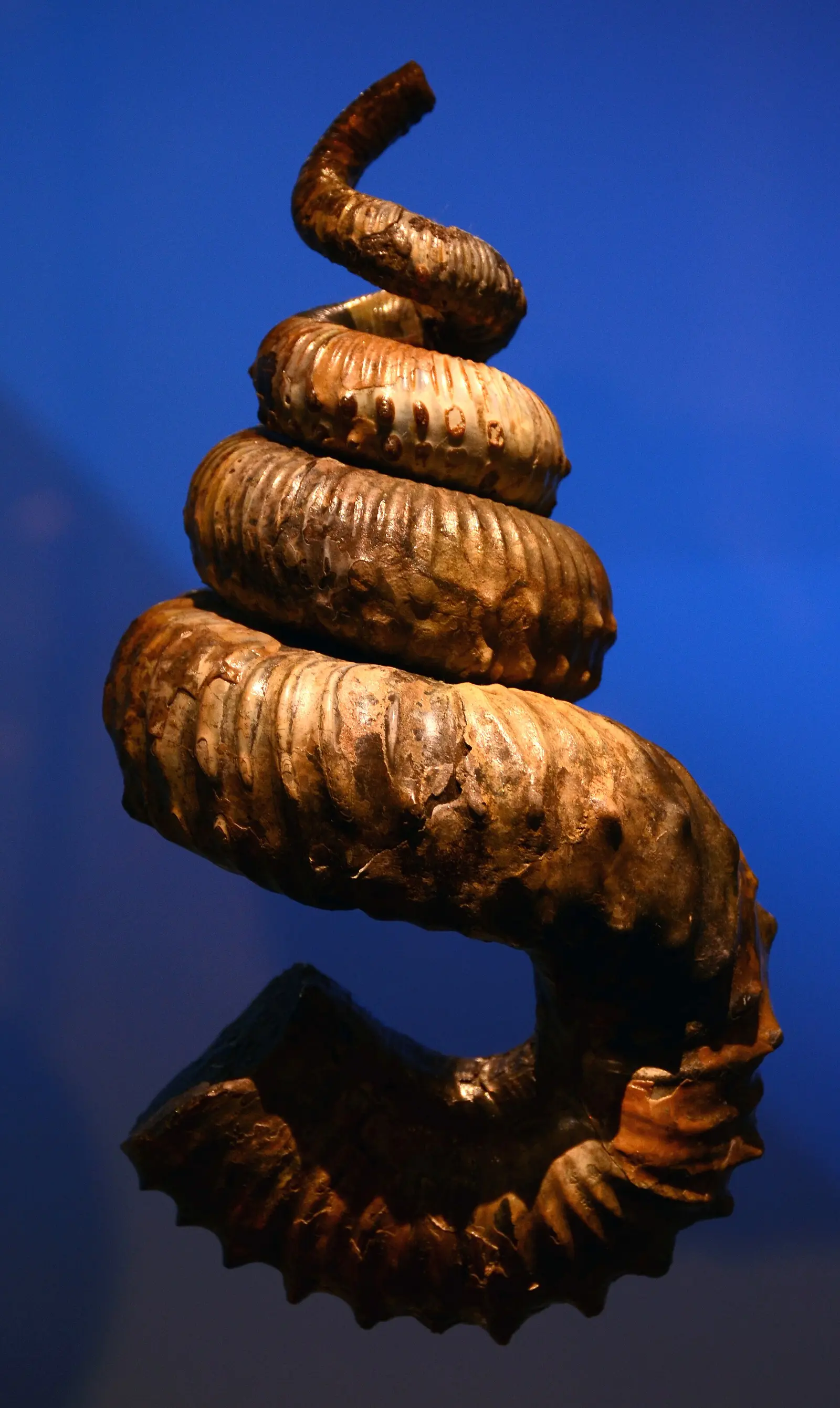
Musée des Confluences, Lyon
Musée des Confluences · Confluence district, Lyon, France
At the meeting of the Rhône and the Saône, explore the relationship between humanity and the world through natural history and anthropology collections.
Know before you go
- Do not touch exhibits without an interactive sign
- do not describe temporary exhibits as part of the permanent collection
- do not use photos of the building's exterior as a substitute for verifying image rights for exhibits, and do not describe any gallery as allowing flash photography without conditions.
This article is Not yet verified. Please check official announcements for prices, opening hours and dates.
Culture
Culture & customs
Background
The Musée des Confluences stands at the southern tip of Lyon's Presqu'île, near the confluence of the Rhône and the Saône. The museum explains that its collections inherit material gathered by earlier institutions such as Lyon's natural history museum and the Musée Guimet, spanning natural sciences, anthropology and social history. The new museum opened on 20 December 2014; the permanent exhibition is divided into several themes, dealing with the origins of life, how societies work, and humanity's relationship with death and with other living beings. It is not a museum simply about the geography of the two rivers, nor should every object in the collection be described as permanently on display. The modern building is striking in itself, but photo licences and architectural copyright must be checked separately.
Local customs
- First check the museum's exhibition layout for the day and temporary exhibition bookings, then choose the order of the permanent galleries according to your interests. Rules on touching and photographing specimens, artefacts and interactive installations may differ, so follow the gallery signs. The museum has different entrance arrangements for wheelchairs, pushchairs and so on
- if someone in your group has limited mobility, check the accessibility information first.
Religion & beliefs
- This is a museum spanning natural sciences and anthropology, with no uniform religious etiquette for entry
- when it comes to beliefs, burial customs and ritual objects from different cultures, read the labels with respect and do not reduce the background of exhibits to sensational stories.
Etiquette & taboos
Etiquette & taboos
Don’t DON'T
- Do not touch exhibits without an interactive sign
- do not describe temporary exhibits as part of the permanent collection
- do not use photos of the building's exterior as a substitute for verifying image rights for exhibits, and do not describe any gallery as allowing flash photography without conditions.
Locals appreciate DO
- Start with the themes of the permanent exhibition, then choose temporary exhibitions
- leave time for labels and interactive content
- if you have children with you, choose galleries suited to their age
- when you reach the riverbank, identify the two rivers and the position of the Presqu'île.
Plan your visit
Practical info
Travel tips
- To see only the riverbank and the entrance building from outside, allow 20–30 minutes
- for the permanent exhibition, allow at least 1.5–2.5 hours, plus extra time for temporary exhibitions or family activities. The museum's address is 86 quai Perrache, Lyon 2nd arrondissement, and you can take the T1 tram to the “Musée des Confluences” stop
- if coming from Vieux-Lyon or Fourvière hill, allow extra time to cross the city rather than squeezing all three into a short slot. The museum currently lists opening from Tuesday to Sunday, with extended or adjusted hours on some dates, but public holidays, exhibition changeovers and transport works can all change your visit on the day, so check the official website before setting out. The museum gives separate entrance information for individuals, groups and visitors with limited mobility
- if you have a pushchair or need an accessible route, arrive by the entrance listed on the website. The cover photo shows a natural history specimen inside the museum, clearly not the building's exterior, to avoid reuse-rights issues with panoramic photos of contemporary French architecture.
How do you like this place?
More nearby
Also in France
Nearby sights
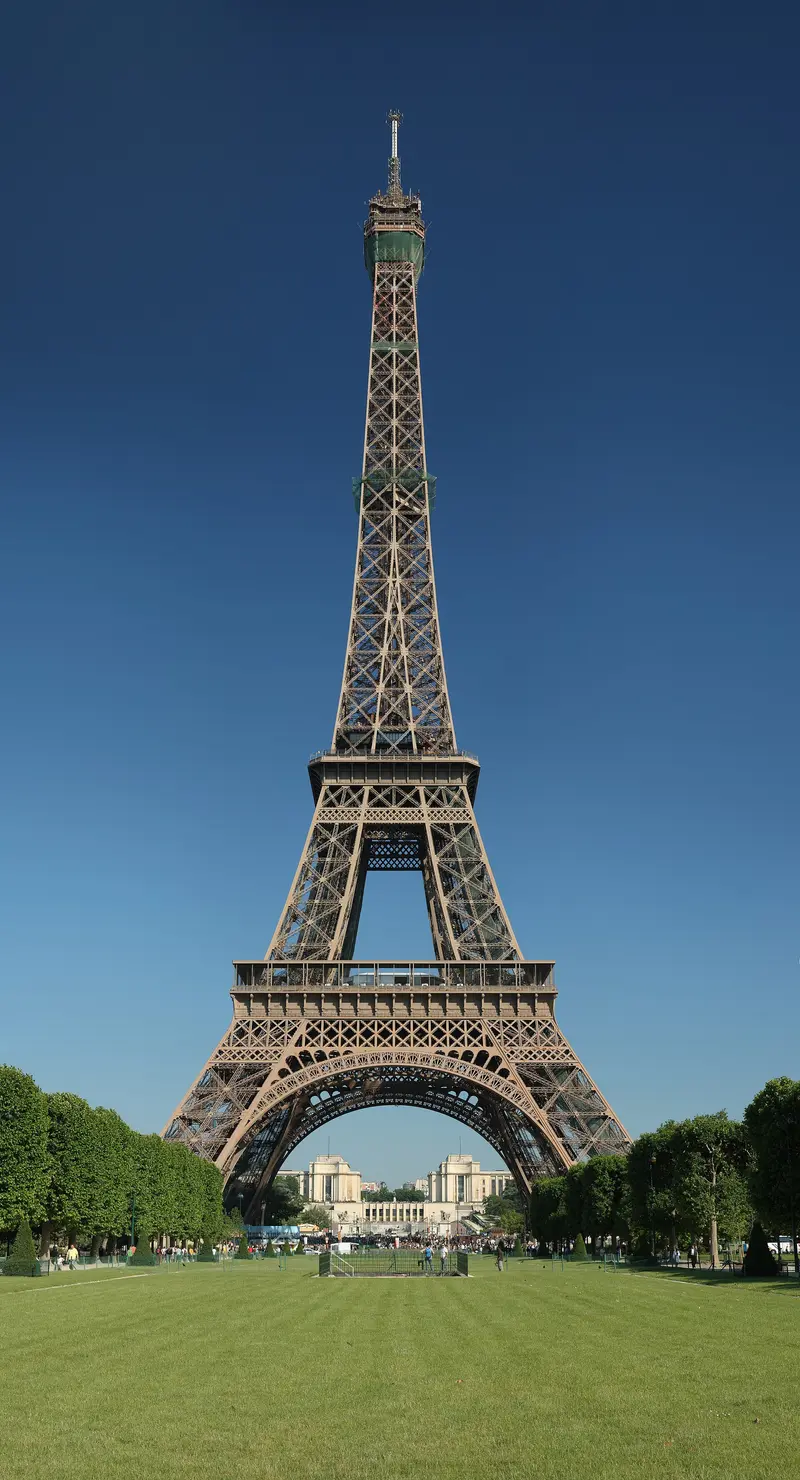
Eiffel Tower
The 'Iron Lady' on the Seine, Paris's irreplaceable city totem
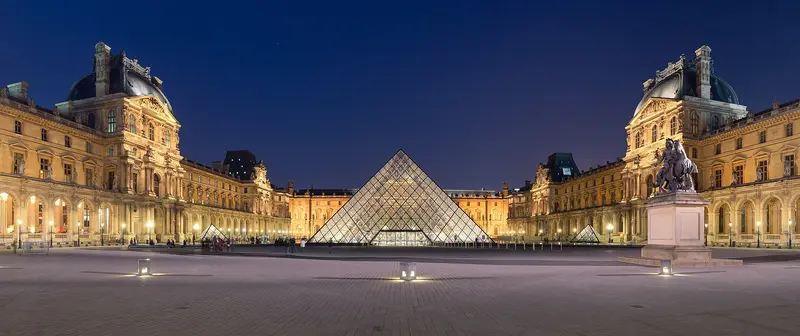
Louvre
A medieval palace turned into the world's largest temple of art, where 'the Mona Lisa's smile' awaits you
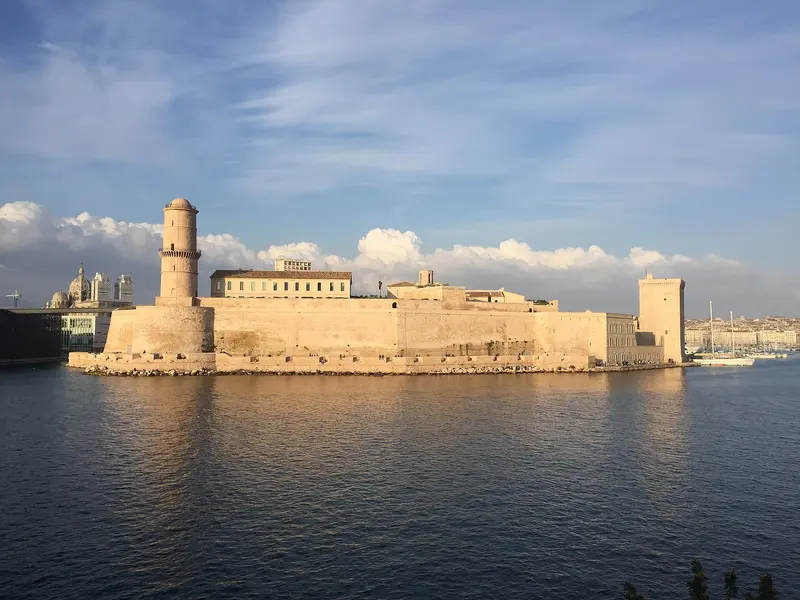
Museum of European and Mediterranean Civilisations (Mucem)
Walk from the J4 building to Fort Saint-Jean, linking the exhibitions with the historic spaces at the entrance to the Old Port.
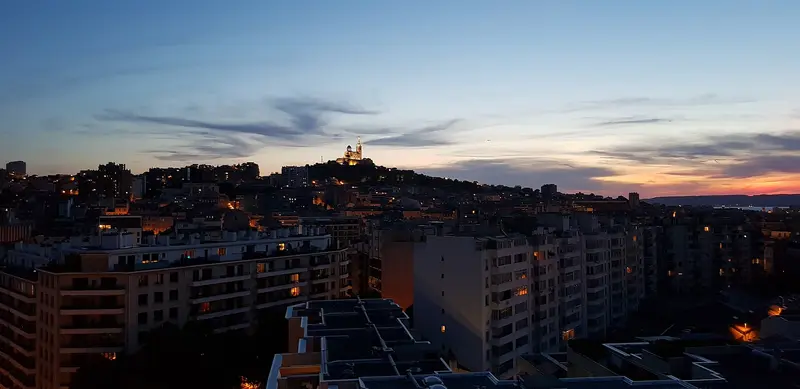
Basilica of Notre-Dame de la Garde
Look over the harbour from high above Marseille, and understand the bond between a seafaring city and its devotion to Our Lady of the Guard.
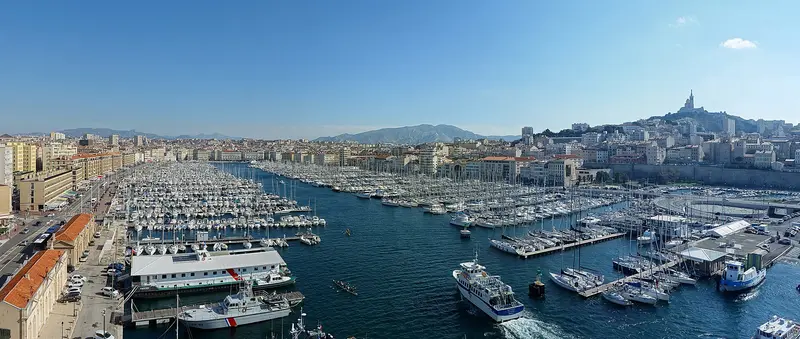
Old Port of Marseille
Follow the quays of the Old Port to see the city axis that has run from the ancient port town to the Marseille of today.
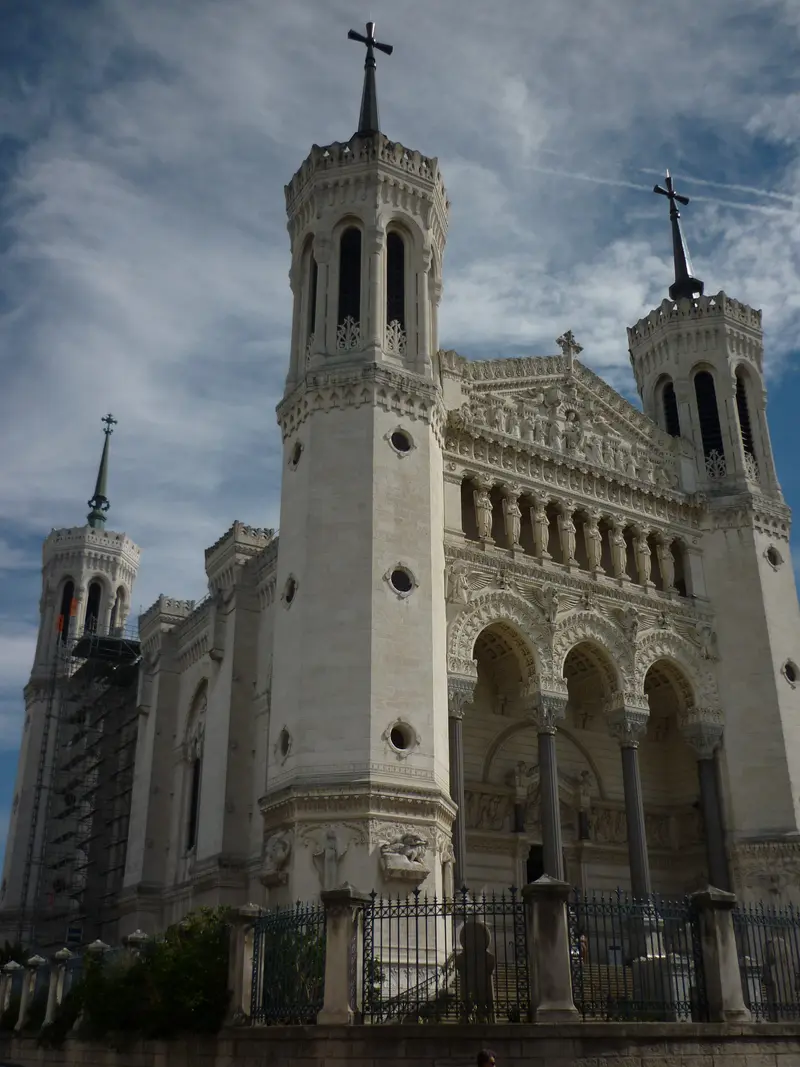
Basilica of Notre-Dame de Fourvière
Look over Lyon from the basilica on top of Fourvière hill, and read the history of 19th-century religion and city building.
Local legends
 Cité de CarcassonneLady Carcas rings the bellsLegend says Charlemagne's army besieged the city for five years. With food running out, Lady Car…
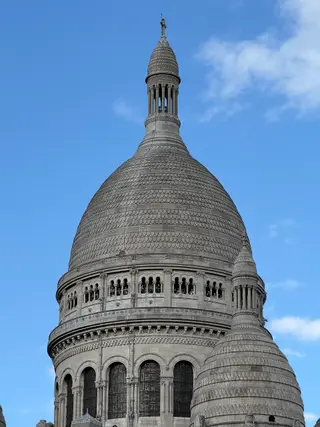 Montmartre and Sacré-CœurSaint Denis Carrying His HeadLegend has it that Saint Denis, patron saint of Paris, was beheaded on the summit of Montmartre,…
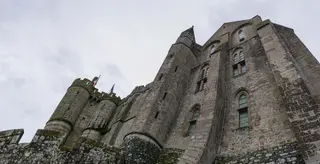 Mont Saint-MichelStories of Mont Saint-MichelThe legend (labelled as church tradition) dates to 708: Aubert, Bishop of Avranches, dreamed tha…