
City guide · 부산 Busan
Busan
Korea's largest port, where colourful hillside villages look down on the sea and the fish market
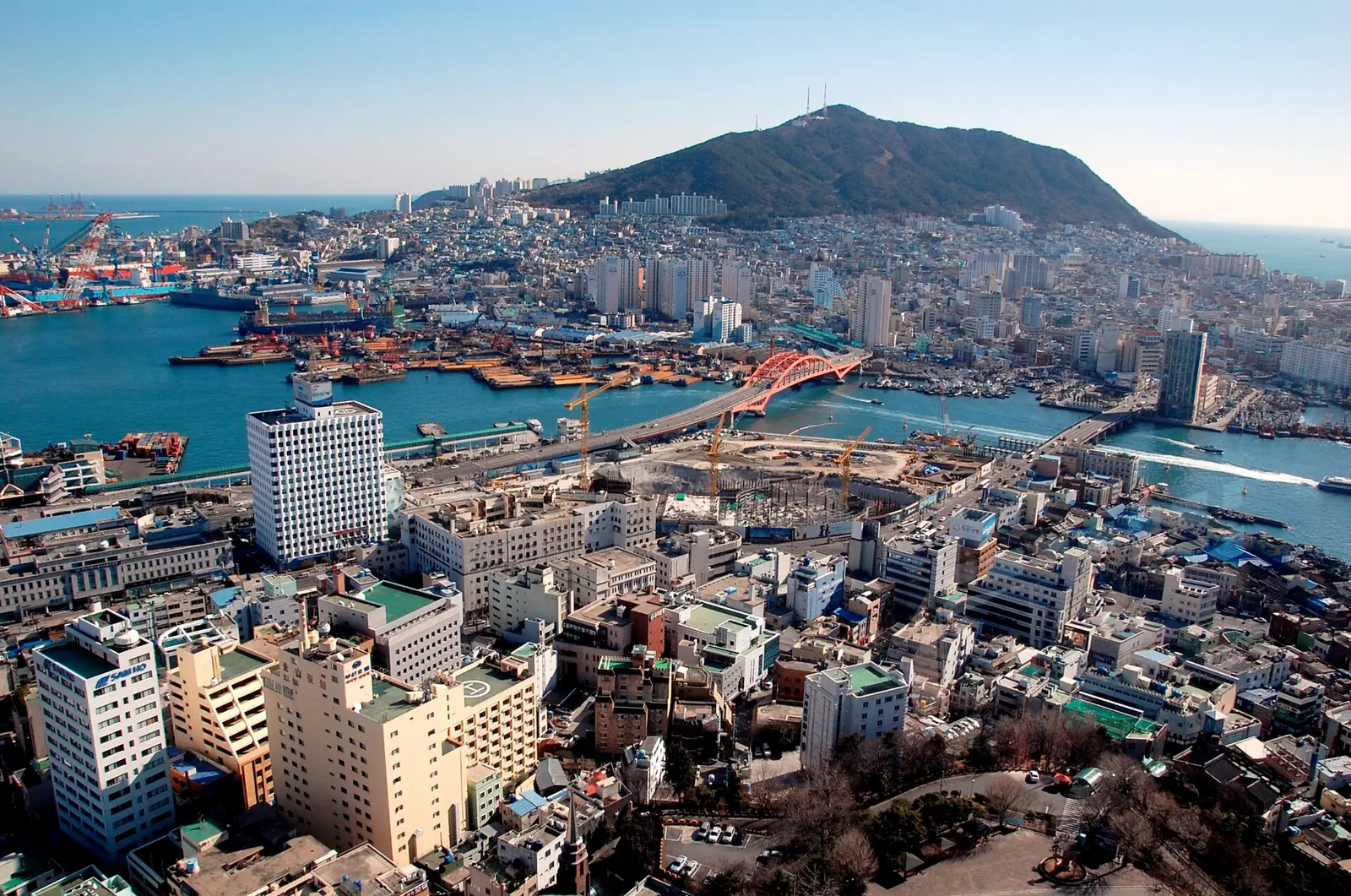
Busan lies at the southeastern tip of the Korean Peninsula. Officially Busan Metropolitan City, it has about 3.3 million people and is Korea's second-largest city; the Port of Busan is the country's busiest port and one of the world's leading container ports. The city sits in narrow valleys between the Nakdong and Suyeong rivers, with mountains separating its districts, and to the west is the delta where the Nakdong, Korea's longest river, meets the sea. Nampo-dong and Jagalchi are the old port district and fish market, while Gamcheon Culture Village to the west is stacked tier upon tier on a hillside; to the east, Haeundae is the country's largest beach, and the bridge at Gwangalli lit up at night is another of the city's calling cards. The Busan International Film Festival each autumn led to this port city becoming a UNESCO "City of Film" in 2014.
History
How the city came to be
People have lived around Busan since the Neolithic. Around the 1st century AD a small state called Geochilsan-guk existed around today's Dongnae-gu; it was later absorbed into Silla and renamed Dongnae County in 757, and Beomeosa Temple was founded in 835. Frequent raids by Japanese pirates in late Goryeo led to the building of the Dongnae town walls. In 1423 Joseon established Busanpo and a Japan House (Waegwan) here for trade with Japan. In the Imjin War of 1592, Japanese forces took Busanjin Fortress first; after the war, relations with the Tokugawa shogunate resumed in 1607. The 1876 Treaty of Ganghwa made Busan the first Joseon port opened to foreign trade, and a customs office was set up in 1883; the Gyeongbu Line reached Busan Station in 1908, and a ferry to Shimonoseki in Japan began service the following year. Throughout the Korean War Busan remained under South Korean control and was for a time the temporary capital; in early 1951 there were about 500,000 refugees in the city. In 1963 Busan separated from Gyeongsangnam-do to become South Korea's first directly governed city, and in 2005 it hosted the Asia-Pacific Economic Cooperation (APEC) Leaders' Meeting.
- 757Renamed Dongnae County
- 835Beomeosa Temple founded
- 1423Busanpo and the Waegwan (Japan House) are established
- 1592Imjin War: Busanjin Fortress was the first to fall
- 1876Became Korea's first open port after the Treaty of Ganghwa
- 1908The Gyeongbu Line reaches Busan Station
- 1950The core of the Pusan Perimeter during the Korean War, and for a time the temporary capital
- 1963Became Korea's first directly governed city
- 2005Hosts the APEC Leaders' Meeting
- 2014Designated a UNESCO Creative City of Film
Must see
Places you shouldn’t miss
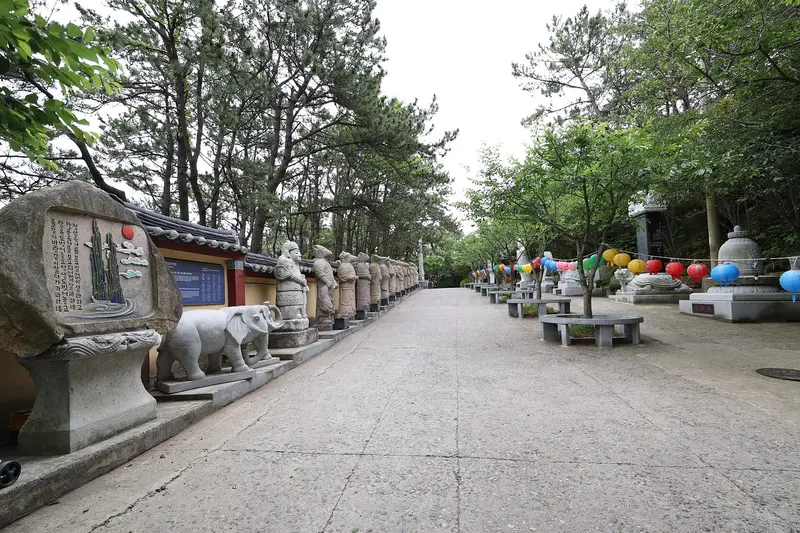
Haedong Yonggungsa Temple
A Buddhist temple built on seaside rocks, where the sound of the waves accompanies the chanting
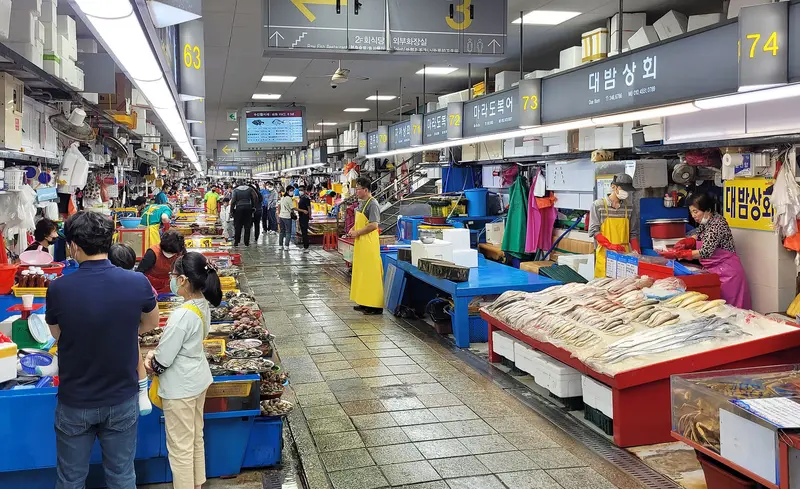
Jagalchi Market
South Korea's largest fish market, with the "Jagalchi ajumma" vendors by Busan's South Port and seafood you buy and eat on the spot
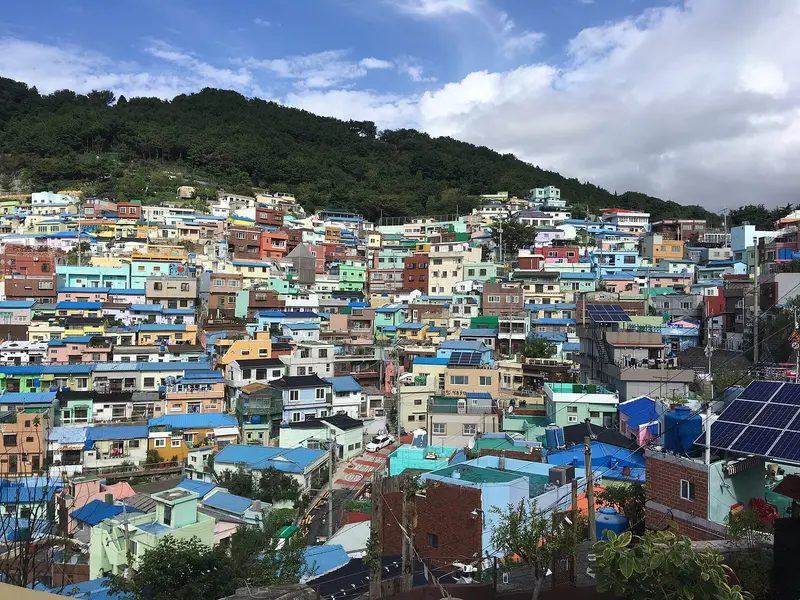
Gamcheon Culture Village
Tiers of colourful little houses on a hillside, transformed from a refugee settlement into an art village
Before you go
Rules to know in Busan
How do you like this place?
More cities in South Korea
Last updated: Nov 23, 2026