
City guide · 서울 Seoul
Seoul
Palaces and hanok of a six-hundred-year royal capital, set in a city that never sleeps on both banks of the Han River
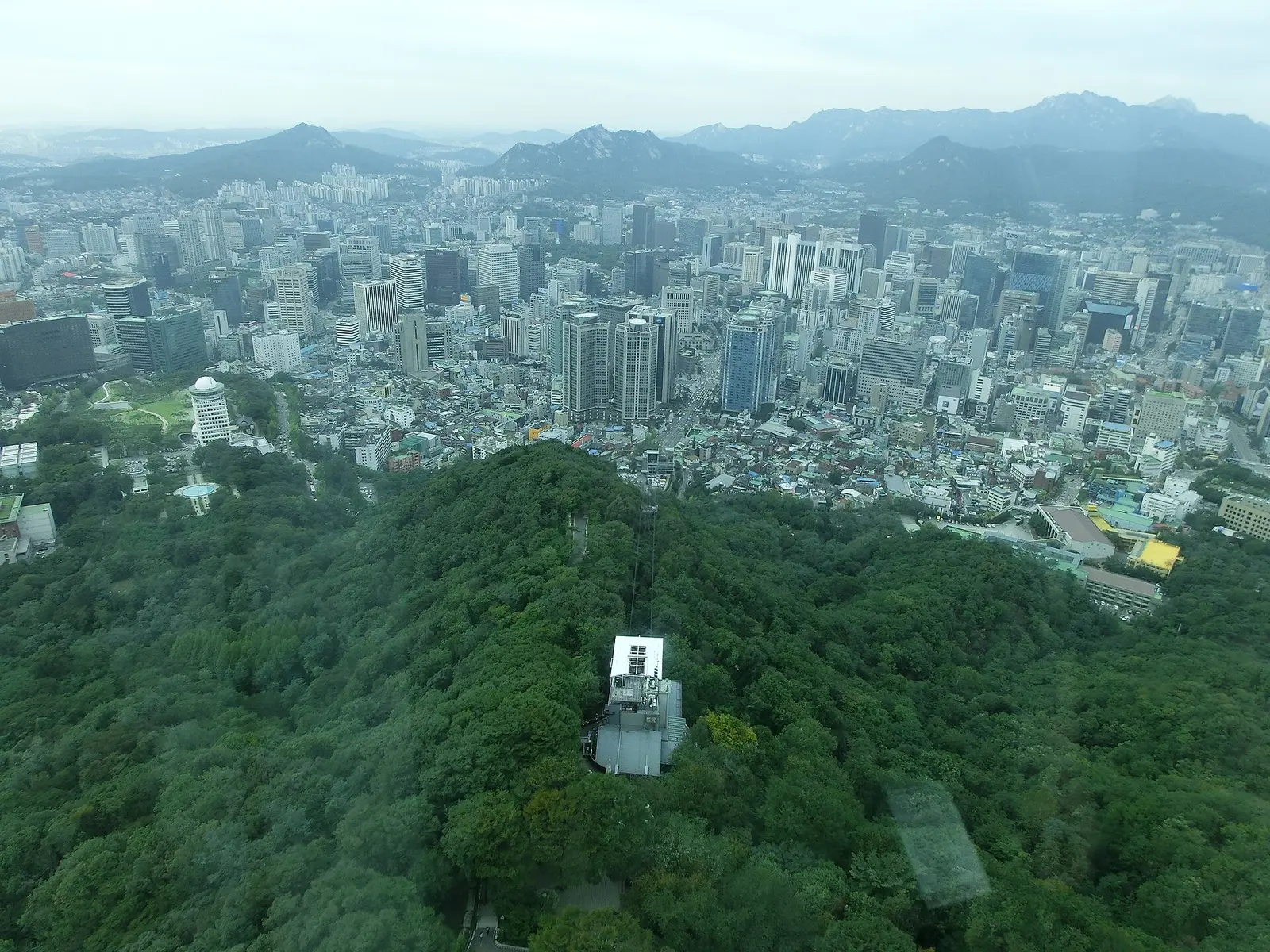
Seoul is the capital and largest city of South Korea, officially the Seoul Special City. Bukhansan Mountain rises to its north and the Han River runs through it from east to west; the Seoul metropolitan area is home to more than half the country's population. The old city lies north of the Han River, where all five grand palaces of the Joseon dynasty are in Jongno and Jung districts, and Gyeongbokgung, Changdeokgung, Jongmyo and Bukchon Hanok Village are within walking distance of each other; Cheonggyecheon, restored in 2005, is now a waterside walkway through the city centre. Newer districts such as Gangnam and Yeouido developed after the 1960s and are the centres of business and finance. In Seoul you can spend the day among palace walls and hanok and the evening in brightly lit neighbourhoods, as the old capital and contemporary pop culture share one city.
History
How the city came to be
Seoul's history goes back to Baekje, which established its capital in the Han River basin in 18 BC (Wiryeseong, roughly in today's southeastern Seoul). Yi Seong-gye founded the Joseon dynasty in 1392, chose Hanyang as the new capital in 1394, and Gyeongbokgung was completed the following year; city walls were built around it, and it was administered as Hanseong-bu. In the Imjin War of 1592 all the palaces in the city were burned; after the war Changdeokgung became the de facto main palace, and Gyeongbokgung was not rebuilt until the 1860s. After the Korean Empire was proclaimed in 1897, Seoul was among the first places to introduce electricity, streetcars and telephones. When Japan annexed Korea in 1910, it renamed Seoul "Keijō" (Gyeongseong), downgraded it to an ordinary city under Gyeonggi Province, tore down the city walls and built the Government-General building inside Gyeongbokgung. After liberation in 1945, a charter issued by the US military government in 1946 named the city "Seoul," and under the 1949 Local Autonomy Act it became a special city. Seoul changed hands four times during the Korean War and was left nearly in ruins, then was rapidly rebuilt; in 1963 two boundary expansions took in Gangnam and other areas, enlarging it from about 268 km² to about 613 km². In 1988 Seoul hosted the Summer Olympics.
- 18 BCBaekje established its capital in the Han River basin
- 1394King Taejo of Joseon chose Hanyang as the new capital
- 1395First phase of Gyeongbokgung completed
- 1405Changdeokgung completed
- 1592Imjin War: all the palaces in the city burned down
- 1910Japan annexes Korea, and Seoul is renamed Keijō (Gyeongseong)
- 1946The US military government issued a charter naming the city Seoul
- 1963Two boundary expansions took in Gangnam, more than doubling the city's area
- 1988Hosted the Summer Olympic Games
- 2005Cheonggyecheon restoration project completed
Must see
Places you shouldn’t miss
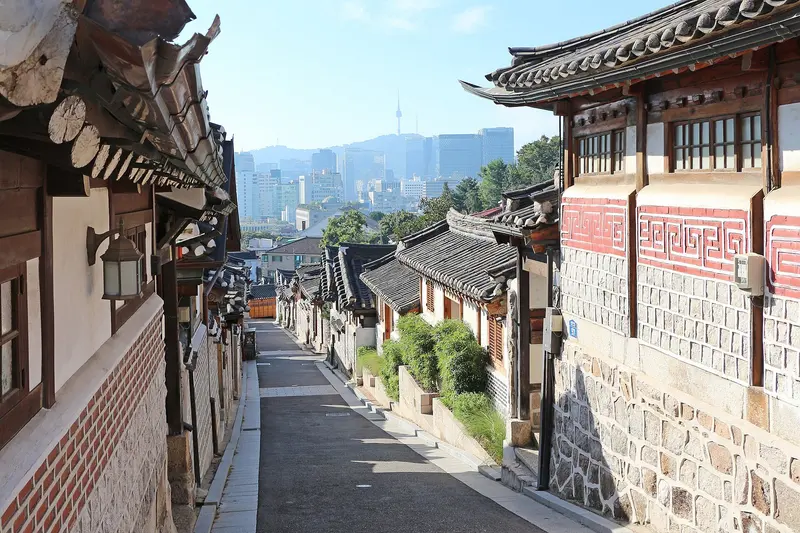
Bukchon Hanok Village
Hanok alleys between Gyeongbokgung and Changdeokgung, where people still live under century-old tiled roofs
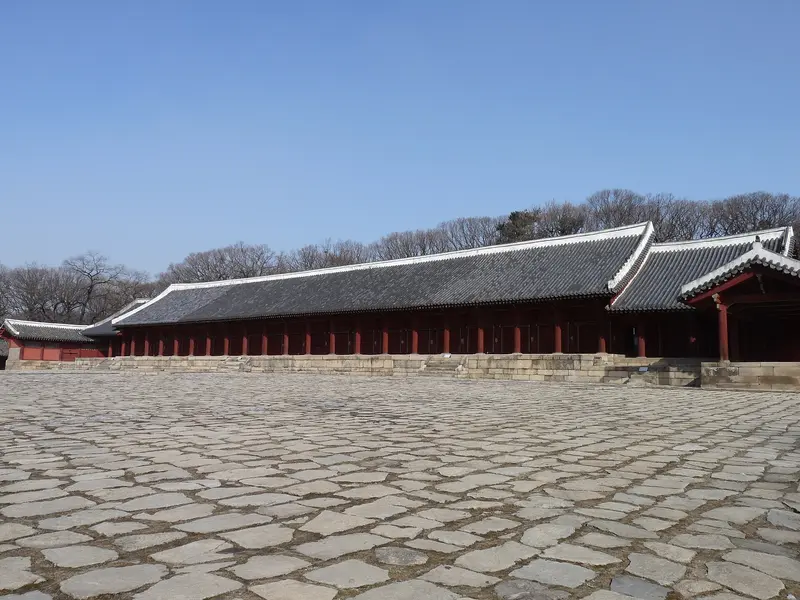
Jongmyo Shrine
The Confucian royal shrine holding the spirit tablets of the Joseon kings, where the ancestral rites and their ritual music continue to this day
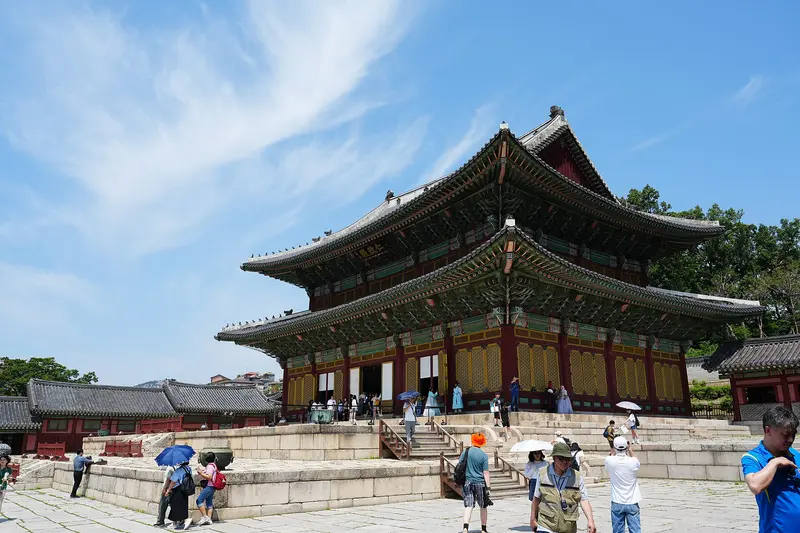
Changdeokgung Palace
The palace where the most Joseon kings actually lived, built to follow the lie of the hills, with a rear garden of 300-year-old trees
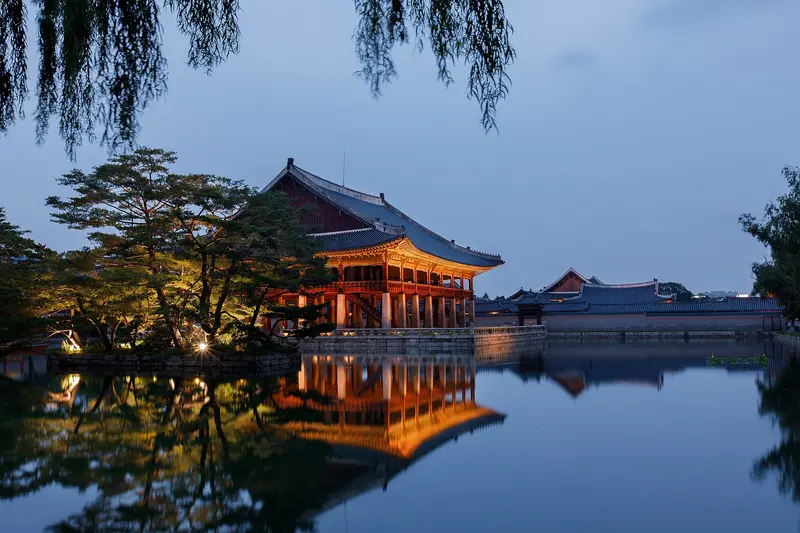
Gyeongbokgung Palace
The first main palace of the Joseon dynasty, where King Sejong created the Korean alphabet; three gates and three courts unfold along its centra…
Before you go
Rules to know in Seoul
How do you like this place?
Sources
Last updated: Nov 23, 2026