
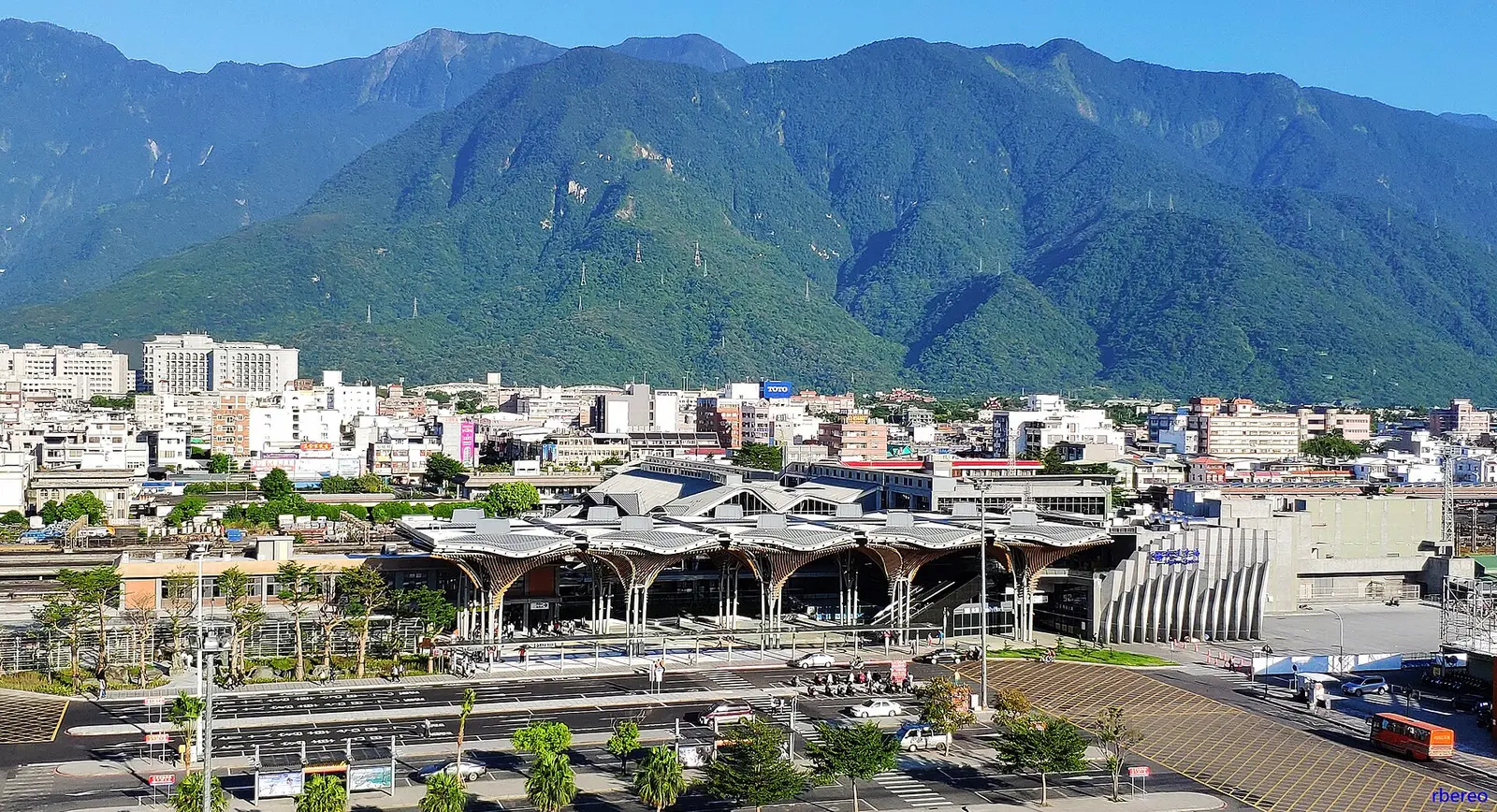
City guide · 花蓮 Hualien
Hualien
The "Marble City," with mountains at its back and the Pacific in front, gateway to Taroko Gorge and the east coast
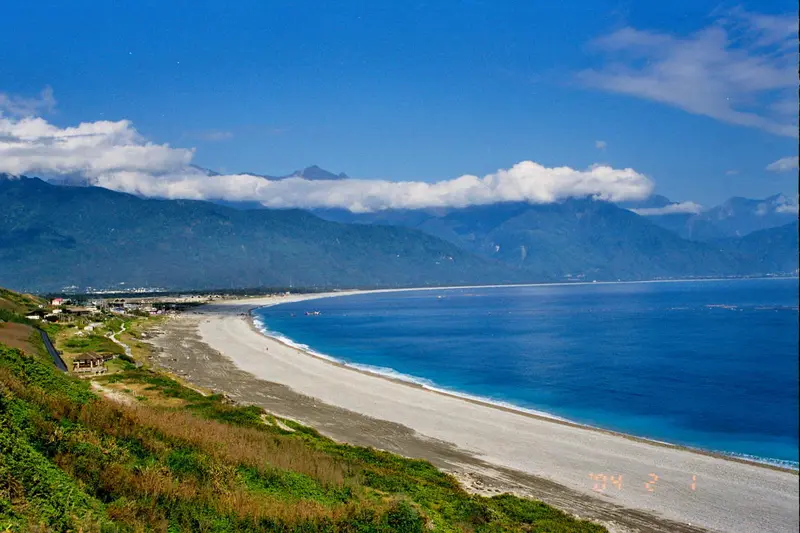
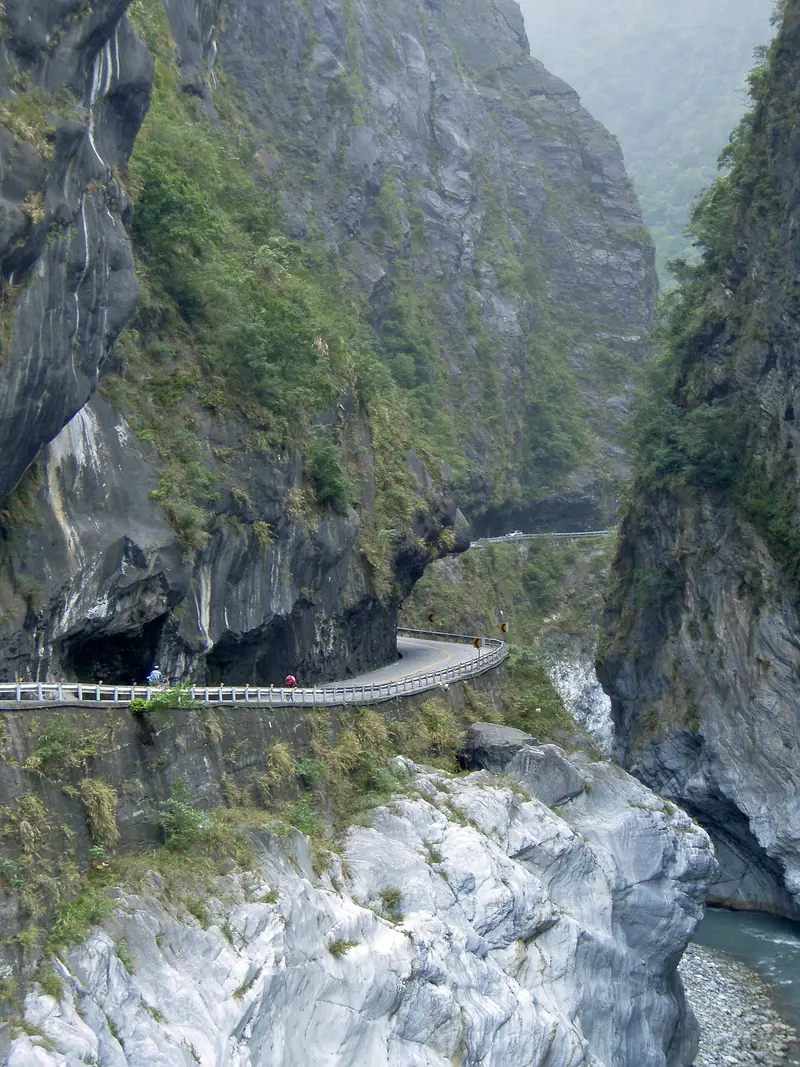
Hualien City is the seat of Hualien County, on the alluvial fan of the Meilun River in eastern Taiwan, with the Central Mountain Range behind it and the Pacific Ocean in front. It covers less than 30 km² and has about 97,000 people. Many streets and walls downtown are paved and decorated with pieces of marble, earning it the nickname "Marble City." Indigenous peoples including the Amis, Truku and Sakizaya live here alongside Han Chinese, and the bamboo-tube rice, stone-slab barbecue and millet wine at the night market are a way into Indigenous food. Hualien City itself is good for a day or two of slow wandering through old streets, the railway park and the seafront, but more travellers use it as a base for Taroko Gorge and Qixingtan.
History
How the city came to be
Hualien was known in old times as "Kilai," from the Indigenous name for this plain. The Sakizaya people who have long lived here appear in Dutch and Spanish records as early as the 17th century. In 1878 Qing troops clashed with the Sakizaya and Kavalan in the Karewan Incident, after which the Sakizaya lived hidden among Amis communities for a long time, only regaining official recognition in 2007. In 1909 the Hualien area was separated from Taitung as its own administrative unit, and the same year the Railway Department set up its Karenkō branch office, beginning operations on the Hualien–Taitung Line. Karenkō Town was established in 1920, became Karenkō City in 1940, and was renamed Hualien City in 1946. In 1942 the Karenkō Prefecture military affairs department was built at the foot of Meilun Hill, today's Pine Garden. Hualien lies on an active fault zone; earthquakes in 1951 and 2018 both caused major damage in the city, and the powerful quake of April 2024 also struck nearby Taroko National Park hard.
- 1878The Karewan Incident; after their defeat the Sakizaya hid among Amis villages
- 1909The Hualien area separated from Taitung to become its own administrative unit; the Railway Department's Karenko branch office was established
- 1940Karenkō City (Hualien Port City) established
- 1942The Military Affairs Department of the Karenkō Prefectural Office (today's Pine Garden) opens
- 1946Renamed Hualien City
- 1982Taiwan Railway's Hualien Station moved to a new site, and the area around the old station later became the Railway Culture Park
- 2007The Sakizaya are recognized as Taiwan's 13th Indigenous people
- 2015Dongdamen Night Market opened as a combined market
Must see
Places you shouldn’t miss
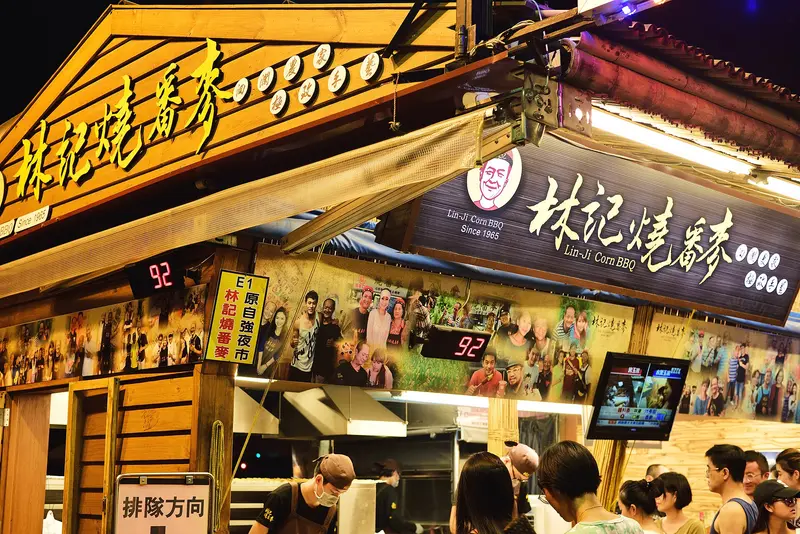
Dongdamen Night Market
The largest night market in eastern Taiwan, with stone-grilled meat and bamboo-tube rice on its Indigenous food street
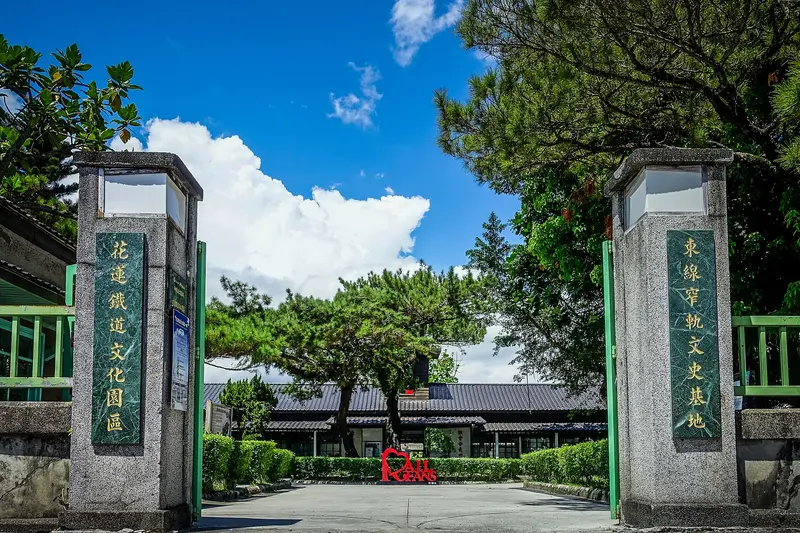
Hualien Railway Culture Park
The starting point and operations center of the Hualien–Taitung Line, with a cluster of Japanese-style wooden buildings around the old station
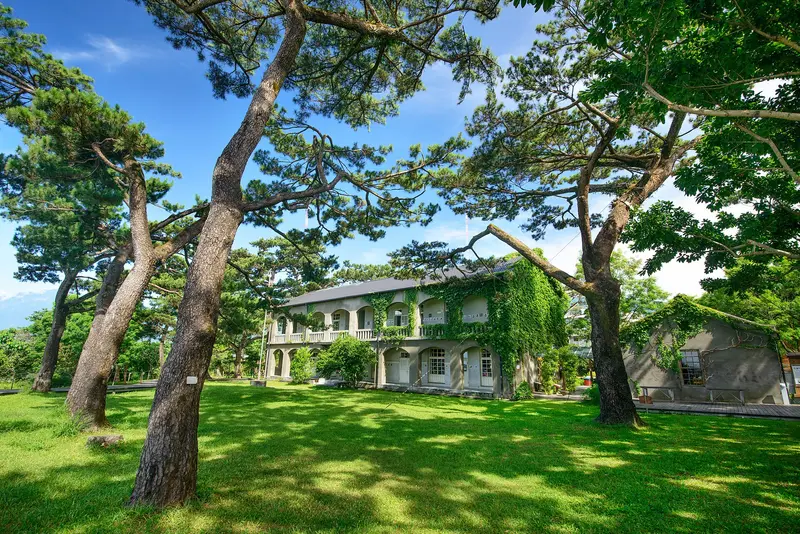
Pine Garden (Songyuan Bieguan)
An old pine grove and Japanese-era military buildings at the foot of Meilun Hill, looking out over Hualien Harbor and the Pacific
Before you go
Rules to know in Hualien
Trips beyond the city
These places can be explored from this city but lie outside it. See each place for transport and visiting guidance.
How do you like this place?
More cities in Taiwan
Sources
Last updated: Nov 23, 2026