
City guide · 臺北 Taipei
Taipei
The incense of old Monga, the tea merchants of Dadaocheng and Taipei 101 in Xinyi: three hundred years in one city
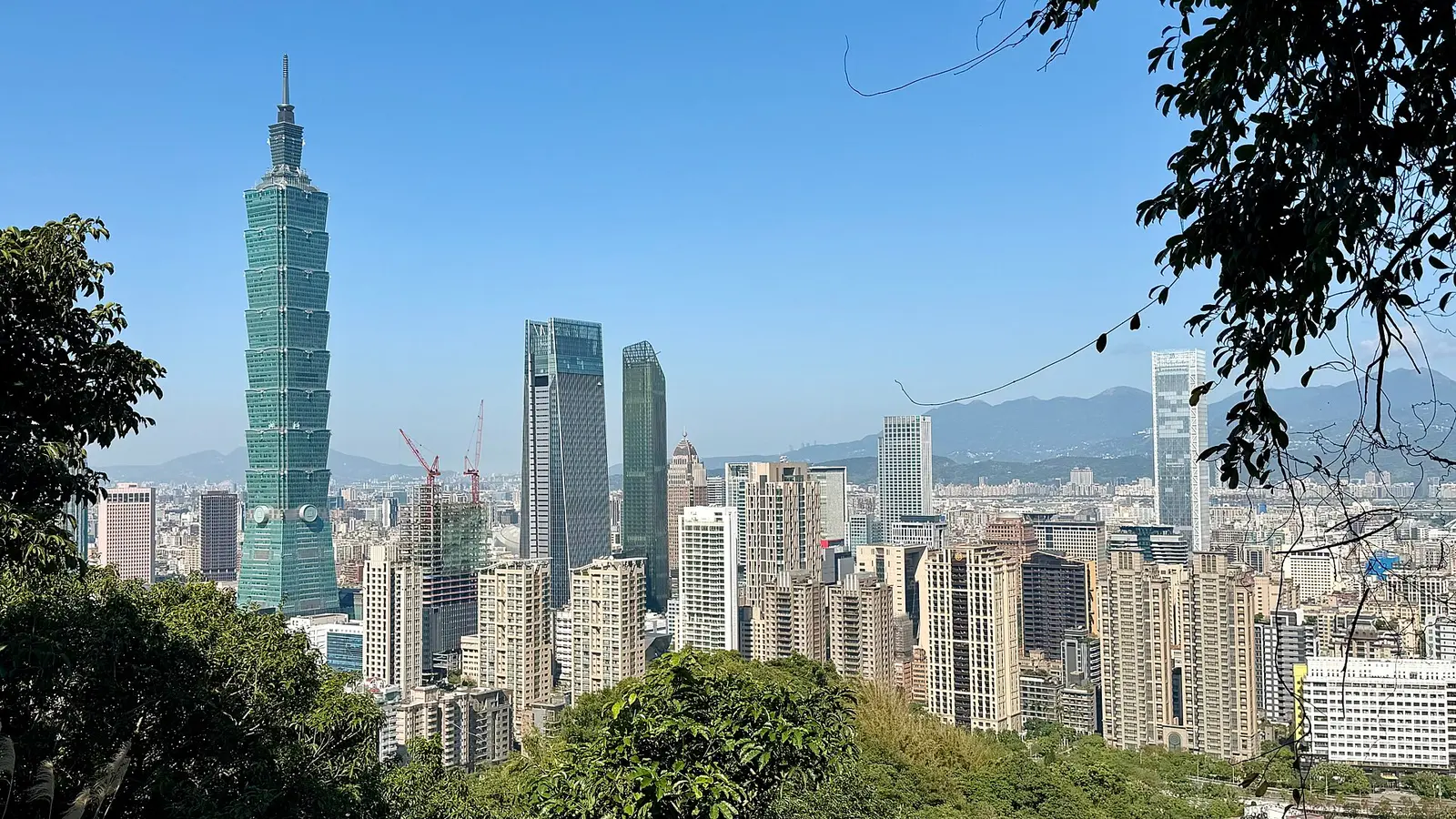
Taipei occupies the northeastern half of the Taipei Basin in northern Taiwan. The Tamsui and Keelung rivers flow through the city, which is surrounded by New Taipei City; it has 12 districts and about 2.45 million registered residents. The western half of the city is where the earliest neighbourhoods grew up, Bangka (now Wanhua) and Dadaocheng, and the incense of Lungshan Temple and the dried goods and tea merchants of Dihua Street still carry on in old shophouses; to the east, Xinyi District centres on Taipei 101, crowded with malls and observation decks. In Shilin on the northern outskirts, the National Palace Museum holds the imperial collections of successive dynasties, and after dark the snack stalls at night markets across the city often stay open late into the night. The MRT, buses and the EasyCard tie all of this together, so it is easy to find your way even on a first visit.
History
How the city came to be
The Taipei Basin was originally home to the Ketagalan, a plains Indigenous people, and the name "Monga" (Bangka) comes from the Ketagalan word for a dugout canoe. In 1709 Quanzhou immigrants formed the "Chen Lai Zhang" land reclamation company to open up the Dajiala area; Quanzhou Sanyi settlers then built up the Monga market town on the east bank of the Tamsui River and in 1738 built Longshan Temple, giving rise to the saying "first Fucheng, second Lukang, third Monga." After the Ding-Xia Jiao Pin feud of 1853, the Tong'an people moved to Dadaocheng and founded a new market town; when Tamsui opened as a treaty port in 1860, foreign trading houses gathered in Dadaocheng, and British merchant John Dodd encouraged oolong tea growing, shipping it to New York in 1869 under the name "Formosa Tea." The Qing court built Taipei walled city in the fields between Monga and Dadaocheng, completed in 1884. During Japanese rule (1895–1945) the walls were torn down, three-lane boulevards laid out and the city replanned, and in 1920 Taipei City was established from the three districts of Monga, Dadaocheng and the walled city. In 1967 Taipei became a special municipality, and the following year Shilin, Beitou, Neihu, Nangang, Jingmei and Muzha were merged into it; the MRT lines opened one after another from the 1990s, Taipei 101 was completed in 2004, and Xinyi District became the new city center.
- 1709The "Chen Laizhang" land-reclamation company of Quanzhou migrants applies to open up the Dajiala area
- 1738Construction of Bangka Lungshan Temple began; it was completed in 1740
- 1859Dadaocheng Xiahai City God Temple completed
- 1869British merchant John Dodd ships oolong tea to New York under the name "Formosa Tea"
- 1884Taipei's city walls were completed
- 1920Taipei City established from the three districts of Monga, Dadaocheng and the walled city
- 1965The National Palace Museum opens at its present site in Shilin
- 1967Taipei became a special municipality
- 2004Taipei 101 completed and opened
Must see
Places you shouldn’t miss
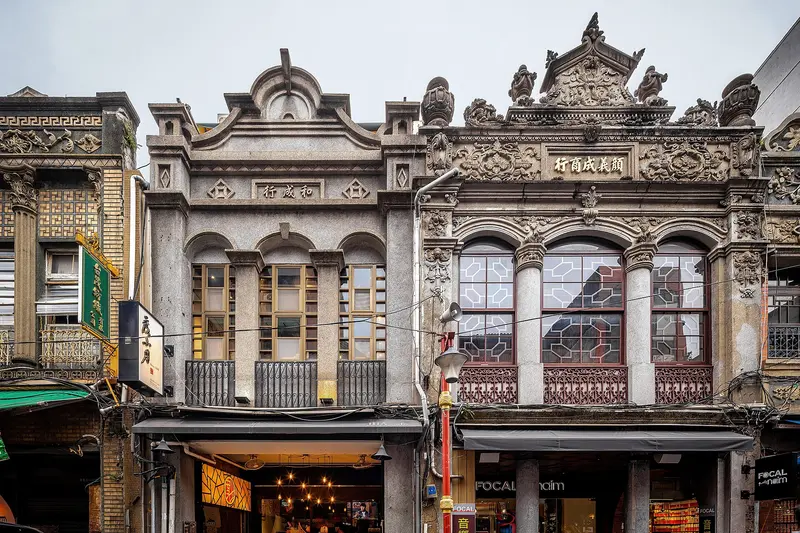
Dadaocheng and Dihua Street
An old street lined with tea merchants, dried-goods stores and Chinese herbal shops, Taipei's best-preserved historic district
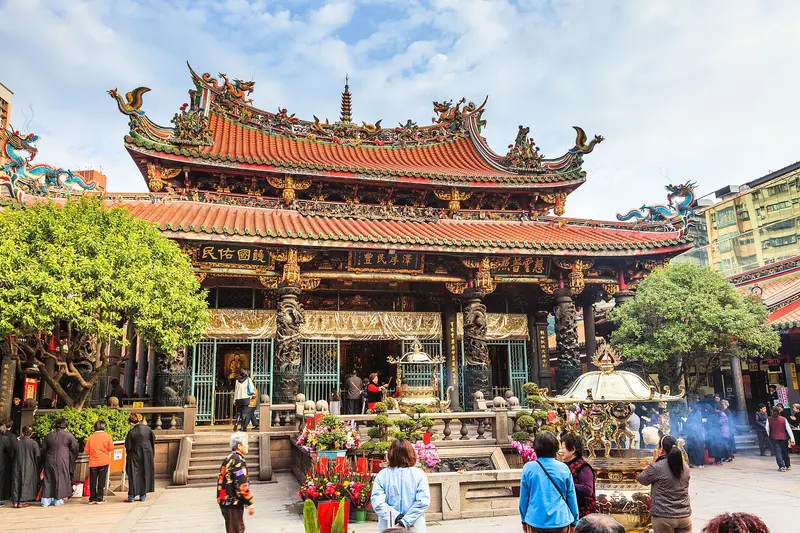
Bangka Lungshan Temple
A Guanyin temple built by Quanzhou immigrants in 1738, the busiest old temple in Taipei
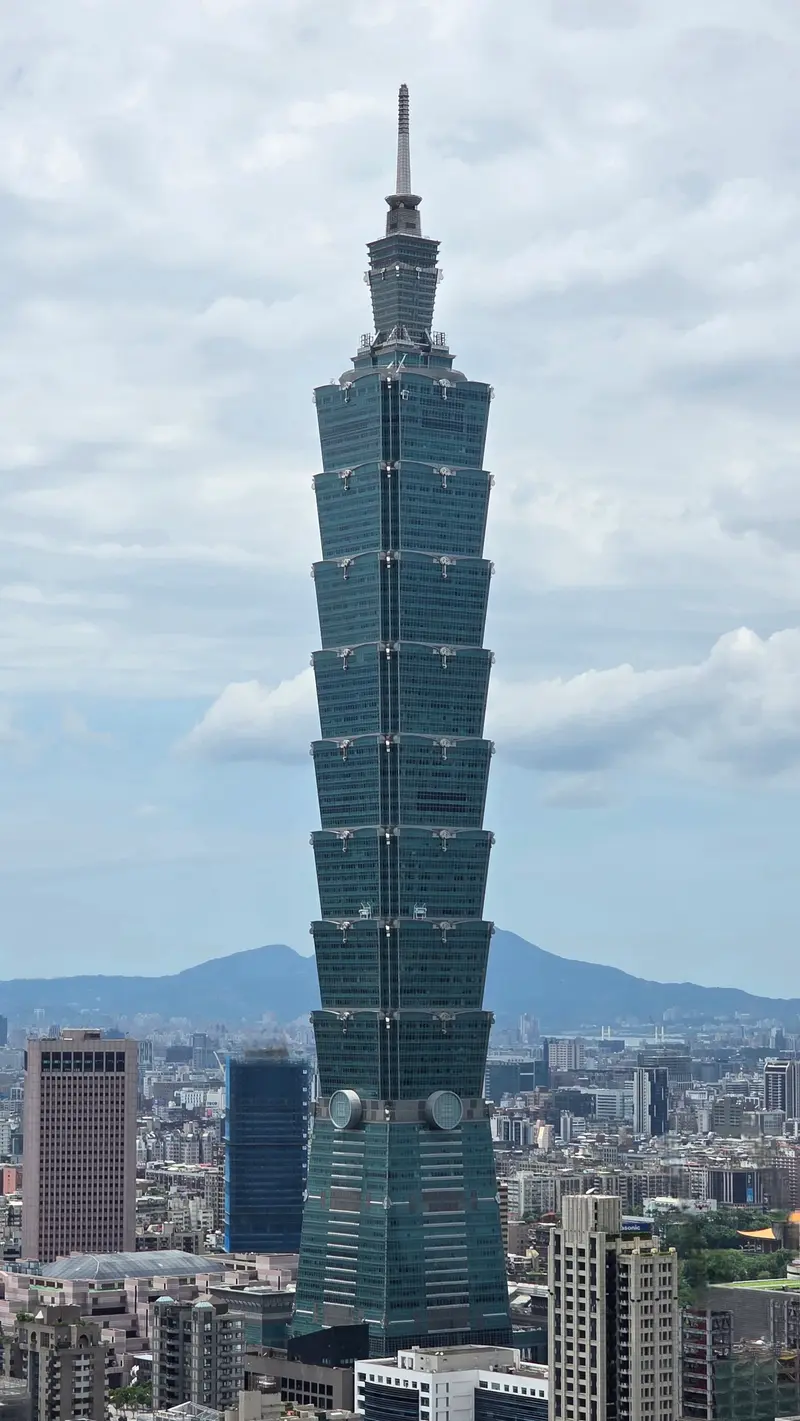
Taipei 101
Once the world's tallest building: see the Taipei Basin from the 89th floor, along with the 660-tonne tuned mass damper
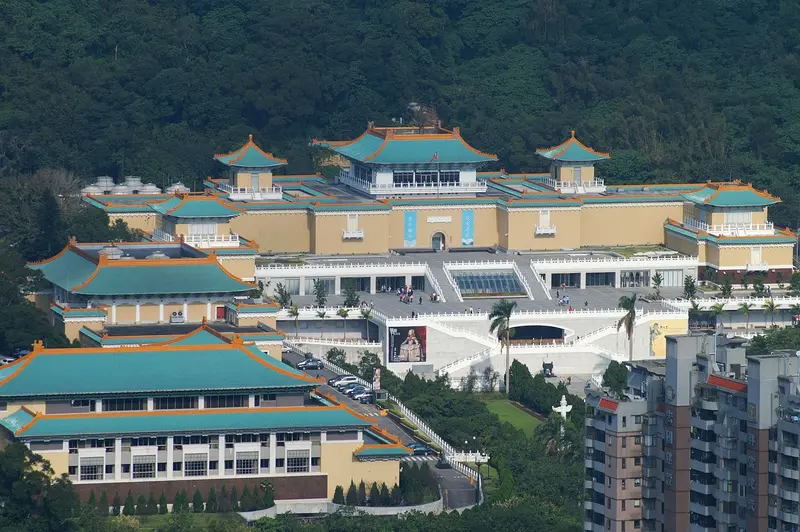
National Palace Museum, Taipei
Nearly 700,000 objects from historic imperial collections, including the Jadeite Cabbage, the Meat-shaped Stone and the Mao Gong Ding
Before you go
Rules to know in Taipei
Trips beyond the city
These places can be explored from this city but lie outside it. See each place for transport and visiting guidance.
How do you like this place?
More cities in Taiwan
Last updated: Nov 23, 2026