Roman Carbonara
Spaghetti alla carbonara · Rome, Italy
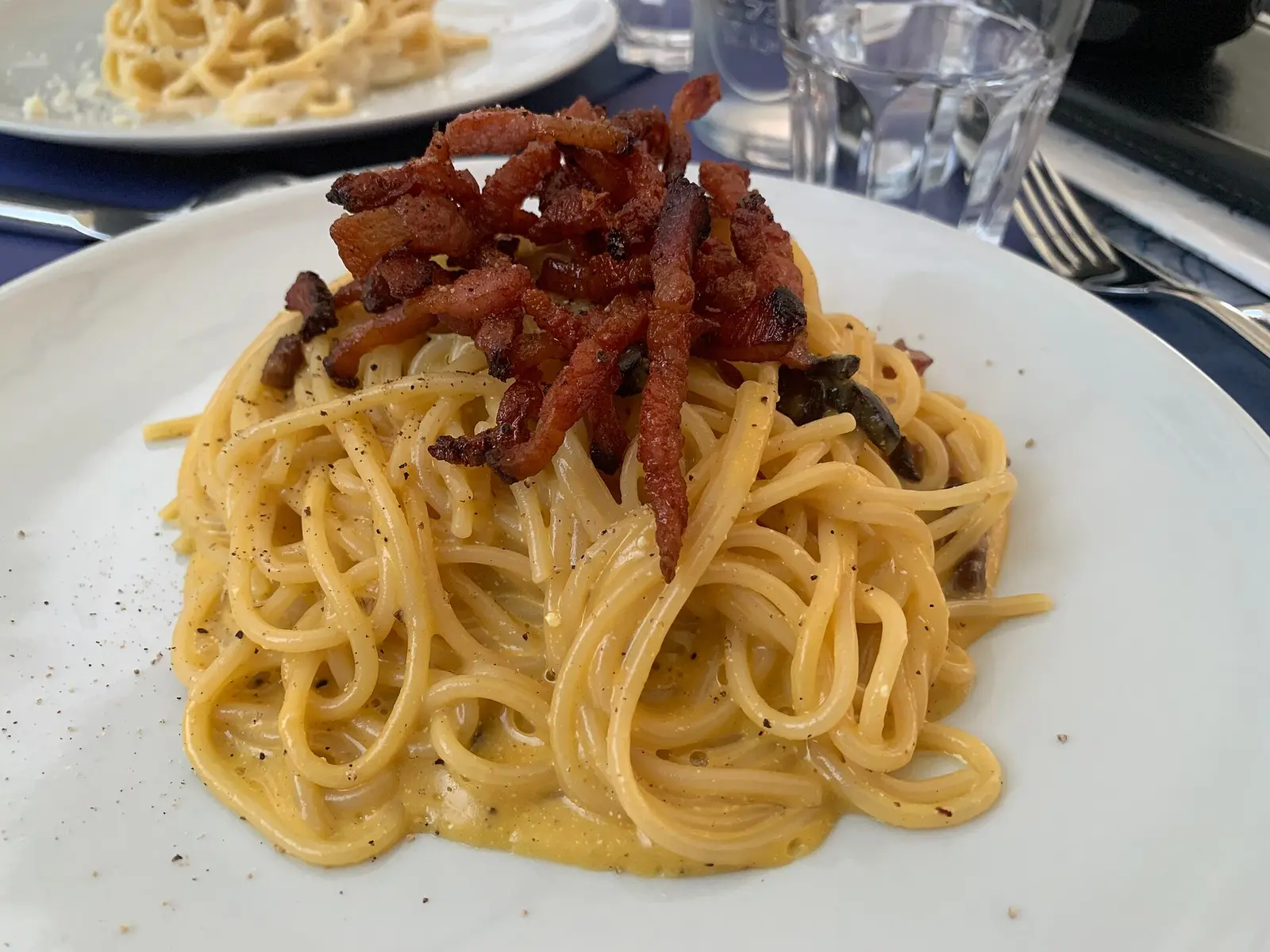
Roman guanciale, pecorino, egg and black pepper; the name only appears in records around the time of World War II.
Know before you go
- In traditional Roman trattorias, do not ask for cream, mushrooms or chicken to be added
- do not cut pasta with a knife
- do not ask for bread to go with pasta as a staple (using bread to mop up leftover sauce is fine)
This article is Not yet verified. Please check official announcements for prices, opening hours and dates.
Culture
Culture & customs
Background
Carbonara is a pasta dish made with cured pork, hard cheese, eggs, salt and black pepper, typical of Italy's Lazio region, which took its present form and name only in the mid-20th century. The cheese is usually pecorino romano, the meat is traditionally cured pork cheek (guanciale), and the pasta is mostly spaghetti, though bucatini or rigatoni are also used. According to English Wikipedia, both its origin and its name are unclear: there is no record of “carbonara” before the Second World War, and it does not appear in Ada Boni's 1930 La cucina romana. The name first appears in a 1939 newspaper in the Dutch East Indies, which mentions a restaurant in Rome's Trastevere district famous for the dish; in 1950 the Italian newspaper La Stampa reported that American officers were looking for “spaghetti alla carbonara” in Trastevere. Another theory links it to the bacon and powdered eggs brought by the Allies during the Second World War, but all of these are only conjecture.
Local customs
- The Roman way uses no cream: egg yolks (or whole eggs) and pecorino are whisked into a sauce, and off the heat the residual warmth of the pasta turns it into a thick sauce
- the guanciale is fried until its fat renders and the edges crisp
- black pepper and cheese are sprinkled on at the table
- Italians twirl the pasta with a fork and generally do not use a spoon.
Religion & beliefs
- Carbonara itself has nothing to do with religion
- together with amatriciana, cacio e pepe and gricia it is one of Rome's four traditional pastas and an everyday dish in Roman trattorias. In Catholic tradition, families who keep the Friday abstinence avoid meat pastas like this one.
Etiquette & taboos
Etiquette & taboos
Rules that apply here
Italy: Cover shoulders and knees in churches – the Vatican turns away those who do not
Do
- Cover your shoulders and knees, whether you are a man or a woman
- Take off your hat before going in
- Carry a scarf or cardigan and put it on before entering
- Switch your phone to silent and keep quiet
- Smaller churches vary: follow the notices and staff
Don’t
- Don't wear sleeveless or low-cut tops, shorts above the knee or miniskirts
- Don't walk around or take photos during Mass
The Vatican Museums, Sistine Chapel and St Peter's Basilica admit only appropriately dressed visitors and check at the door, so you can be stopped even after queuing; other major cathedrals often check too.
Verified Oct 19, 2026Source: Official site: Vatican Museums – Useful advice
Rome's Spanish Steps: no sitting, eating or drinking
Do
- Walk up the steps and keep moving after your photo
Don’t
- Sitting, resting, eating or drinking on the steps
Banned by Rome's urban police regulations since 2019; media report fines of €250, rising to €400 for dirtying or damaging the steps.
Verified Oct 19, 2026Source: ANSA: Rome bans sitting on the Spanish Steps (2019)
Don’t DON'T
- In traditional Roman trattorias, do not ask for cream, mushrooms or chicken to be added
- do not cut pasta with a knife
- do not ask for bread to go with pasta as a staple (using bread to mop up leftover sauce is fine)
- do not expect trattorias to be open during the break between lunch and dinner.
Locals appreciate DO
- Romans appreciate guests who order carbonara without asking for cream and eat it the Roman way
- ask whether the cook uses guanciale or bacon and which cheese, and most will gladly explain their method. Following Roman habit by eating pasta before ordering a main course is also a mark of respect for the trattoria.
Plan your visit
Practical info
Travel tips
- Trastevere, Monti and Testaccio have many traditional trattorias, and a meal takes a little over an hour
- Romans usually start dinner after 8 pm, and popular places need booking. You can combine it with a stroll in Trastevere, Santa Maria Maggiore and the Testaccio Market. Dining tips: the egg in the sauce is heated only by residual heat and is not fully cooked, so pregnant women and people with weakened immunity can ask whether it can be cooked more thoroughly
- guanciale is pork
- it contains gluten, dairy and eggs. Many trattorias close on Sunday evening or Monday, and some also close for summer holidays in August, so check before you go. Prices and opening hours are as set by each restaurant
- popular long-established restaurants often have queues, so going outside regular mealtimes is more relaxed.
Sources & verification notes
How do you like this place?
More nearby
Also in Rome
Nearby sights
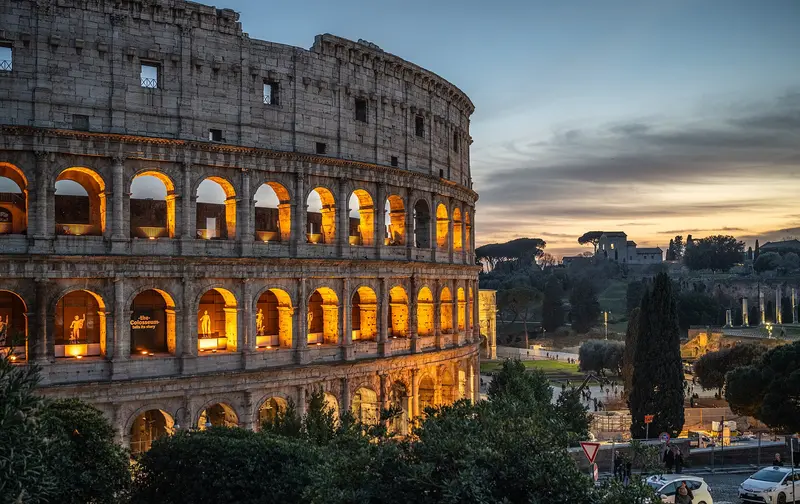
Colosseum
The heart of the empire, where gladiators' cries still seem to echo among the arches
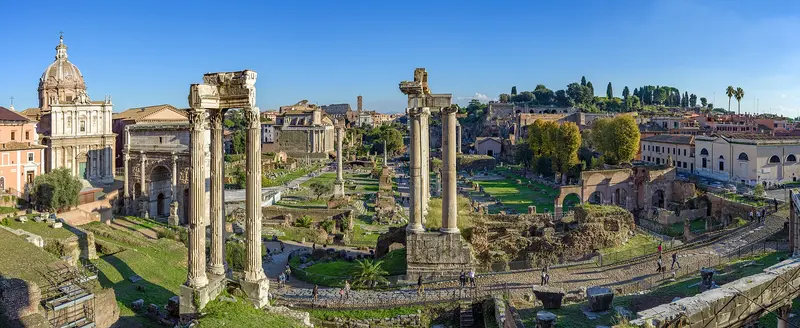
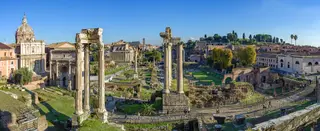
Roman Forum
The ruins of the centre of ancient Rome's political, judicial and religious life, where the Senate House, triumphal arches, temple platforms and…
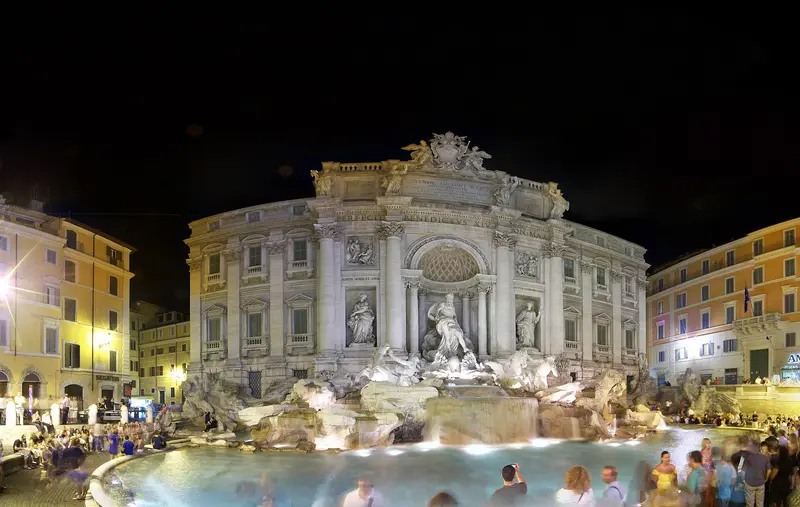
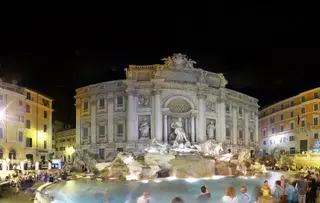
Trevi Fountain
Toss a coin over your left shoulder with your back to the fountain, and you will return to Rome — a Baroque palace of the sea god that collects …
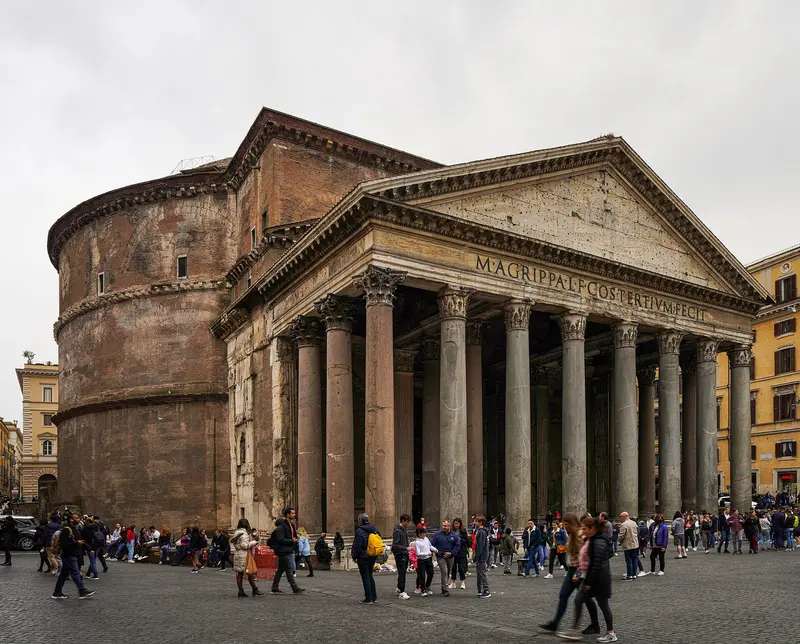
Pantheon
A concrete dome almost two thousand years old, still the largest unreinforced concrete dome in the world, with sunlight pouring in through the o…