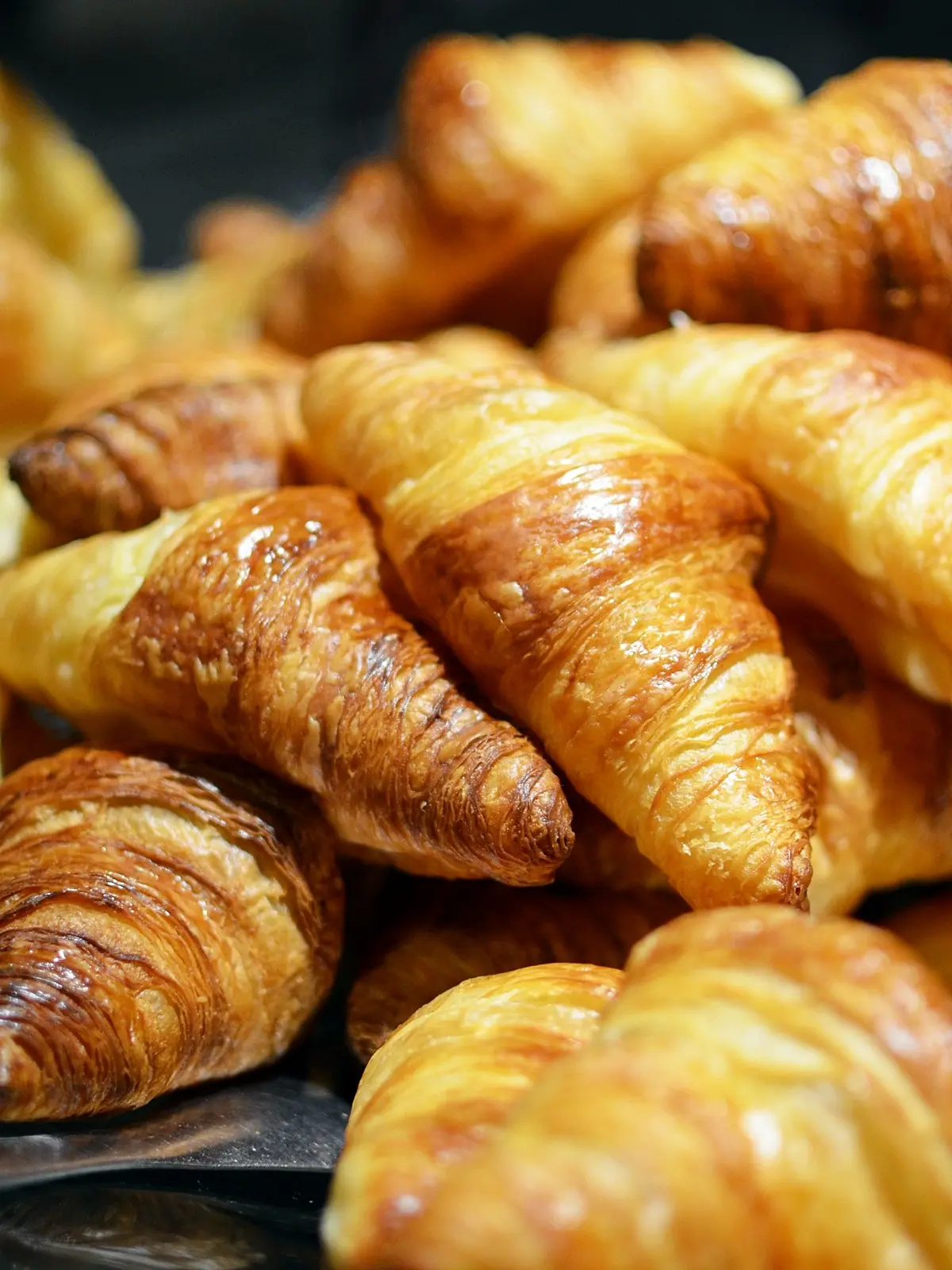
Parisian croissant
Croissant · Paris, France
Its shape was borrowed from the Austrian kipferl; in the 19th century a bakery opened in Paris by an Austrian helped it take root.
Know before you go
- Don't walk in without a greeting and simply point at what you want
- don't squeeze the loaves one by one to choose—staff will pick them up with tongs for you
- don't occupy a terrace seat at a café without ordering anything
This article is Not yet verified. Please check official announcements for prices, opening hours and dates.
Culture
Culture & customs
Background
The croissant is a crescent-shaped Viennese-style pastry made from a yeast dough laminated with layers of butter, with a texture somewhere between bread and puff pastry. According to English Wikipedia, its shape comes from the Austrian crescent-shaped bread called kipferl, which dates back at least to the 13th century. In 1838 or 1839 the Austrian artillery officer August Zang opened a “Boulangerie Viennoise” at 92 rue de Richelieu in Paris, selling kipferl and Viennese bread; it quickly became popular and drew imitation from French bakers, giving rise to the concept of viennoiserie. The French version was named after its crescent (croissant) shape; “croissant” already appeared in a list of fancy breads in 1853, while the earliest known recipe for today's laminated croissant appeared in 1905. The popular story that it was created to celebrate victory after the Siege of Vienna in 1683 is a legend with no reliable historical evidence.
Local customs
- Parisians usually eat croissants with coffee in the morning, standing at the counter or sitting on a café terrace
- in many bakeries the all-butter 'croissant au beurre' is priced separately from the ordinary croissant made with other fats, the former often shaped straight and the latter curved, but this is only a trade custom—go by the shop's labeling
- dipping croissants into coffee or hot chocolate is also common in French homes.
Religion & beliefs
- The croissant has no direct connection with religion. French bakeries are at the heart of neighborhood life
- many open as usual on Sunday mornings and close on Monday or Tuesday, which is worth keeping in mind when planning breakfast. It is not subject to particular religious dietary rules
- lacto-ovo vegetarians can usually eat it, while vegans and people with religious dietary requirements can ask whether animal fats were used.
Etiquette & taboos
Etiquette & taboos
Don’t DON'T
- Don't walk in without a greeting and simply point at what you want
- don't squeeze the loaves one by one to choose—staff will pick them up with tongs for you
- don't occupy a terrace seat at a café without ordering anything
- don't hesitate for a long time at a popular shop with a long queue and hold up the line.
Locals appreciate DO
- Bakery staff appreciate customers who say "Bonjour" on entering, state clearly how many items they want when ordering, and say "Merci, bonne journée" when paying
- deciding what you want while in line so as not to hold up those behind you is also seen as polite.
Plan your visit
Practical info
Travel tips
- Almost every neighborhood in Paris has a bakery
- croissants fresh out of the oven around 7 or 8 a.m. are the freshest. Buying one and eating it standing takes only a few minutes, while sitting in a café with a coffee takes about half an hour. You can find shops from the winners lists of Paris's annual 'Best Baguette' and 'Best Croissant' competitions, or simply choose a nearby local shop with a queue. You can combine it with a morning stroll in neighborhoods such as Saint-Germain and the Marais. Dietary notes: croissants contain wheat (gluten) and plenty of butter (dairy), and are often brushed with egg wash, so they are unsuitable for those allergic to gluten, lactose or eggs
- almond croissants contain nuts. Prices and opening hours are as set by each shop
- popular old establishments often have queues, so avoiding peak mealtimes is more relaxed.
Sources & verification notes
How do you like this place?
More nearby
Also in Paris
Nearby sights
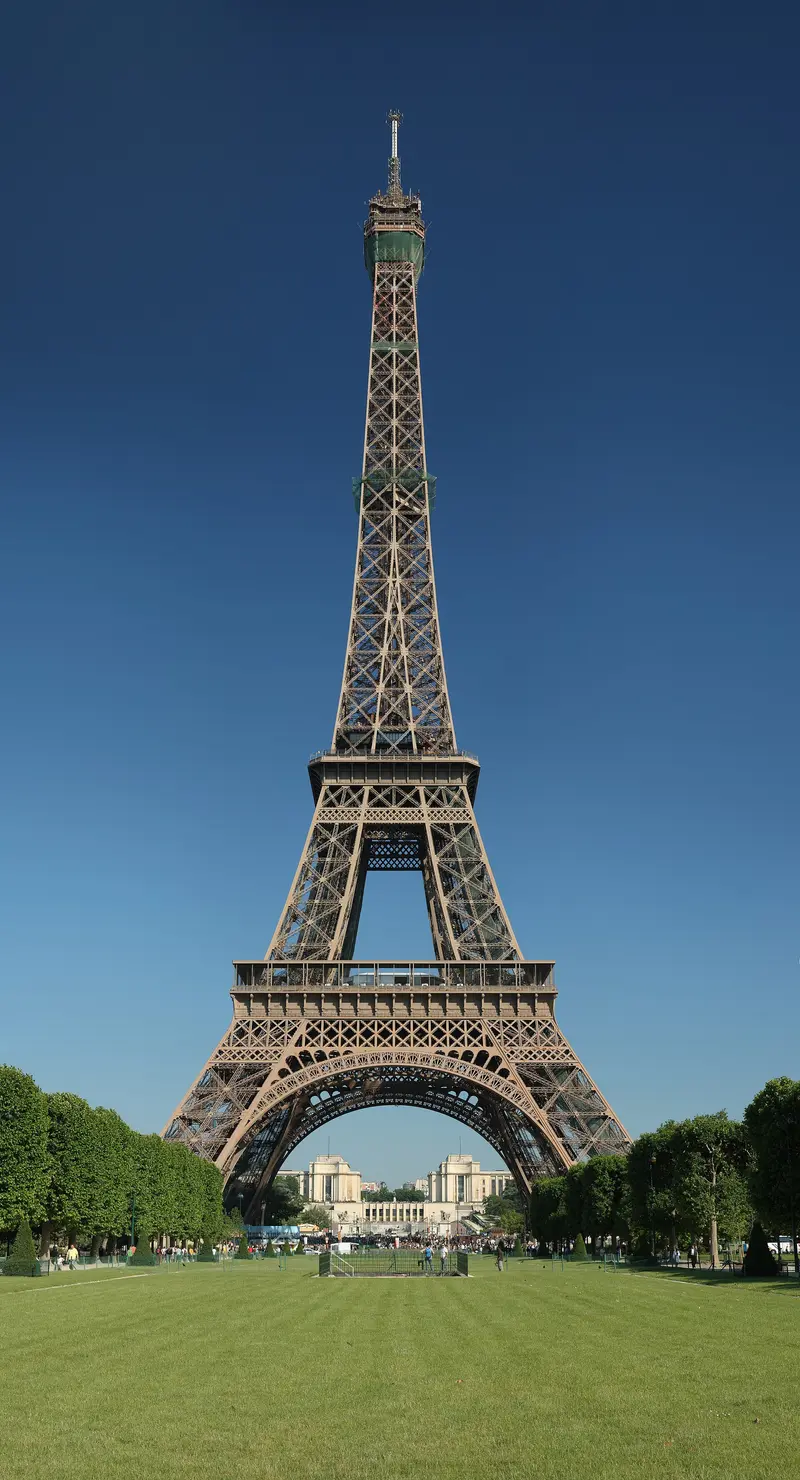
Eiffel Tower
The 'Iron Lady' on the Seine, Paris's irreplaceable city totem
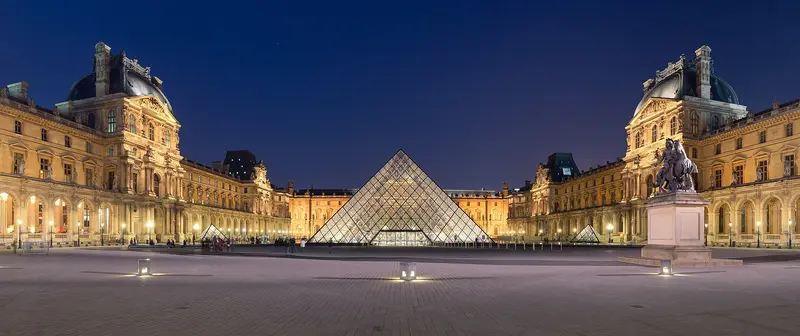
Louvre
A medieval palace turned into the world's largest temple of art, where 'the Mona Lisa's smile' awaits you
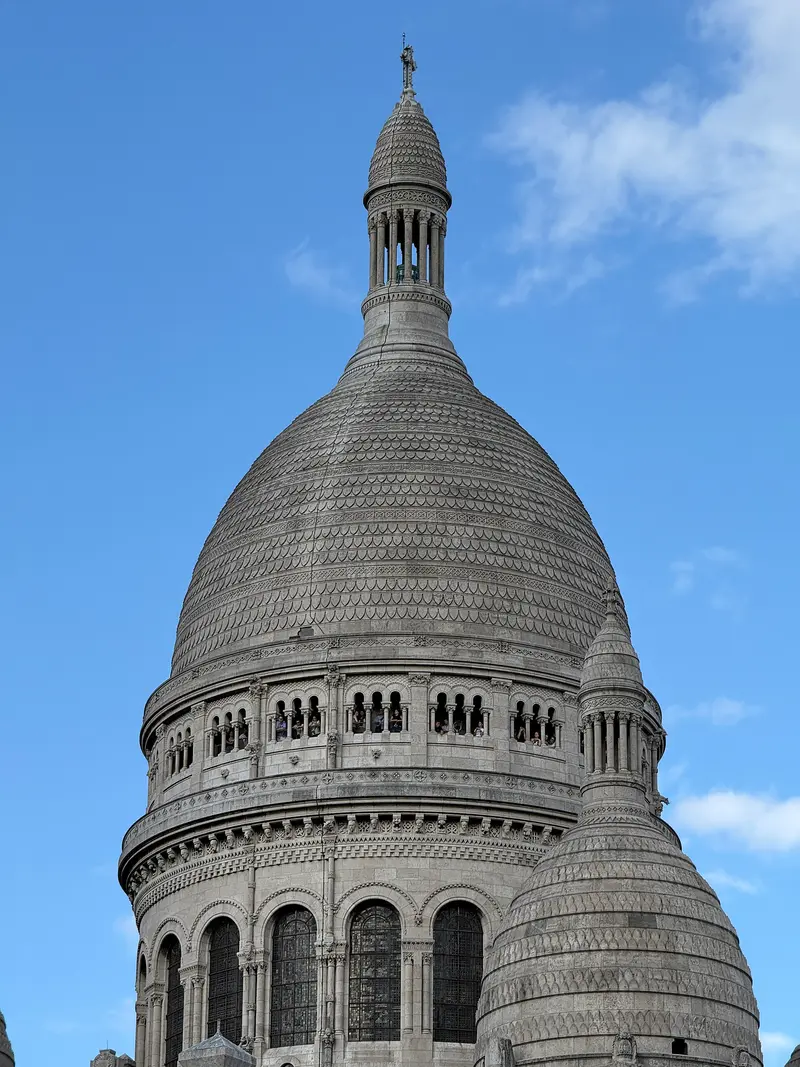
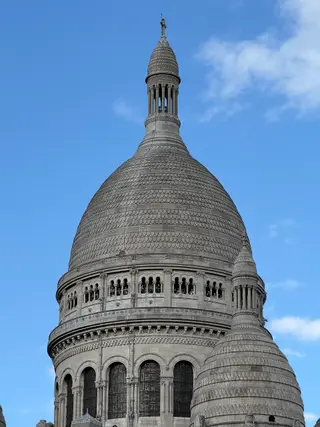
Montmartre and Sacré-Cœur
The Montmartre hill is one of the highest districts in Paris, where cobbled lanes, a vineyard and painters' stalls intertwine above a panorama o…
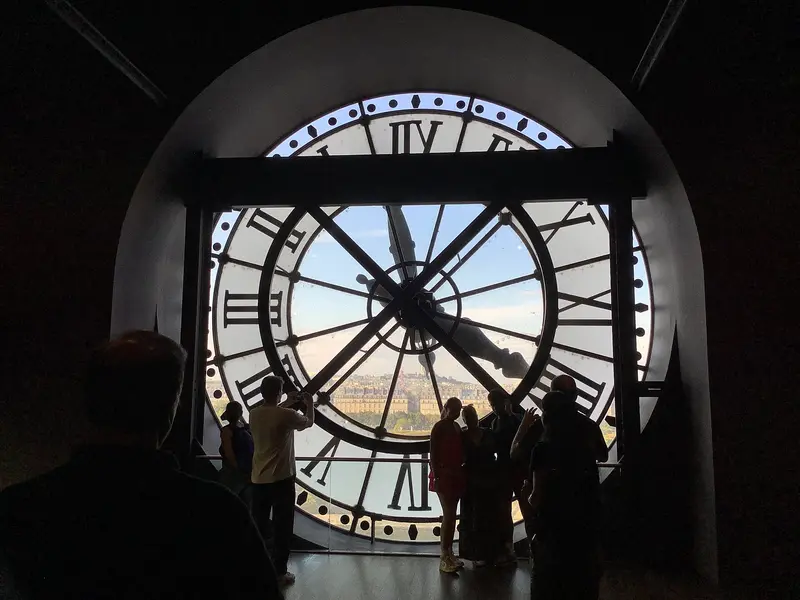
Musée d'Orsay
A railway station turned art museum that holds the whole of Impressionism: Monet, Van Gogh and Renoir wait for you beneath the great clock face
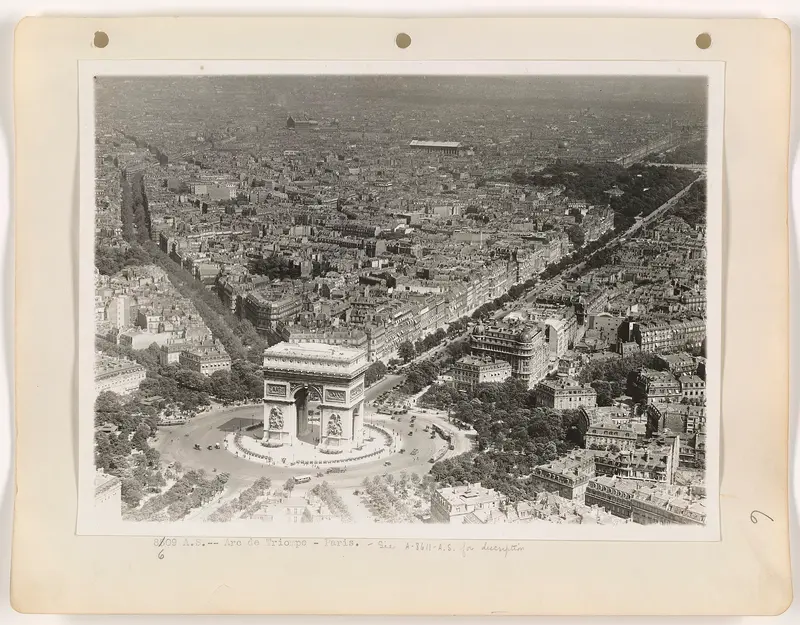
Arc de Triomphe & Avenue des Champs-Élysées
The arch Napoleon raised for his returning armies and a 1.9-kilometre avenue together form the axis and the face of Paris
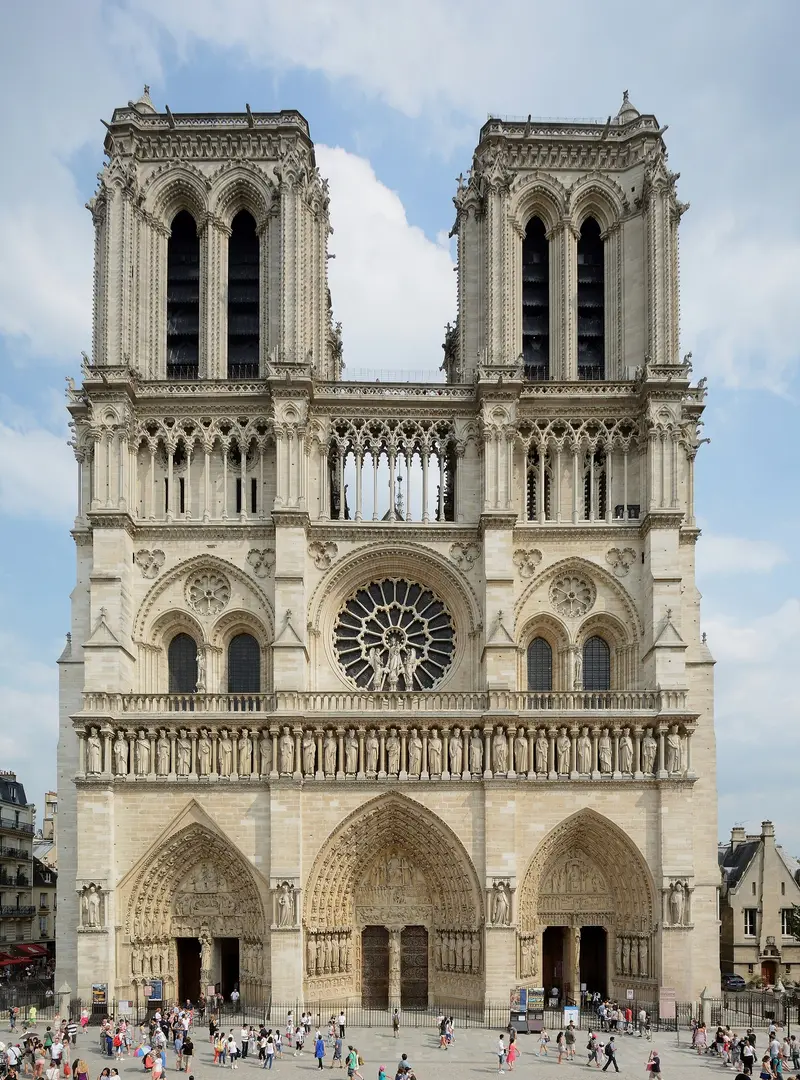
Notre-Dame de Paris
The epitome of French Gothic: flying buttresses, rose windows and a nave reopened after the fire of 2019.